

Customer Support
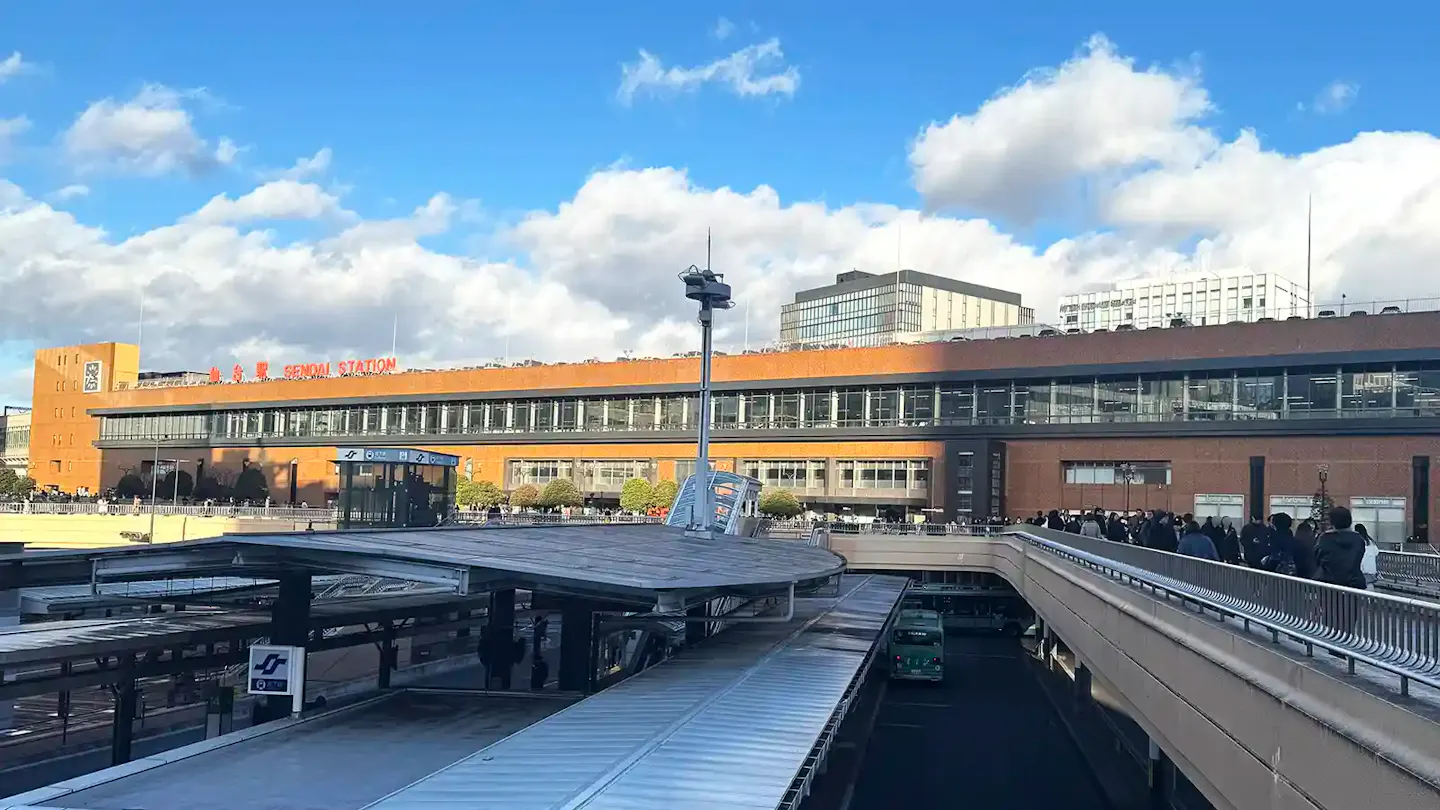
Sendai Station is the largest transportation hub in Japan’s Tohoku region, connecting high-speed Shinkansen trains with local JR lines, subways, and buses. Conveniently located in central Sendai City, it serves as the perfect starting point for exploring northern Japan.
Whether you’re coming from Tokyo, visiting scenic Matsushima, or heading to Akiu Onsen, Sendai Station has everything you need — clear signs, smooth transfers, lockers, and plenty of dining and shopping options. This guide helps you navigate the station, buy tickets, and enjoy local food with ease.
Sendai Station opened in 1887 and serves millions of travelers each year. The current building was completed in 1987 and rebuilt after the 2011 earthquake. It sits in central Sendai City, Miyagi Prefecture, making it easy to access from anywhere in the region.
JR East operates most train services here. The station also connects to Sendai City Subway lines, creating a complete transportation network for both long-distance and local travel.
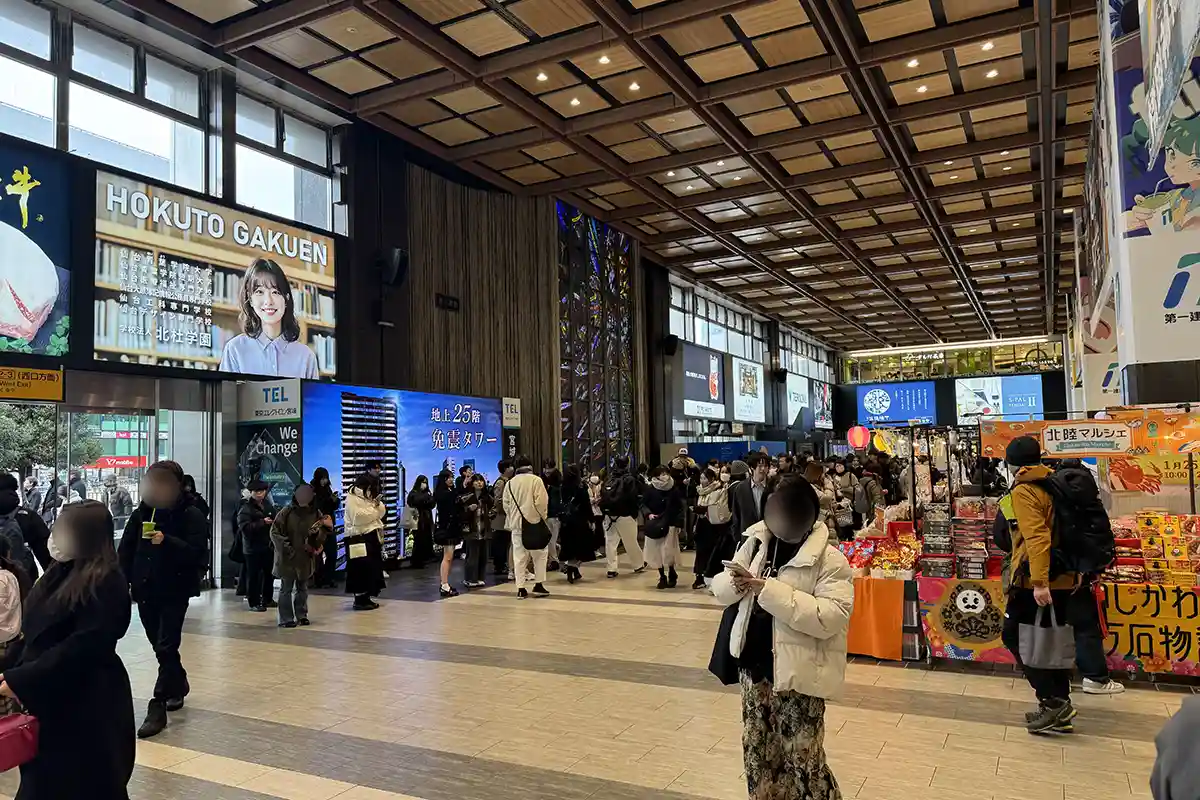
Sendai Station is the gateway to Tohoku. Many travelers stop here when going from Tokyo to northern Japan or Hokkaido. The station offers easy access to popular destinations like Matsushima Bay, Akiu Onsen, and Aoba Castle. It balances modern convenience with regional charm.
The atmosphere is welcoming and relaxed. English signs help international visitors navigate smoothly, making it easy to find platforms, ticket counters, and facilities.
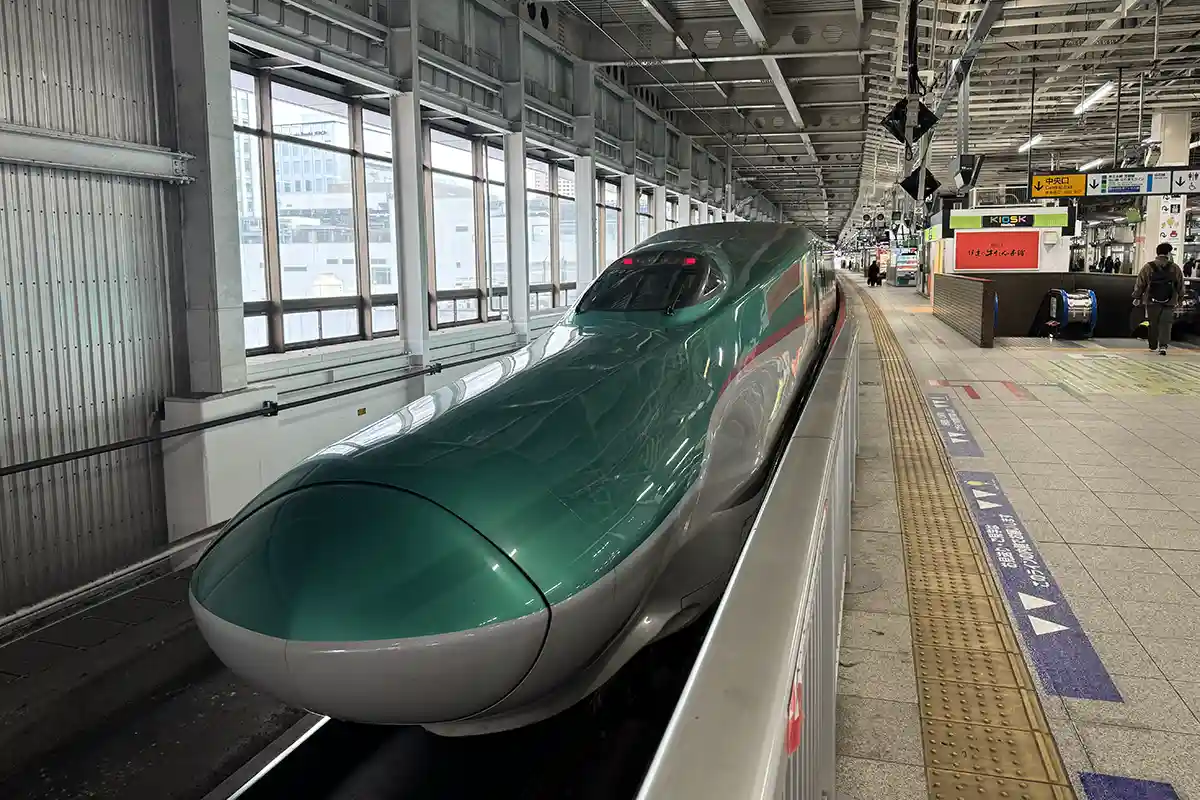
Three main Shinkansen train types on the Tohoku Shinkansen line stop at Sendai Station:
Check your ticket to see which train type you are taking. Hayabusa is best for speed, while Yamabiko offers more flexibility.
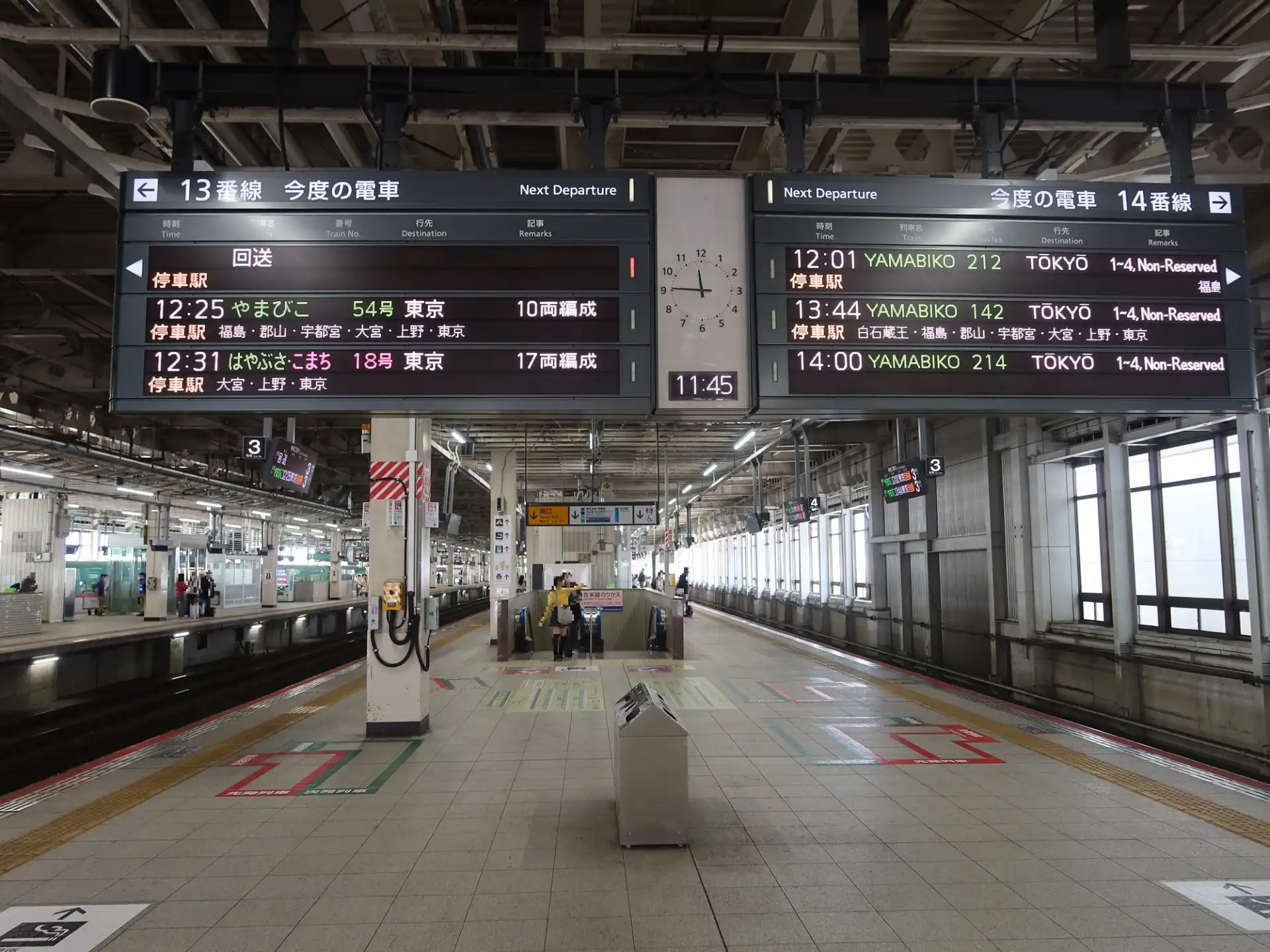
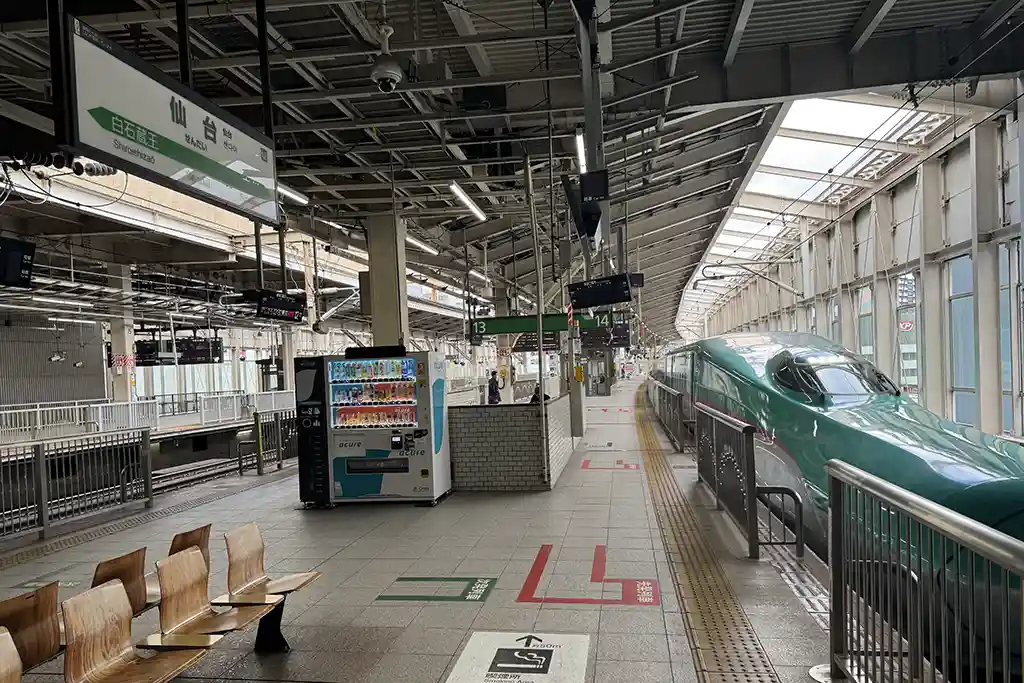
Sendai Station has four Shinkansen platforms:
Digital display boards show train times, platform numbers, and destinations in both Japanese and English.
For a step-by-step guide to boarding the Shinkansen at Sendai Station, including ticket gates and platform access, see:
How to Board the Shinkansen at Sendai Station
For the easiest booking experience, use Japan Bullet Train. This service is designed for foreign travelers and residents. You can reserve tickets online in multiple languages before you arrive at the station. After booking, you receive a QR code by email. Take this QR code to a ticket machine or JR office at Sendai Station to exchange it for a paper ticket.
Japan Bullet Train offers customer support by phone in several languages. This is helpful if you have questions during your trip. The service covers many Shinkansen routes and some local train connections, making it easy to plan multi-leg journeys.
Booking online helps you avoid long lines at the station, especially during busy travel seasons. You can plan your journey in advance and arrive at the station ready to travel.
If you have a JR Pass, you can use it to ride most Shinkansen trains at Sendai Station. Note that some trains like the Hayabusa require a reserved seat, even with a JR Pass. Visit the JR ticket office (Midori-no-madoguchi) to make your seat reservation.
Ticket machines are also available at the station if you prefer to purchase tickets on arrival. Many machines offer an English menu. You can buy unreserved or reserved seat tickets using credit cards or cash. However, ticket counters can be crowded during peak hours. Booking online before your trip saves time and ensures seat availability.
The Tokyo to Sendai Shinkansen is one of Japan's most popular routes.
Hayabusa trains take about 90 minutes, while Yamabiko trains take around 2 hours. Trains depart frequently throughout the day, usually every 10 to 20 minutes during peak hours.
Prices vary by train type and seat class. Hayabusa tickets cost slightly more due to faster speeds.
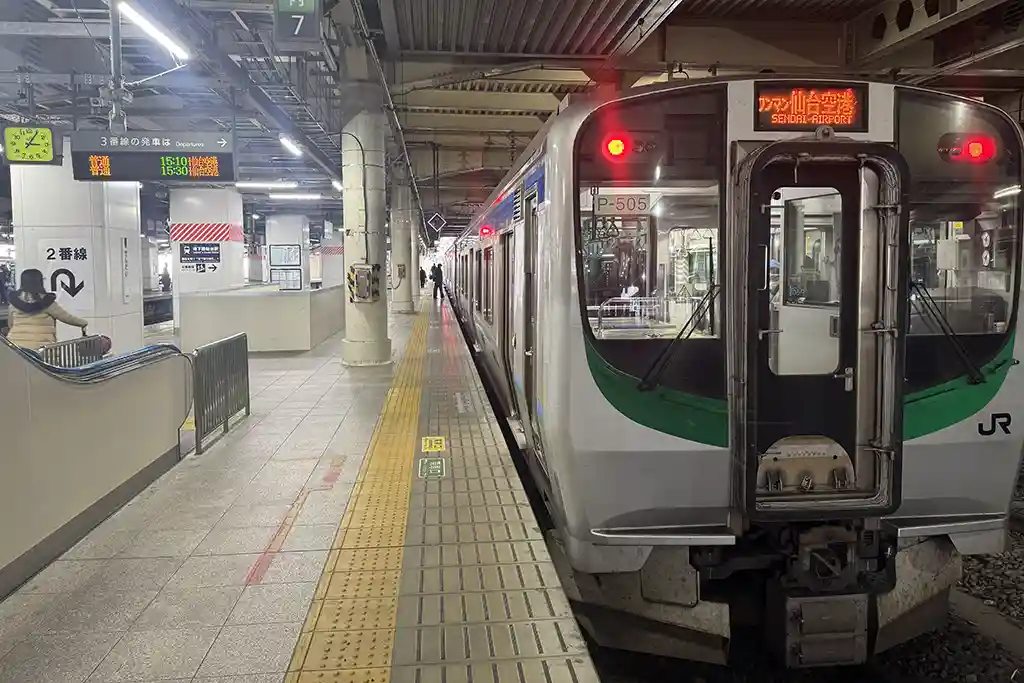
JR and Sendai Airport Access Line connect the station directly to Sendai Airport. The train ride takes about 17 minutes (up to 27 minutes depending on service). Trains run every 20 to 30 minutes during the day.
To reach the airport, exit the Shinkansen area and go to the local train platforms. Look for signs pointing to "Sendai Airport Line." The platform is easy to find, and announcements are in Japanese and English. This is the fastest and most convenient way to reach the airport from central Sendai.
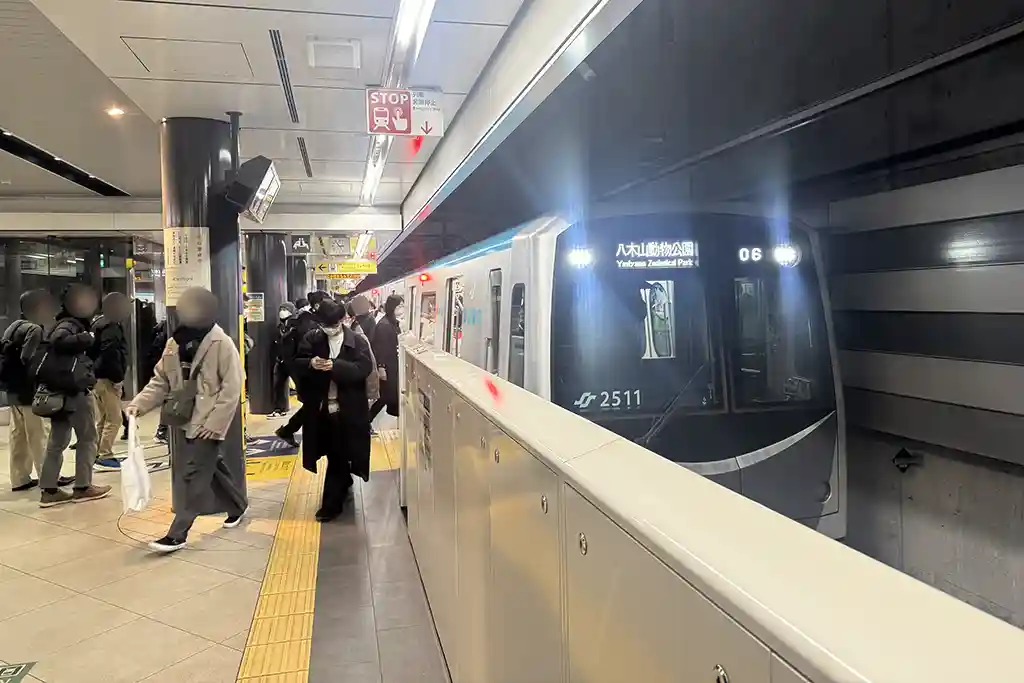
Sendai Station serves several important train lines:
The station also has large bus terminals at both the west and east exits, serving airport shuttle buses, intercity coaches, and local routes.
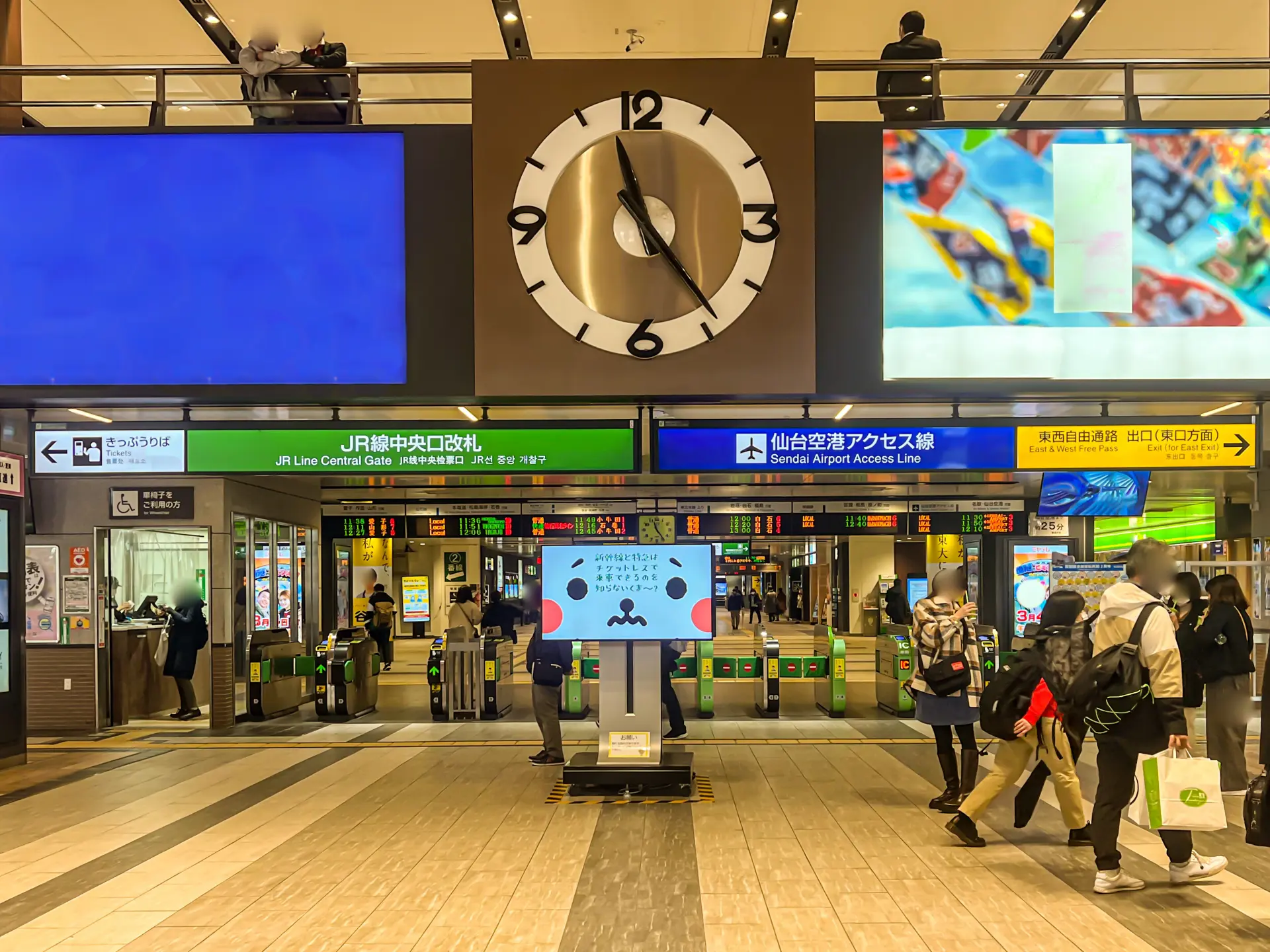
Sendai Station is easy to navigate once you understand its floor structure. The station is organized vertically, with different train services on each level.
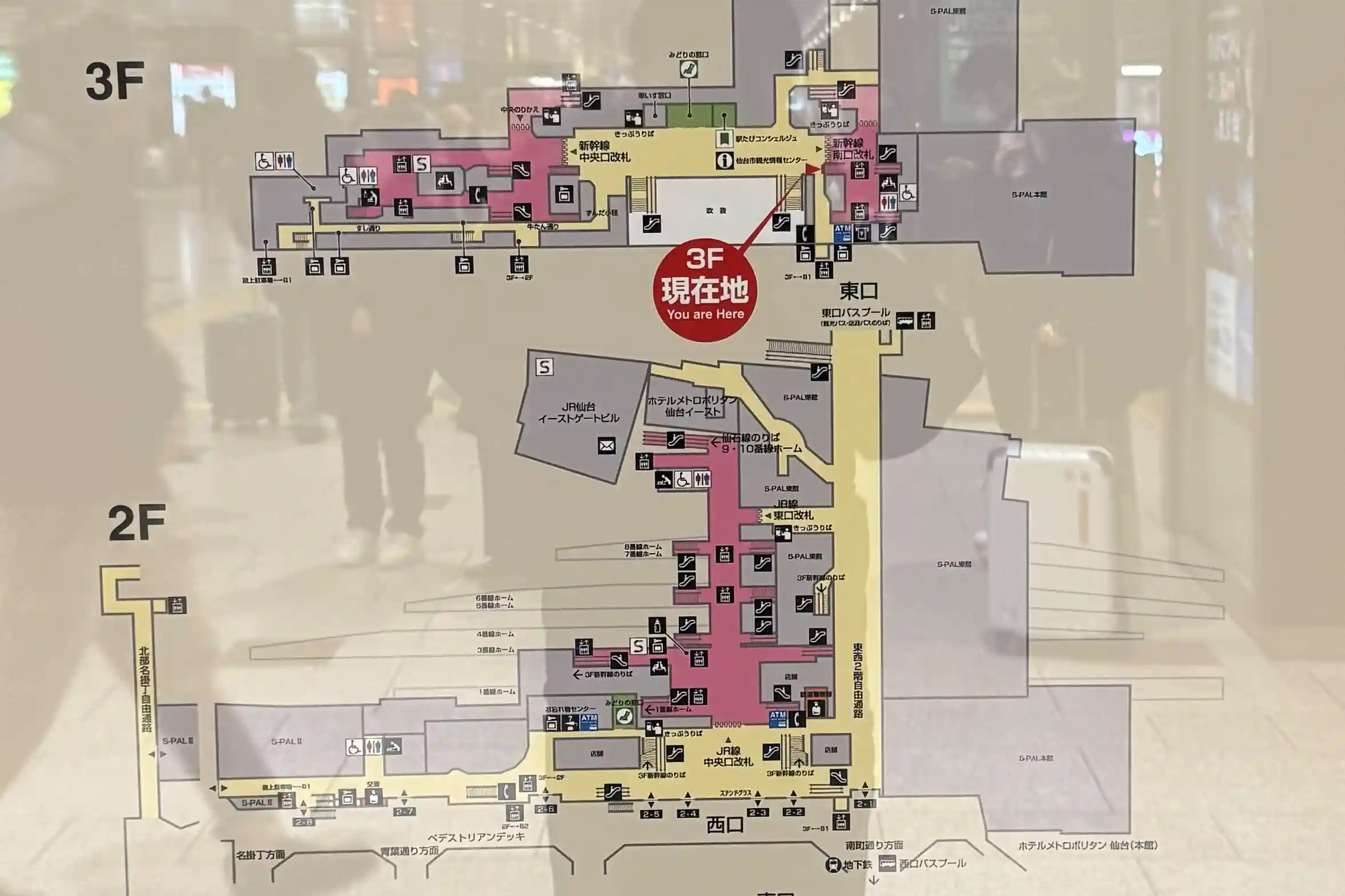
Key areas to know:
● See More: Guide Maps for Major Stations (Sendai Station) by JR-EAST
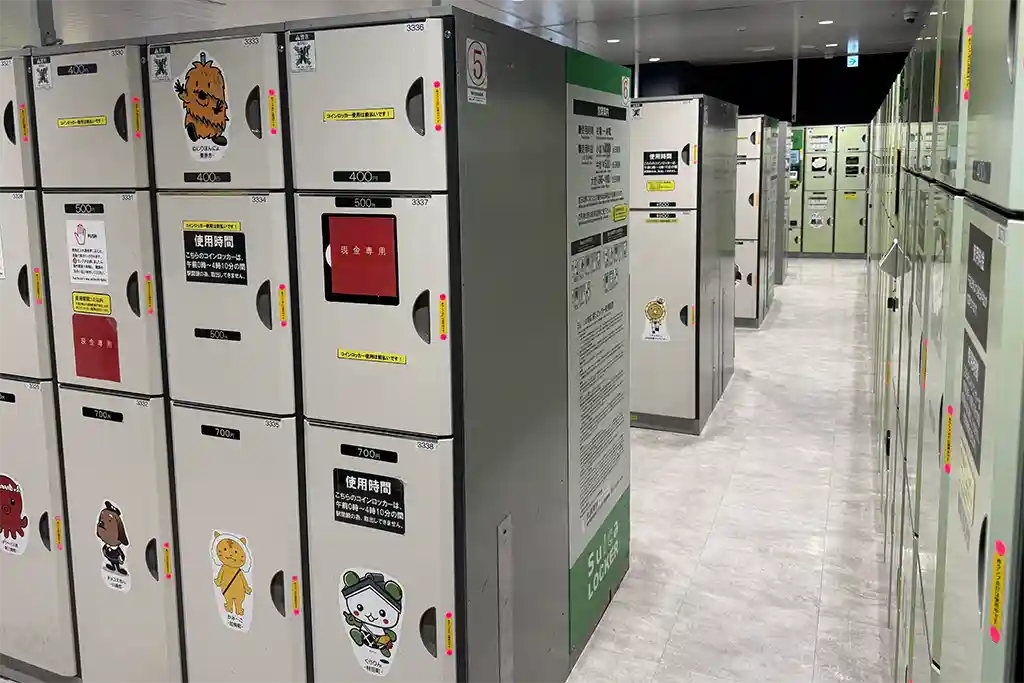
Sendai Station offers many coin lockers in convenient locations throughout the station. You can find them near both the West Exit and East Exit, as well as close to the Shinkansen Central Gate on the third floor.
Main locker locations:
Most lockers accept both coins and IC cards such as Suica or Pasmo. During busy seasons, lockers may fill up quickly—if that happens, visit the Tourist Information Desk near the West Exit for guidance on luggage storage. Some nearby hotels also provide temporary baggage holding for a small fee.
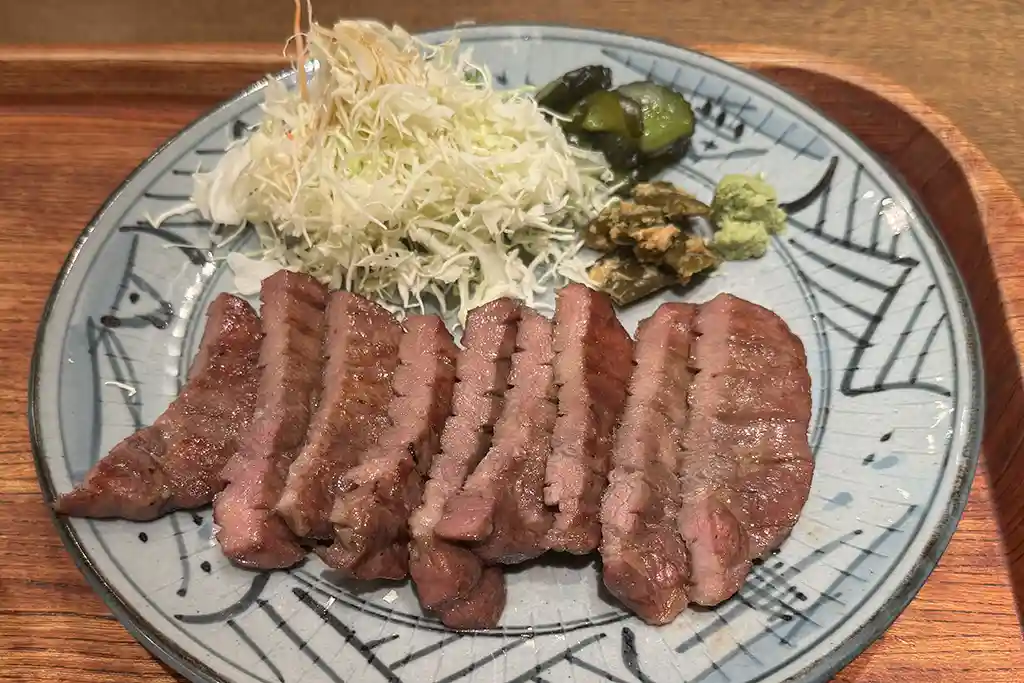
Sendai Station offers a wide variety of local food, with a strong focus on regional specialties from Miyagi Prefecture. One of the most famous is gyūtan (grilled beef tongue), but visitors can also enjoy seafood, sweets, and casual meals throughout the station.
Popular local dishes and food spots include:
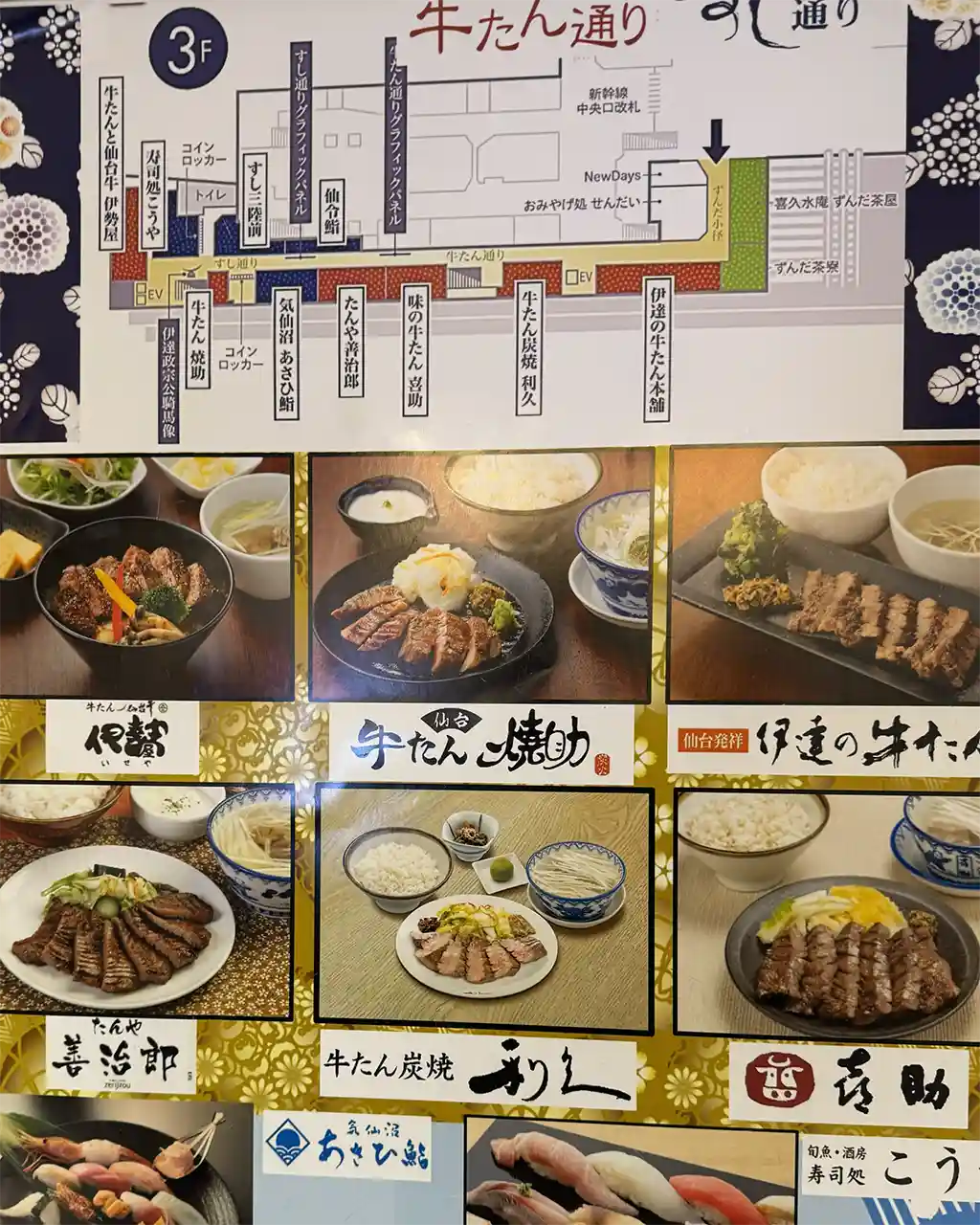
Located on the third floor near the Shinkansen Central Gate, Gyūtan Street and Sushi Street are convenient dining spots before or after your train.
Gyūtan Street is home to several popular restaurants serving gyūtan set meals, typically including grilled beef tongue, barley rice, oxtail soup, and pickles. Each shop has its own flavor and grilling style.
Sushi Street offers casual sushi restaurants using fresh seafood from nearby coastal areas. Many have picture menus or counter seating, making them easy for international travelers to use.
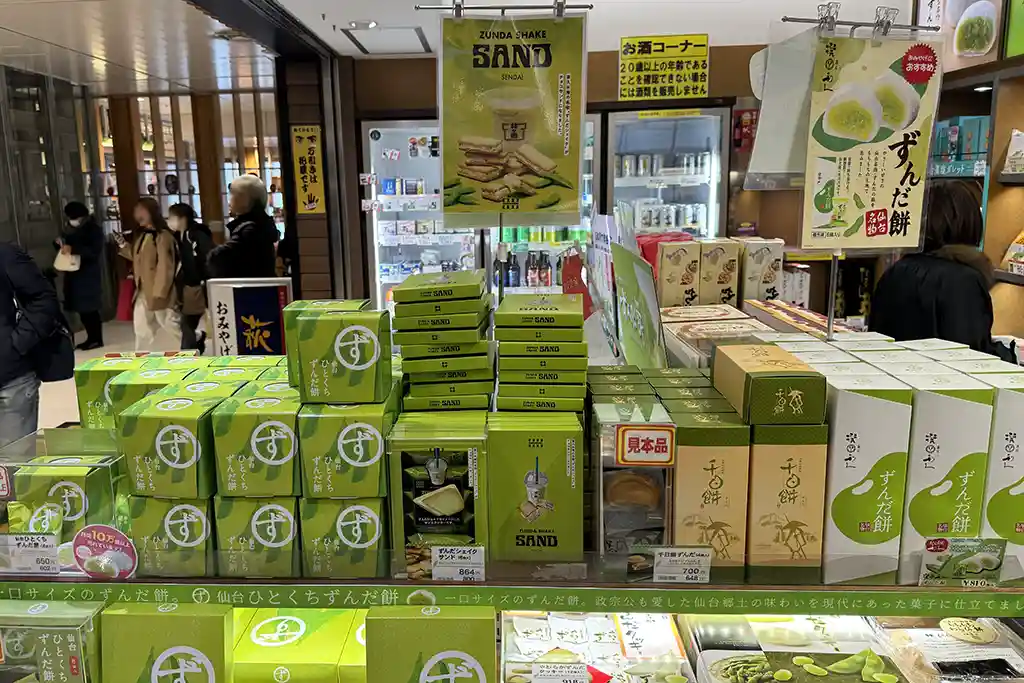
Zunda Saryo, located near the station concourse, is a well-known shop selling zunda-flavored sweets, shakes, and mochi. This green-colored treat is made from edamame and has a slightly sweet, nutty taste.
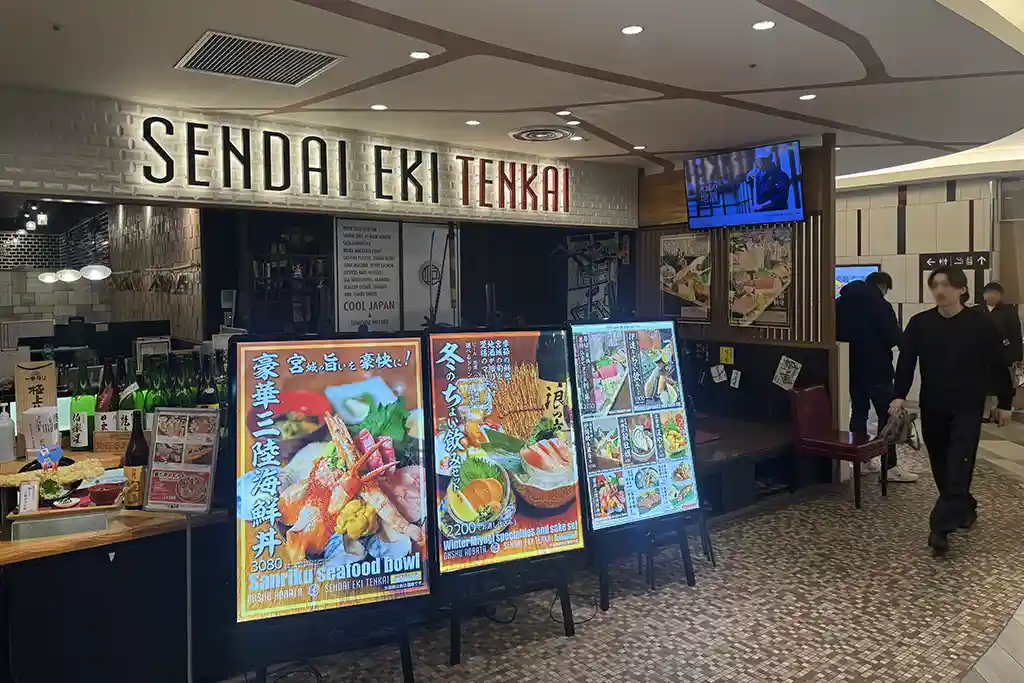
In addition to Gyūtan Street, you can also find a variety of restaurants and cafés inside S-PAL Sendai, the station’s main shopping complex. Its basement dining floor features both Japanese and Western-style restaurants, casual cafés, and dessert shops — perfect for travelers who want a wider range of options.
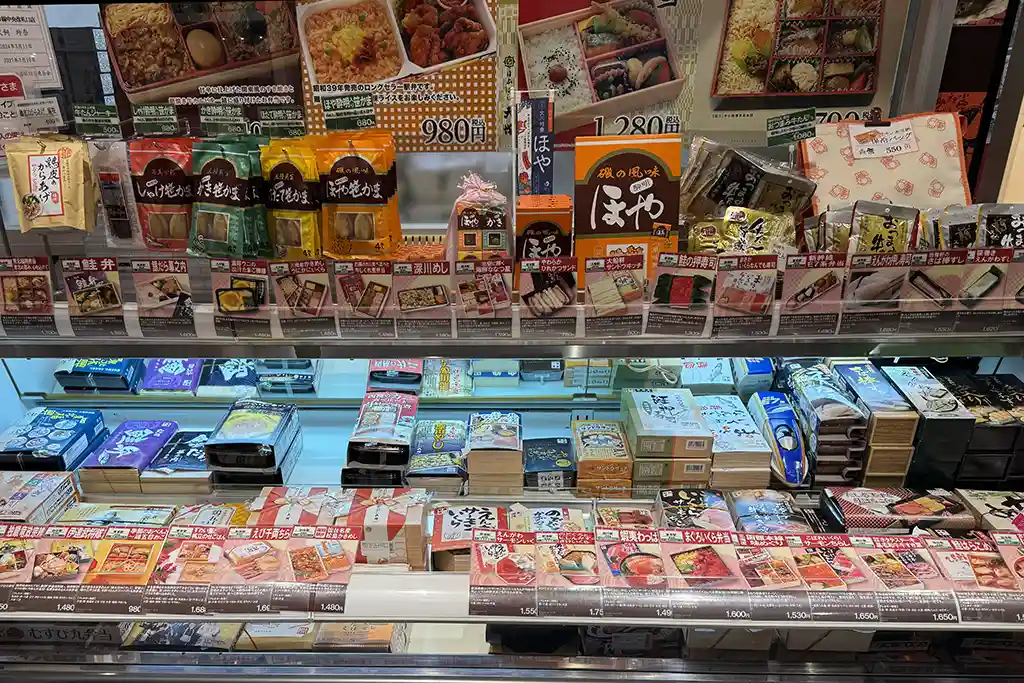
If you’re short on time, convenience stores are located near the ticket gates. They offer bento boxes, sandwiches, drinks, and travel essentials like phone chargers and umbrellas.
For something more local, pick up an ekiben (station bento box) before boarding your train. These boxed meals feature regional ingredients and are perfect for enjoying on the Shinkansen.
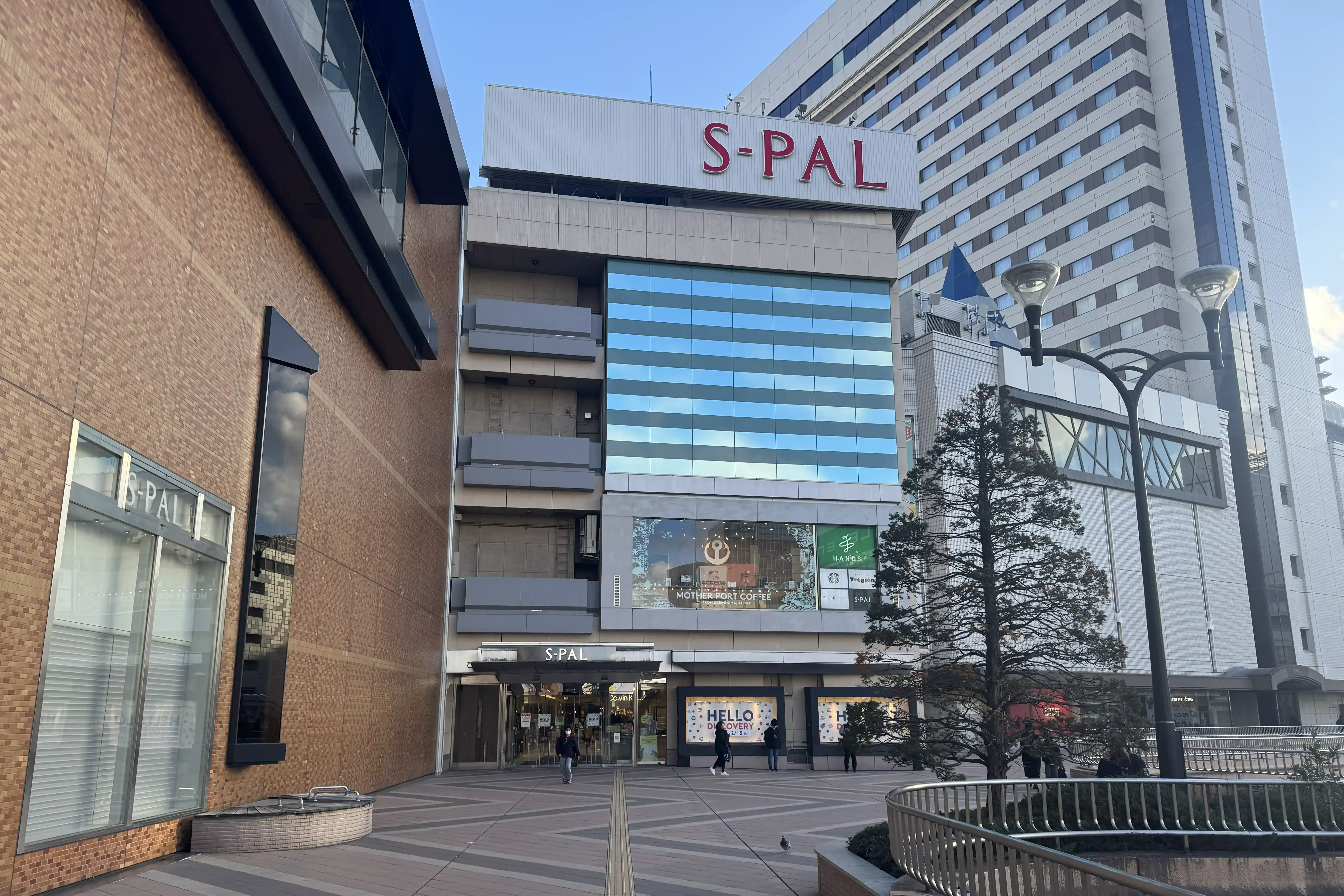
S-PAL Sendai, directly connected to the station, is one of the city’s largest shopping complexes. The mall includes clothing stores, bookshops, cosmetics, and electronics, as well as a basement food floor featuring sweets and souvenirs.
If you’re looking for local gifts, check the specialty food section inside S-PAL for Sendai-made treats such as zunda sweets, sasa kamaboko, and Kokeshi dolls.
If you have extra time, explore the nearby Aoba-dori shopping arcades, covered pedestrian streets filled with local boutiques, cafes, and souvenir shops — ideal for a relaxed stroll before your train.
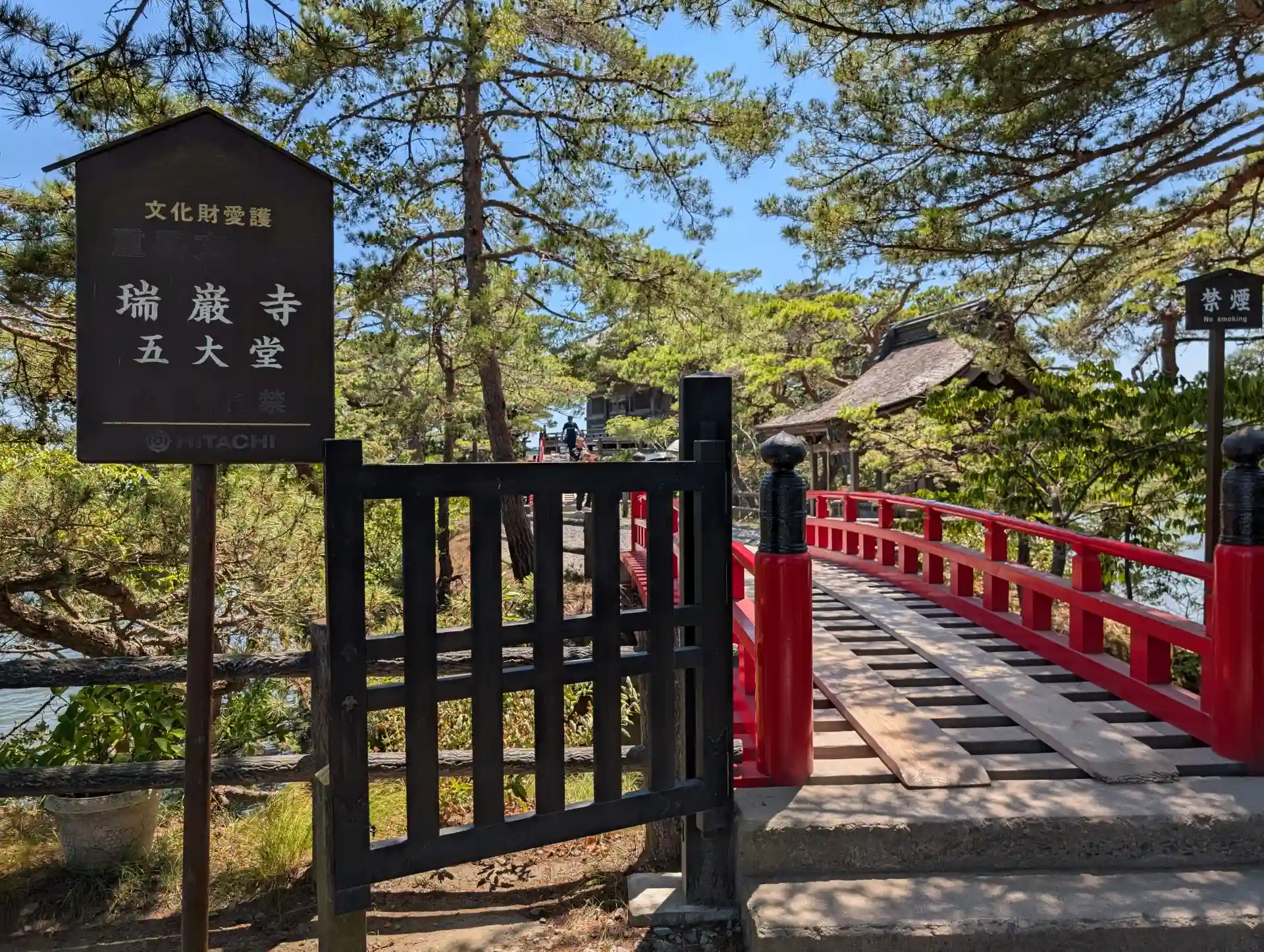
Matsushima is one of Japan's three most scenic views, featuring over 260 pine-covered islands. Take the Senseki Line from Sendai Station to Matsushima-Kaigan Station (about 25 minutes). Enjoy boat tours, visit Zuiganji Temple and Godaido Hall, and try fresh grilled oysters.
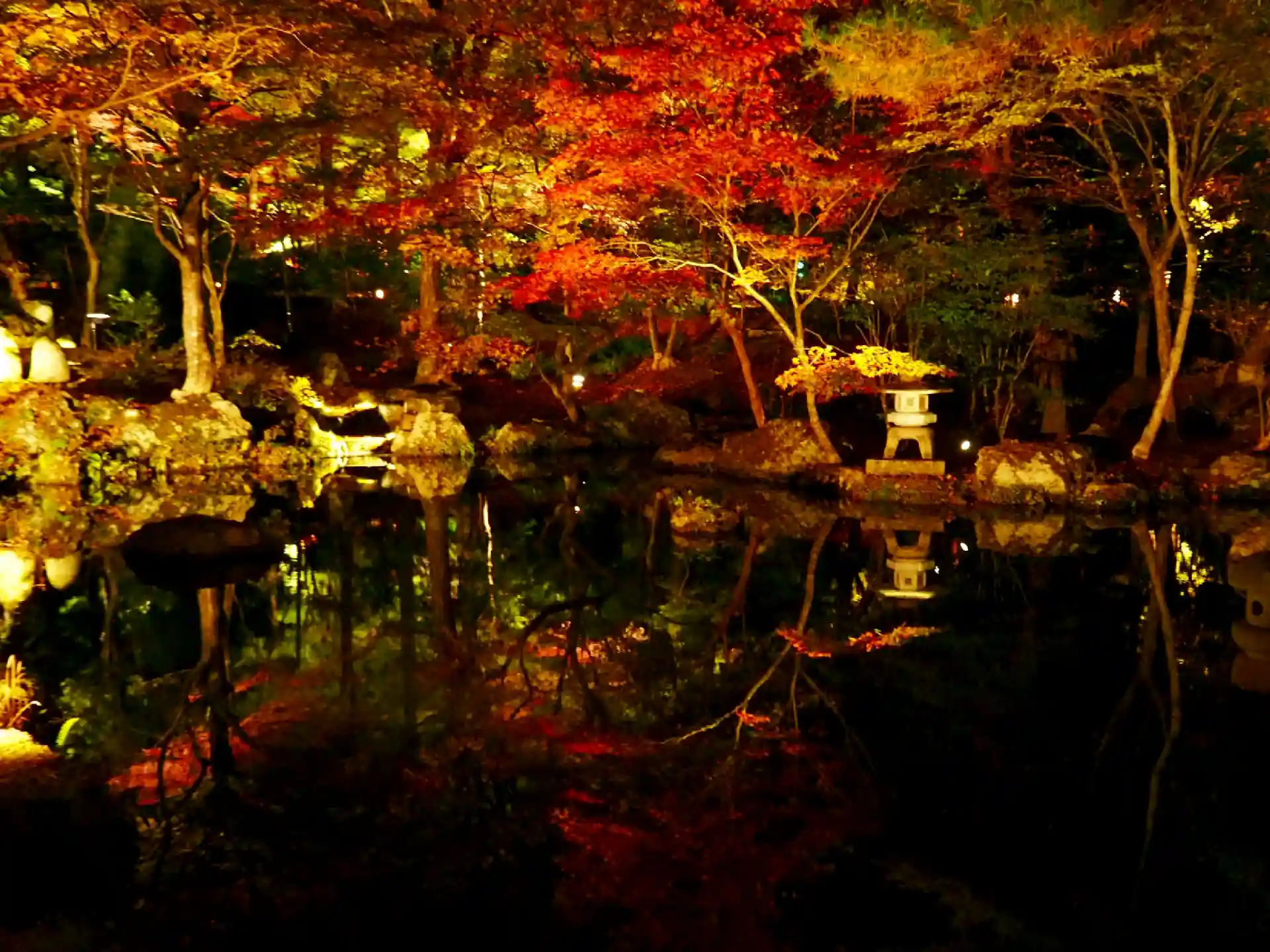
Akiu Onsen is a traditional hot spring resort about 30 minutes by bus from the West Exit. Experience authentic Japanese onsen culture at traditional ryokan inns. Many welcome day-trip visitors. The area also features Akiu Great Falls, a famous waterfall.
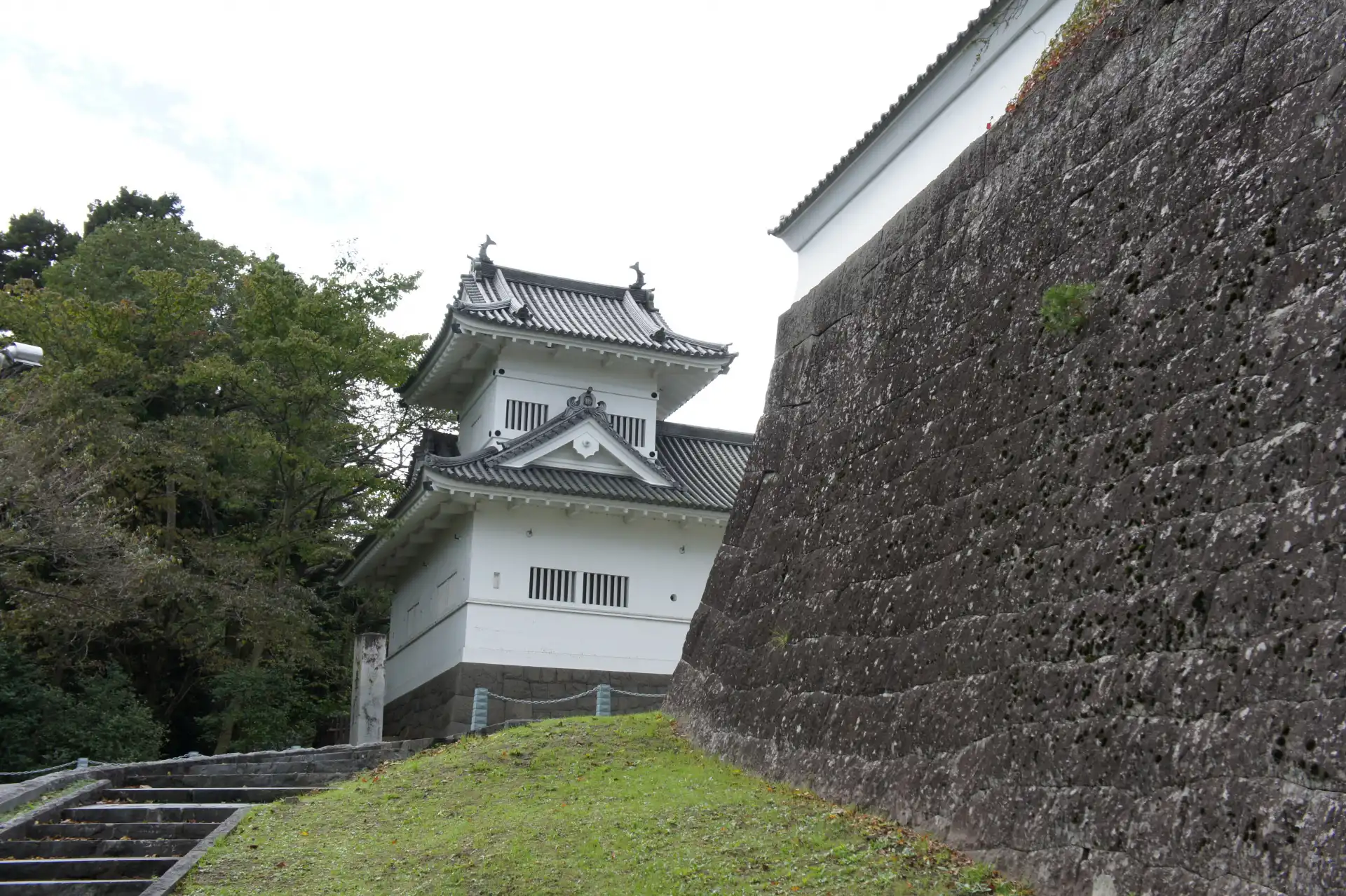
Aoba Castle was built by samurai lord Date Masamune in 1600. The ruins offer excellent city views and feature a bronze statue of Date Masamune, a popular photo spot. Take the Loople Sendai bus from the West Exit (about 20 minutes).
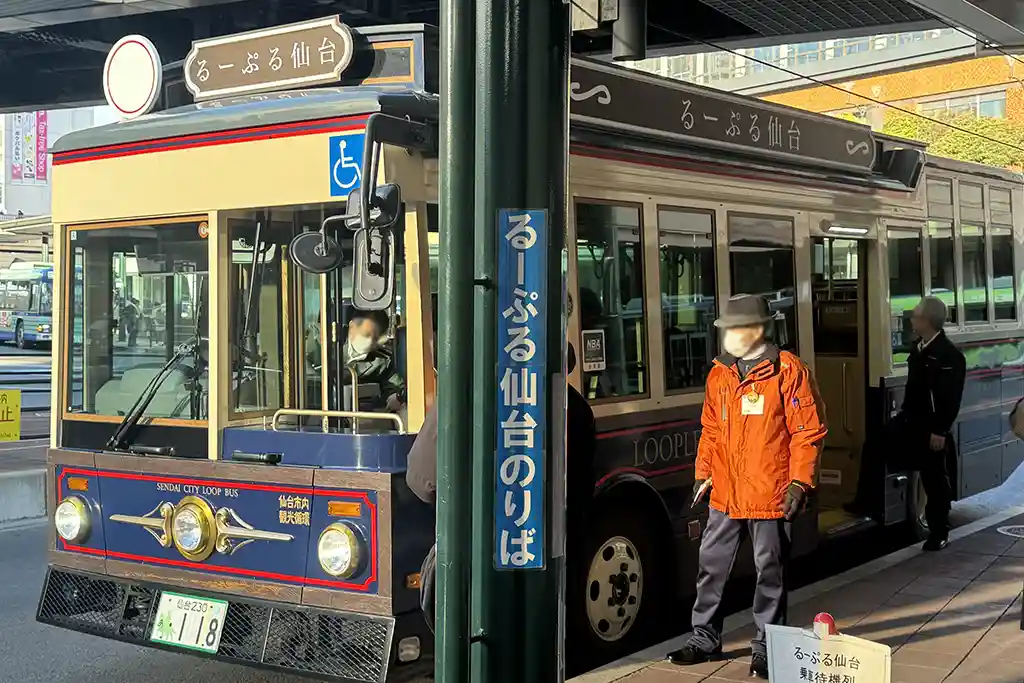
Loople Sendai is a sightseeing bus connecting major attractions from Sendai Station's West Exit. A one-day pass offers unlimited rides to Aoba Castle, Zuihoden, Osaki Hachimangu Shrine, and other sites. Announcements are available in English.
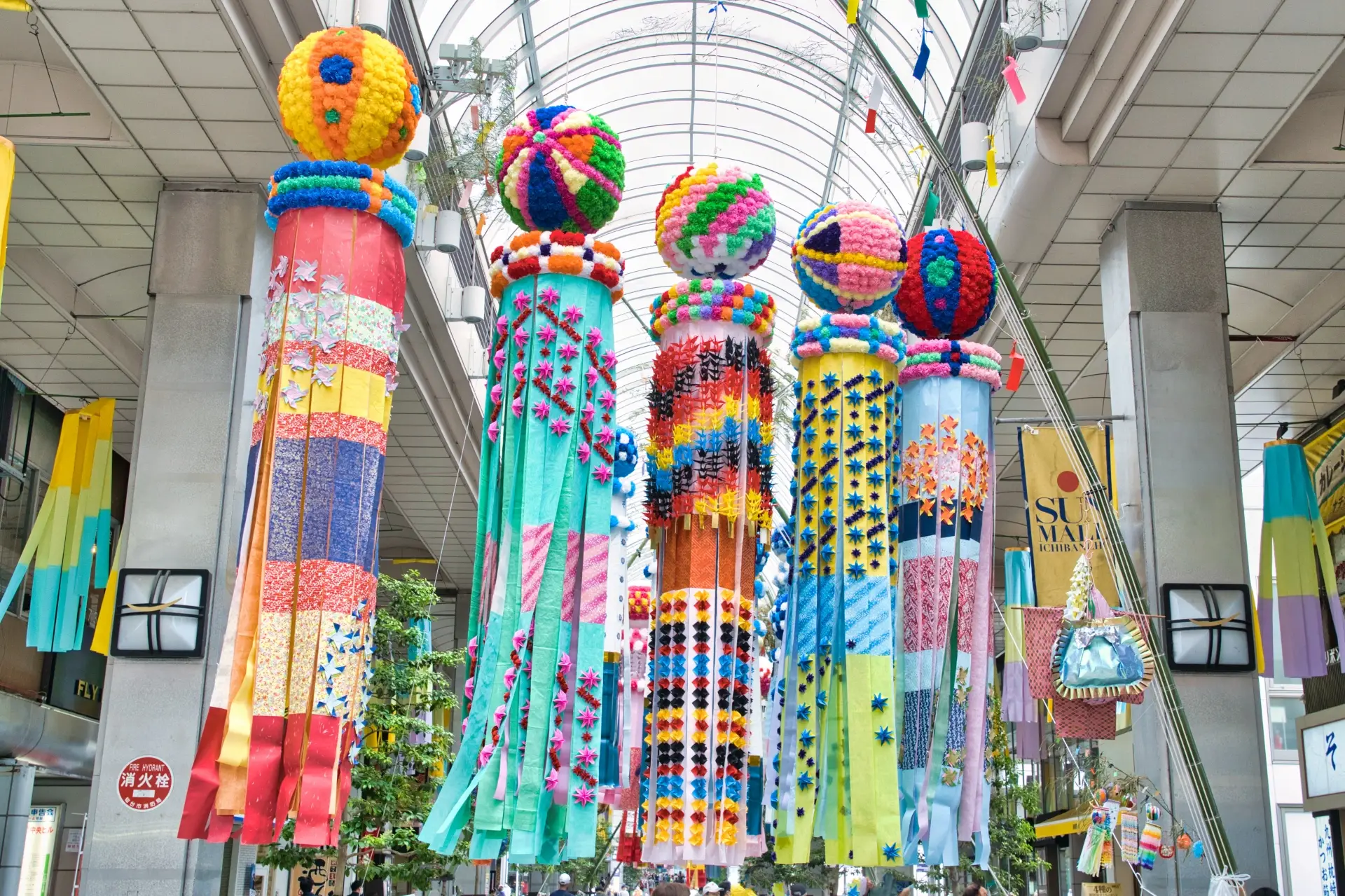
Sendai hosts the famous Tanabata Festival every August with massive paper and bamboo decorations downtown. Other highlights include spring cherry blossoms along the Hirose River, autumn foliage in nearby mountains, and winter illuminations from December through February.
Sendai Station is more than just a transit point — it’s a comfortable gateway where modern convenience meets the local warmth of Tohoku. Whether you are catching a Shinkansen, exploring Matsushima, or tasting local specialties like gyūtan and zunda mochi, the station offers everything you need for a smooth and enjoyable trip.
If you plan to continue your journey by Shinkansen, booking tickets in advance through Japan Bullet Train makes your journey even smoother. You can reserve online, receive your QR code by email, and exchange it for a paper ticket at Sendai Station — a convenient option for international travelers.
Sendai Station ensures your Tohoku journey begins — or ends — with comfort and warmth.