


Customer Support
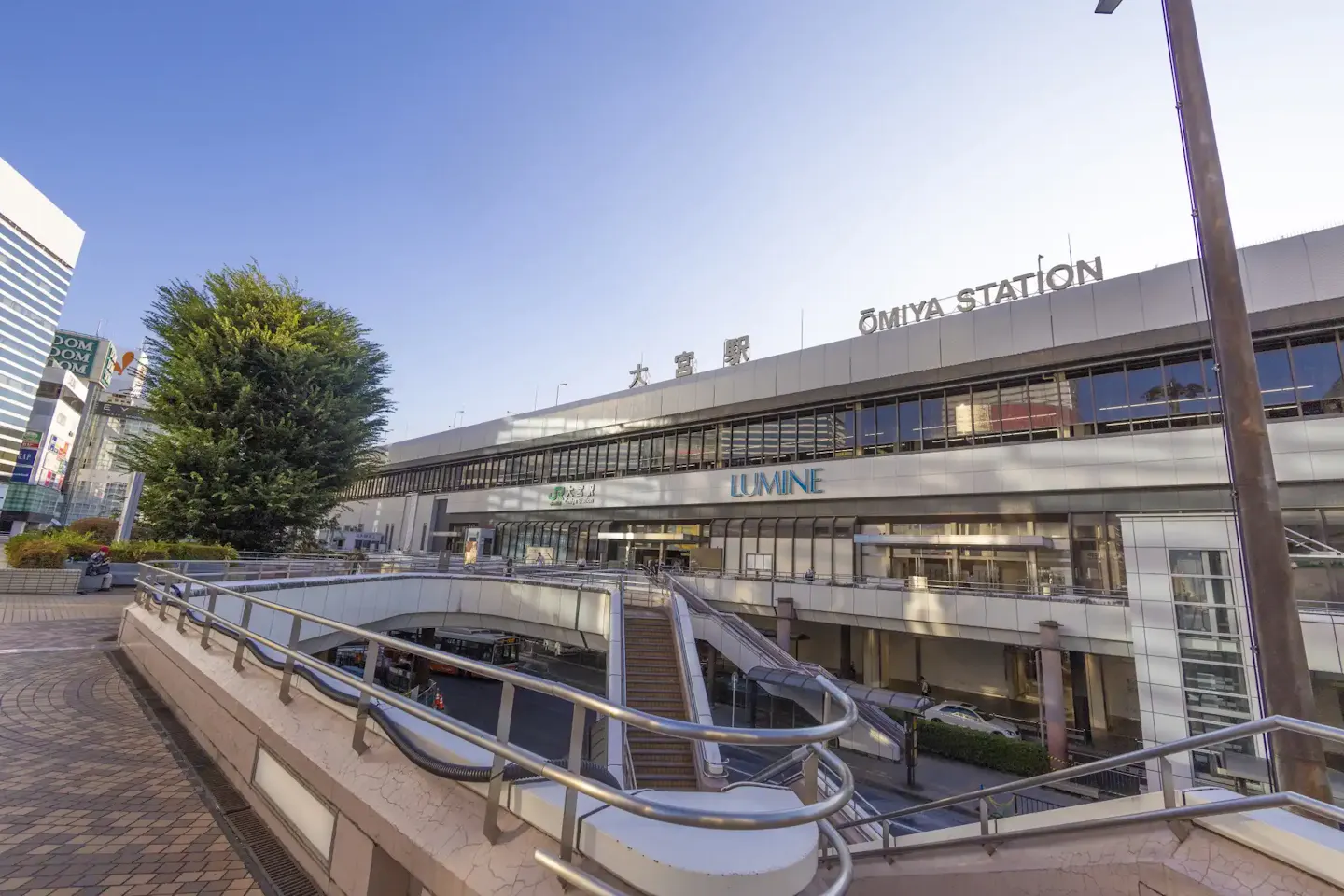
Omiya Station in Saitama, just north of Tokyo, is a key transfer hub where six Shinkansen lines and local railways meet. It offers smooth connections to northern and western Japan, as well as nearby attractions like the Railway Museum, Hikawa Shrine, and Omiya Park.
Whether heading to Nikko, Sendai, or Nagano, knowing how to use Omiya Station will make travel easier. This guide covers Shinkansen tickets, platforms, and highlights around the station.
Omiya Station in Saitama is located about 25–30 kilometers north of central Tokyo and acts as a major hub for northern Kanto and the greater Tokyo metropolitan railway network. Three major railway companies operate here: JR East, Tobu Railway, and Saitama New Urban Transit (New Shuttle).
Travelers can reach Omiya from Tokyo Station in about 30 minutes via the JR Keihin-Tohoku Line. From Shinjuku Station, the JR Saikyo Line takes approximately 30 to 40 minutes depending on the train type (regular or rapid services). For Shinkansen travelers, Omiya is typically 20–25 minutes from Tokyo Station.
Omiya Station is the most important Shinkansen station north of Tokyo, functioning as a crucial junction where multiple Shinkansen lines converge and branch out toward different regions.

Omiya Station serves as a major hub where six different Shinkansen lines converge, providing comprehensive access to northern and western Japan. This extensive network makes Omiya one of the most strategically important stations for long-distance travel:

Nearly all Shinkansen services, including the fastest Hayabusa trains to northern Honshu and Hokkaido, stop at Omiya Station, making travel exceptionally convenient. Semi-express services like Yamabiko also serve Omiya and often provide better seat availability.
Note that the Nozomi trains, which run on the Tokaido Shinkansen between Tokyo and Osaka, do not serve Omiya Station as it is not on the Tokaido Shinkansen route. Foreign visitors should check specific train schedules when booking tickets through services like Japan Bullet Train to confirm train types and stops.

Shinkansen services operate from platforms 13 through 18 on the upper (third) level. These platforms are accessed through dedicated Shinkansen ticket gates requiring valid Shinkansen tickets.
Each platform features waiting areas, vending machines, and restroom facilities. Electronic departure boards display information in Japanese and English, showing departure times, destinations, and car formations.
Omiya Station operates across multiple levels, with Shinkansen platforms on elevated tracks above the main building. Local lines operate from ground-level platforms, while underground passages connect different station areas.
● See More: Guide Maps for Major Stations (Omiya Station) by JR-EAST

From Omiya Station, it is easy to reach central Tokyo, northern cities, and even Narita Airport. Direct trains and Shinkansen make travel simple, with clear signs and English announcements. Here are the main routes and average travel times for visitors.

Omiya Station offers a wide range of coin lockers, with eight main locker zones located both inside and outside the ticket gates. Sizes vary from small day bags to large suitcases, and many lockers now support IC card payment.
For oversized items or longer storage, staffed counters near the station entrances also provide luggage deposit and forwarding services.

Omiya Station provides multilingual support to help foreign travelers navigate smoothly. Signs and announcements are available in English, Chinese, and Korean, making it easier to find platforms, exits, and facilities.
In addition, major counters have staff with English training, and travelers can also access extra information through mobile apps and QR codes displayed throughout the station.
Foreign travelers holding the Japan Rail Pass can use it directly at Omiya Station without purchasing extra tickets. Simply show the pass at the manned gates or use the automatic JR Pass readers, which are available at major stations.
For Shinkansen seat reservations, we recommend booking in advance through Japan Bullet Train, where you can reserve online and pick up your tickets easily with a QR code at the station. Seat reservations are also available at ticket offices inside Omiya Station, but booking online is faster and more convenient.


Omiya Station is well known for offering a wide variety of ekiben (boxed meals sold at stations), with a dedicated shop near the Shinkansen gates that feels like a year-round “ekiben fair.” Travelers can find famous bentos from across Japan, especially specialties from eastern regions and popular nationwide brands. Seasonal menus also appear, featuring regional ingredients and limited-edition items. While not every prefecture’s ekiben is always available, the selection is diverse enough to give visitors a taste of Japan’s food culture without leaving the station.
In addition to nationwide favorites, Omiya also offers local specialty bentos from Saitama, made with local rice, vegetables, and traditional cooking methods. These regional bentos provide a unique way to experience the flavors of the area before or after your journey.

Japan's premier railway heritage facility is located a short ride from Omiya on Saitama New Urban Transit (New Shuttle). This world-class museum showcases railway development from steam locomotives to modern Shinkansen, with interactive experiences and actual historic trains visitors can explore.

Hikawa Shrine, one of Japan’s most historically significant religious sites, is located within walking distance of Omiya Station. This ancient shrine offers a peaceful retreat, with a grand approach lined by trees and traditional torii gates. Visitors can experience Japanese spiritual traditions and seasonal festivals here.

Adjacent to the shrine is Omiya Park, one of the largest parks in Saitama. It features Japanese gardens, seasonal flower displays, and recreational spaces including a small zoo. The park is especially famous for cherry blossoms in spring, attracting both locals and tourists.

The museum celebrates traditional Japanese bonsai art, with Omiya recognized as a major center for this practice. It displays masterpiece trees alongside exhibits explaining history and techniques. The surrounding bonsai village features traditional nurseries and workshops.

Just one stop from Omiya at Saitama-Shintoshin Station, Cocoon City is a large shopping complex made up of three buildings (Cocoon 1, 2, and 3). It offers fashion, electronics, restaurants, cafés, and a cinema, attracting both families and young visitors.
Several stores provide tax-free shopping and multilingual support, making it a convenient spot for international travelers to enjoy shopping and dining in one place.

Just outside Omiya Station’s East Exit, Suzuran Dori is a narrow covered street lined with small shops and izakaya. Red lanterns and retro storefronts create a nostalgic atmosphere that contrasts with the modern station. In the evening, it comes alive with locals enjoying after-work drinks, offering visitors an authentic taste of Saitama nightlife.
Omiya Station is one of the most convenient transfer points for Shinkansen travelers, connecting multiple lines to northern and western Japan. It also offers sightseeing opportunities nearby, from the Railway Museum’s rich collection of trains to the cultural atmosphere of Hikawa Shrine and the greenery of Omiya Park. Travelers can enjoy both efficient connections and local discoveries without leaving the station area.
To make your trip even smoother, be sure to book your Shinkansen tickets in advance through Japan Bullet Train, where you can reserve online and pick up your tickets easily with a QR code at the station.