

Mentions légales
Support client
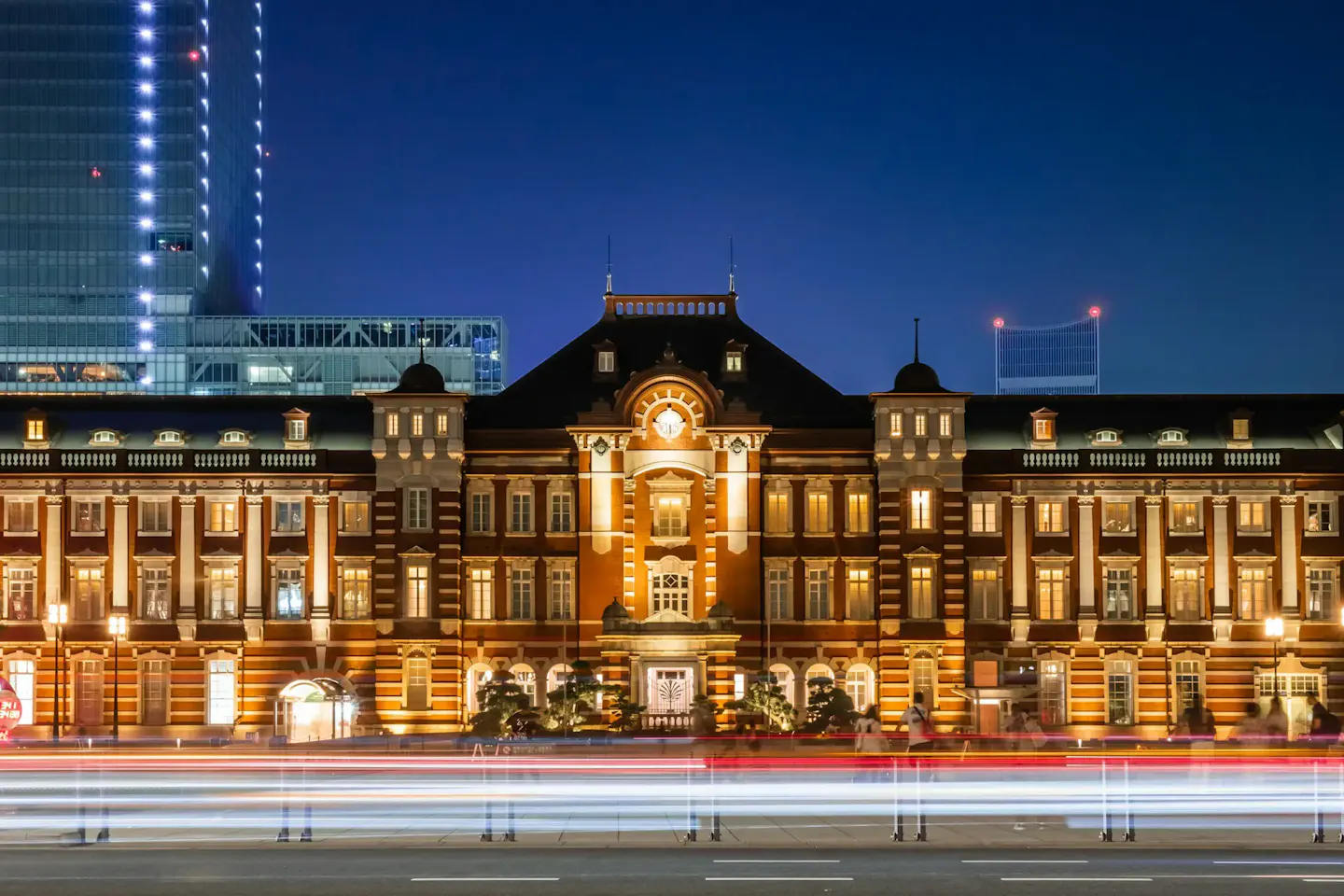
Tokyo Station can be confusing at first, but knowing the station layout and the main exits makes it much easier to find your way. This guide covers the key points you need for using Tokyo Station, from Shinkansen areas and transfers to luggage and other useful facilities.
If you are still deciding whether to use Tokyo, Shinagawa, or Ueno Station, see our guide to choosing a Shinkansen station in Tokyo.
When you arrive, first check which side of the station you are on and which level you need. Knowing whether you are on the Marunouchi or Yaesu side will help you understand the signs and choose where to go next.

For a simple mental map, think of Tokyo Station in three parts: the Marunouchi side to the west, the Yaesu side to the east, and the underground areas beneath them.
Area | Main Feature | Useful For |
Marunouchi | West side of the station | Imperial Palace area, Marunouchi Line, hotels on the west side |
Yaesu | East side of the station | Shinkansen, bus connections, Yaesu-area shopping |
Underground | Underground platforms, passages, shops, and restaurants | Sobu/Yokosuka and Keiyo Lines, GRANSTA, Tokyo Station First Avenue |
Tokyo Station has two main sides above ground: Marunouchi to the west and Yaesu to the east. Both sides have North, Central, and South exits, so the side name alone does not identify a single exit.

The Marunouchi side faces the Imperial Palace and is known for Tokyo Station's historic red-brick station building. This side is useful for the Imperial Palace, Marunouchi-area hotels, and the Tokyo Metro Marunouchi Line.
You can also reach the Shinkansen from this side, but the Yaesu side is generally more direct.

The Yaesu side faces Tokyo Midtown Yaesu and the Yaesu Underground Mall. It is generally more direct for the Shinkansen and is also useful for bus connections and shopping on the east side of the station.
Knowing which landmarks, transport hubs, and facilities are near each exit can help you understand the area around the station.
Exit | Useful For | What You'll Find Nearby |
Marunouchi Central Exit | Imperial Palace | Faces the Marunouchi station plaza and the route toward the Imperial Palace. |
Marunouchi South Exit | KITTE Marunouchi, Marunouchi Building | Close to KITTE Marunouchi and the Marunouchi Building. The South Dome is just inside the station. |
Marunouchi North Exit | Traveler support, Tokyo Station Gallery | The JR EAST Travel Service Center is just outside this exit, and Tokyo Station Gallery is nearby. |
Yaesu Central Exit | Shinkansen, central Yaesu area | Provides convenient access to the Yaesu side and nearby Shinkansen ticket gates. |
Yaesu South Exit | Expressway buses, Tokyo Midtown Yaesu | The JR Expressway Bus Terminal is directly outside, while Bus Terminal Tokyo Yaesu is in Tokyo Midtown Yaesu. |
Yaesu North Exit | Daimaru, First Avenue Tokyo Station | Useful for shopping on the north side of Yaesu, including Daimaru and access to First Avenue Tokyo Station. |
Marunouchi Underground Central Exit | Marunouchi Line, underground connections | Useful for reaching the Tokyo Metro Marunouchi Line and moving through the underground station area. |
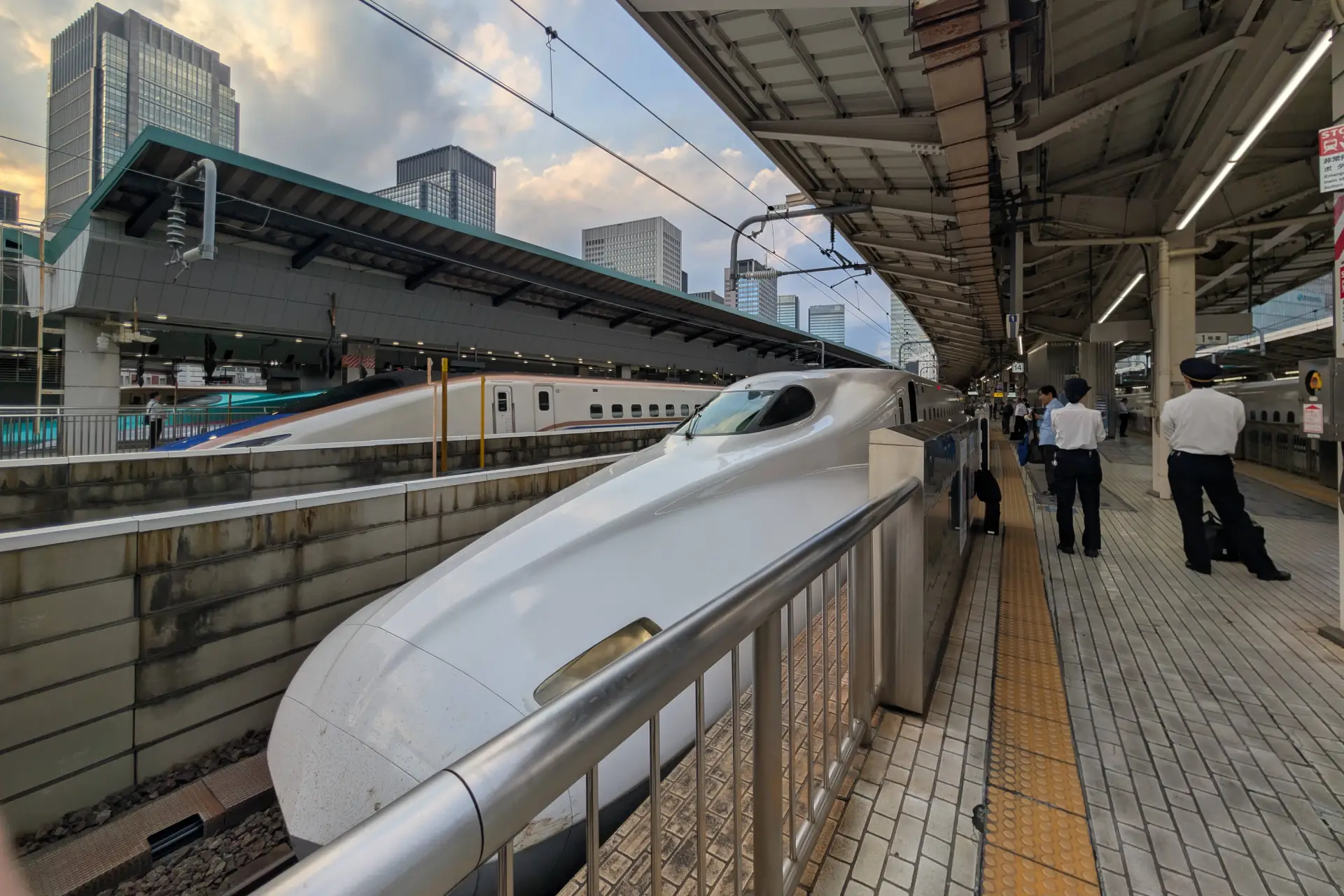
Shinkansen access at Tokyo Station is more direct from the Yaesu side. Finding the Shinkansen area and finding your platform are two separate steps. It helps to handle them one at a time.
At Tokyo Station, the Shinkansen platforms are split into two main groups. The Tokaido and Sanyo Shinkansen use one group, while the Tohoku, Yamagata, Akita, Hokkaido, Joetsu, and Hokuriku Shinkansen use the other.

There are two main ways to reach the Shinkansen area:
If you arrive on the Tokyo Metro, you will first be outside the JR paid area, so use a Shinkansen ticket gate rather than a transfer gate.

Once you pass through the ticket gates, signs and departure boards will show your service group and destination.
Item | Tokaido / Sanyo Shinkansen | JR East Shinkansen Services |
Services | Tokaido / Sanyo Shinkansen | Tohoku / Yamagata / Akita / Hokkaido / Joetsu / Hokuriku Shinkansen |
Main Destinations | Nagoya, Kyoto, Shin-Osaka, Hiroshima, Hakata | Sendai, Yamagata, Akita, Shin-Aomori, Niigata, Nagano, Kanazawa, Shin-Hakodate-Hokuto |
Operator / Sign Color | JR Central / Blue | JR East / Green |
Platforms | 14–19 | 20–23 |
Main Access Area | Yaesu Central / South side | Yaesu North / Marunouchi North side |
Departure boards near the ticket gates confirm the exact platform for your train. Platform assignments can vary by service and time of day.

You can buy a Shinkansen ticket at Tokyo Station or arrange your ticket online before you travel. If you book online, check how your booking service requires you to collect or use your ticket before heading to the Shinkansen gates.
You can buy Shinkansen tickets at ticket machines or staffed ticket counters inside Tokyo Station. If you already booked through a service that requires ticket collection, follow the instructions for your booking and collect your ticket before entering the Shinkansen area.
If you prefer to arrange your Shinkansen ticket before arriving at Tokyo Station, you can book online.
If you book through Japan Bullet Train, a QR code is issued after your order. The QR code is used to collect your paper ticket and is not used to enter the Shinkansen gate directly.
For more information about collecting your ticket, see our ticketing guide.
▶ RELATED: Step-by-Step Tokyo Station Shinkansen Boarding Guide
Before you continue, decide whether your next step uses a JR line, the Tokyo Metro, or an airport route. Each one leads to a different part of the station.

Tokyo Station serves several JR conventional lines. Most use the above-ground platforms, while the Sobu/Yokosuka and Keiyo Lines use deeper underground platforms.
Line | Platforms | Main Destinations |
Chuo Line (Rapid) | 1–2 | Shinjuku, Tachikawa, Takao |
Keihin-Tohoku Line | 3, 6 | |
Yamanote Line | 4–5 | Ueno, Akihabara, Shinjuku, Shibuya |
Ueno-Tokyo / Tokaido Lines | 7–10 | Ueno, Yokohama, Odawara |
Sobu Line (Rapid) / Yokosuka Line | Underground Platforms 1–4 | Narita Airport, Yokohama, Kamakura |
Keiyo Line | Underground Platforms 1–4 | Maihama, Soga |
The Sobu/Yokosuka and Keiyo Line platforms are much deeper than the main JR platforms. JR East gives a standard transfer time of about 15 minutes between the Shinkansen and the Sobu/Yokosuka Line, and about 20 minutes for the Keiyo Line. Allow enough time if you are transferring, especially with luggage.
For the Yamanote Line, check the direction as well as the line name:
For ordinary JR trains in the Tokyo area, you can usually enter and exit by tapping a Suica or PASMO card. Limited Express trains, such as the Narita Express, require an additional Limited Express ticket or an eligible ticketless reservation in addition to the basic fare.
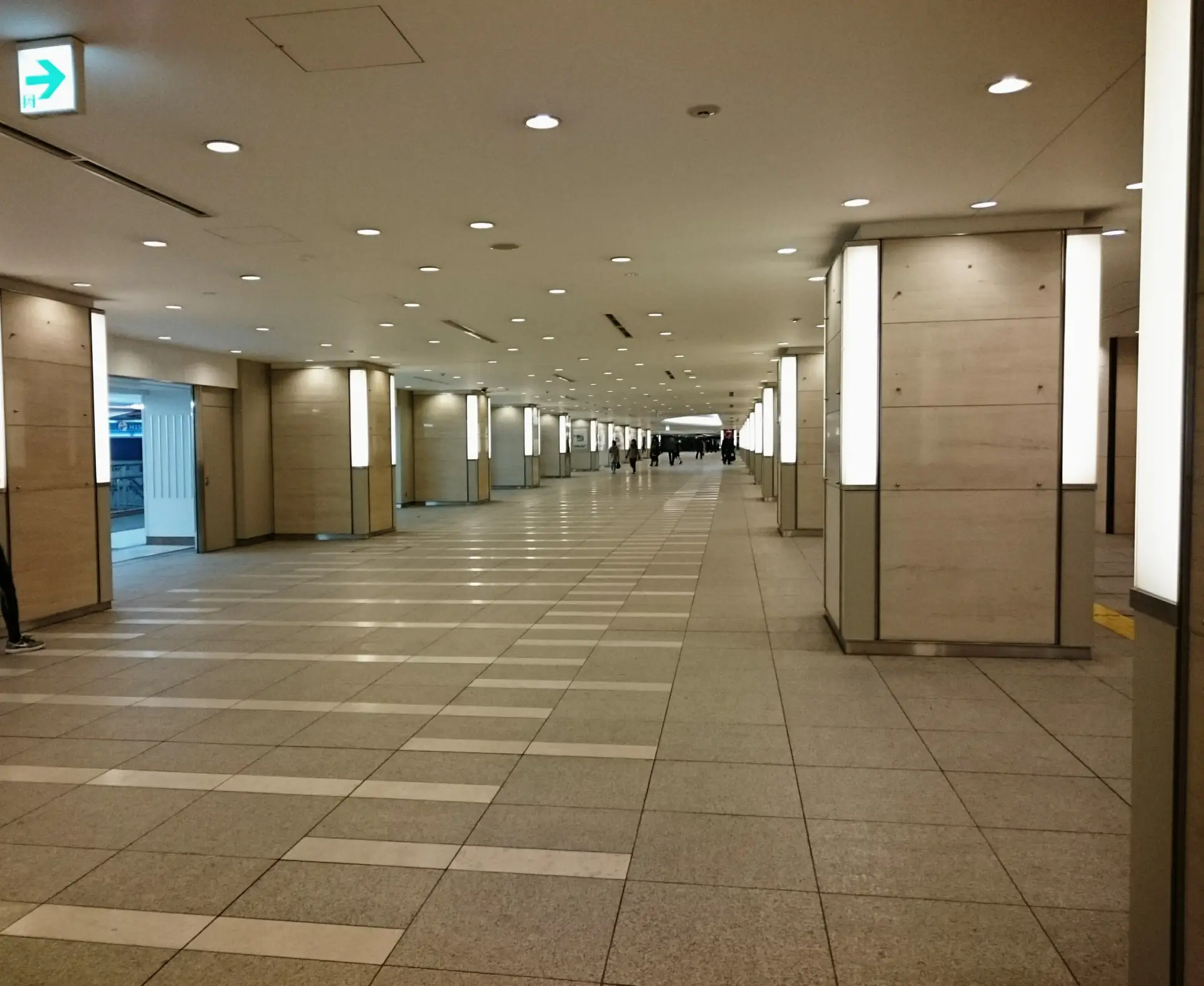
For subway connections, there are two main options around Tokyo Station:
At Otemachi Station, you can use the Tokyo Metro Marunouchi, Tozai, Chiyoda, and Hanzomon Lines, as well as the Toei Mita Line.
If you are transferring from a JR train to the subway, you need to exit the JR paid area first. Follow the signs for the Marunouchi Line or Otemachi after leaving the JR ticket gates.
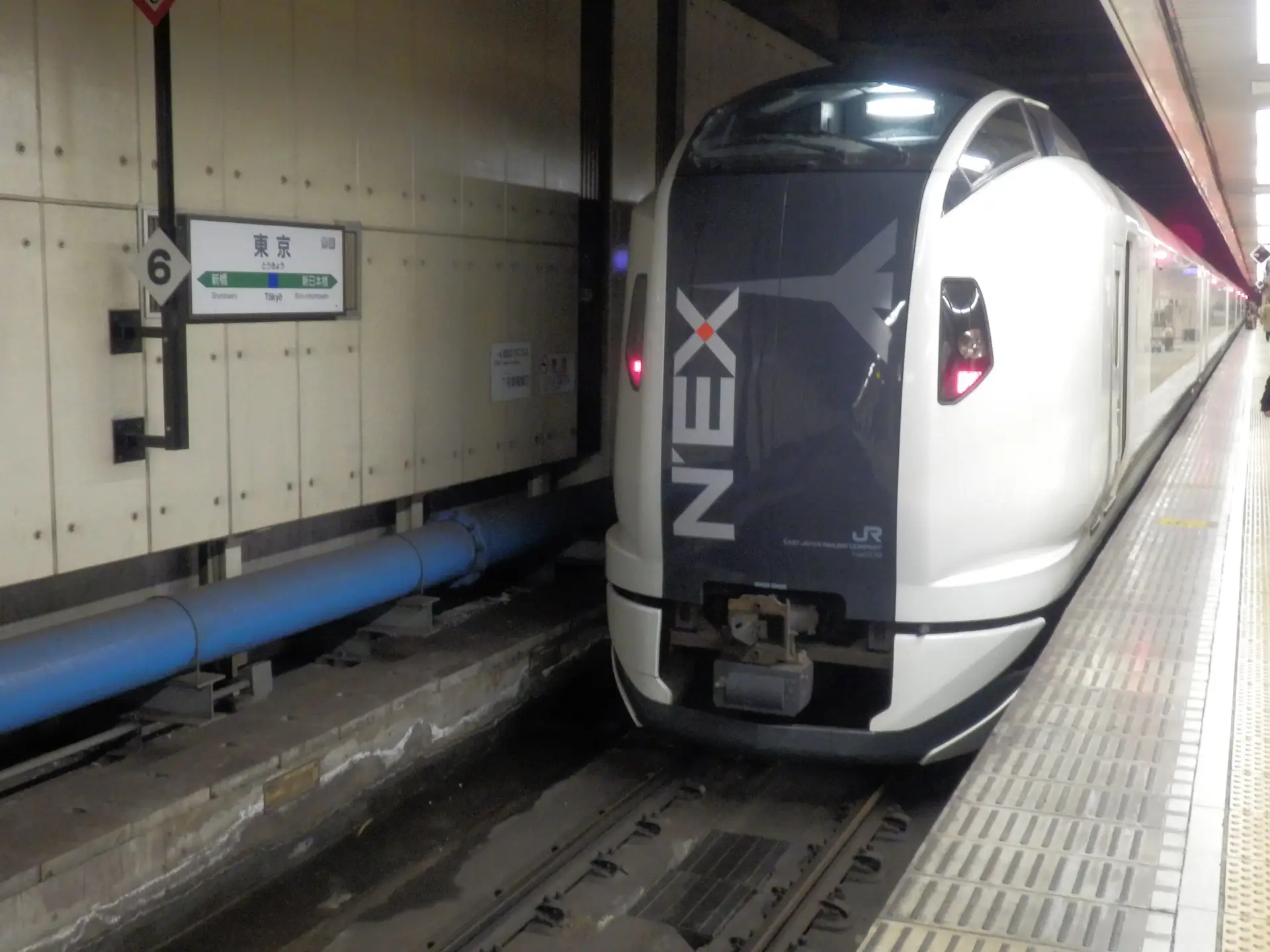
Tokyo Station offers direct rail access to Narita Airport, while trips to Haneda Airport require a transfer. The Narita Express (N'EX) is the most straightforward direct option for Narita.
Airport | Route | Notes |
Narita | Narita Express (N'EX) | Direct service from Tokyo Station |
Narita | JR Sobu Line Rapid | Slower than N'EX; some trains are direct, while others may require a transfer |
Haneda | Hamamatsucho + Tokyo Monorail | Change trains at Hamamatsucho |
Haneda | Shinagawa + Keikyu Line | Change trains at Shinagawa |
The Narita Express uses the Sobu/Yokosuka Line platforms on B5F, deep below the main concourse and above-ground platforms. Allow about 15 minutes to reach this area when transferring from the Shinkansen, and give yourself extra time if you have luggage.
Tokyo Station has coin lockers and staffed luggage storage both inside and outside the ticket gates. Check which side of the gates you need before choosing a location.
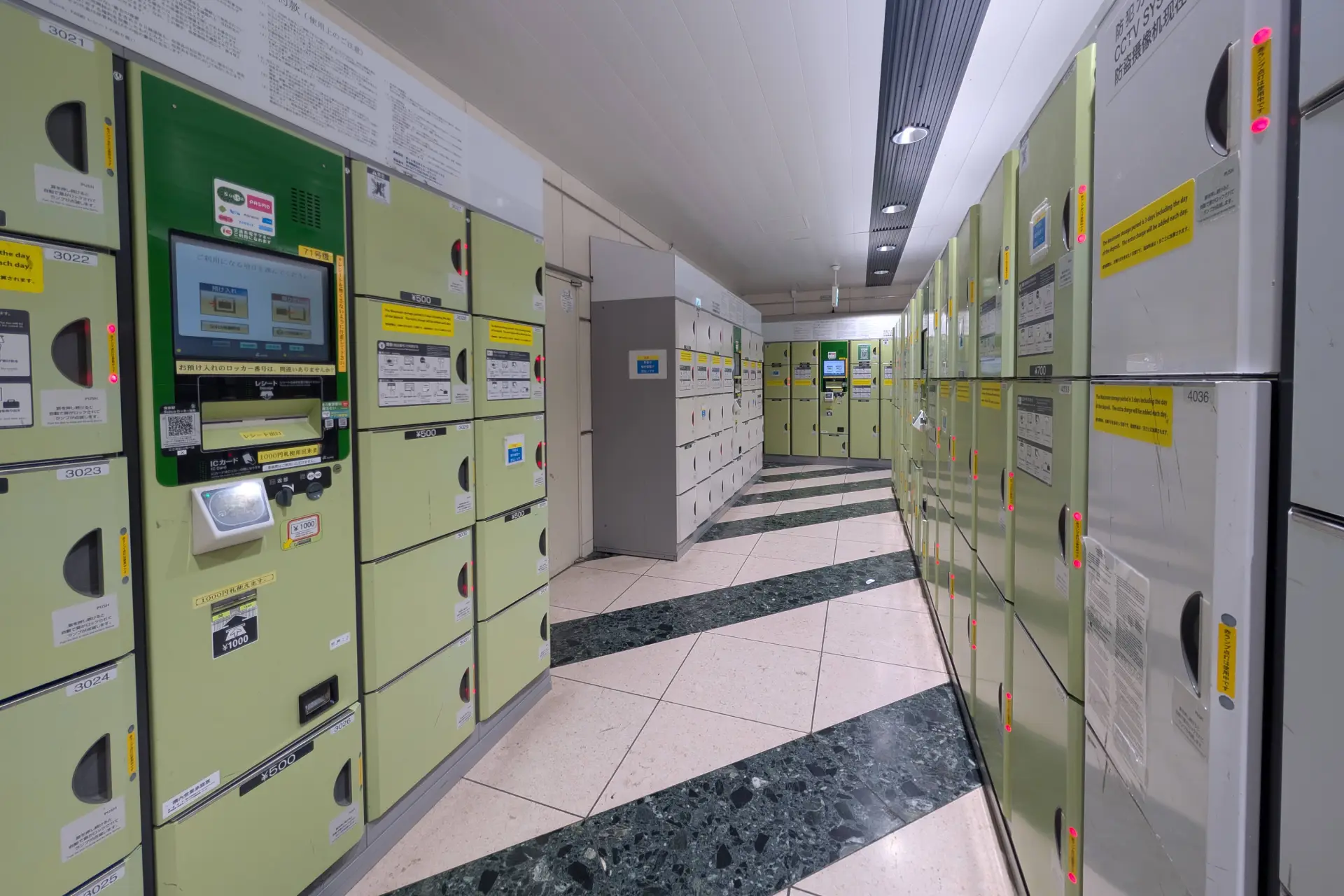
Tokyo Station has more than 100 coin-locker locations.
Popular areas include:
Outside the ticket gates:
Inside the ticket gates:
Popular locker areas can fill up during busy periods. If one area is full, check another part of the station. Some Multi-Ecube lockers also allow you to check availability or reserve a locker in advance.
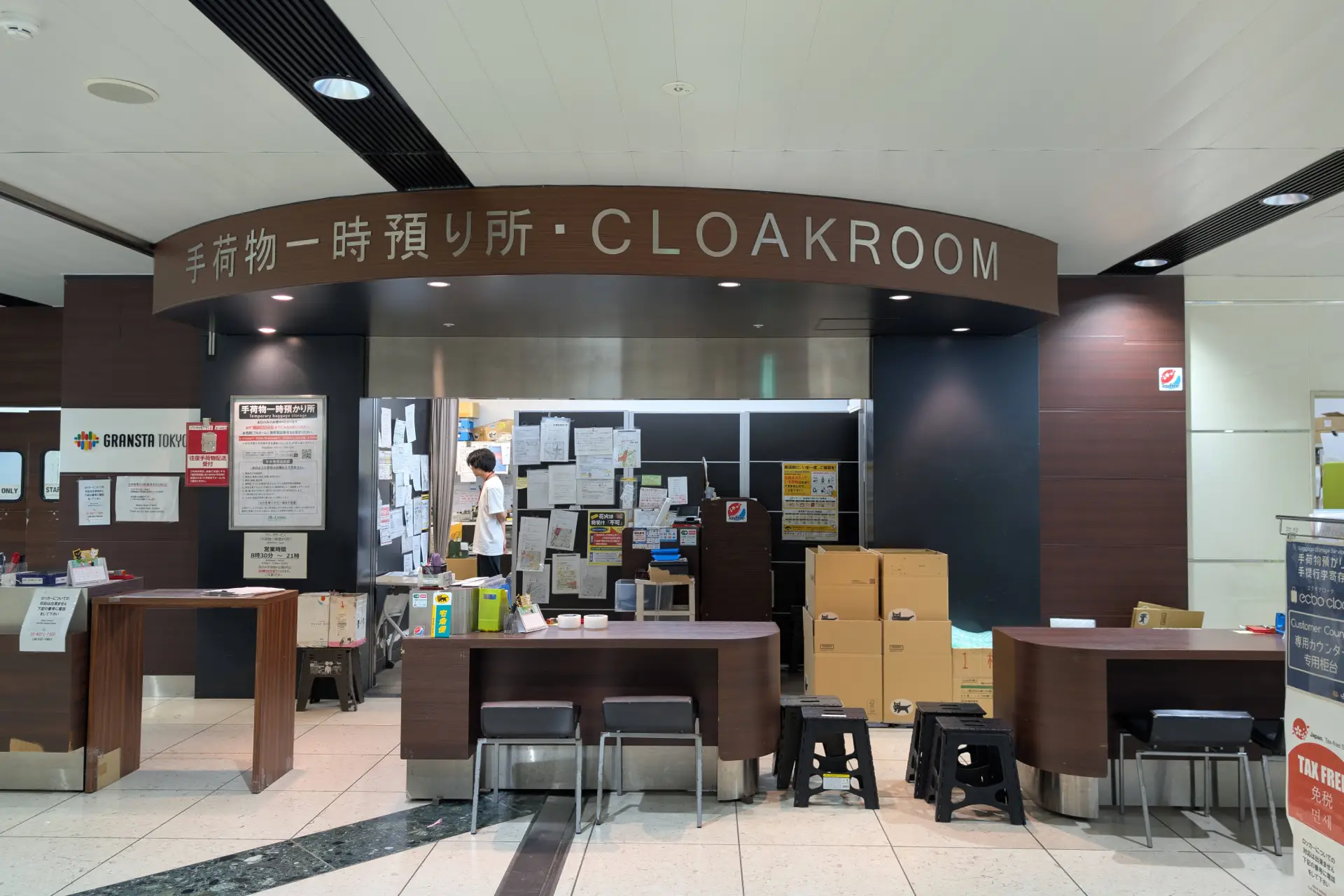
If your suitcase does not fit in a locker, or nearby lockers are full, staffed storage is another option.
Outside the ticket gates:
Inside the ticket gates:
Service conditions vary by location, so check the details before leaving your luggage.
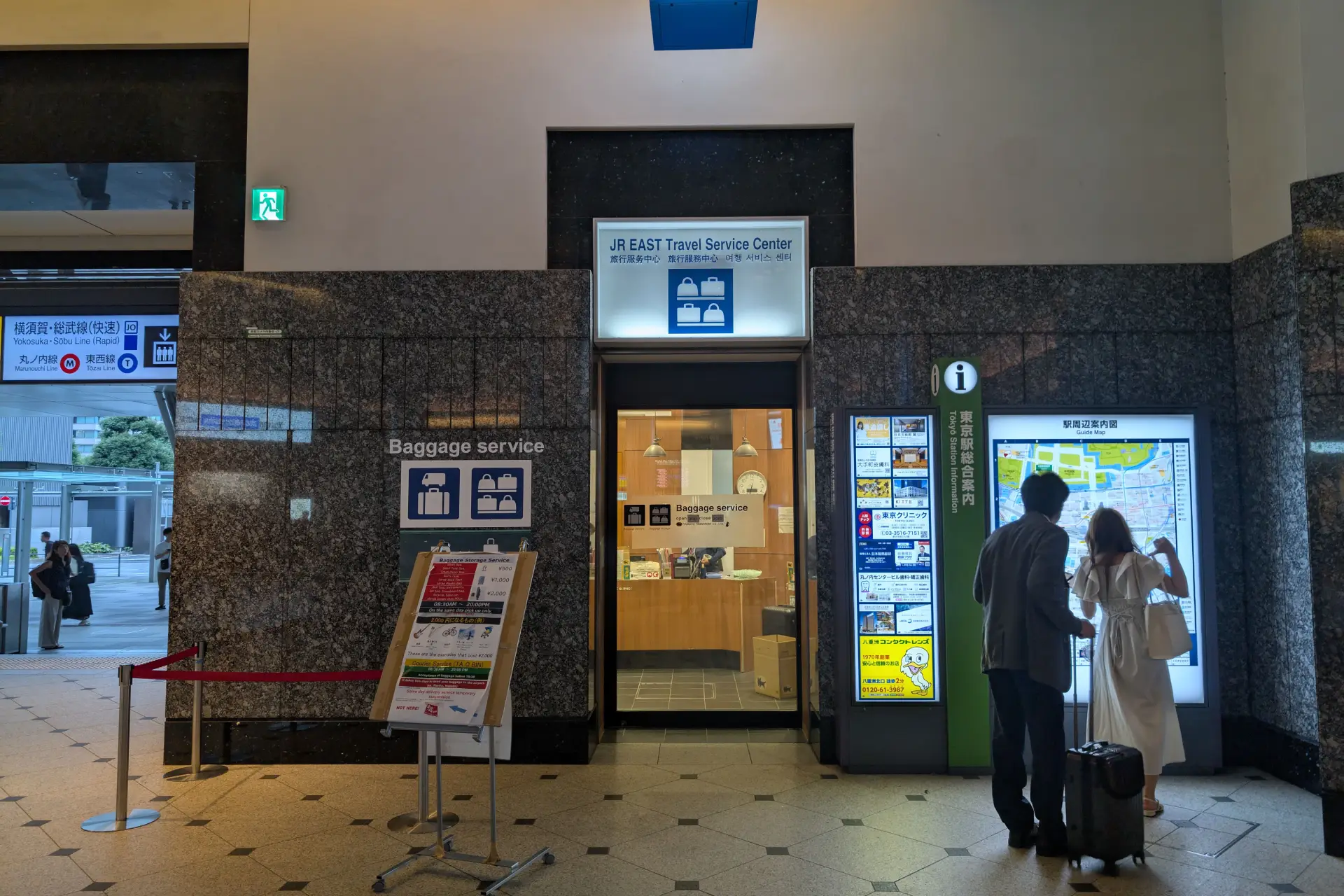
If you need help with JR tickets or travel information, the JR EAST Travel Service Center is just outside the Marunouchi North Exit on 1F. It provides ticket and pass services, tourist information, temporary luggage storage, currency exchange, and access to a prayer room.
Free Wi-Fi is available in supported areas of Tokyo Station. Look for JR-EAST_FREE_Wi-Fi if you need temporary internet access.
For internet access throughout your trip, you can also use:
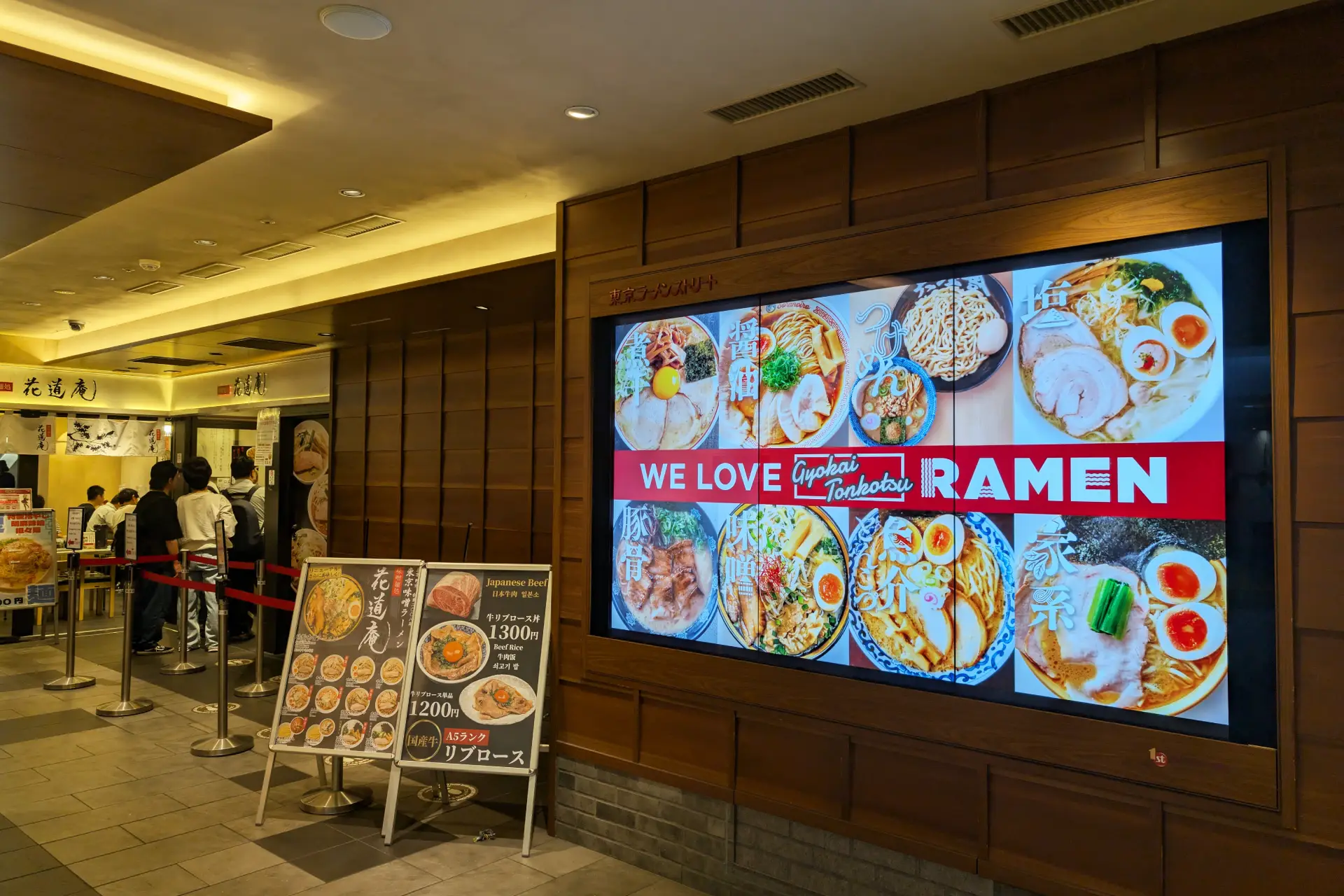
Tokyo Station has many food and shopping areas both inside and outside the ticket gates.
Place | Location / Ticket Gates | Useful For |
Ekibenya Matsuri | 1F Central Passage / Inside | More than 150 types of ekiben from across Japan; useful for buying a meal before your train. |
GRANSTA TOKYO | B1F–1F / Inside and outside | Bento, sweets, souvenirs, restaurants, and cafés throughout a large part of the station. |
Tokyo Character Street | B1F, Yaesu side / Outside | Character goods and souvenirs from a wide range of official shops. |
Tokyo Ramen Street | B1F, Yaesu side / Outside | Ten ramen shops offering several different styles of ramen. |
Daimaru Tokyo | Yaesu North side / Outside | Food and sweets on B1F and 1F, useful for bento and souvenir shopping. |
Tokyo Station may feel complex at first, but knowing the Marunouchi and Yaesu sides, the main exits, and where your train departs from makes it much easier to navigate. Once you know where to go, you can focus on your Shinkansen journey.
From Tokyo Station, the Shinkansen connects you with destinations across Japan, from Kyoto, Osaka, and Hiroshima to Kanazawa and destinations across northern Japan. Once your ticket is ready and you know your platform, you are ready to start your trip.
If you are taking the Shinkansen from Tokyo Station, you can book your ticket online with Japan Bullet Train before you travel. It is an online Shinkansen ticket booking service designed for international travelers visiting Japan. Its multilingual website and Japan-based customer support team can assist travelers in English, Chinese, Korean, and other languages.