


Customer Support

Tokyo has three Shinkansen stations, and choosing the wrong one can cause confusion or delay. This guide explains which station is right for you based on your destination, your hotel area, and your arrival airport.
Tokyo Station is the safest default for most travelers. Use Shinagawa Station for Kyoto, Osaka (Shin-Osaka), Hiroshima, and Fukuoka (Hakata), and Ueno Station for Sendai, Niigata, Kanazawa, Nagano, or northern Japan.
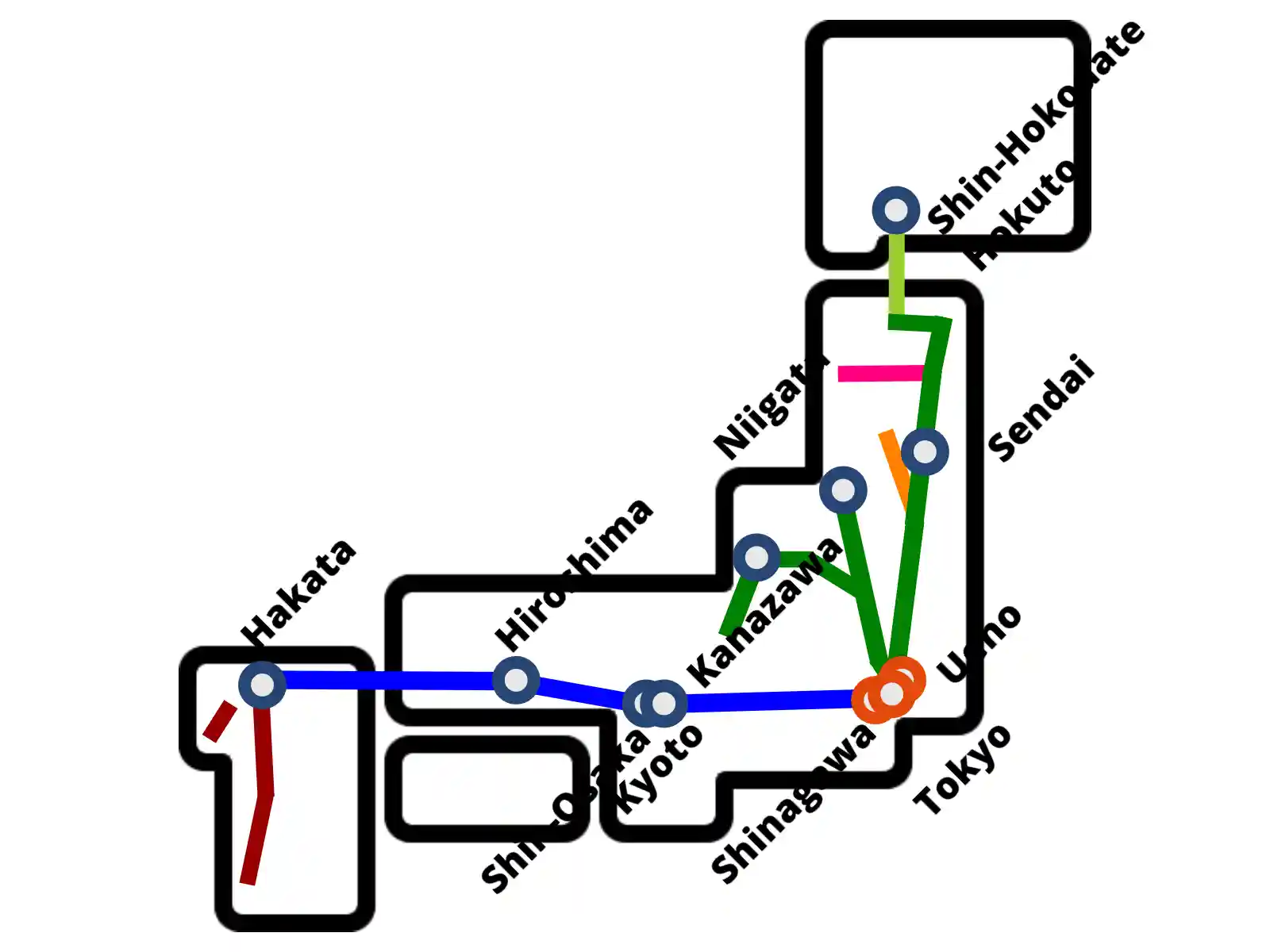
Station | Shinkansen Lines | Best For |
Tokyo Station | Tokaido/Sanyo and JR East Shinkansen services | Most travelers; all directions |
Shinagawa Station | Tokaido and Sanyo lines only | Kyoto, Osaka, Hiroshima, Fukuoka |
Ueno Station | Tohoku/Hokkaido, Joetsu, Hokuriku, Akita and Yamagata lines | Sendai, Kanazawa, Niigata, Northern Japan |
Your destination is the first thing to check. Tokyo Station is usually the safest choice if you are not sure. Shinagawa is for western Japan, such as Kyoto and Osaka. Ueno is useful for northern/eastern Japan, but not for Kyoto or Osaka.
Where You Are Going | Example Destinations | Recommended Station | Avoid |
Western Japan | Nagoya, Kyoto, Osaka, Hiroshima, Fukuoka | Tokyo Station or Shinagawa Station | Ueno Station |
Northern / Eastern Japan | Sendai, Niigata, Nagano, Kanazawa, Hokkaido | Tokyo Station or Ueno Station | Shinagawa Station |
Not every Shinkansen station in Tokyo serves every direction.
If you are uncertain which Shinkansen line serves your destination, always choose Tokyo Station.
Tokyo Station serves the widest range of Shinkansen services in the Tokyo area, including the Tokaido/Sanyo Shinkansen and JR East Shinkansen services such as Tohoku/Hokkaido, Joetsu, Hokuriku, Akita and Yamagata, so you will be more likely to start from the right station.
Once you know your destination, you can pick the most convenient departure station based on your hotel location.
Where You Are Staying | Usually Convenient Station | Best When |
Ginza, Marunouchi, Nihonbashi, or Central Tokyo | Tokyo Station | You want the widest Shinkansen route options |
Shinjuku, Shibuya, Roppongi, Ebisu, or Shinagawa | Shinagawa Station | You are heading to western Japan, such as Nagoya, Kyoto, Osaka, Hiroshima, or Fukuoka |
Ueno, Asakusa, Akihabara, or East Tokyo | Ueno Station | You are heading to northern/eastern Japan, such as Sendai, Niigata, Nagano, Kanazawa, or Hokkaido |
Hotel location is helpful, but always check your destination first. If you are staying in Roppongi with large luggage, a taxi to Tokyo Station or Shinagawa Station may be easier than subway transfers. If you are staying in Asakusa and heading to Kyoto, Osaka, Hiroshima, or Fukuoka, check routes to Tokyo Station or Shinagawa Station instead of Ueno. Some Toei Asakusa Line trains continue toward Shinagawa via the Keikyu Line.
If you go to the wrong station, don’t worry. All three stations are connected by the JR Yamanote Line.
If you are going straight from the airport, use Tokyo or Shinagawa from Haneda, and Shinagawa or Ueno from Narita, depending on your destination.
To reach Tokyo Station from Haneda, you can take the Keikyu Line to Shinagawa, then transfer to a JR line for Tokyo Station. Another option is to take the Tokyo Monorail to Hamamatsucho and transfer to JR.
Airport JR counters can be crowded after international arrivals. If you plan to take the Shinkansen, booking online in advance with a service such as Japan Bullet Train can save time.
After landing, use an IC card or regular airport train ticket to reach Tokyo, Shinagawa, or Ueno Station. Then exchange your QR code for a paper Shinkansen ticket at a ticket machine or window.
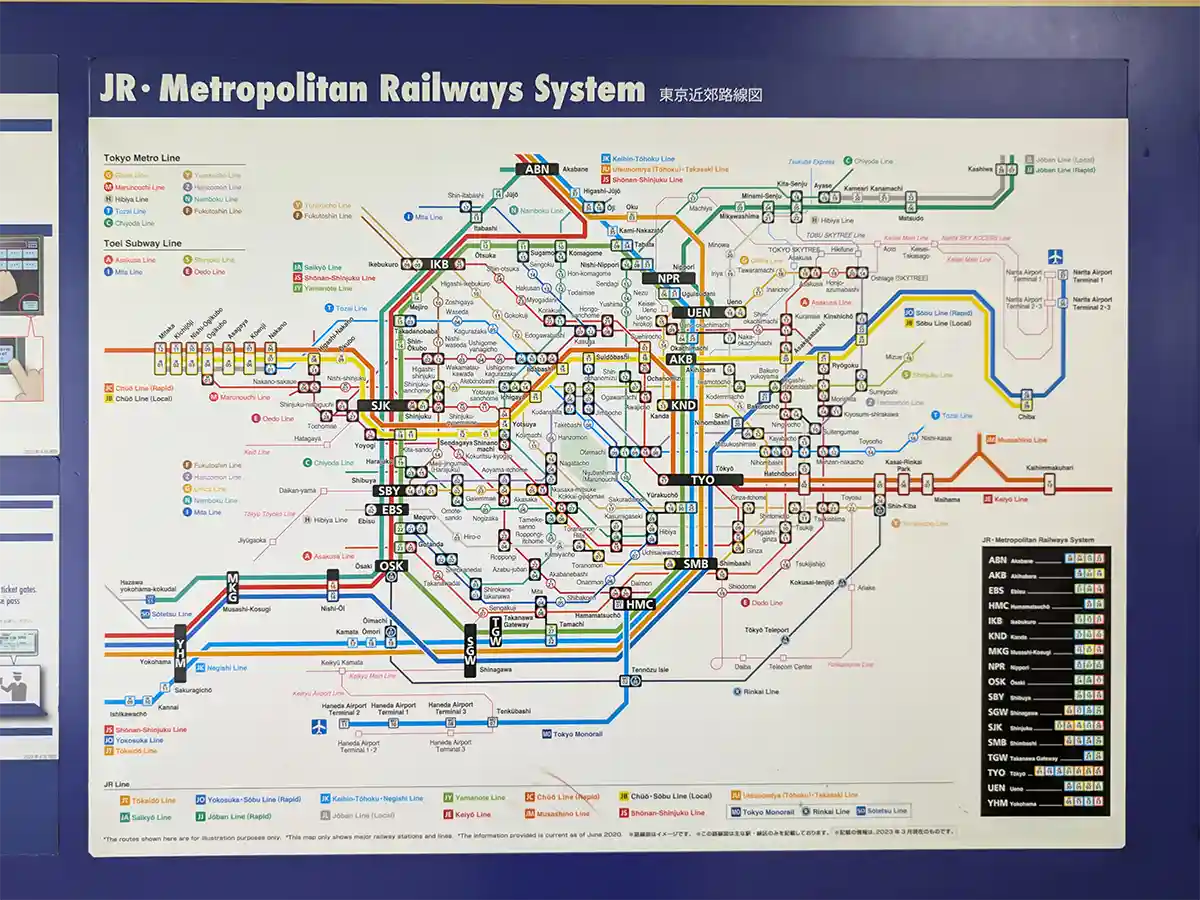
Tokyo Station | Shinagawa Station | Ueno Station | |
Major Destinations | Most major Shinkansen destinations | Kyoto, Osaka, Nagoya, Hiroshima, Fukuoka | Kanazawa, Nagano, Niigata, Sendai, Hokkaido |
Convenient Hotel Areas | Ginza, Marunouchi, Nihonbashi, Roppongi | Shinjuku, Shibuya, Harajuku, Shinagawa | Asakusa, Ueno, Akihabara |
Best airport link | Narita: Narita Express (N'EX) Haneda: Tokyo Monorail or Keikyu Line | Haneda: Keikyu Line | Narita: Keisei Skyliner |
Best for | Most travelers; widest route options | Western Japan; Haneda arrivals | Northern/eastern Japan; Narita arrivals |
Tokyo Station is the safest choice if you are not sure which Shinkansen station to use. It serves the widest range of Shinkansen services in the Tokyo area, including routes to western Japan and northern/eastern Japan.
However, Tokyo Station is very large and can be confusing for first-time visitors. Allow extra time to collect your ticket, find the Shinkansen gates, and reach your platform.
For more details on using the station, see our Tokyo Station guide, and use our Shinkansen boarding guide for a step-by-step explanation of the boarding process.
Shinagawa Station is a practical choice for travelers heading to western Japan, such as Nagoya, Kyoto, Osaka, Hiroshima, or Fukuoka. It is also very convenient if you are arriving from Haneda Airport by the Keikyu Line.
Shinagawa is generally easier to navigate than Tokyo Station, but it does not serve JR East Shinkansen routes to northern or eastern Japan. Do not use Shinagawa for destinations such as Sendai, Niigata, Nagano, Kanazawa, or Hokkaido.
If you choose Shinagawa Station, our Shinagawa Station guide covers the station in more detail, while our Shinkansen boarding guide explains what to do when you are ready to board.
Ueno Station is useful if you are staying in east Tokyo, such as Ueno, Asakusa, or Akihabara, or arriving from Narita Airport via the Keisei Skyliner. It serves JR East Shinkansen routes to northern and eastern Japan.
However, Ueno does not serve the Tokaido/Sanyo Shinkansen. Do not use Ueno for Kyoto, Osaka, Hiroshima, or Fukuoka. If you arrive at Keisei Ueno Station, remember that you need to walk to JR Ueno Station for the Shinkansen.
Our Ueno Station guide explains the station in more detail, and our Shinkansen boarding guide shows you how to board once you arrive.
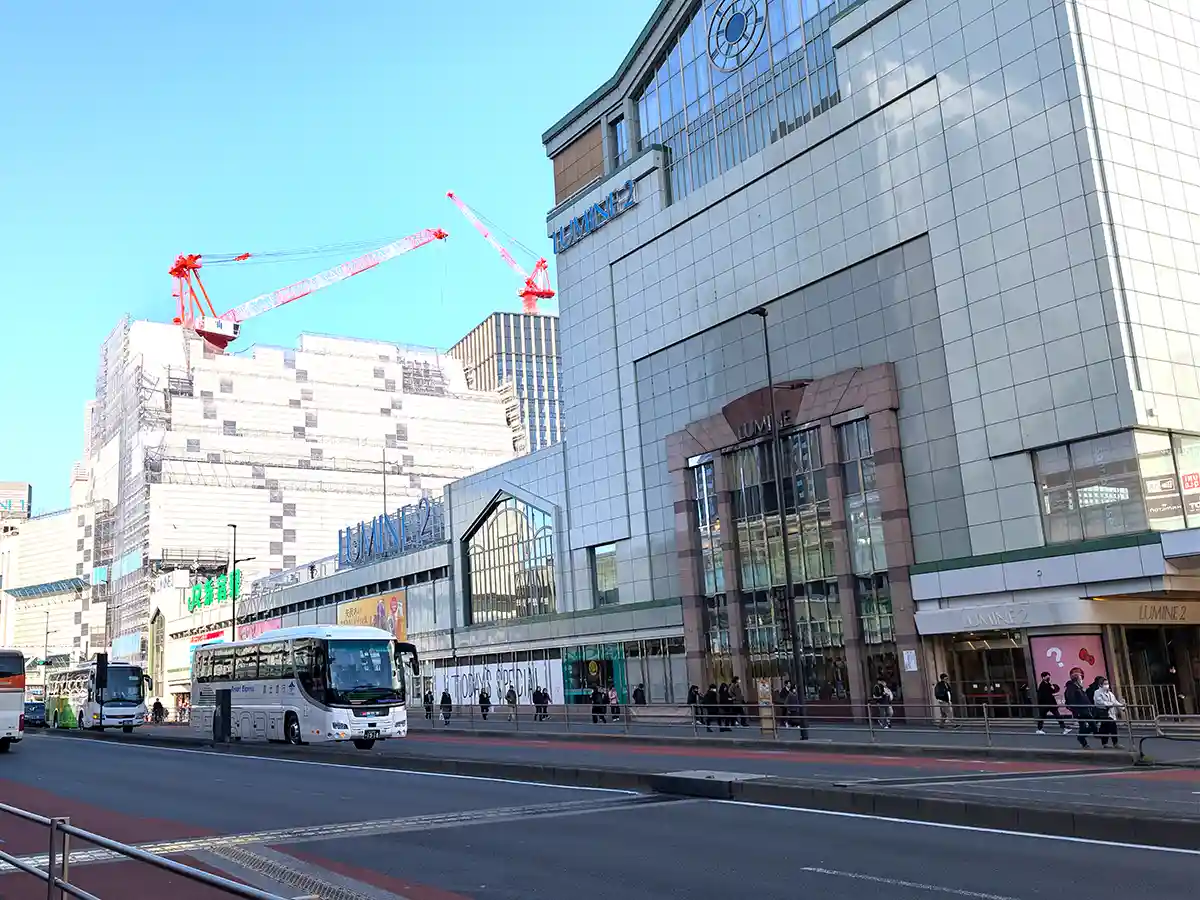
Shinjuku, Shibuya, Ikebukuro, and Asakusa do not have Shinkansen platforms.
These are major Tokyo stations, but Shinkansen trains do not stop there. If your hotel is near one of these stations, travel to Tokyo Station, Shinagawa Station, or Ueno Station to board the Shinkansen.
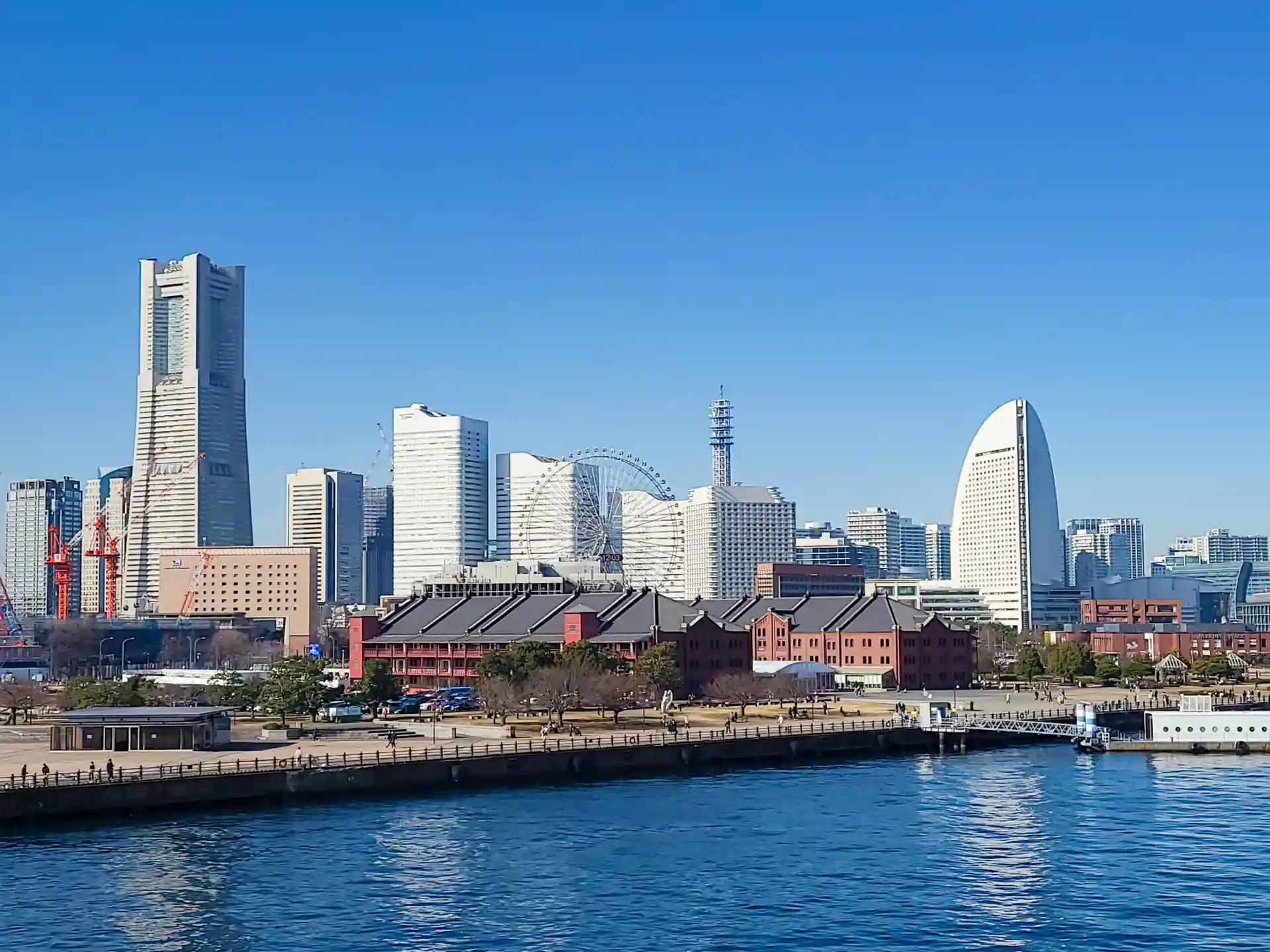
Shin-Yokohama is the next Tokaido Shinkansen stop after Shinagawa when traveling west. It is not in Tokyo, but it can be useful if you are staying in Yokohama or western Kanagawa. All Tokaido Shinkansen services, including Nozomi, stop there.
Omiya can be useful for northern Tokyo and Saitama. If you are staying near Ikebukuro and heading to Sendai, Nagano, Kanazawa, or Niigata, it may help you avoid Tokyo Station crowds. However, Omiya does not serve Kyoto or Osaka.
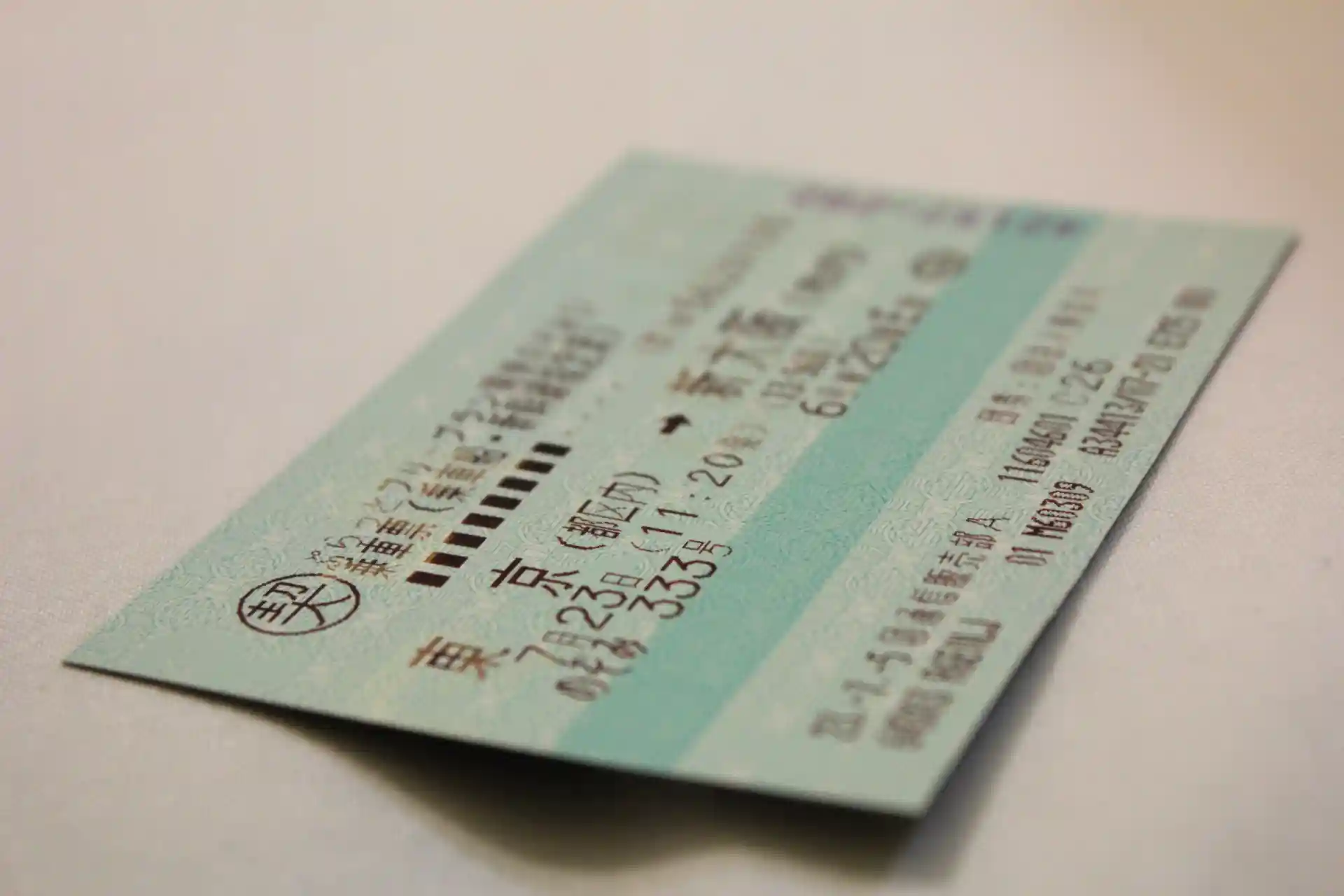
Once you know which station to use, you can book your Shinkansen ticket online in advance. Booking ahead helps you avoid last-minute stress and reduces the need to buy tickets at a crowded station counter.
With Japan Bullet Train, you can book your Shinkansen ticket easily online. The booking page is designed for international travelers and supports multiple languages. If you have questions, you can contact Japan-based customer support in languages such as English, Chinese, and Korean.
Tokyo Station, Shinagawa Station, and Ueno Station are large stations and can be confusing on a first visit. Allow extra time to find the Shinkansen gates and reach your platform before departure.
Tokyo Station and Shinagawa Station both serve the Tokaido Shinkansen to Kyoto.
Both Tokyo Station and Shinagawa Station have Tokaido Shinkansen service to Shin-Osaka.
No. Ueno Station does not serve the Tokaido Shinkansen. You must use Tokyo Station or Shinagawa Station.
Shinagawa Station is the most convenient. The Keikyu Line runs directly from Haneda Airport to Shinagawa. The trip takes about 11 minutes from Terminal 3 and about 14 minutes from Terminals 1 and 2.
It depends on your destination. The Narita Express (N’EX) goes to Tokyo Station. The Keisei Skyliner connects Narita to Ueno Station.
Often, yes — especially if you are taking the Tokaido-Sanyo Shinkansen or coming from Haneda Airport.
No. Shinjuku Station does not have Shinkansen service. You can take the Yamanote Line from Shinjuku to Tokyo Station or Shinagawa Station to board the Shinkansen.
Choosing the right Shinkansen station in Tokyo depends on your destination, hotel area, and arrival airport. Before booking, make sure your departure station matches the Shinkansen route you need.
Once you have chosen your departure station, use Japan Bullet Train to book your Shinkansen ticket online and prepare for a smoother departure from Tokyo.