
Kanazawa Station: Shinkansen Tickets, Map, Restaurants & Access from Tokyo Station
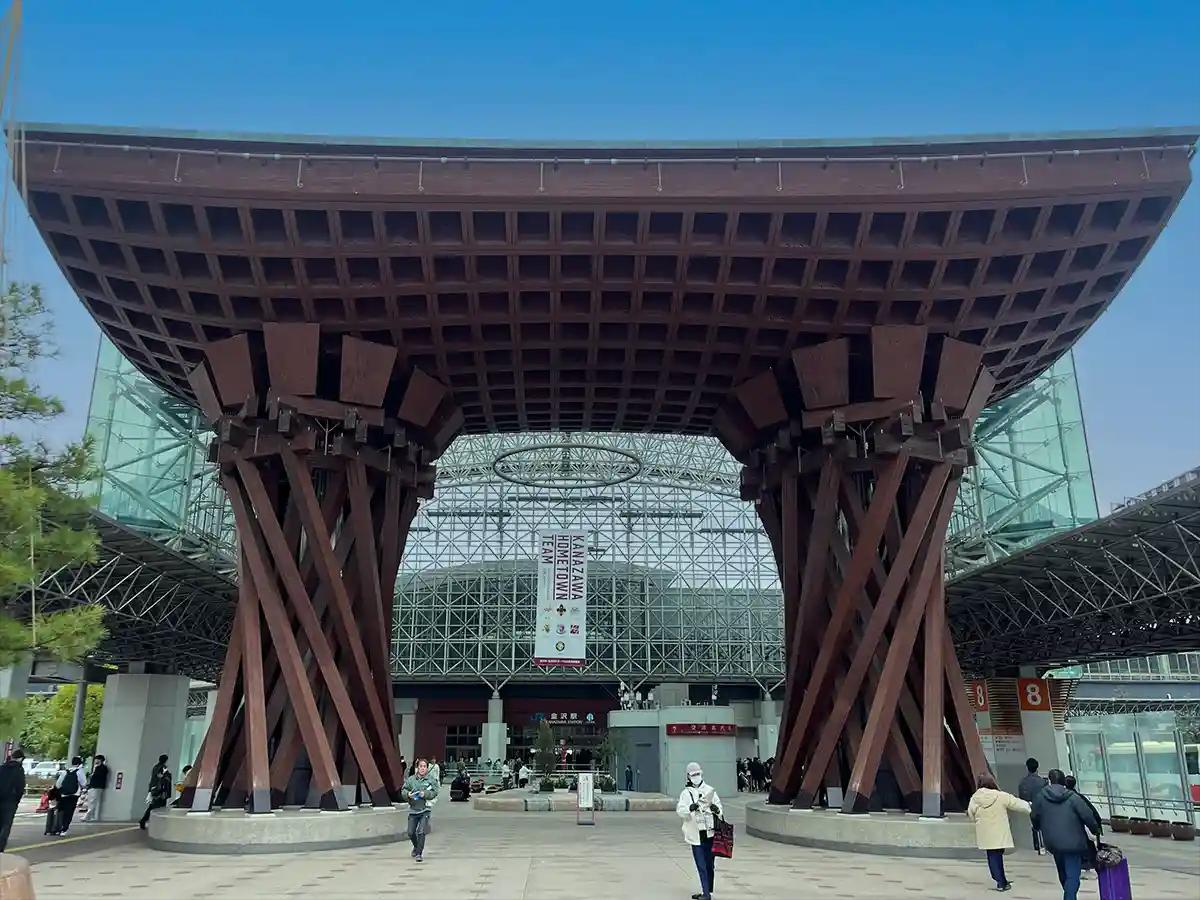
Kanazawa Station is both the city’s main gateway and a striking landmark. Its entrance blends traditional Japanese design with modern glass and wood.
The Hokuriku Shinkansen connects Tokyo and Kanazawa in just over two hours.
This guide explains ticket options, station layout, facilities, and local transport to help you move through the station smoothly.
Kanazawa Station Overview
Key Facts and Location
Kanazawa Station is the main railway hub of Ishikawa Prefecture and a key stop on the Hokuriku Shinkansen between Tokyo and Tsuruga. Located in central Kanazawa, it offers easy access to major attractions.
The wooden Tsuzumi-mon Gate and the glass Motenashi Dome represent the city’s traditional craftsmanship and hospitality.
Lines and Services Available
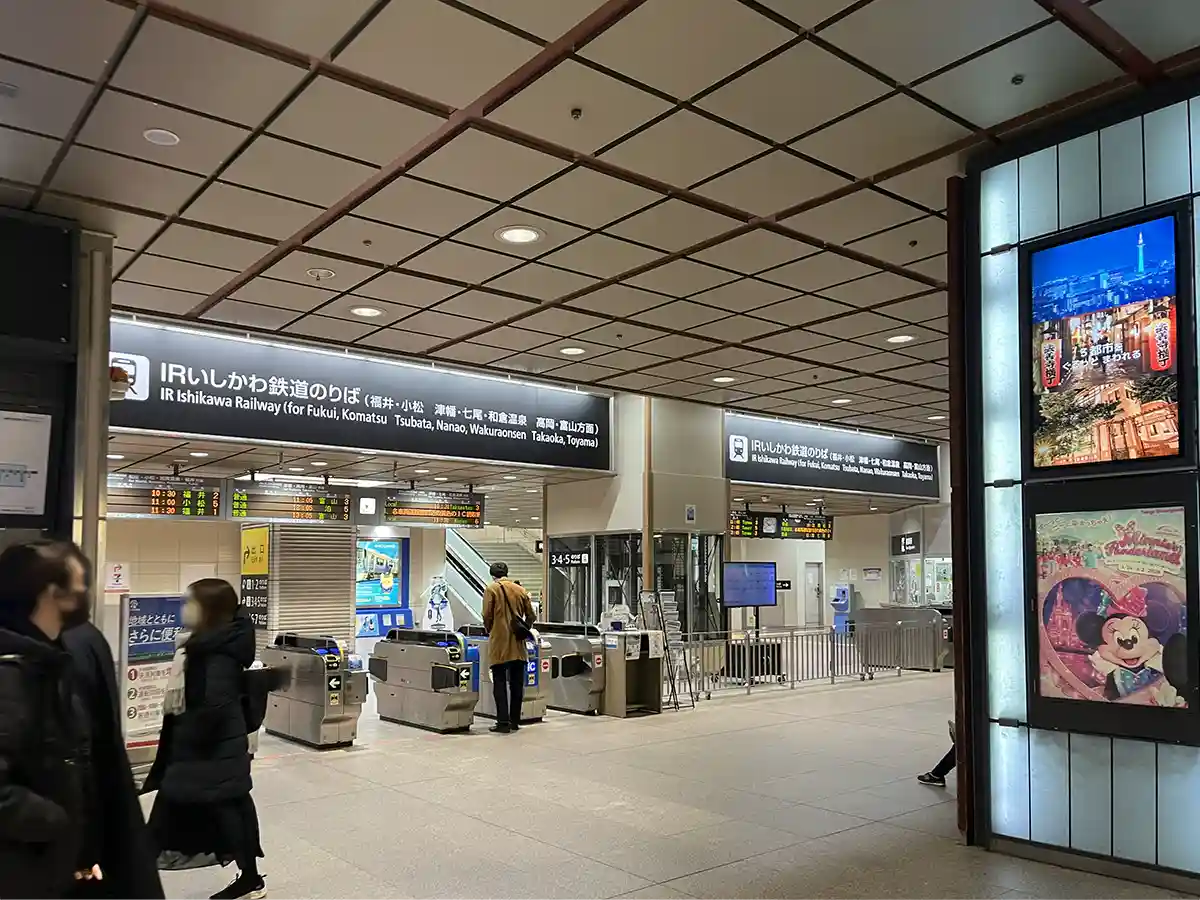
Kanazawa Station serves multiple railway lines for regional and long-distance travel:
- Hokuriku Shinkansen: High-speed service connecting Tokyo, Nagano, Toyama, Kanazawa, and Tsuruga
- JR Nanao Line: Local service toward the Noto Peninsula
- IR Ishikawa Railway: Regional line connecting Kanazawa with Fukui and other local stations
The station also connects to local bus networks. This makes transfers between train and bus simple and efficient.
Shinkansen Access to Kanazawa
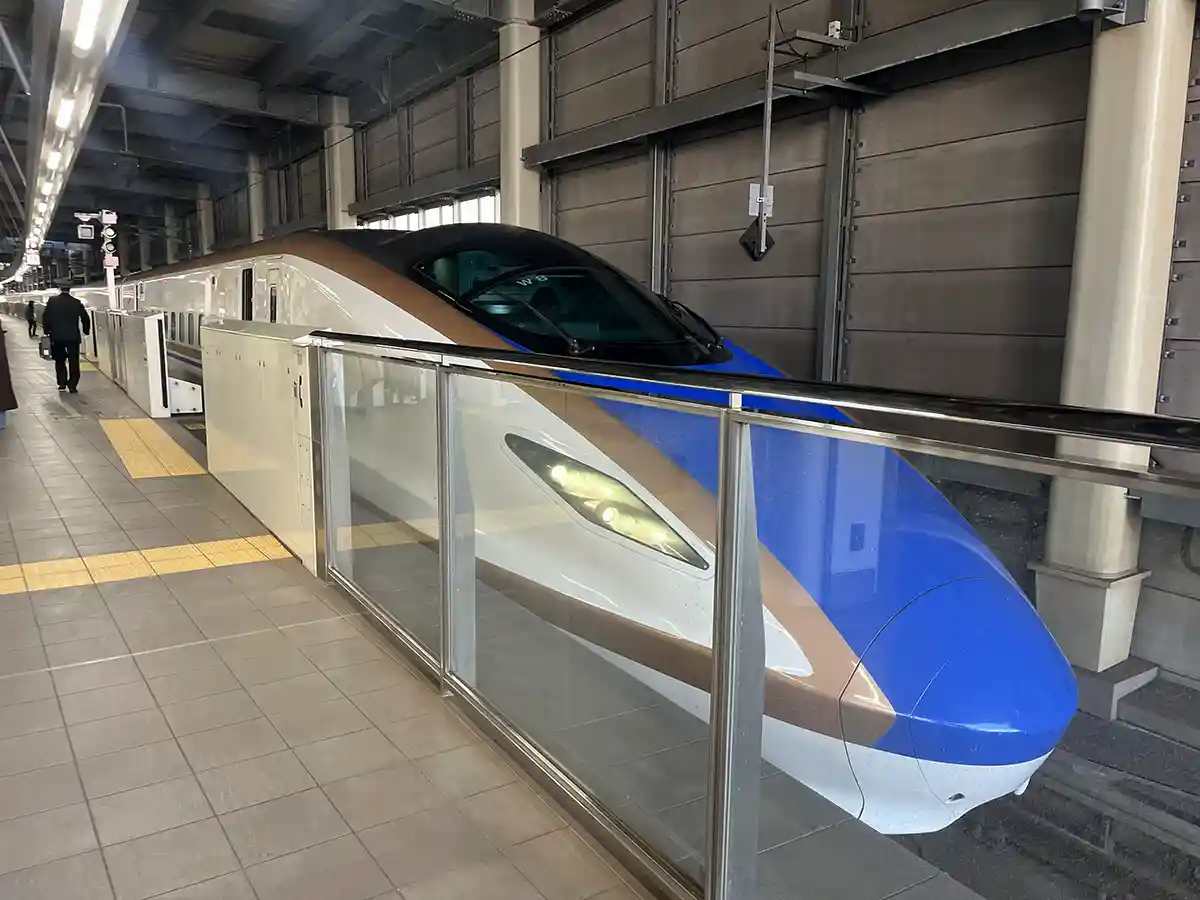
Hokuriku Shinkansen Route and Travel Times
The Hokuriku Shinkansen offers three main services to Kanazawa. Each service has different speeds and stops:
- Kagayaki (Fastest): Best for direct travel. All cars are reserved-seat only, so you cannot use a non-reserved ticket.
- Hakutaka (Regular): Ideal if you prefer flexibility. Offers both reserved and non-reserved cars.
- Tsurugi (Regional): A short-distance service mainly operating between Kanazawa and Tsuruga. Some trains also run between Toyama and Kanazawa. Check the latest timetable if you plan to travel beyond these stations.
Hokuriku Shinkansen from Tokyo to Kanazawa
Travel time between Tokyo and Kanazawa is about 2 hours 30 minutes on the fastest Kagayaki services and up to around 3 hours on Hakutaka trains.
Kagayaki trains generally depart about once per hour, with Hakutaka services offering additional departures throughout the day.
Check the latest timetable before travel, as departure times may vary depending on the day and season.
Shinkansen Tickets at Kanazawa Station
Ticket Office and Machines
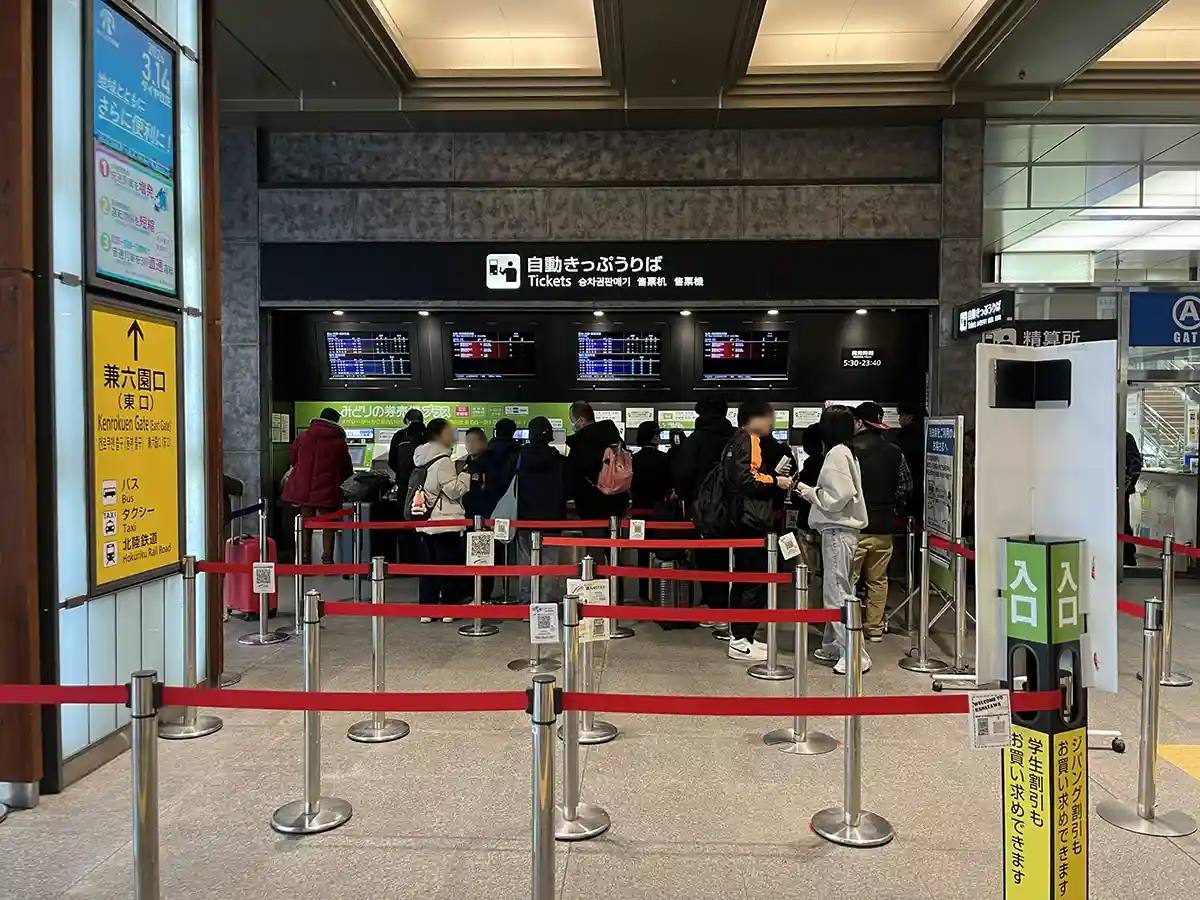
Kanazawa Station has multiple ticket options for Shinkansen travelers. You can pick up or buy tickets at the JR Ticket Office or ticket machines located on the 1st floor near the Shinkansen gates.
During peak hours, the main ticket office can be crowded. Using the ticket machines is often the fastest way to handle your reservation.
Online Booking via Japan Bullet Train
Booking Shinkansen tickets online helps you avoid long lines at the station, especially on busy travel days.
Japan Bullet Train is operated by a company based in Japan and provides multilingual customer support by phone and online. This makes the reservation process easier for international travelers.
Using JR Pass and Hokuriku Arch Pass
The JR Pass covers Hokuriku Shinkansen services between Tokyo and Kanazawa. Passholders can use both Kagayaki and Hakutaka trains without additional fees.
The Hokuriku Arch Pass is a regional pass covering reserved seats between Tokyo and Kanazawa (and beyond) for foreign visitors, though there are usage conditions. Check pass eligibility before your trip.
Station Layout, Exits and Map at Kanazawa Station
East (Kenrokuen) Exit
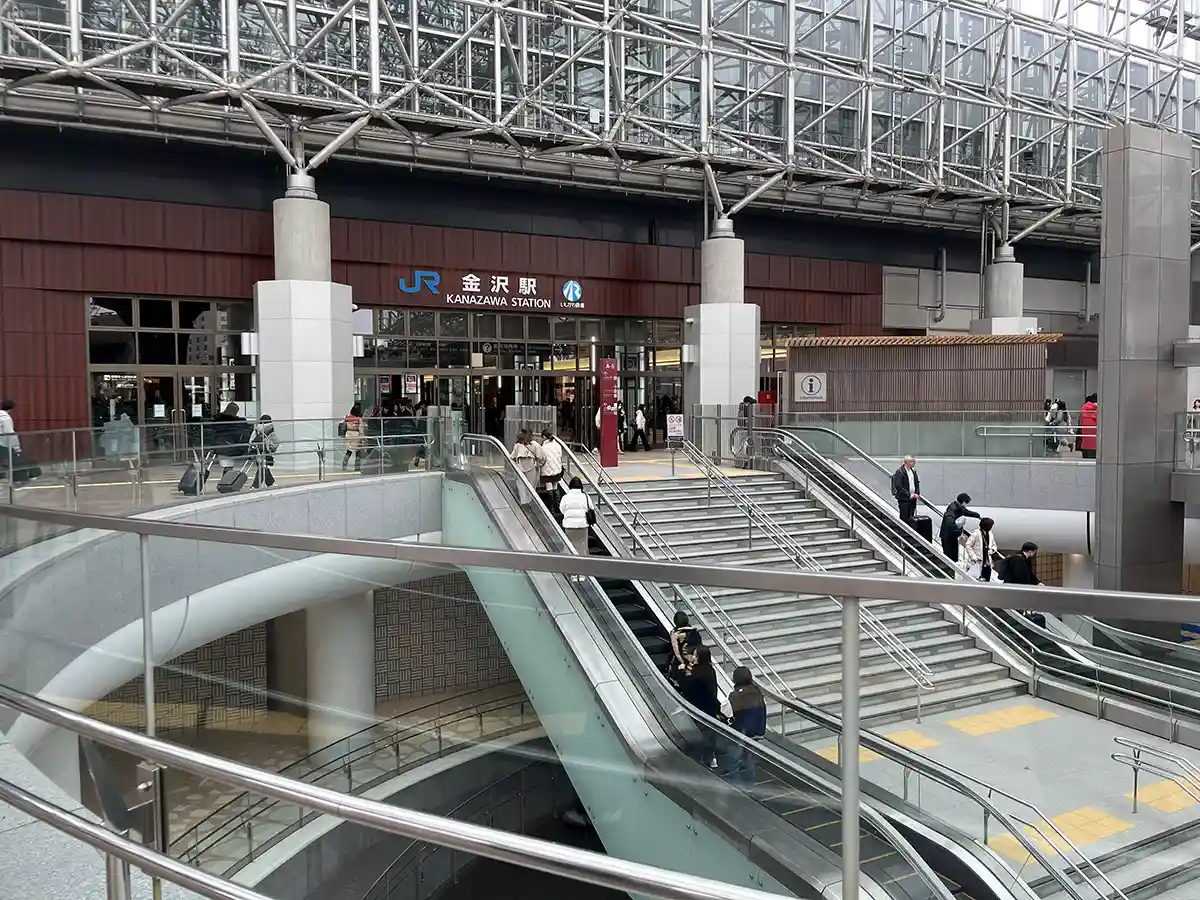
The East Exit faces Kenrokuen Garden and the city's main attractions.
The famous Tsuzumi-mon Gate stands at this entrance, inspired by traditional Japanese hand drums. The Motenashi Dome covers the plaza like a glass umbrella, symbolizing hospitality. This design reflects Kanazawa's frequent rain and snow.
Most travelers heading to Kenrokuen, Higashi Chaya District, or downtown use this exit.
West (Kanazawa Port) Exit
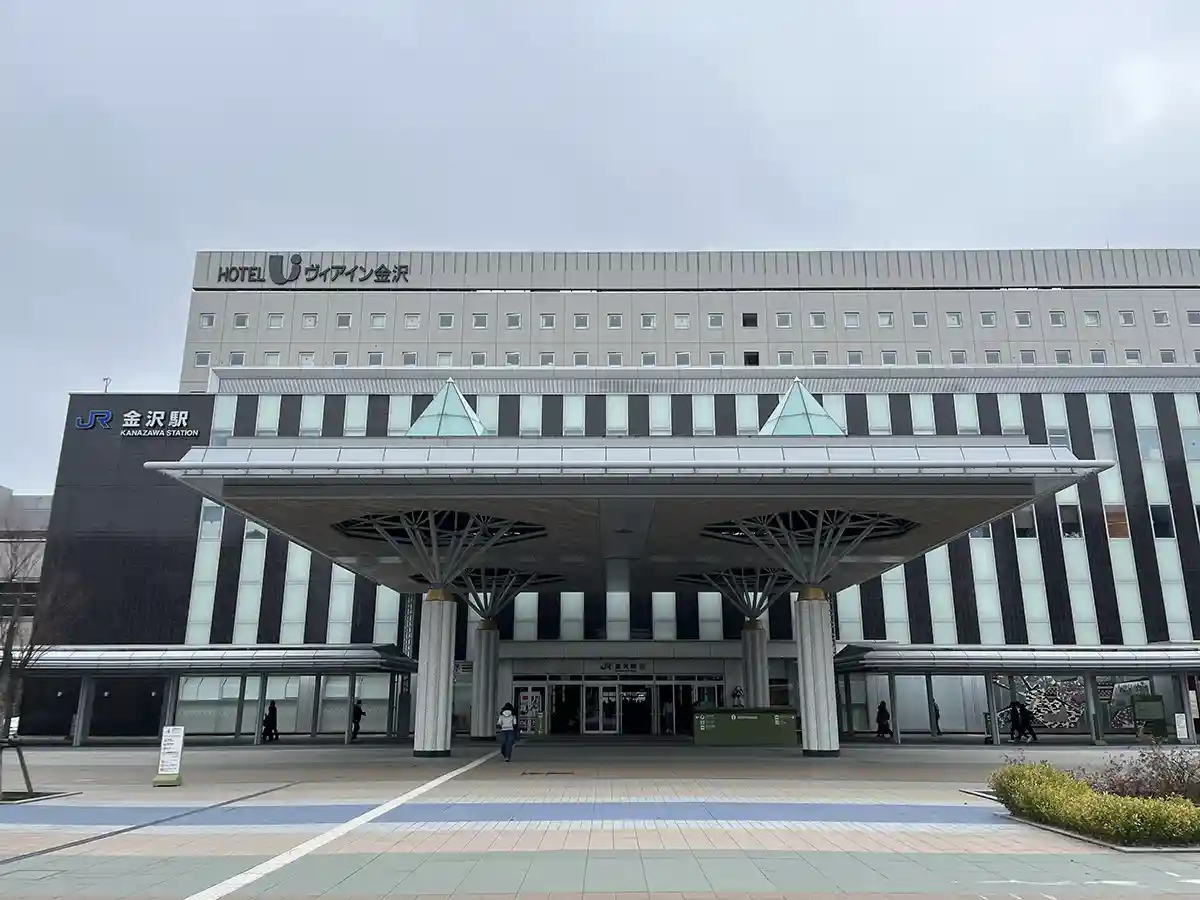
The West Exit leads toward the port area and business district. Many hotels are located within walking distance of this exit. Taxi stands and car rental services are also available here.
This exit is quieter than the East side and useful for travelers with heavy luggage. Parking facilities are accessible from this side for visitors arriving by car.
Shinkansen Platform Layout
Ticket Gates
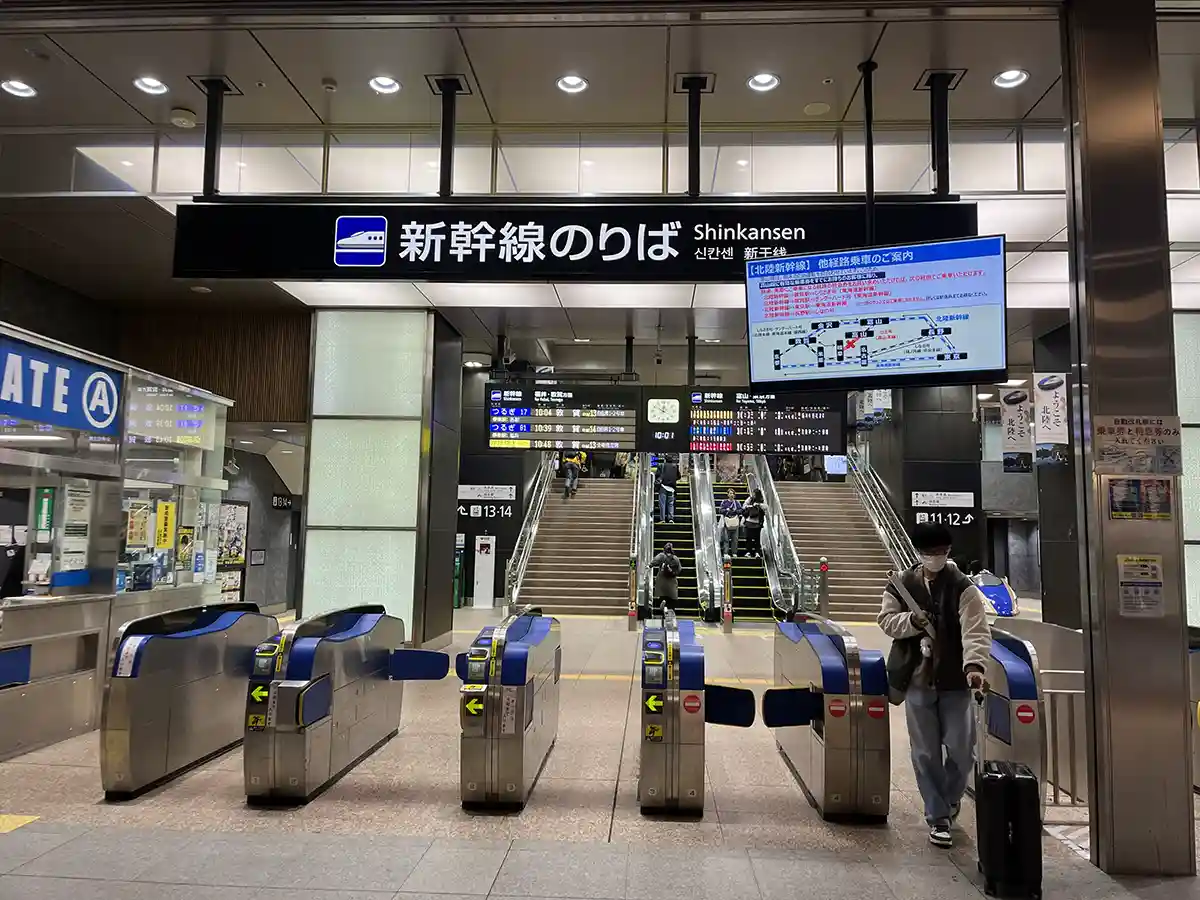
Kanazawa Station has two Shinkansen ticket gates.
- Entering from the City: Go to the "Shinkansen” gates on the 1st floor (near the East/Kenrokuen Exit).
- Transferring from Local Trains: Use the dedicated internal transfer gates located between the local platforms and Shinkansen platforms. Do not exit the station if you already have your Shinkansen ticket.
Platforms
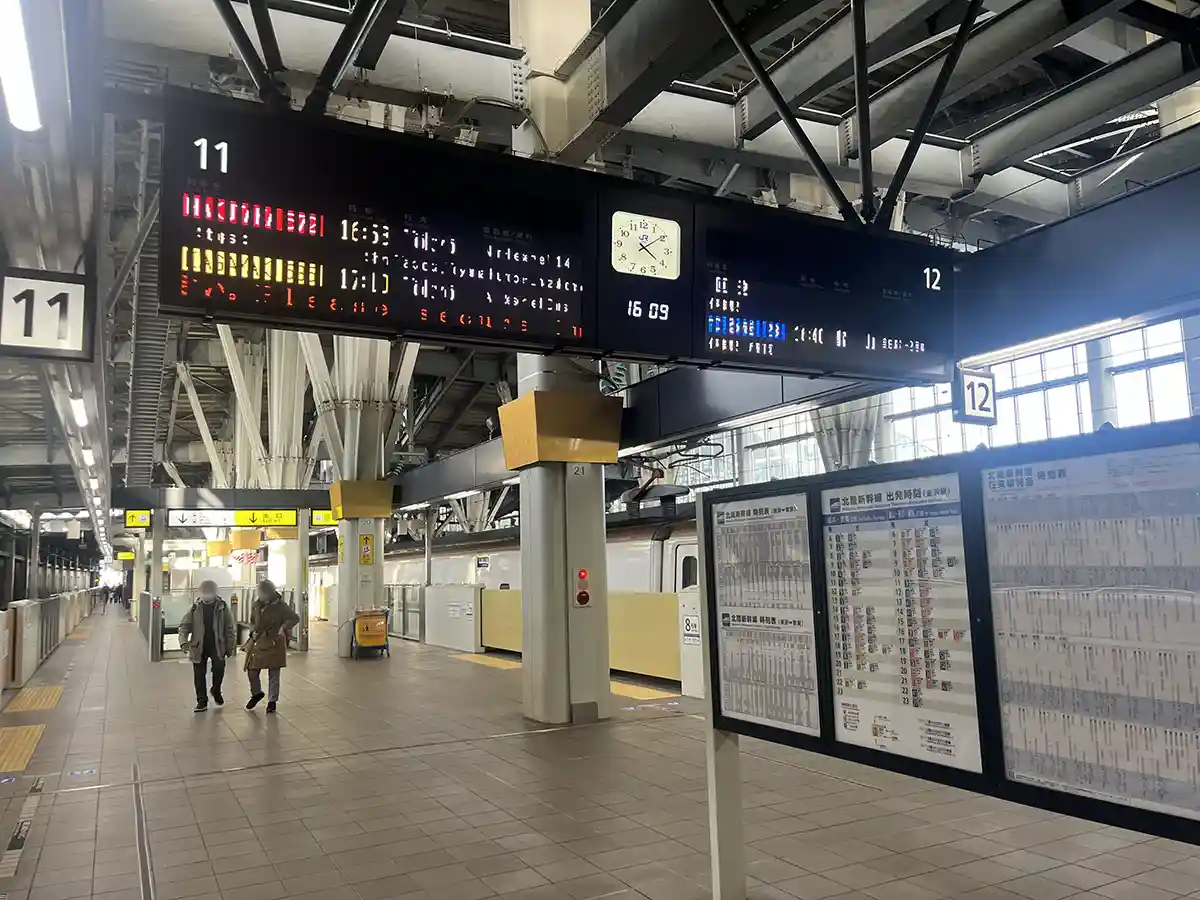
Platforms 11 to 14 serve all Hokuriku Shinkansen trains. These platforms handle trains heading toward Fukui and Tsuruga, as well as trains toward Toyama and Tokyo.
See our step-by-step guide for more details on boarding the Shinkansen at this station.
Facilities at Kanazawa Station
Coin Lockers and Baggage Services
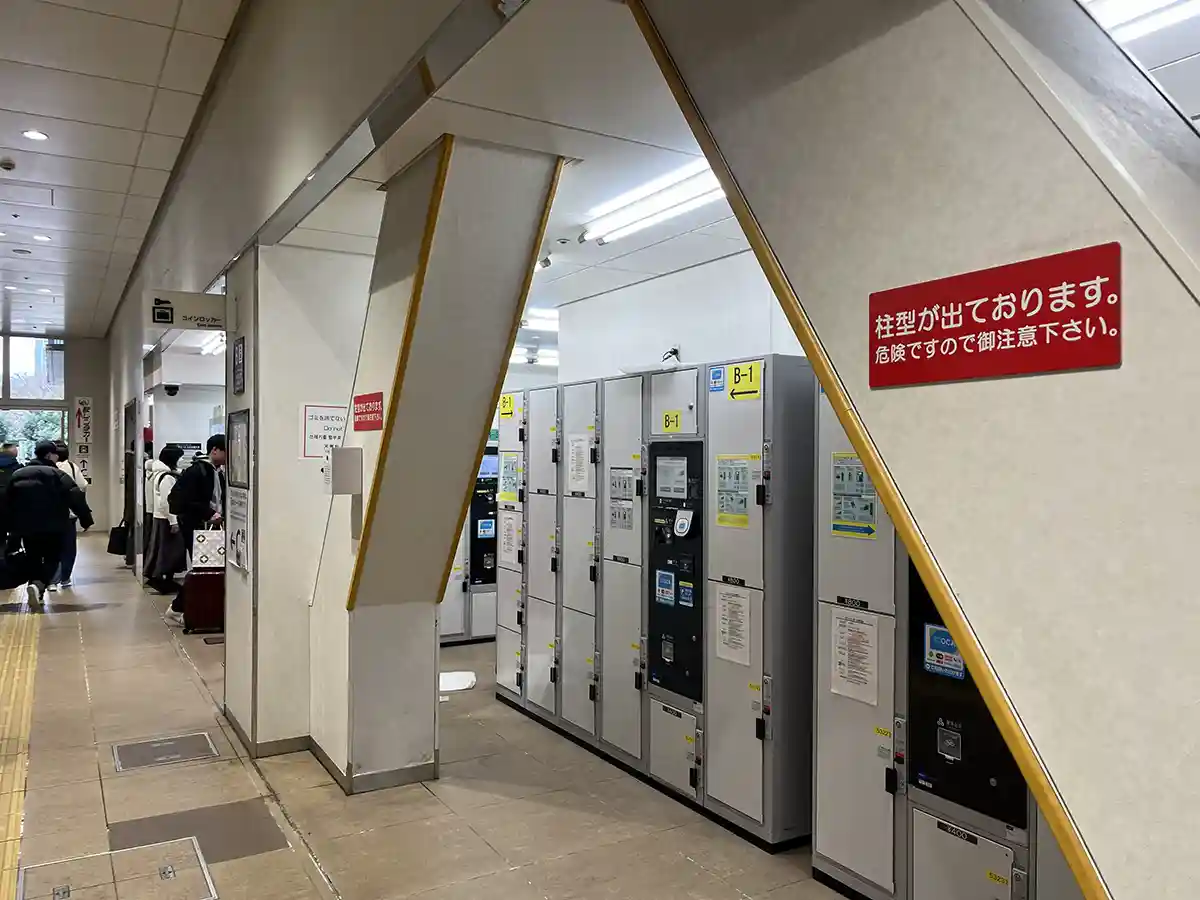
Kanazawa Station provides several coin lockers throughout the station, making it easy to store your luggage while you explore the city. Lockers are available near both exits and inside connected shopping areas. Here’s where you can find them:
- Near the East Exit (Kenrokuen side): Several lockers are located inside the “Anto” shopping area near the East Exit. You’ll find them next to the Luggage Storage Counter and Yamato Transport (Takkyubin) service.
- Near the West Exit (Port side): Lockers are available just outside the West Exit, near the taxi stands and bus stops.
- South Passage (between East and West sides): A set of lockers is installed along the corridor connecting both exits, close to the bicycle parking area.
- Inside Rinto (next to JR Ticket Office): Located inside Rinto, a shopping area connected to the central concourse. The lockers are next to the Nippon Travel Agency counter.
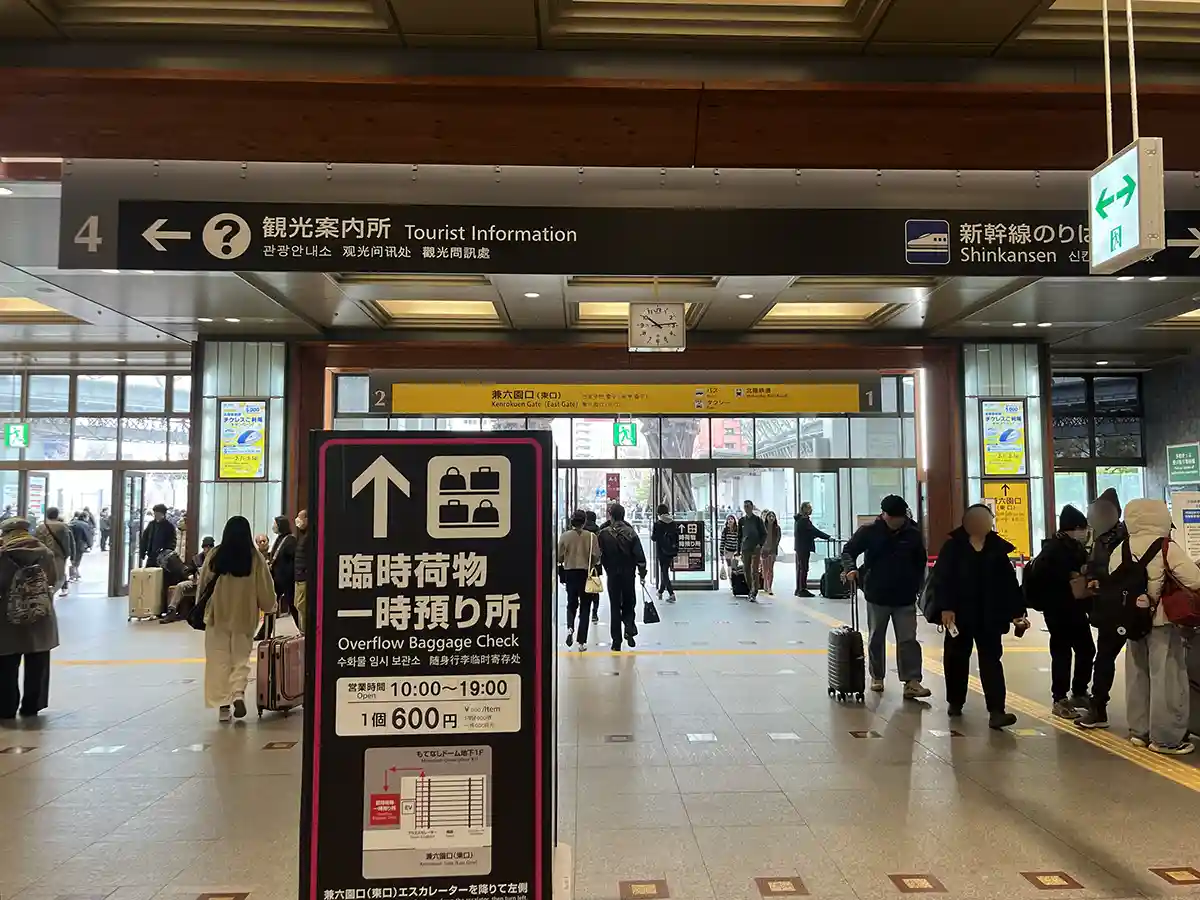
During busy travel seasons, temporary luggate storage counters may be set up inside the station when lockers are full.
Restaurants
Local Food Specialties
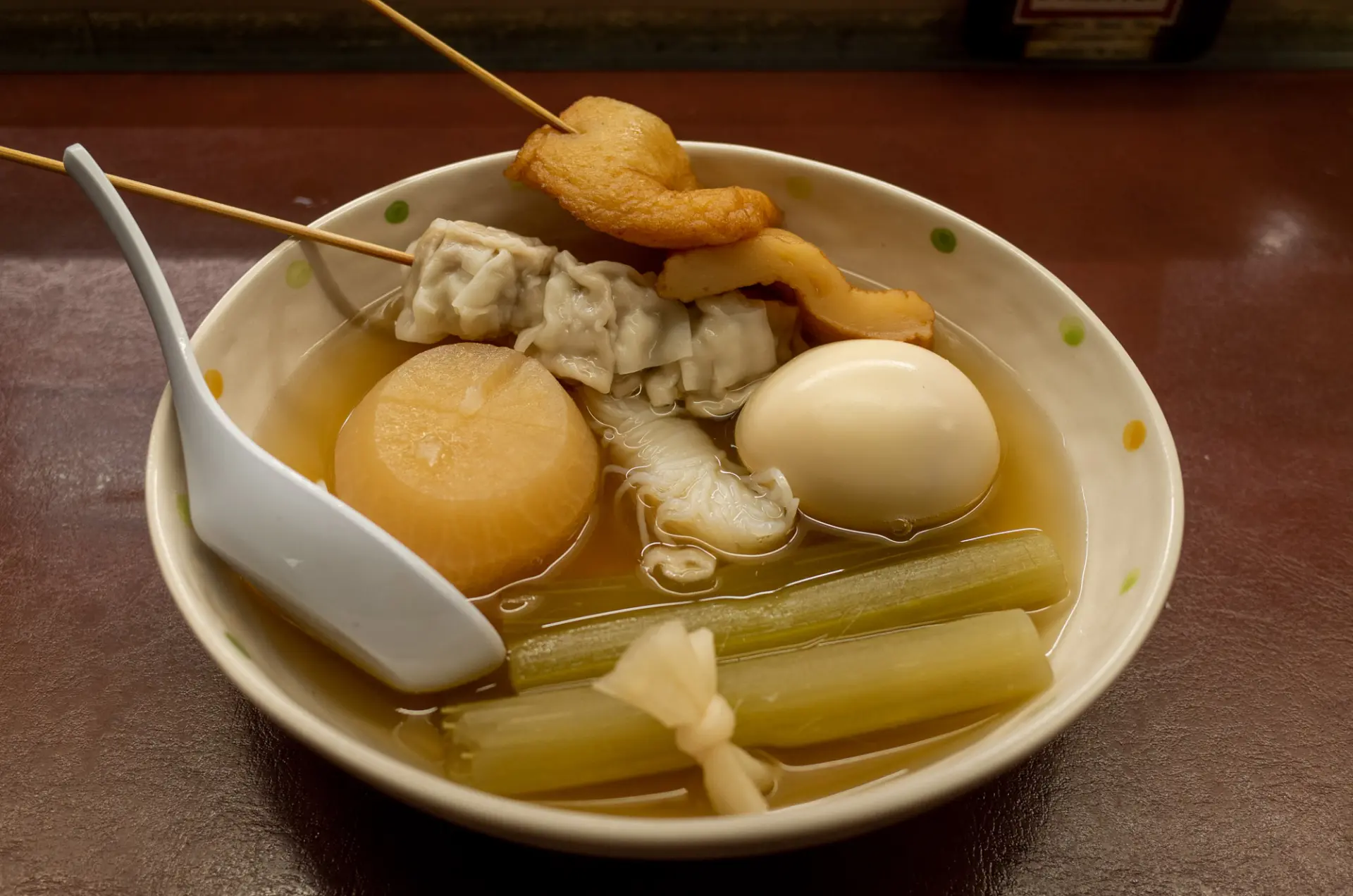
Kanazawa Station has three main dining and shopping areas directly connected to or next to the station: Anto, Rinto, and Cross Gate Kanazawa. Each area has a different atmosphere and target traveler. Choose based on your schedule and dining style.
Anto is next to the Shinkansen gates on the Kenrokuen (East) side. It offers classic Kanazawa dishes such as sushi, seafood bowls, oden, jibuni, and local sake in a lively setting.
Rinto is a bright area connected to the central concourse. It features cafes, bakeries, ramen, and casual restaurants, popular for light and everyday meals.
Cross Gate Kanazawa is just outside the West Exit. It provides a calmer atmosphere, with restaurants serving premium ingredients like nodoguro, Noto beef, eel, and craft beer.
Area | Best for | Recommended when |
|---|---|---|
Anto | First-time visitors, classic local cuisine | You want to try famous Kanazawa dishes quickly or eat before departure |
Rinto | Casual meals, solo travelers, light dining | You prefer a relaxed lunch, cafe break, or lighter food between transfers |
Cross Gate Kanazawa | Premium dining, quiet atmosphere | You want a slower dinner, quality ingredients, or a more refined experience |
Ekiben (boxed meals sold at train stations)
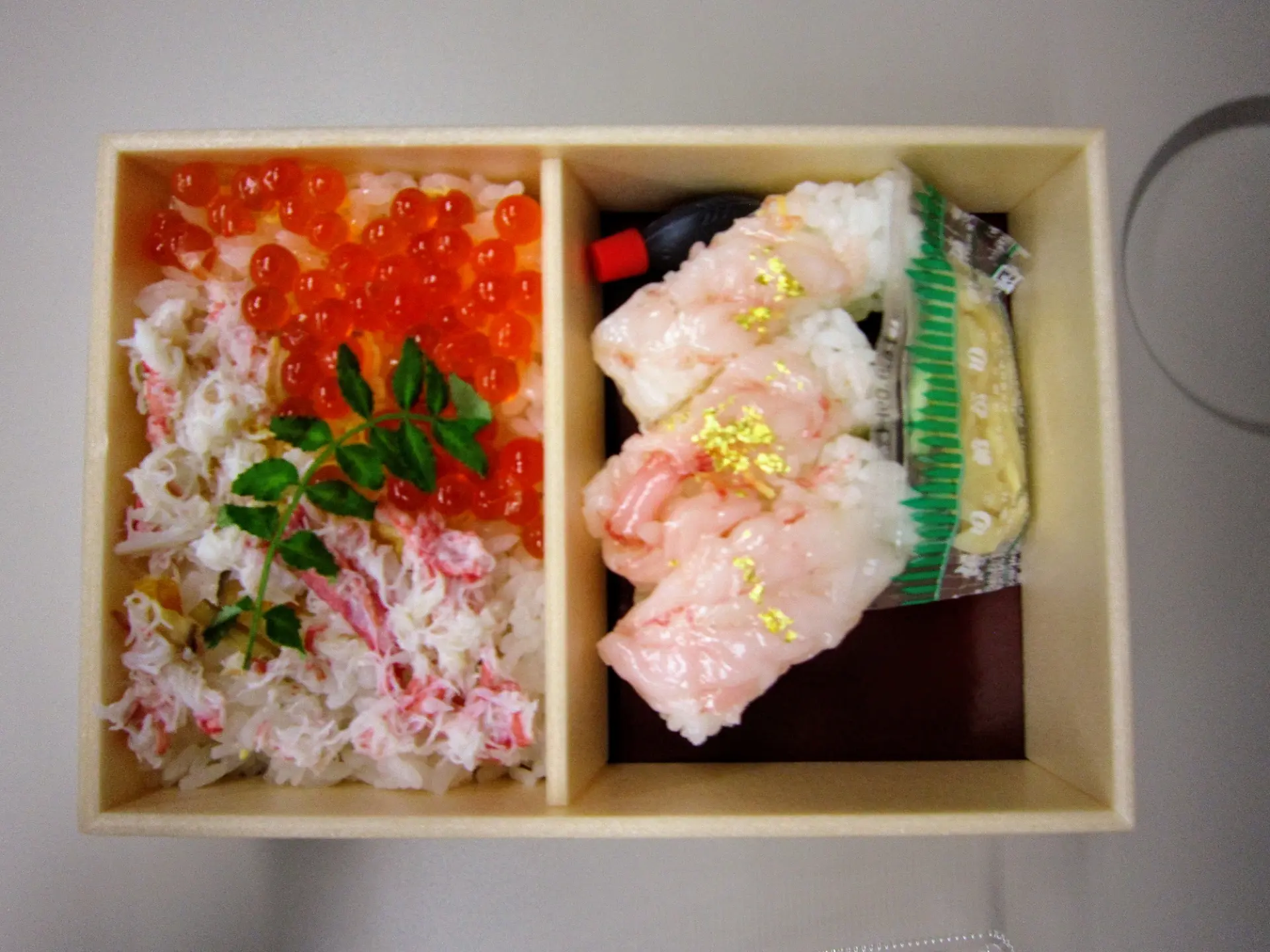
The station is also famous for its ekiben. Kanazawa's ekiben highlight premium local ingredients. Popular options include fatty nodoguro (blackthroat seaperch), luxurious crab-filled bento boxes, and special meat bentos featuring Noto beef or Noto pork.
These meals are perfect for enjoying on the Shinkansen or during your journey. Ekiben shops are located near the Shinkansen gates and main concourse.
Shopping and Souvenirs
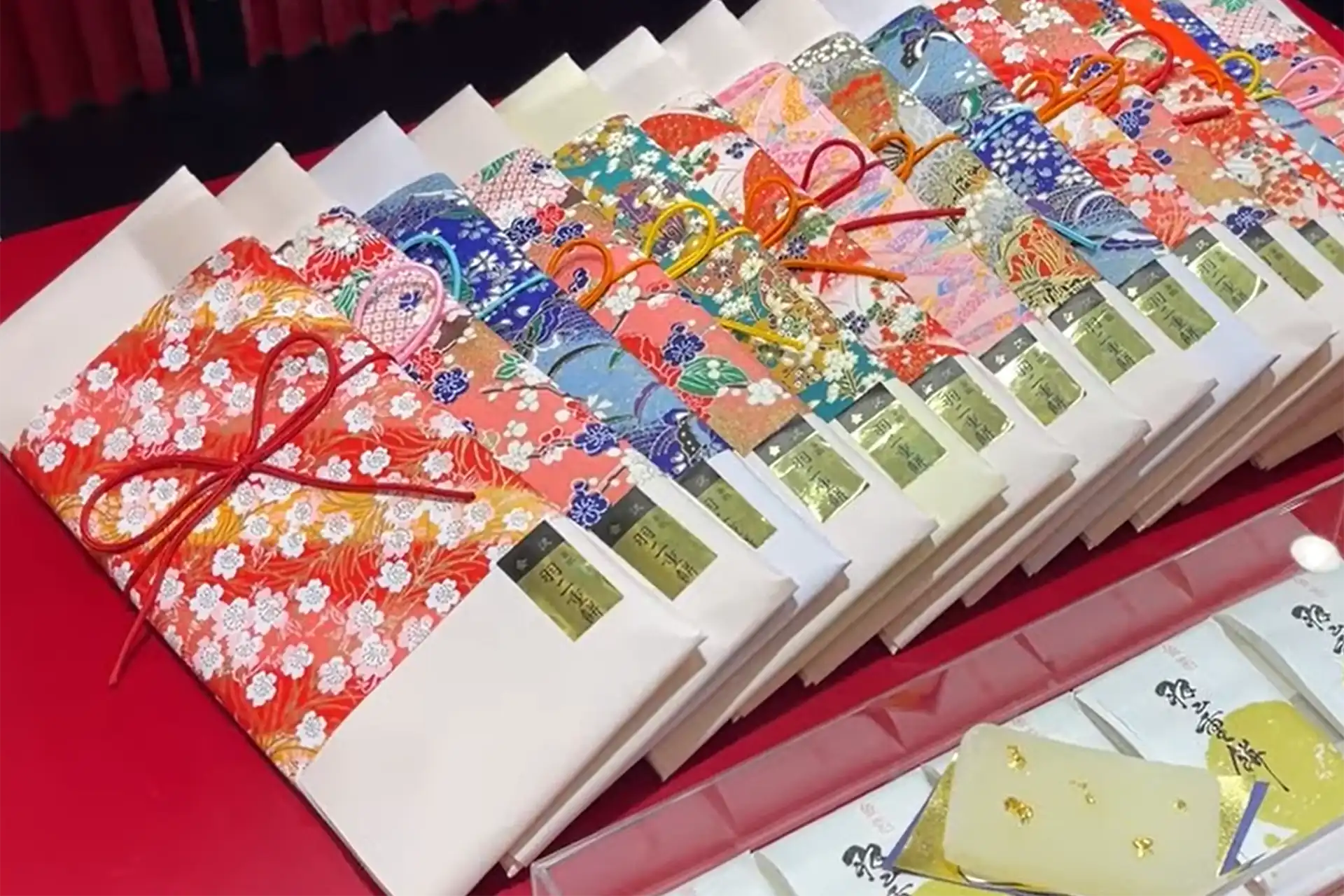
Explore the main shopping complex, Kanazawa Hyakubangai, divided into two convenient areas:
- Anto: Perfect for traditional souvenirs like gold leaf cosmetics, Kaga-bocha tea, and regional sake. It also features a variety of seasonal Japanese sweets.
- Rinto: A trendy space for fashion and lifestyle items, ideal for browsing while waiting for your train.
Tourist Information Center and Wi-Fi Availability
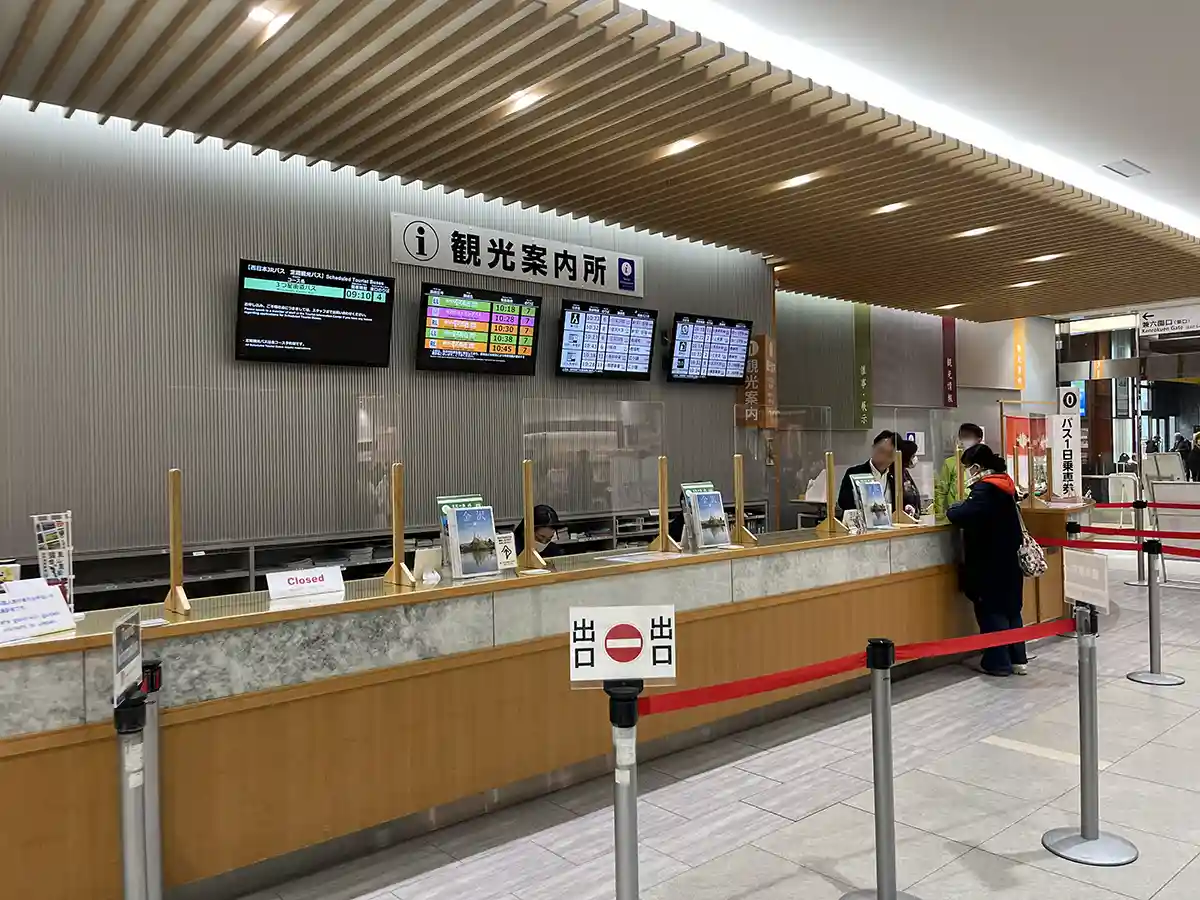
Tourist information centers near the East Exit provide maps, brochures, and travel advice in multiple languages. Staff can help with directions, attraction details, and transportation options.
Free Wi-Fi is available throughout the station, including waiting areas and concourses. Connect to public Wi-Fi by selecting the network and following registration instructions. For reliable mobile internet during your trip, consider Japan Wireless pocket Wi-Fi or Japan Wireless eSIM services.
Nearby Attractions and Local Transport
Kenrokuen Garden
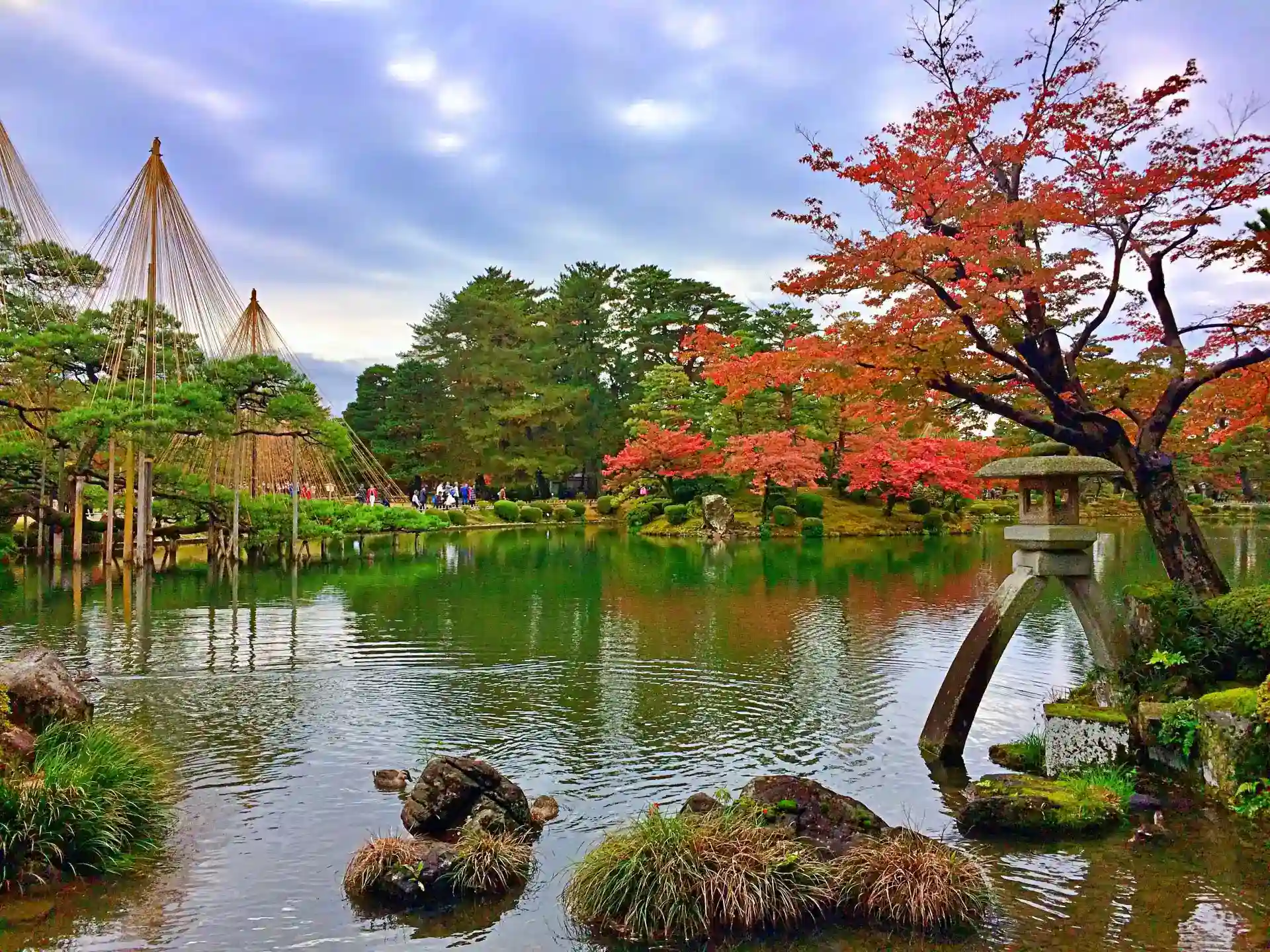
Kenrokuen Garden is one of Japan's three most famous gardens. It is located about 3 kilometers from Kanazawa Station. Buses from the East Exit reach the garden in approximately 15-20 minutes.
The garden features seasonal landscapes, ponds, teahouses, and historic trees. Visiting during spring or autumn offers beautiful cherry blossoms or fall colors.
Higashi Chaya District
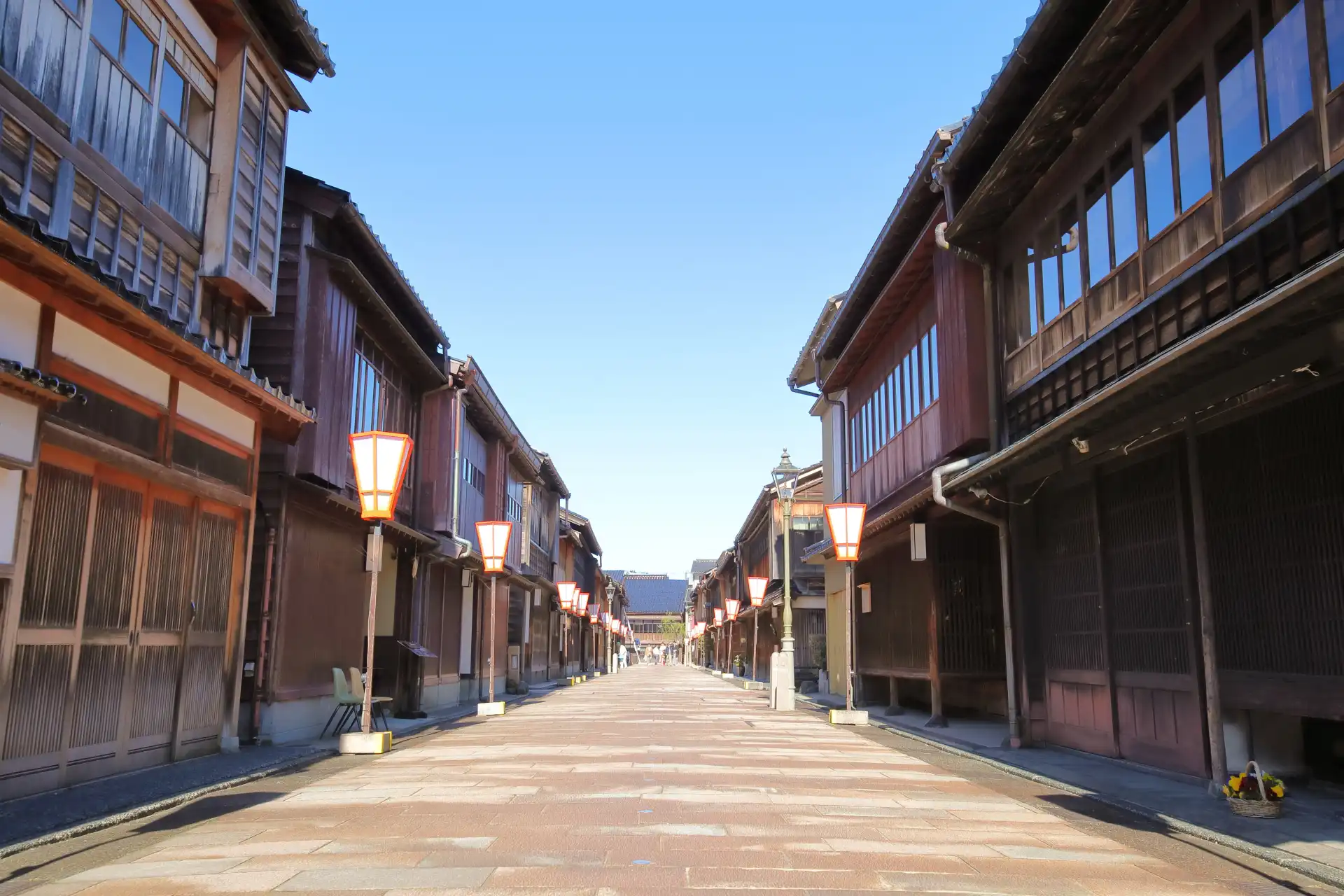
Higashi Chaya District preserves traditional wooden teahouses from the Edo period. This historic area is about 3 kilometers east of the station. Buses or a short taxi ride connect the station to the district.
Visitors can explore narrow streets, enter teahouses, and purchase local crafts. The district is especially atmospheric in the evening.
Omicho Market
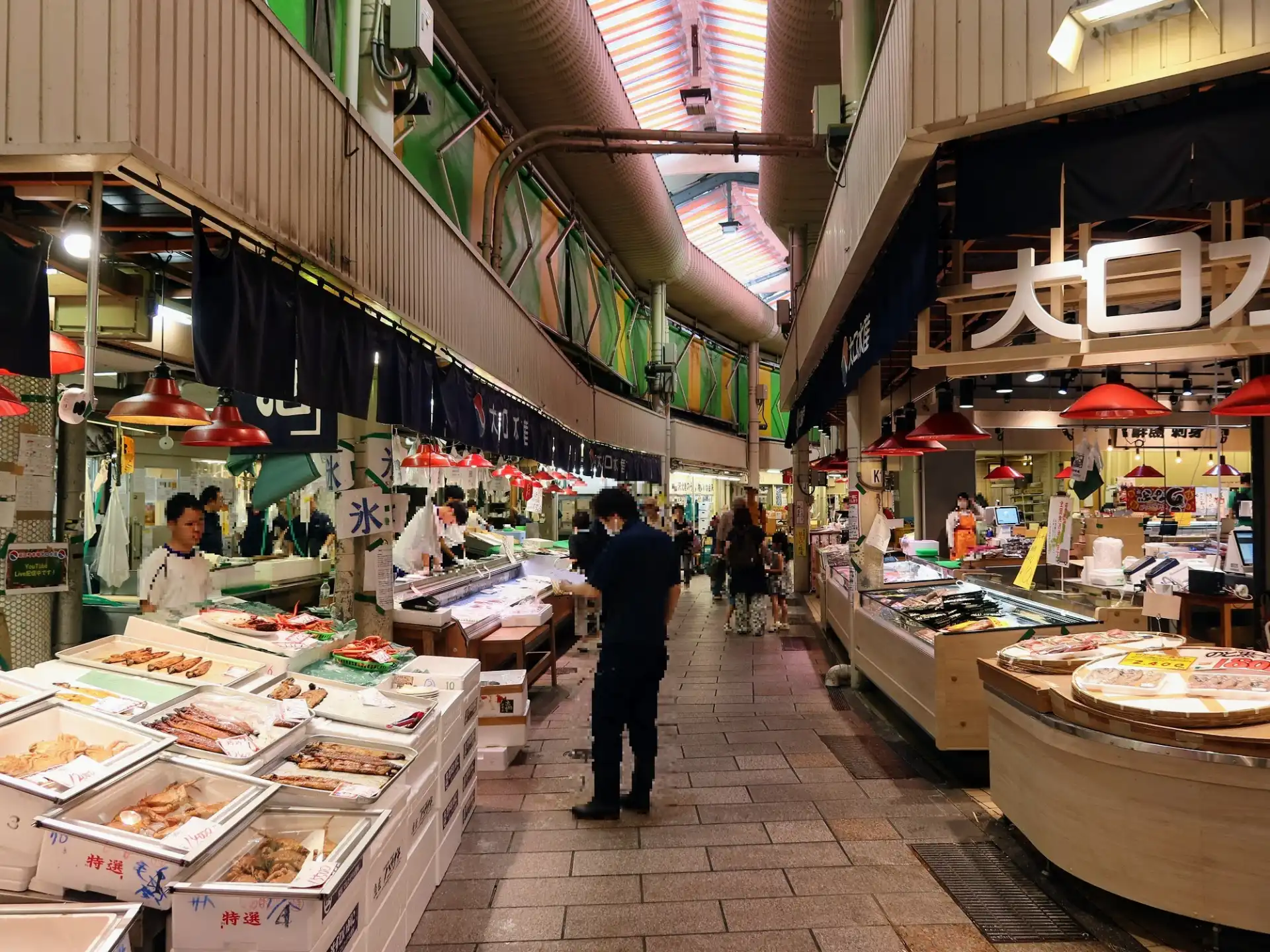
Omicho Market has served Kanazawa residents for over 280 years. The market is a 15-minute walk or short bus ride from the station.
Vendors sell fresh seafood, produce, and prepared foods. Visitors can enjoy sushi, sashimi, and other local dishes at market stalls. The market is an excellent introduction to Kanazawa's food culture.
Kanazawa Loop Bus
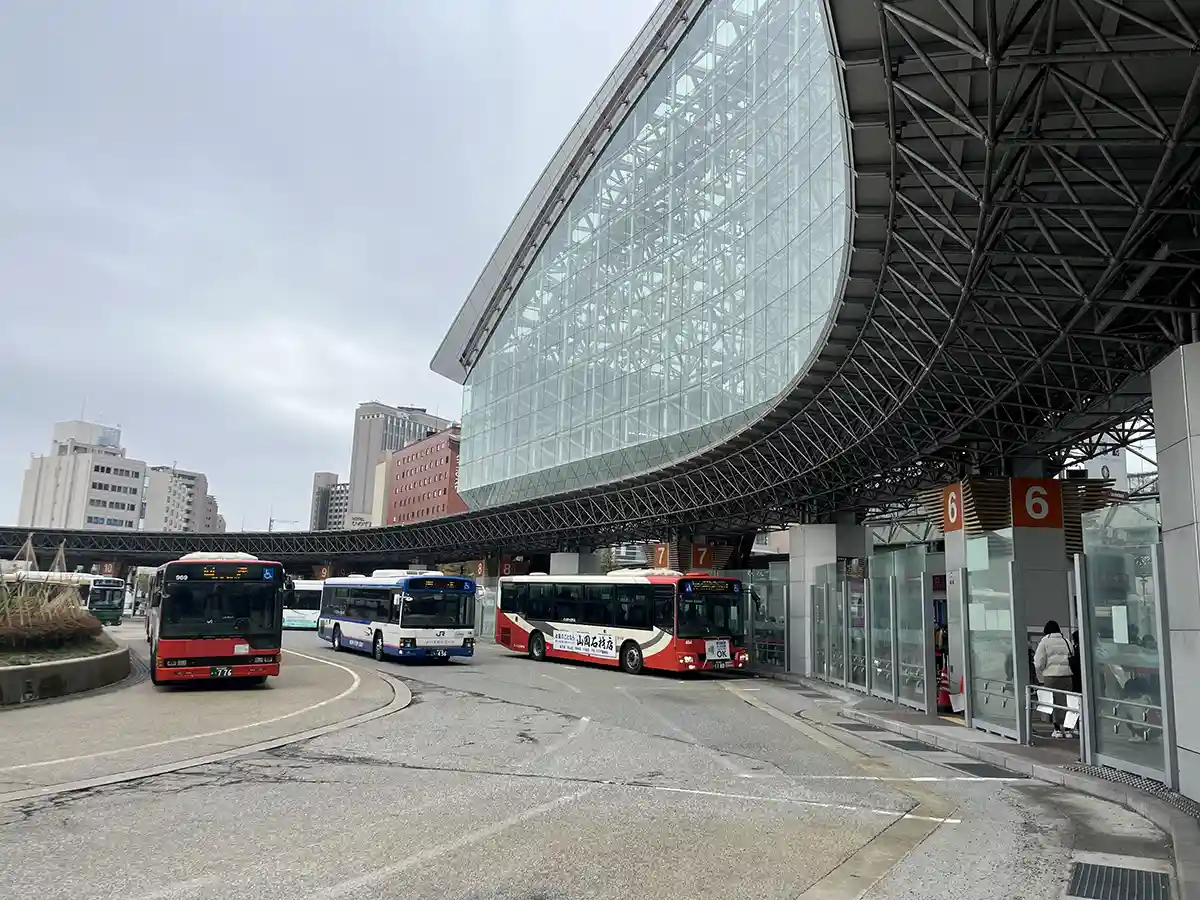
Kanazawa's bus network connects the station to all major attractions. The Kanazawa Loop Bus circles key sights like Kenrokuen and Higashi Chaya District, departing from the East Exit.
Fares can be paid by cash or IC card. IC cards like Suica, PASMO, and ICOCA work on local buses and trains, making travel convenient.
Route maps are available at tourist information centers.
FAQ
Why is Kanazawa Called Little Kyoto?
Kanazawa earned this nickname due to its preserved Edo-period architecture and traditional culture. The city escaped major bombing during World War II. Like Kyoto, it features beautiful gardens, teahouse districts, and craft traditions, but with fewer crowds.
What Is the Main Train Station in Kanazawa?
Kanazawa Station is the city's only major train station. It serves as the central hub for Shinkansen, JR lines, and regional railways.
Can I Use Suica or PASMO in Kanazawa?
Yes, Suica and PASMO work on local trains, buses, and for small purchases. Note that IC cards cannot be used for Shinkansen boarding; reserved tickets are required.
Plan Your Visit
Kanazawa Station is your gateway to exploring Northern Japan's rich cultural heritage. This beautifully designed station connects you to Kanazawa's famous gardens, traditional districts, and historic sites. Beyond the city, Kanazawa Station serves as a key hub on the Hokuriku Shinkansen line, making it the perfect base for exploring the wider Hokuriku region.
The Hokuriku Shinkansen brings you from Tokyo in just over two hours, opening doors to authentic Japanese experiences away from crowded tourist routes. Whether you're visiting for a day or using Kanazawa as your starting point for regional travel, the station's modern facilities and clear signage make your journey smooth and stress-free.
Ready to discover Kanazawa and the Hokuriku region? Book your Hokuriku Shinkansen tickets with Japan Bullet Train for a hassle-free reservation experience. Reserve online, receive your QR code, and start your adventure to Northern Japan's hidden gem.