


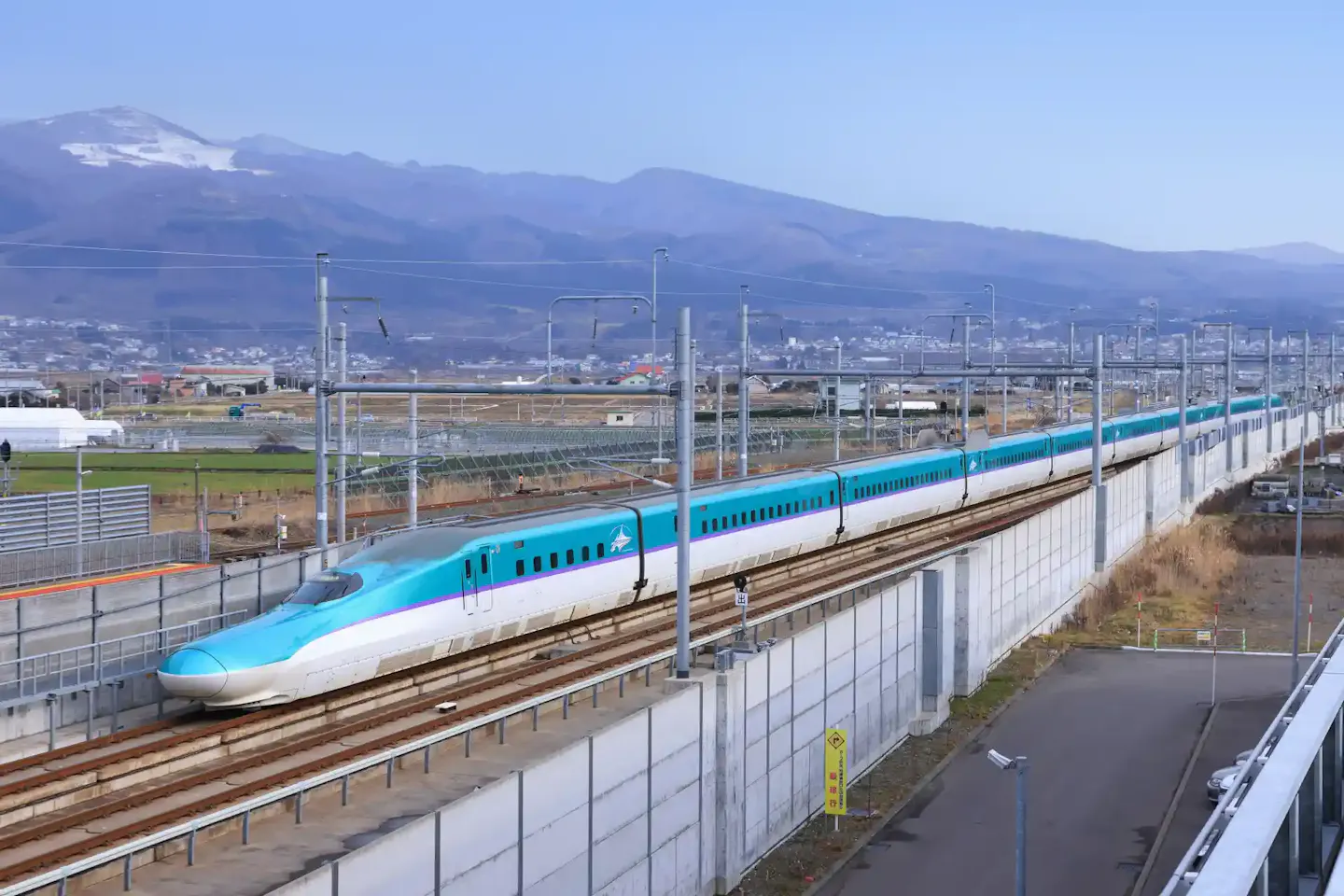
The Hokkaido Shinkansen connects Tokyo with northern Japan, offering a comfortable rail journey to Hokkaido.
Many visitors have common questions: Can you go to Sapporo by Shinkansen? How long does the trip take? Is it better than flying?
This article answers those questions with up-to-date information on routes, travel times, and what to expect when traveling by train.
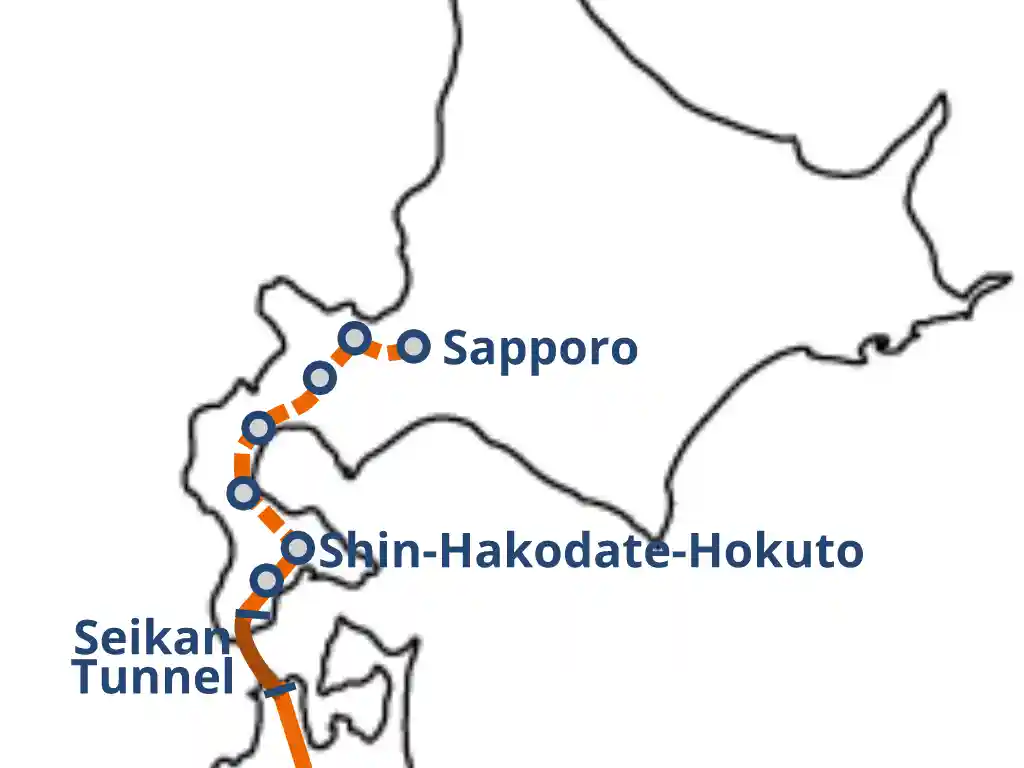
The Hokkaido Shinkansen is a high-speed rail line. Currently, direct Shinkansen services operate all the way from Tokyo to Shin-Hakodate-Hokuto Station.
Most services start at Tokyo and run through to Shin-Hakodate-Hokuto without train changes. The journey covers approximately 862 kilometers. Trains use the Seikan Tunnel beneath the Tsugaru Strait to connect Honshu and Hokkaido.
Hayabusa trains provide most direct services, with some Hayate trains operating shorter routes. Major stops include Sendai, Morioka, and Shin-Aomori. Journey times range from 4 hours to 4 hours 30 minutes depending on stops.
The Shinkansen terminates at Shin-Hakodate-Hokuto, not in Hakodate city center. Sapporo is not reachable by direct Shinkansen today. The Hakodate Liner connects Shin-Hakodate-Hokuto to Hakodate Station in about 20 minutes. Limited express trains continue to Sapporo in about 3.5 to 4 hours depending on the service.
Understanding the current route helps you plan effectively. Many travelers assume the train goes to Sapporo. This is incorrect as of 2025.
The extension to Sapporo is under construction. The new section is now expected to open in the late 2030s. Until then, Shin-Hakodate-Hokuto remains the final stop. This means longer total travel time if Sapporo is your destination. For direct travel to Sapporo, domestic flights are faster today.
The Shinkansen route runs north from Tokyo through Sendai, Morioka, and Shin-Aomori, then crosses the Seikan Tunnel to reach Shin-Hakodate-Hokuto, the first station in Hokkaido.
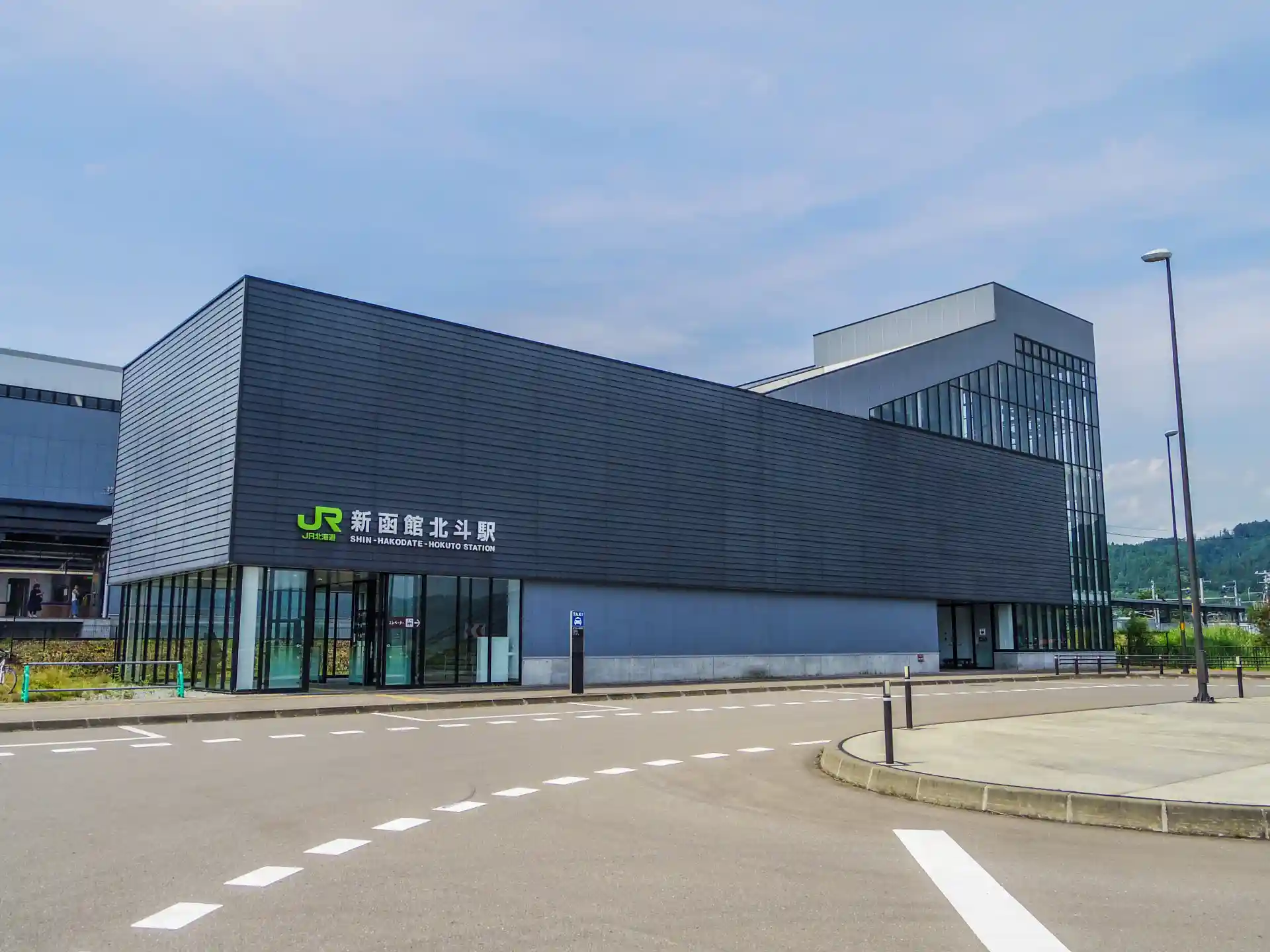
Shin-Hakodate-Hokuto Station sits about 18 kilometers north of Hakodate. The station area is still developing. Few shops or restaurants operate nearby. Most travelers transfer to local trains immediately.
Choose the Shinkansen if you:
Consider flying if you:
The journey time varies by train service and stops. Understanding the schedule helps you plan connections.

The fastest Hayabusa trains take approximately 3 hours 58 minutes. Most services need 4 hours 15 minutes to 4 hours 30 minutes.
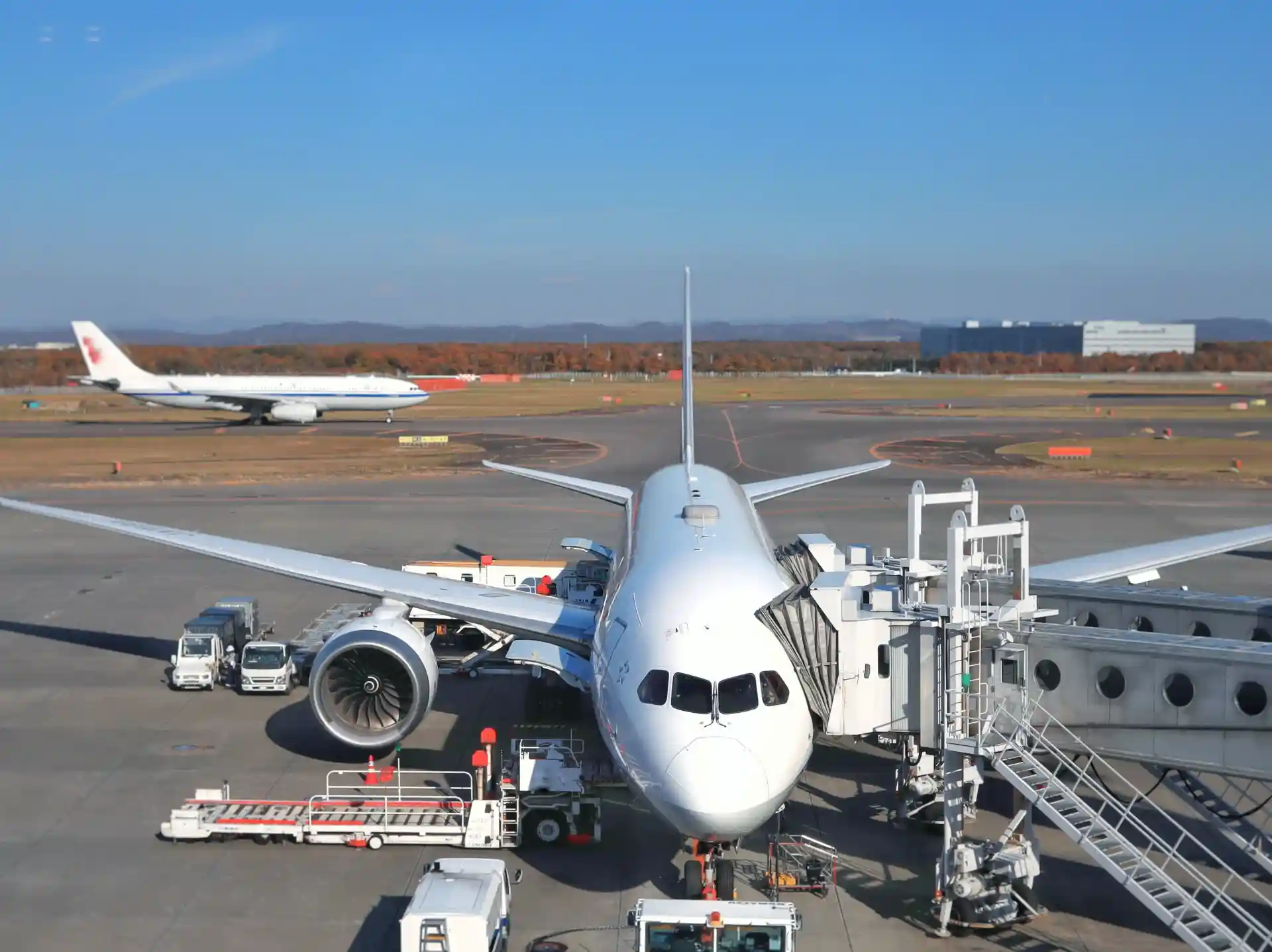
When comparing the Shinkansen and flights, it is helpful to consider two different travel goals:
Door-to-door travel times are surprisingly similar.
Shinkansen route:
Total: about 4.5 hours
Flight route:
Total: about 4.5 hours
For Hakodate, both options take roughly the same amount of time, so the choice depends on comfort, luggage, and weather conditions.
Reaching Sapporo presents a very different picture.
Rail route (current, with transfer):
Total: about 7.5–8 hours
Flight route:
Total: about 4–4.5 hours
Flying is significantly faster for Sapporo, which is why most travelers choose air travel unless they specifically want to stop in Hakodate or prefer rail travel.
Understanding ticket types helps you choose the right option. Prices vary by seat class and timing.
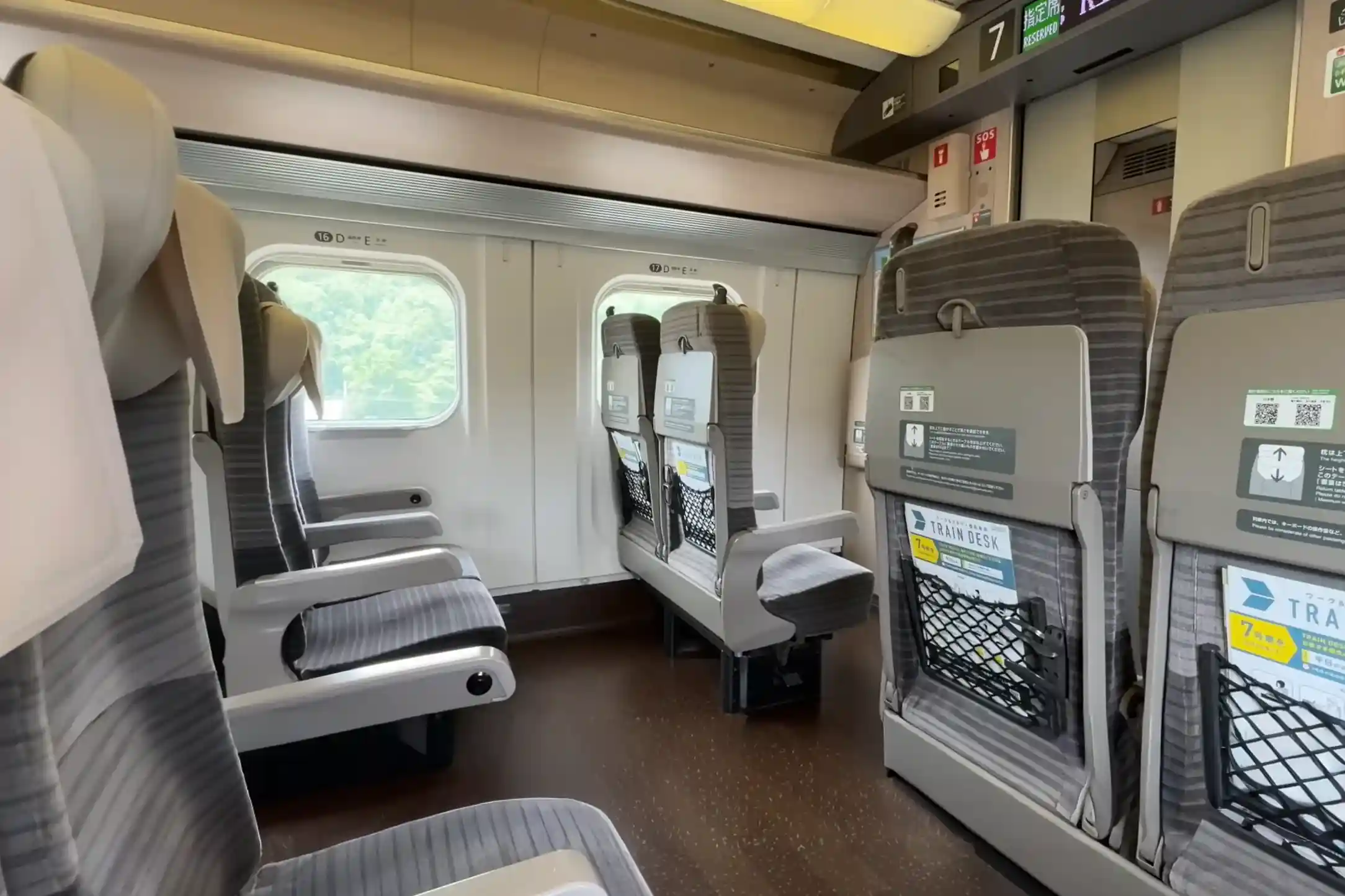
All Hayabusa trains require reserved seats. There are no non-reserved cars.
Standing-room tickets may be issued only during busy seasons when all seats are sold out, but they are limited and not always available.
To avoid problems, you should always book a reserved seat before traveling.
Three seat classes are available: Ordinary Car, Green Car, and GranClass.
For a 4-hour journey, Ordinary seats work well for most travelers. Consider Green Car for added comfort or if you need to work during the trip. GranClass suits special occasions and travelers who value exceptional service.
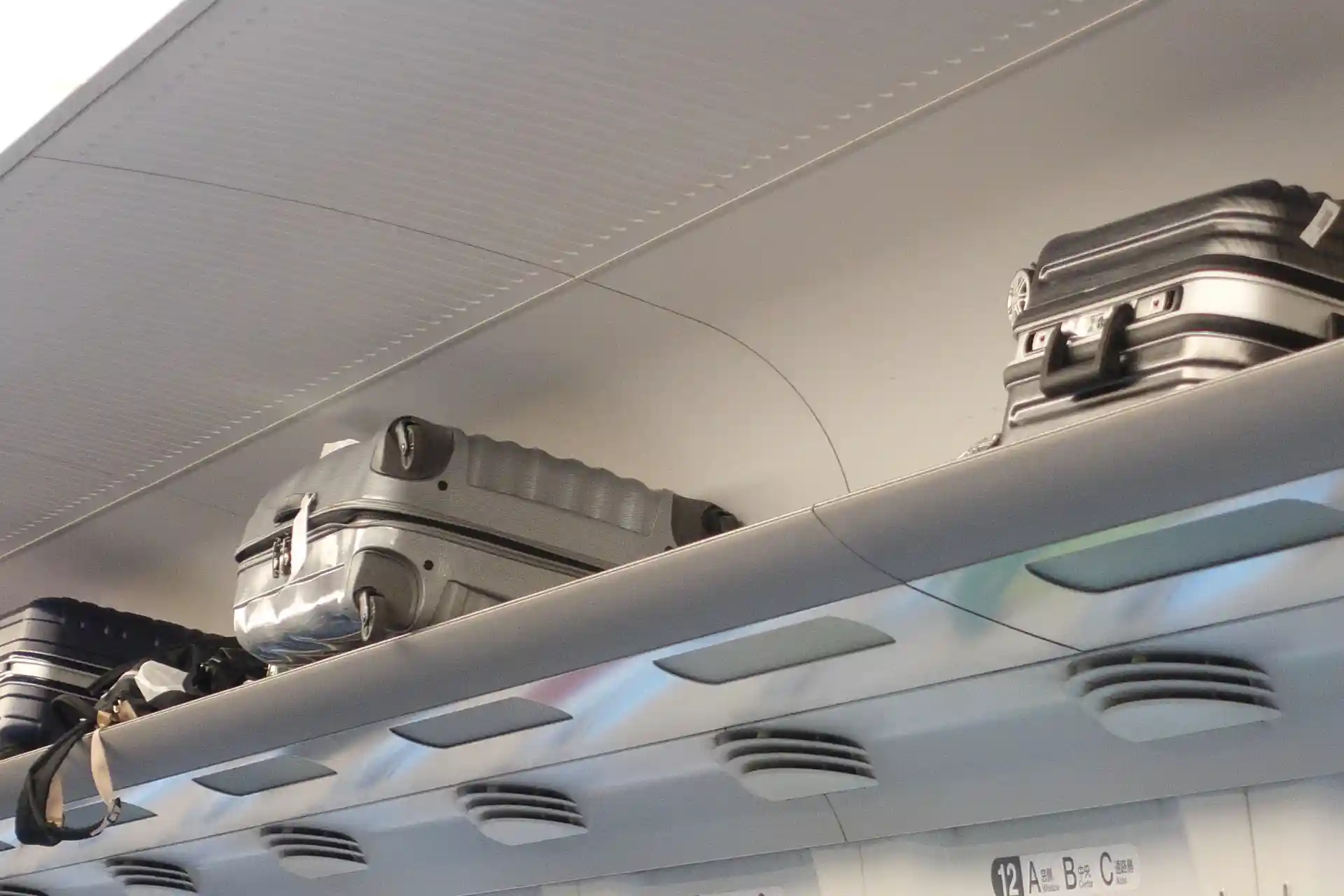
The 160 cm oversized luggage rule that applies to the Tokaido, Sanyo, Kyushu, and Nishi-Kyushu Shinkansen does not apply to the Hokkaido Shinkansen.
On Hayabusa services:
This makes the Hokkaido Shinkansen more flexible for travelers carrying large luggage.
Overhead racks are suitable for carry-on and medium-sized bags. They cannot support heavy or bulky suitcases safely.
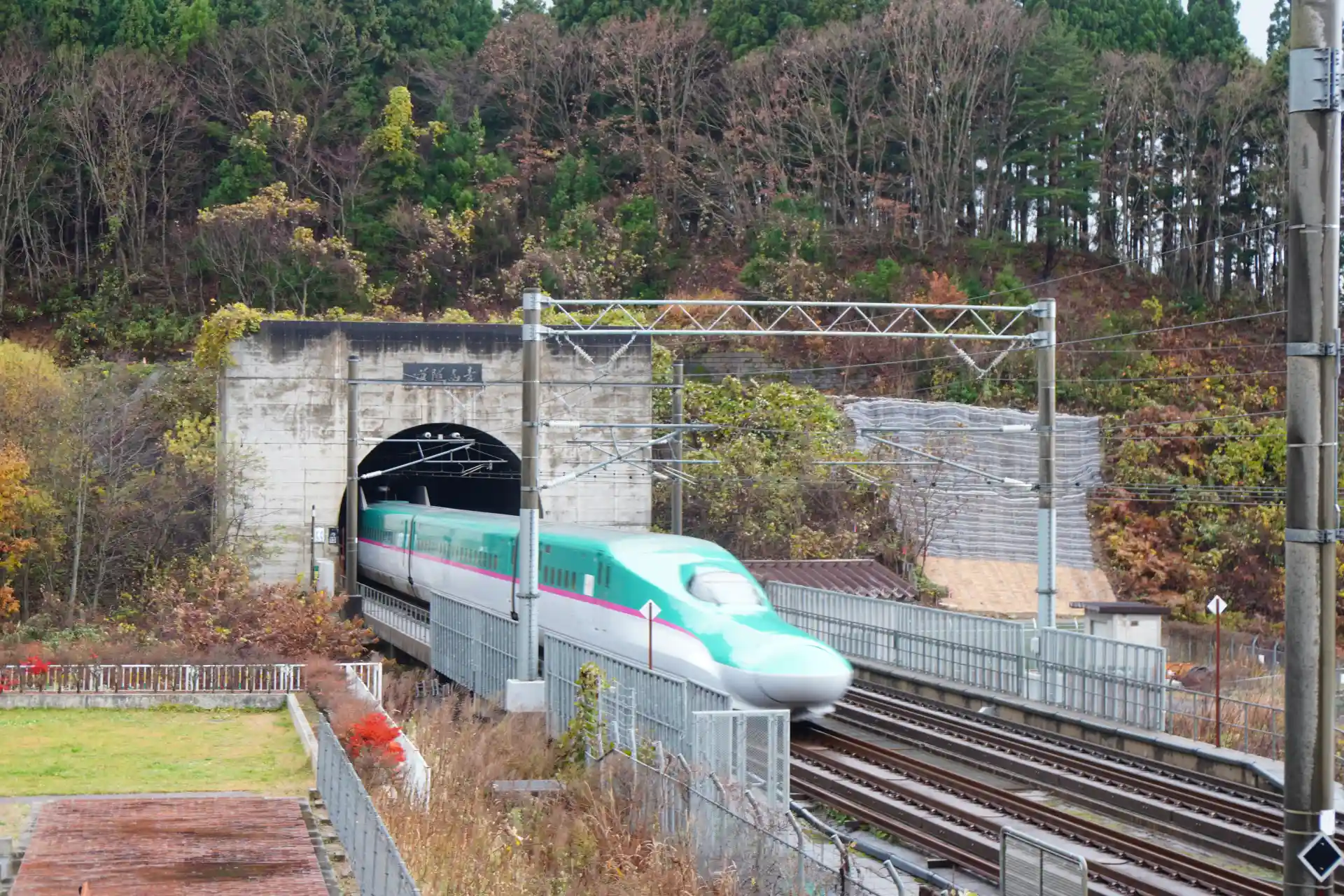
Long-distance train travel offers unique comfort. Understanding amenities helps you prepare.
Free Wi-Fi operates on Hokkaido Shinkansen trains. Connection quality varies by location. The signal weakens in tunnels. Most above-ground sections have stable connection.
Every seat has a power outlet. Outlets use Japanese standard plugs (Type A). Bring an adapter if your device uses different plugs. You can charge phones, laptops, and tablets throughout the journey.
No restaurant car operates on this service. Prepare food and drinks before boarding. Tokyo Station has extensive food options.
Ekiben are station bento boxes. These special boxed meals showcase regional cuisine. Buy drinks inside the station too.
The journey offers diverse landscapes. Views change dramatically through different regions.
From Tokyo to Sendai, you see urban areas gradually give way to countryside. Rice fields and small towns appear frequently. Mount Iwate becomes visible as you approach Morioka. Northern Honshu shows more mountainous terrain.
The Seikan Tunnel is the journey's highlight. This undersea tunnel runs 53.85 kilometers. It connects Honshu and Hokkaido beneath the Tsugaru Strait. The tunnel portion takes about 25 minutes.
After exiting, Hokkaido's landscape appears. The scenery shifts to broader fields and different vegetation. In winter, snow coverage increases dramatically in Hokkaido sections.
Best window seats depend on your interests:
Planning your route carefully maximizes your experience. Consider these proven approaches.
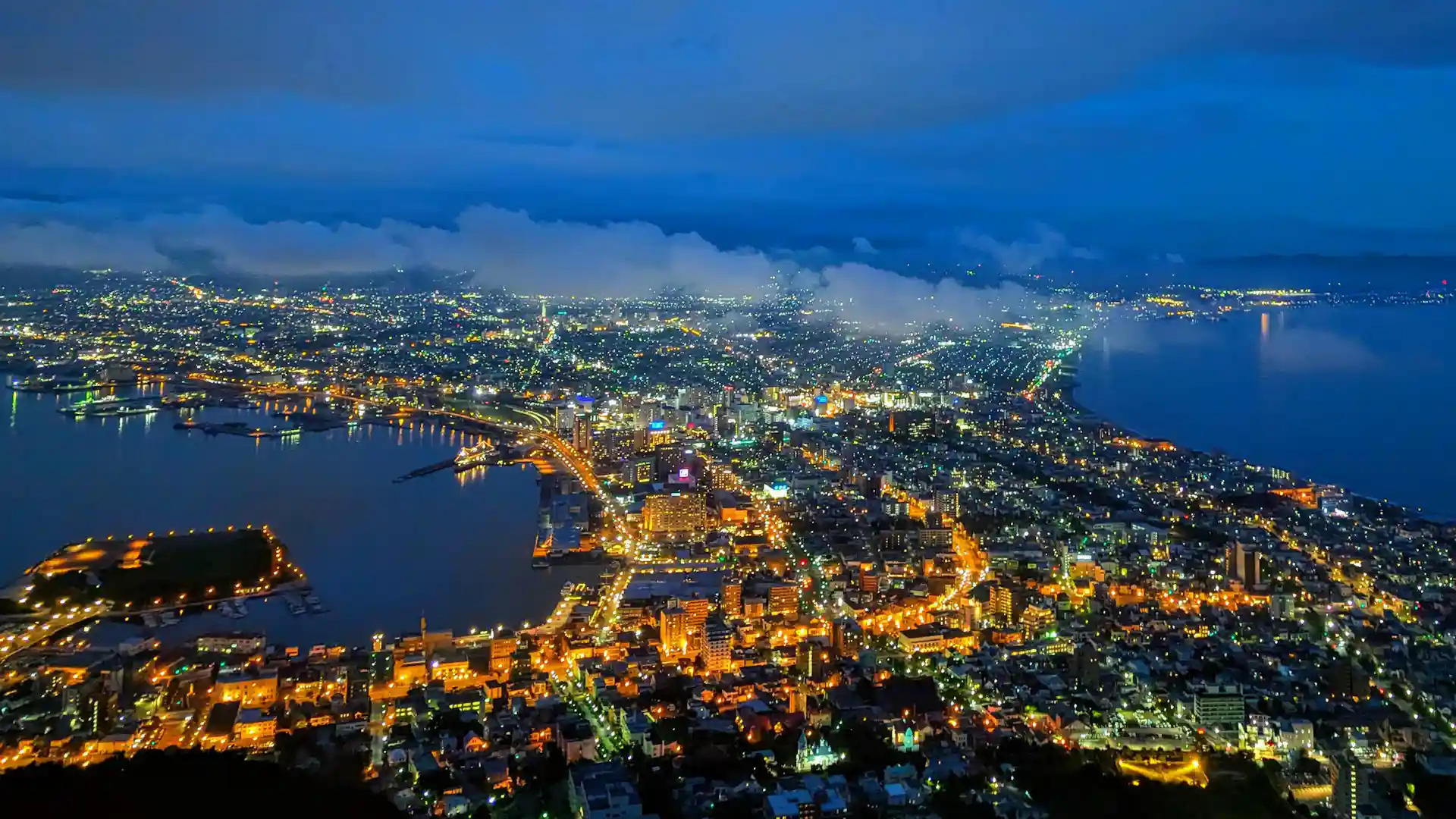
This itinerary balances speed and experience.
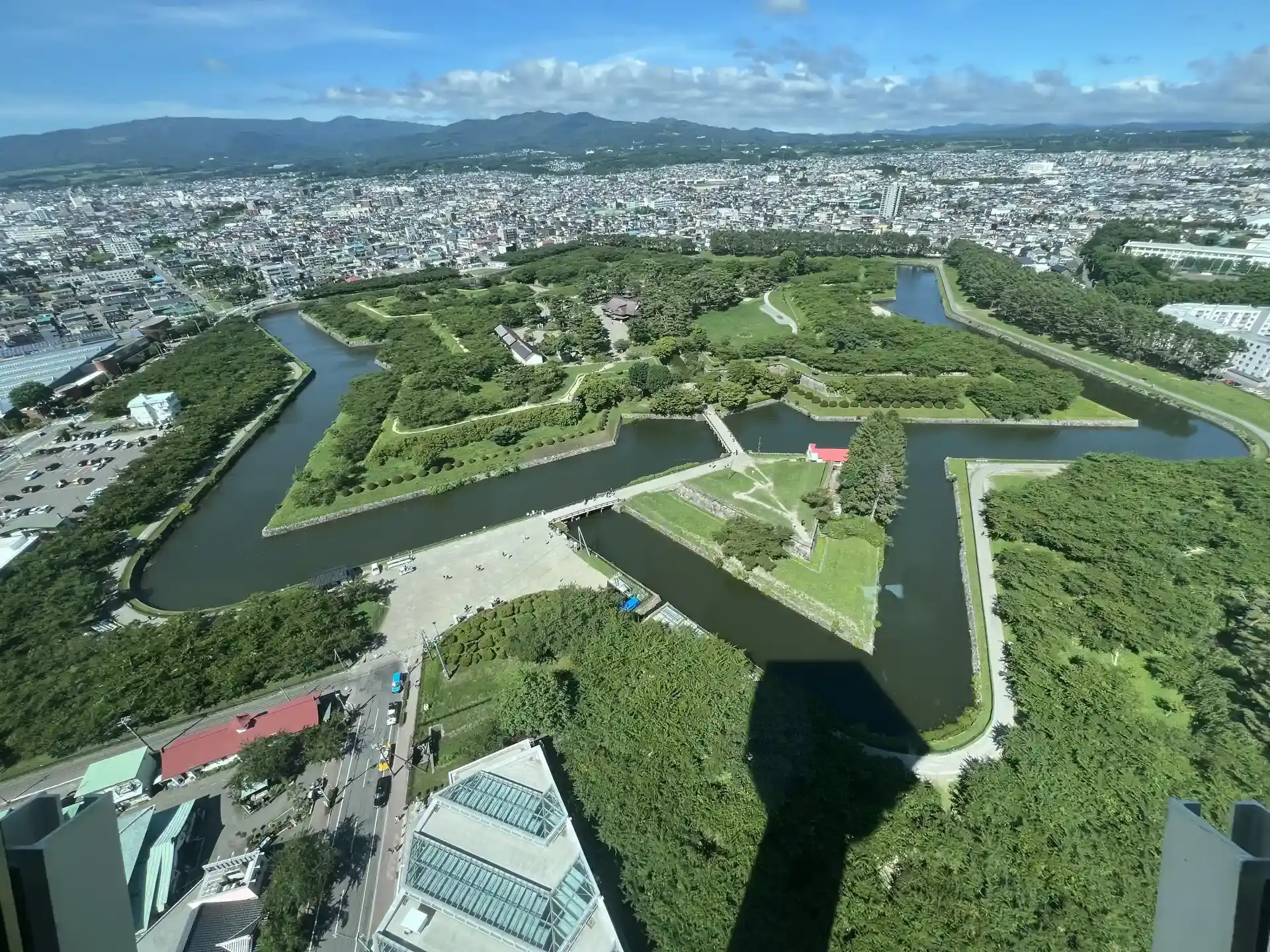
Hakodate offers Mount Hakodate with its three-star Michelin night view. Goryokaku is a star-shaped Western-style fort, and you can view the complete star shape from Goryokaku Tower.
Hakodate Morning Market is also famous, with over 250 shops lined up. You can enjoy squid fishing and fresh seafood bowls from early morning.
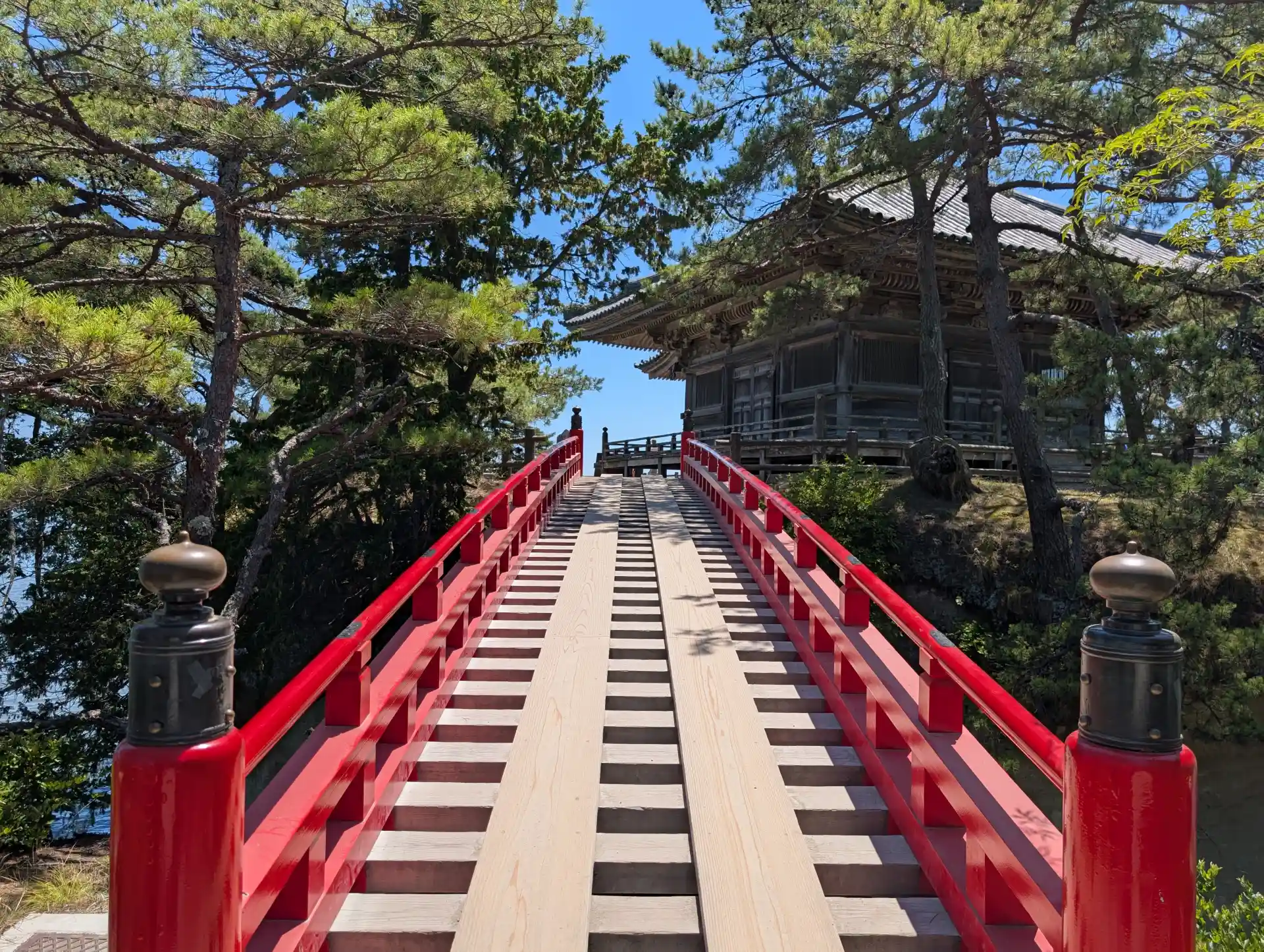
For travelers who enjoy regional exploration:
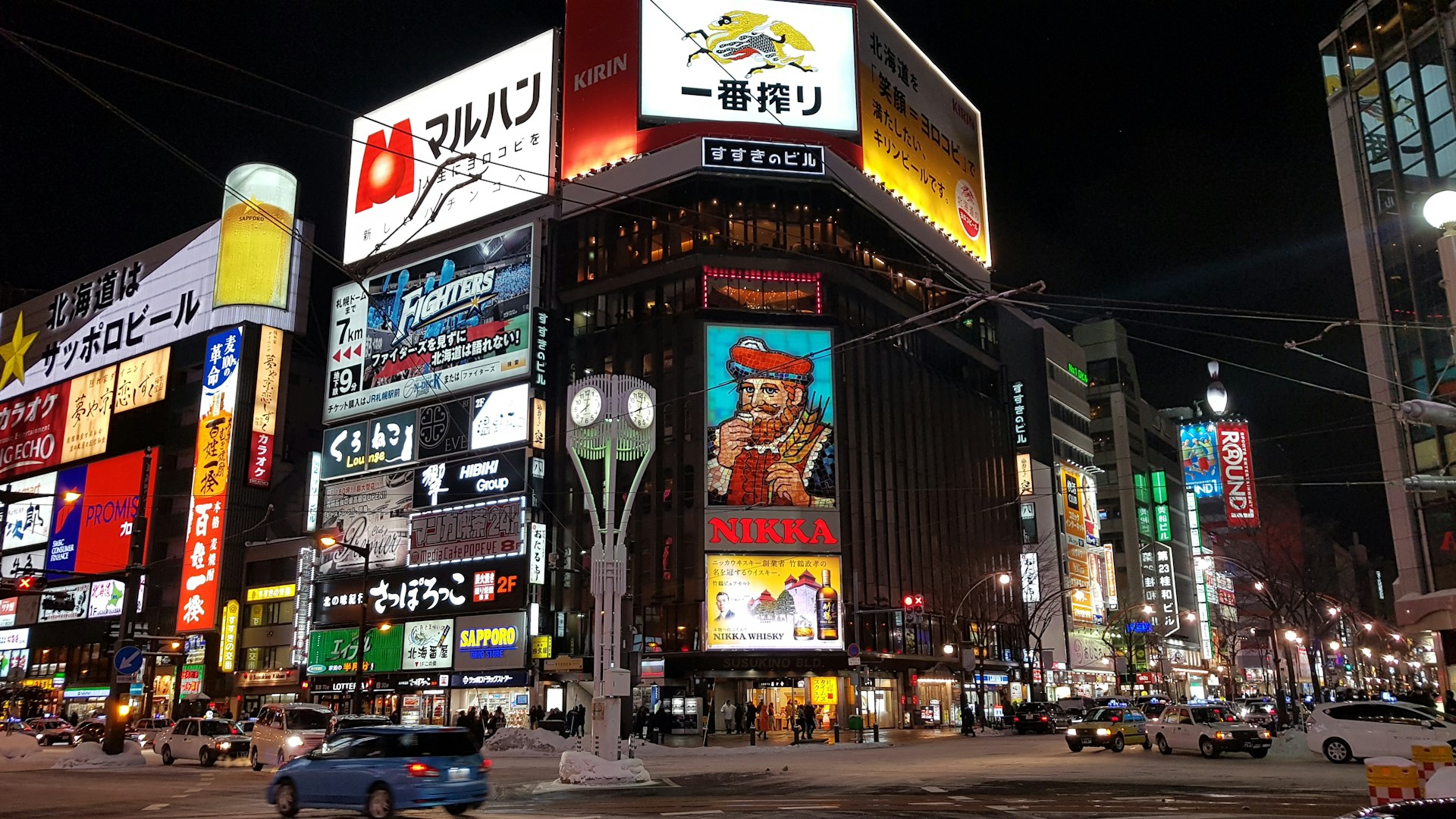
In Sendai, you can enjoy local specialties such as gyutan (grilled beef tongue) and zunda shake, a sweet drink made from edamame. Just outside the city center, the Nikka Whisky Miyagikyo Distillery, set in a scenic mountain area, is also worth a visit.
Sendai is closely linked to samurai culture. Notable sites include the Sendai Castle ruins (Aoba Castle) with the equestrian statue of Date Masamune, a powerful samurai warlord, Zuihoden (Date Masamune’s mausoleum), and nearby Matsushima, one of Japan’s Three Scenic Views.
In Aomori, Nebuta Museum WA RASSE is a popular stop. The museum displays full-size Nebuta lantern floats, known for their dramatic scale, bold colors, and striking designs. A key advantage is that you can see authentic festival floats even outside the festival season, and because the museum is indoors, it is comfortable to visit in winter.
This slower pace lets you experience the food, culture, and landscapes of the Tohoku region between destinations. It works especially well for travelers with flexible schedules.
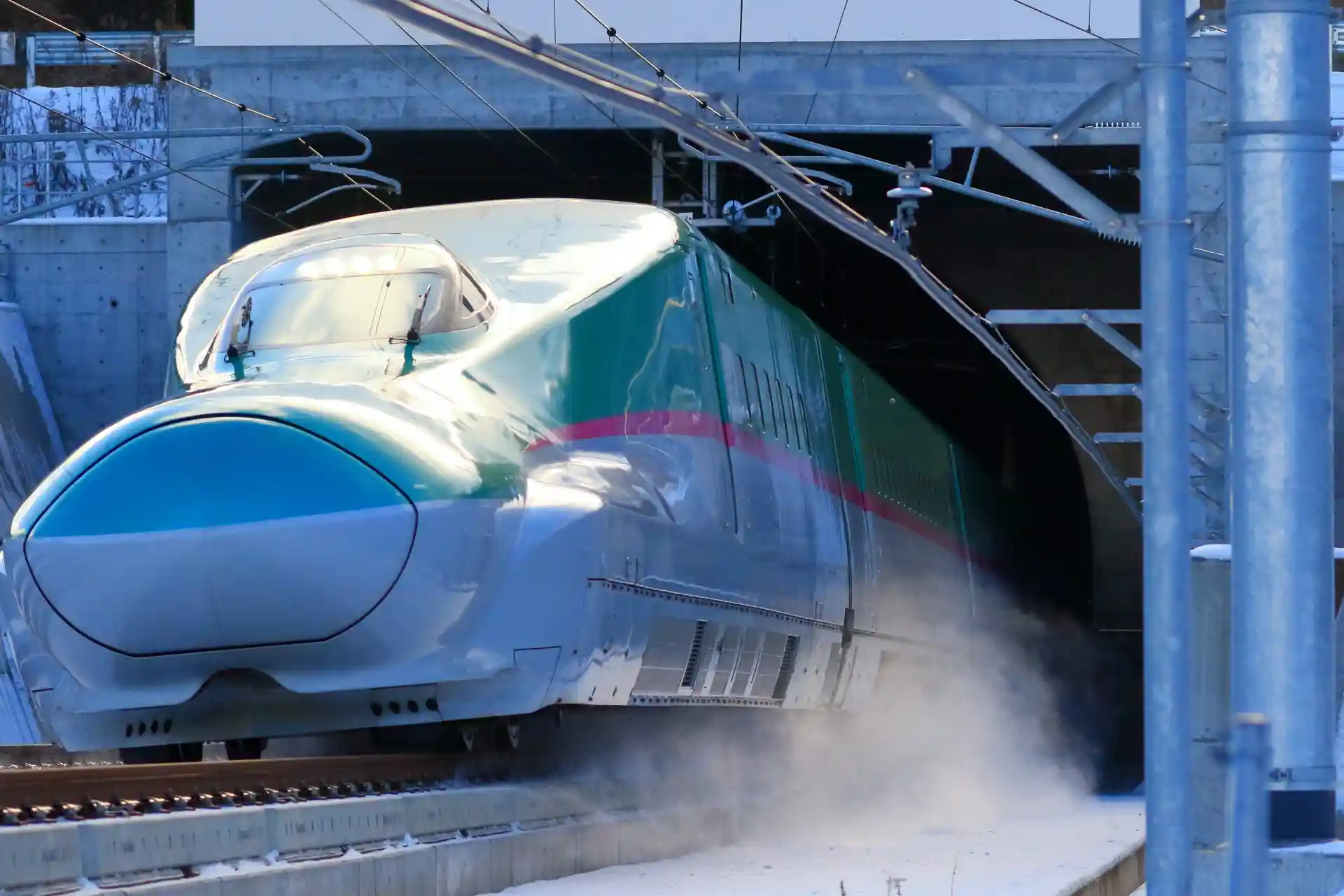
The Hokkaido Shinkansen is built to withstand severe winter conditions. Unlike planes, which are more likely to be delayed or canceled during blizzards, these trains are designed to operate reliably in heavy snow.
The trains are equipped with heavy-duty snowplows on their noses to clear the tracks, and special heaters are installed on the wheels to prevent ice buildup. Furthermore, the tracks themselves feature advanced snow-management structures, such as elevated viaducts designed to let snow fall away from the rails.
Thanks to this specialized infrastructure, the Shinkansen is highly resilient against snowstorms, making it a dependable choice for winter travel when flights to Hokkaido often face delays or cancellations.
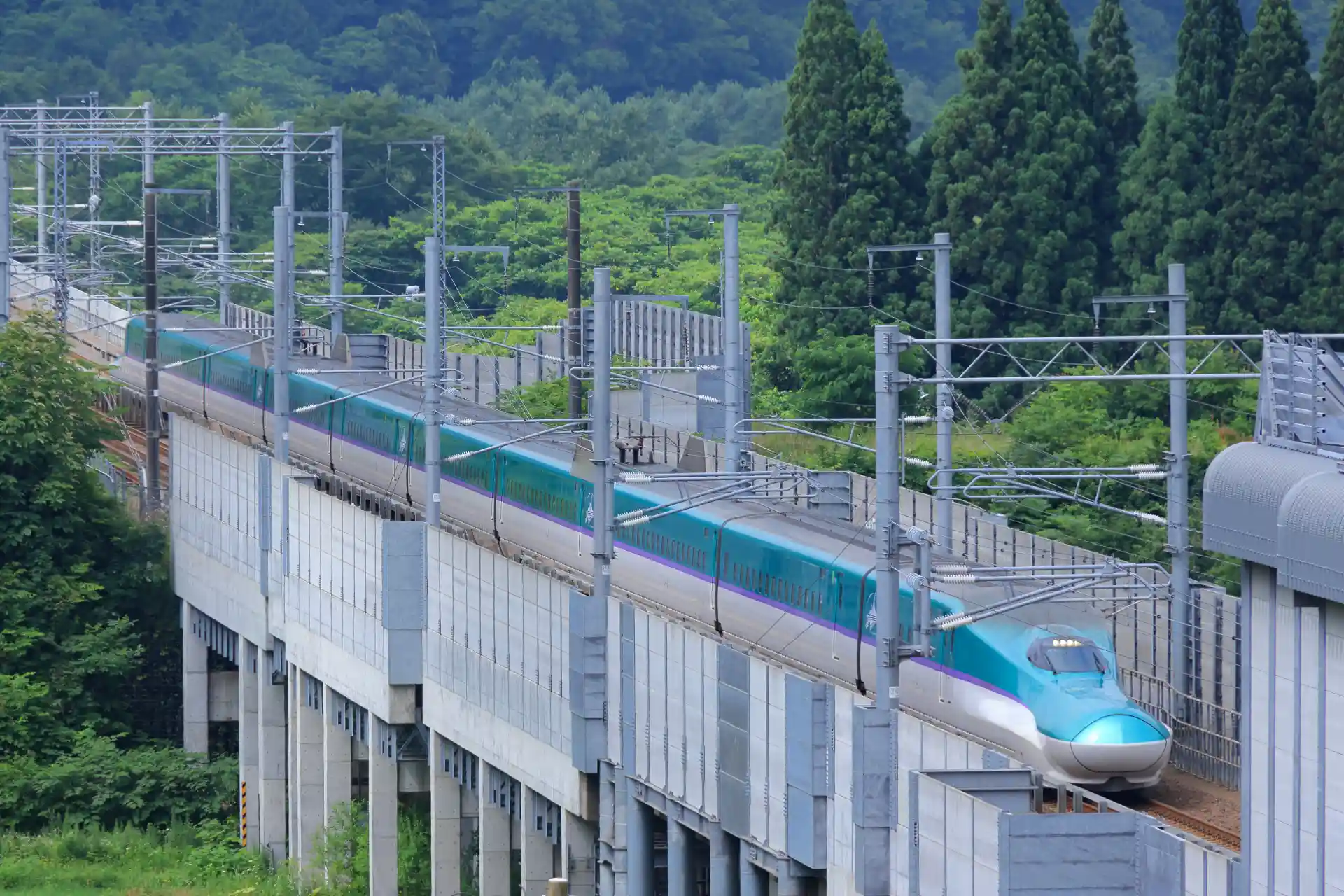
Not directly in 2025. The Hokkaido Shinkansen ends at Shin-Hakodate-Hokuto; a limited express train from there to Sapporo takes about 3.5 hours. Direct service is expected around 2039.
Yes for Hakodate travel, winter journeys when flights can face delays or cancellations, and travelers preferring train comfort.
Tokyo to Shin-Hakodate-Hokuto takes approximately 4 hours, with the fastest trains completing the journey in 3 hours 58 minutes. Add 15-20 minutes to reach Hakodate city center.
No. All Hayabusa trains require reserved seats. Book in advance through services like Japan Bullet Train, especially during peak seasons.
The Seikan Tunnel is a 53.85-kilometer undersea railway tunnel connecting Honshu and Hokkaido beneath the Tsugaru Strait. Trains pass through in about 25 minutes, with the deepest point 140 meters below sea level.
Traveling to Hokkaido by Shinkansen is part of the journey, not just the destination. As the train heads north, cityscapes gradually change into open landscapes, mountains, and coastal scenery, offering a calm and enjoyable travel experience.
Compared with flying, the Shinkansen lets you travel from city center to city center without airport transfers or long security lines. Spacious seating and the ability to move around freely make the ride comfortable, especially for longer journeys. The Hokkaido Shinkansen is ideal for travelers who value reliability, comfort, and a stress-free pace, particularly when exploring Hakodate and southern Hokkaido.
For an easy start, book your tickets online with Japan Bullet Train. You can reserve seats in advance, receive a QR code, and pick up paper tickets quickly at the station. Multilanguage support is available for peace of mind.