
Nagoya Station: Shinkansen, Exits, Coin Lockers and Meitetsu Kintetsu Access
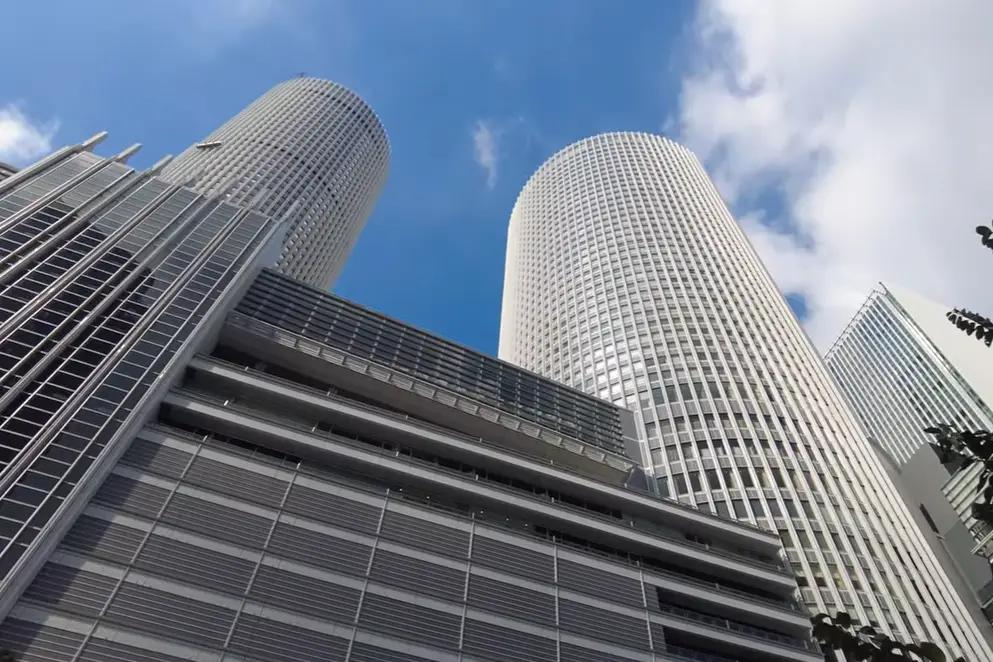
Nagoya Station is one of Japan's busiest rail hubs. It connects major cities like Tokyo, Kyoto, and Osaka via the Tokaido Shinkansen. The station serves as a gateway to central Japan and offers easy access to shopping, dining, and local attractions.
This guide covers everything you need to know about using the station, from Shinkansen platforms to transfer routes and local restaurants.
Nagoya Station Overview
Nagoya Station is located in central Japan, roughly halfway between Tokyo and Osaka. It serves as the main transport hub connecting eastern and western Japan. The station is operated by JR Central (Central Japan Railway Company). The impressive JR Central Towers rise 245 meters above the platforms.
The station handles Shinkansen bullet trains, local JR lines, private railways, and subway networks. Around 800,000 passengers pass through daily, making it one of Japan's busiest stations.
Shinkansen at Nagoya Station
How to Reach Major Cities
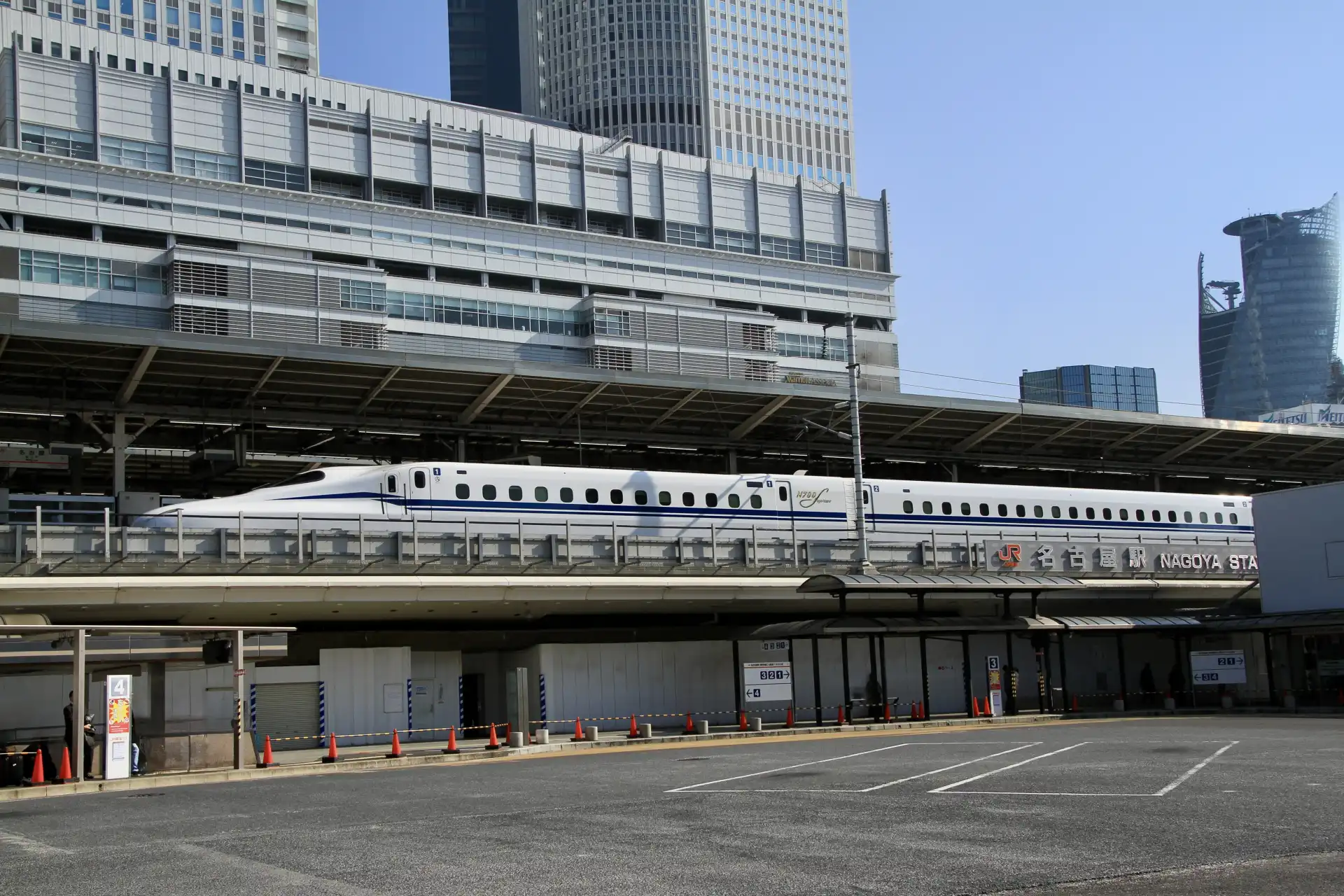
The Tokaido Shinkansen makes travel from Nagoya convenient and fast. Here are typical travel times:
- Tokyo to Nagoya: About 1 hour 40 minutes on Nozomi trains
- Nagoya to Kyoto: About 35-40 minutes on Nozomi trains
- Nagoya to Osaka: About 50-55 minutes on Nozomi trains
Hikari trains take slightly longer because they make more stops. Kodama trains stop at all stations along the line. All three train types use the same Shinkansen platforms at Nagoya Station.
Shinkansen Travel Times
Route | Nozomi | Hikari | Kodama |
1h 35-40min | 1h 40min - 2h 10min | 2h 35min | |
35-40min | 45-50min | 1 hour | |
50-55min | 1h 10-15min | 1h 5min |
Note: Prices vary by train, date, and availability. Reserved seats cost extra.
Tokaido Shinkansen Train Types
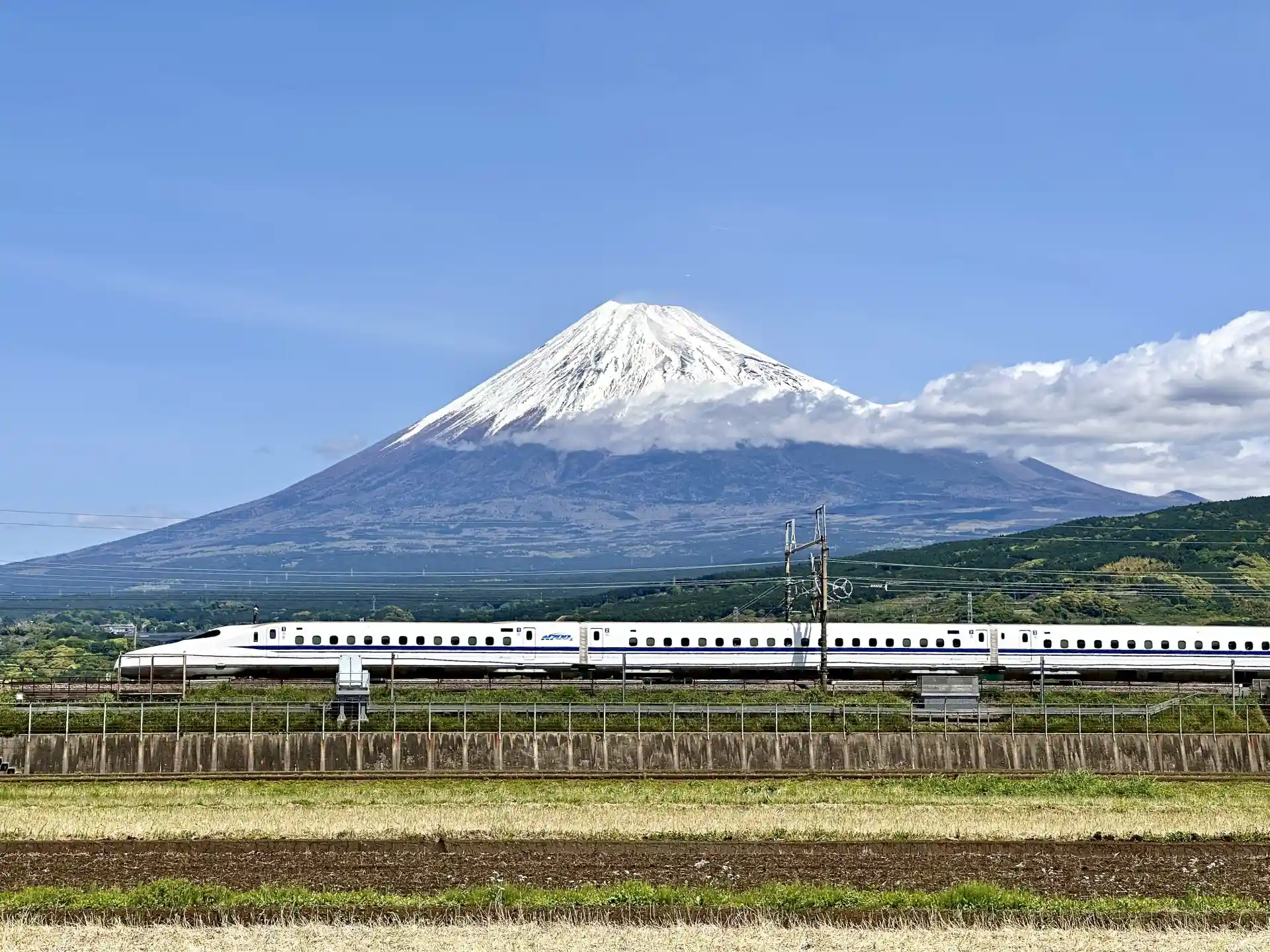
The Tokaido Shinkansen offers three service types with different speeds and stops:
- Nozomi: The fastest Tokaidō Shinkansen service with the fewest stops and high frequency throughout the day. Standard JR Pass holders cannot use Nozomi trains without purchasing an additional ticket.
- Hikari: A semi-express service that stops at more stations. It takes about 10-20 minutes longer than Nozomi for most routes.
- Kodama: The local Shinkansen that stops at every station. It's slower but still much faster than regular trains.
Important note: If you have a standard JR Pass, you cannot use Nozomi or Mizuho trains. You can ride Hikari and Kodama trains with a JR Pass.
Shinkansen Platforms
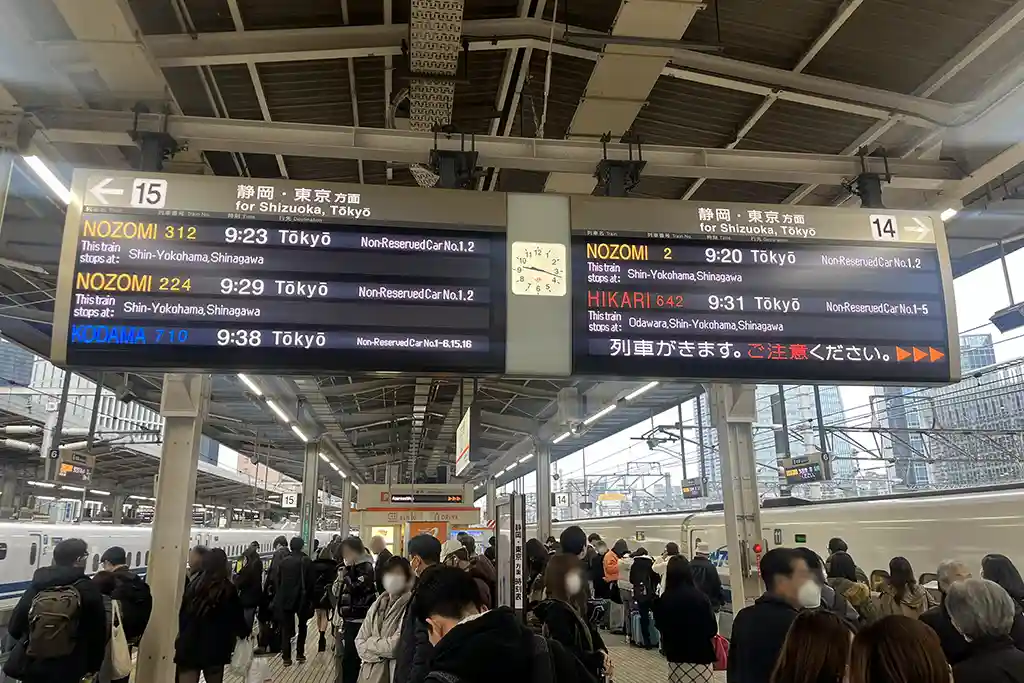
The Shinkansen platforms are on the elevated level of Nagoya Station. There are two main platforms, numbered 14-17:
- Platform 14-15: For trains heading to Shizuoka, Shin-Yokohama and Tokyo (eastbound)
- Platform 16-17: For trains heading to Kyoto, Shin-Osaka and Hakata (westbound)
How to Buy Shinkansen Tickets
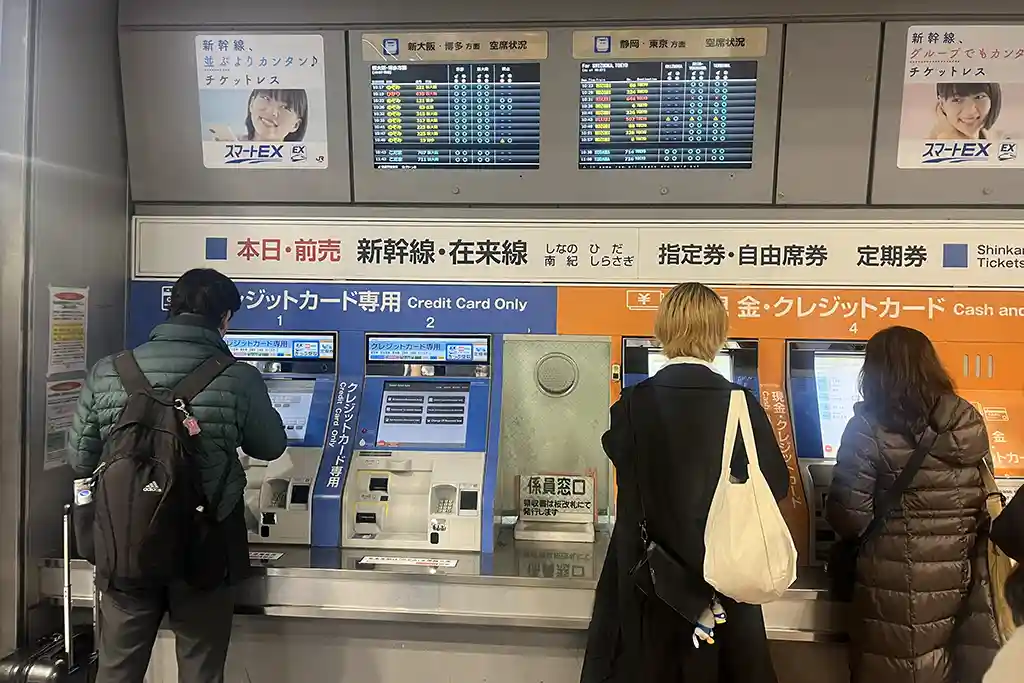
Ticket Machines and JR Ticket Office
You can purchase Shinkansen tickets at the station in several ways.
Ticket machines support English, Chinese, and Korean. You can buy unreserved and reserved seat tickets with cash or credit cards.
JR Ticket Offices (Midori-no-madoguchi) have English-speaking staff near the Central Concourse. If you have a JR Pass, bring your exchange order and passport for validation.
Online Booking with Japan Bullet Train
For a smoother and more convenient experience, you can book your Shinkansen tickets online before arriving. Compared with buying at station machines or JR Ticket Offices, online booking lets you avoid waiting in lines on the day of travel, and you can make reservations any time and from anywhere, even before your trip starts.
Japan Bullet Train offers a simple reservation system designed for foreign travelers. The service provides:
- Online booking with multilingual support
- Customer support by phone (based in Japan)
- Coverage of many Shinkansen routes and some conventional lines
To use Japan Bullet Train, book online, receive your QR code by email, and exchange it for paper tickets at Nagoya Station or other major stations. The process is quick, helps you skip ticket-office lines, and reduces language barriers—making it a convenient option for busy travelers.

Nagoya Station Map and Exits
Station Layout Overview
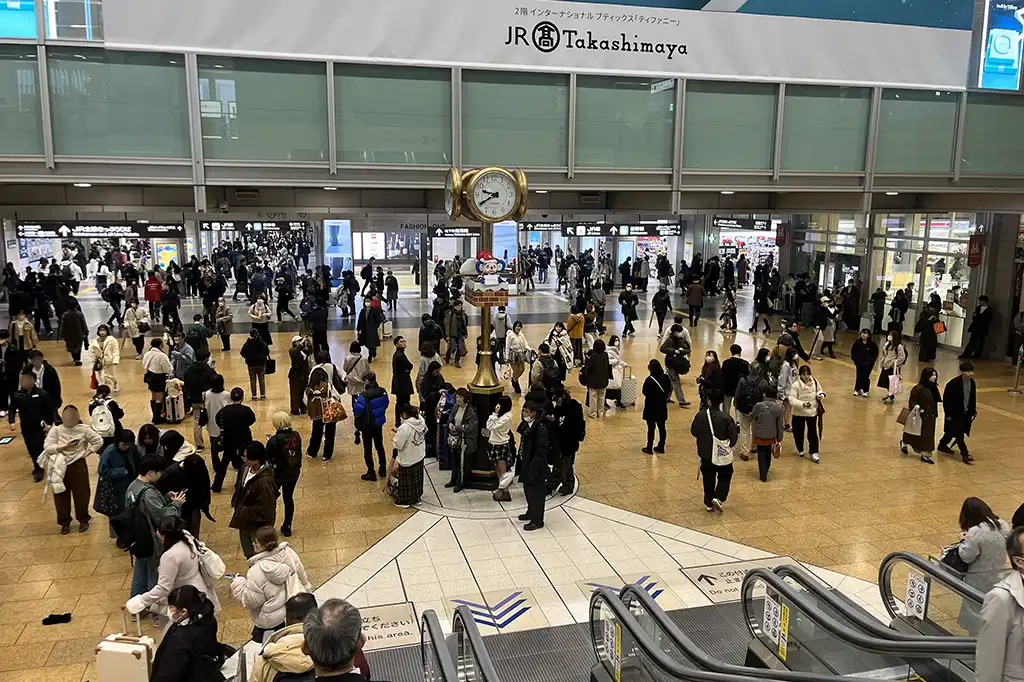
Nagoya Station is a multi-level hub connecting the Shinkansen, JR lines, private railways, subways, and underground malls.
The Shinkansen platforms are elevated, while JR lines sit on both ground and upper levels, all linked by the Central Concourse. Underground malls such as Esca and Unimall offer additional pathways.
The station is divided into two main sides: Sakura-dori (east) and Taiko-dori (west), each with different exits and transport connections.
Transfers for Subway Meitetsu and Kintetsu
Subway Transfers
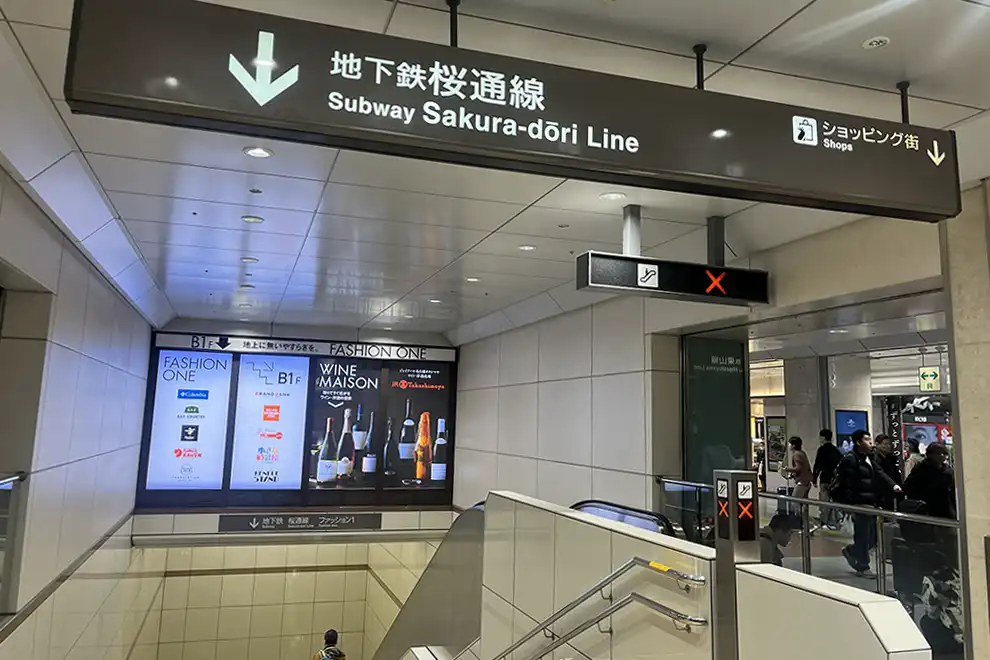
Nagoya's subway system is the easiest way to reach major attractions in the city. Two lines serve Nagoya Station:
- Higashiyama Line (yellow): Connects to Sakae, Nagoya Castle, and other downtown areas
- Sakuradori Line (red): Runs east-west through the city
Subway platforms are on the underground level. Follow signs downstairs from JR or private railway gates. The subway uses its own fare system separate from JR trains.
Meitetsu Transfers to Centrair Airport
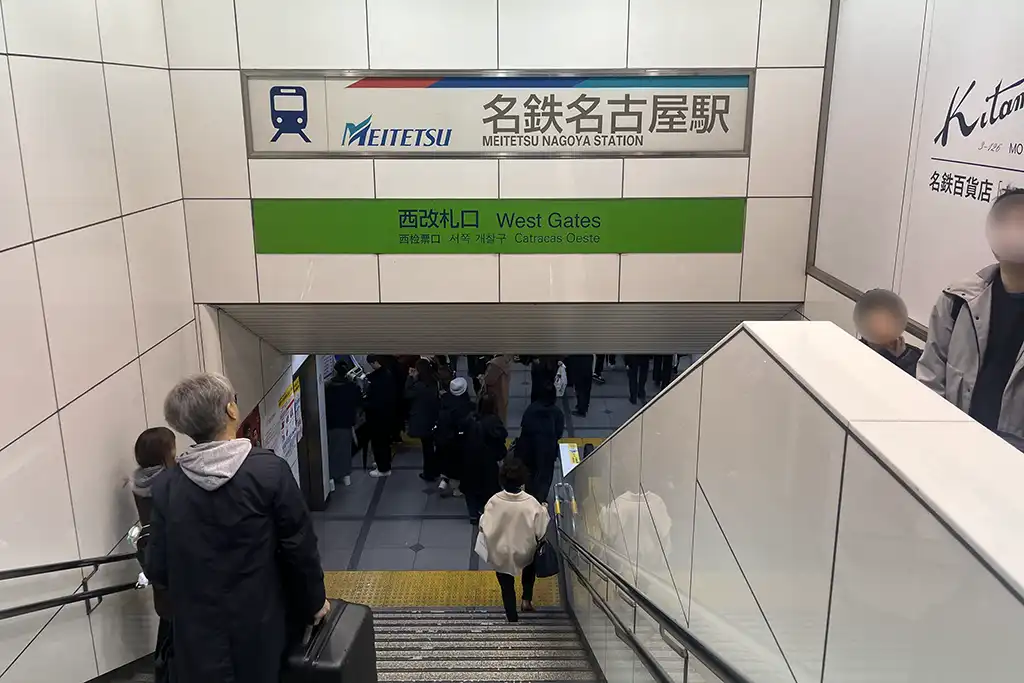
Meitetsu (Nagoya Railroad) connects Nagoya to destinations across Aichi Prefecture, especially Central Japan International Airport (Centrair). The μ-SKY Limited Express (Mu-Sky) reaches the airport in about 28 minutes with reserved seats.
Meitetsu platforms are on the south side of the station. Look for signs saying "Meitetsu" or "Centrair Airport."
Kintetsu Transfers

Kintetsu (Kinki Nippon Railway) connects Nagoya to Mie Prefecture and the Kansai region. The main routes serve Ise Grand Shrine, Toba, Shima, and Osaka. Popular services include limited express trains and the sightseeing train Shimakaze.
Kintetsu platforms are on the south side of the station.
Sakuradori Exit East Side
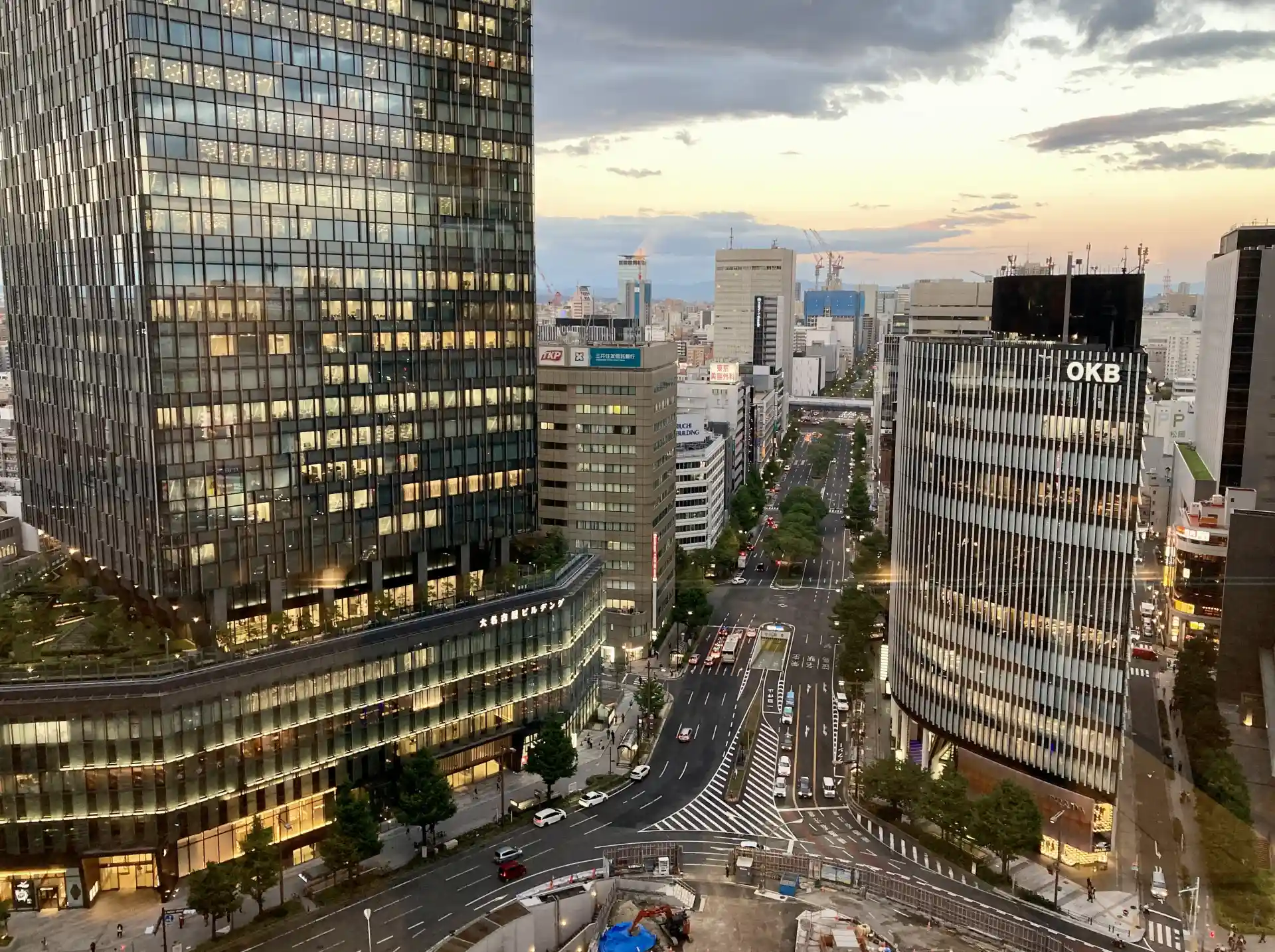
The Sakura-dori Exit (east side) leads to Nagoya's bustling city center. This side features:
- JR Central Towers and Midland Square (direct access)
- Takashimaya department store
- Subway lines (Higashiyama and Sakuradori)
- Local buses to downtown areas like Sakae
The famous "Golden Clock" (Kin-no-tokei) monument near this exit serves as a popular meeting point.
Taikodori Exit West Side
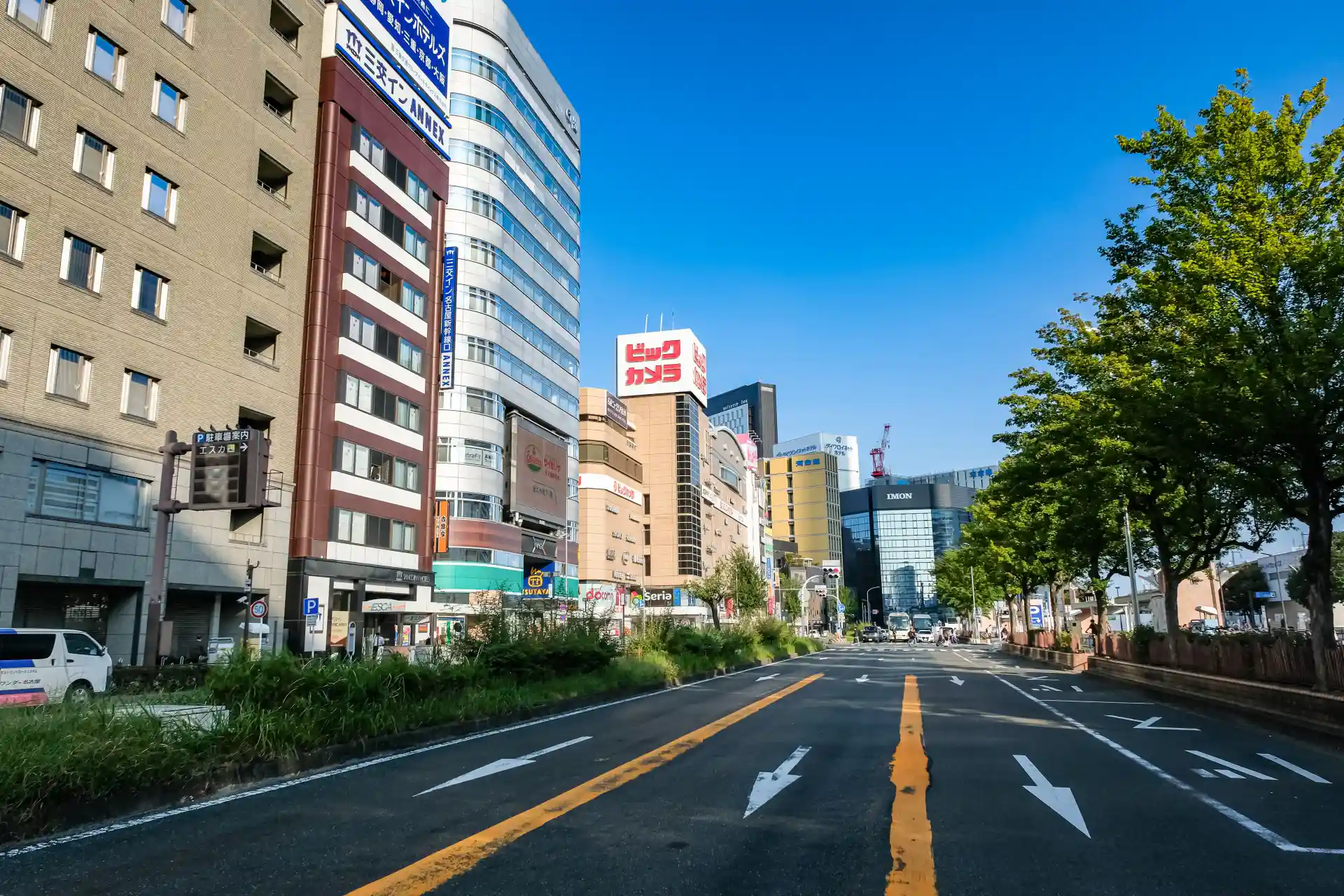
The Taiko-dori Exit (west side) is closest to the Shinkansen platforms and ticket offices. This side offers:
- Convenient access for Shinkansen travelers
- Business hotels and casual restaurants
- Bic Camera electronics store
- Various dining streets
Inside the station near the Shinkansen gates, the "Silver Clock" (Gin-no-tokei) monument is another well-known meeting spot for travelers.
● Read More: Maps of station layouts by JR Central (Central Japan Railway Company)
Facilities and Traveler Services
Coin Lockers

Coin lockers are located in multiple areas throughout Nagoya Station, including:
- Central Concourse
- Central Concourse South
- Sakura-dori Exit area (including basement and near restrooms)
- Taiko-dori Exit area
- Hirokoji Exit (including the area near restrooms)
- Gate Tower B1 Floor
- Bus Terminal South areas
All lockers accept coins and IC cards.
If lockers are full, nearby shopping facilities and partner stores offer short-term luggage storage.
Tourist Information Center and Free Wi-Fi

The Nagoya Station Tourist Information Center is located on the Central Concourse, toward the east side of the station. Staff provide English assistance and offer free maps and sightseeing pamphlets in multiple languages, including Chinese and Korean. They can help with transportation guidance, sightseeing suggestions, and tourism-related ticket inquiries.
Free Wi-Fi is available in many areas of the station. For more reliable internet during your trip, consider using a portable Wi-Fi device or eSIM service from Japan Wireless.
Restaurants Near Nagoya Station
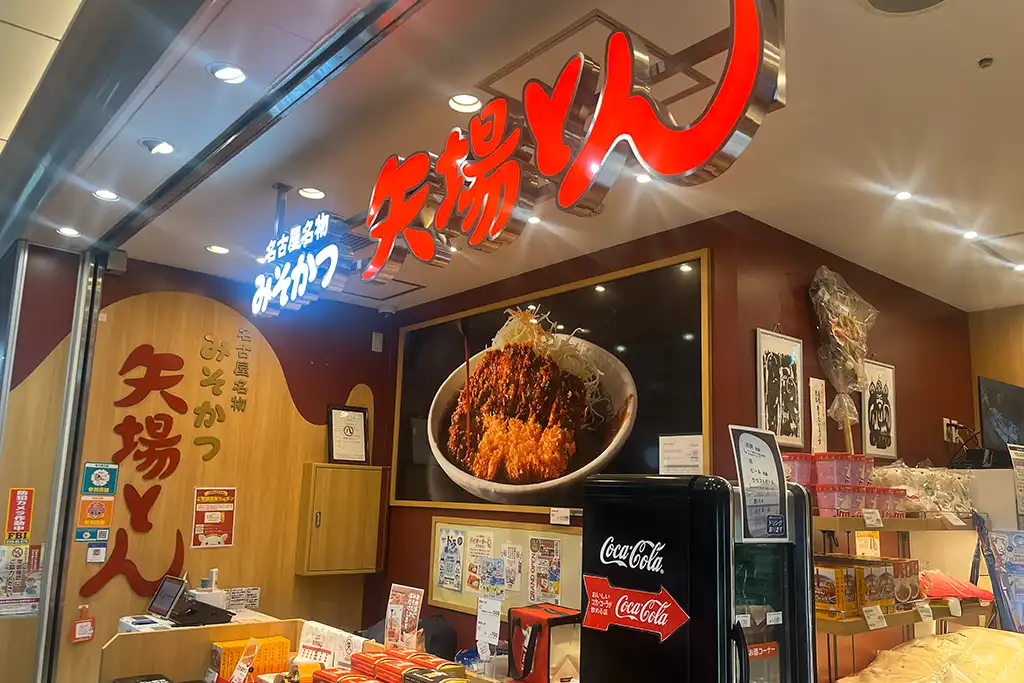
Nagoya Station has excellent dining options in the buildings directly connected to the station and in the underground malls. It is one of the best places to try Nagoya Meshi, the region’s famous local cuisine.
Popular dishes include hitsumabushi (grilled eel over rice), miso katsu, tebasaki chicken wings, miso nikomi udon, kishimen, and Taiwan ramen.
Here are the main dining areas around Nagoya Station:
・Esca: Located near the Taiko-dori (Shinkansen) Exit. Convenient for travelers and known for many Nagoya Meshi restaurants and souvenir shops.
・JR Central Towers: On the Sakura-dori side. Features Takashimaya and several restaurant floors, including high-rise dining.
・JR Gate Tower: Connected to the Towers. Offers casual dining, cafés, and access to the Sky Promenade.
・Dai Nagoya Building: Directly linked underground. Modern restaurants and cafés with a quieter, refined atmosphere.
・KITTE Nagoya: In JP Tower on the Sakura-dori side. Retro-modern space with casual Nagoya-style dining options.
Whether you want a quick bite between trains or a more relaxed dining experience, the area around Nagoya Station offers plenty of choices.
Shopping and Souvenirs in Station Malls
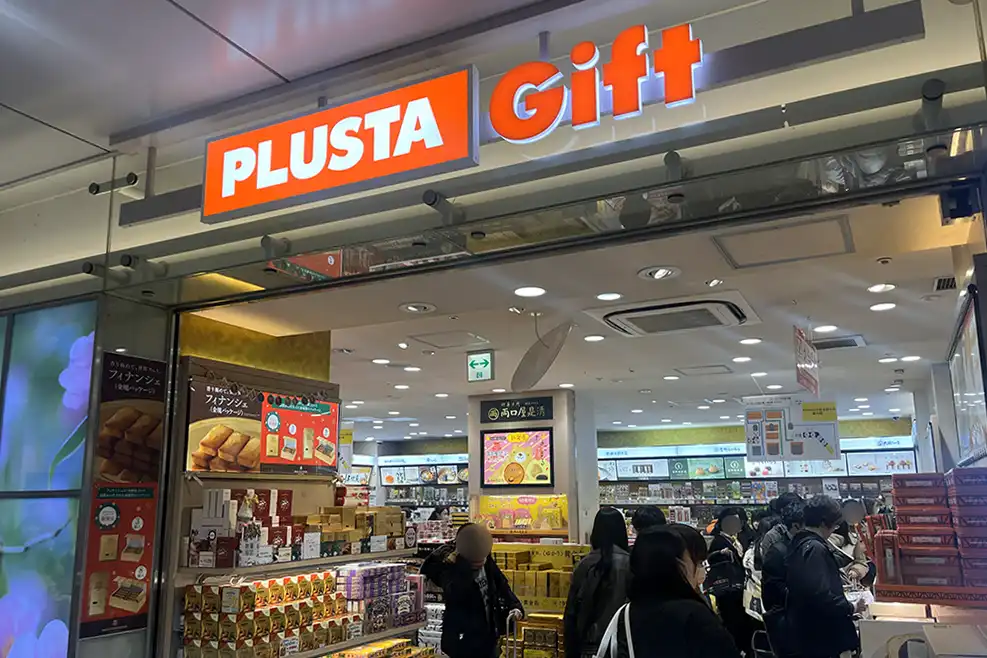
Nagoya Station area offers convenient shopping with stores concentrated in directly connected buildings and underground streets. Major shopping locations include:
- JR Central Towers
- JR Gate Tower
- Midland Square
- Dai Nagoya Building
- Underground streets (Unimall, Sunroad, and others)
Popular souvenirs include uiro (sweet rice cake) and cookies or pastries inspired by Ogura toast. For Nagoya Meshi-related items, you can find miso katsu sauce, instant miso nikomi udon, and kishimen noodles.
Esca underground mall, the JR Central Towers (Takashimaya) basement, and PLUSTA in front of the Central Exit ticket gate offer many of Nagoya’s most popular souvenirs, making them ideal for efficient souvenir shopping.
Attractions Near Nagoya Station
Nagoya Castle
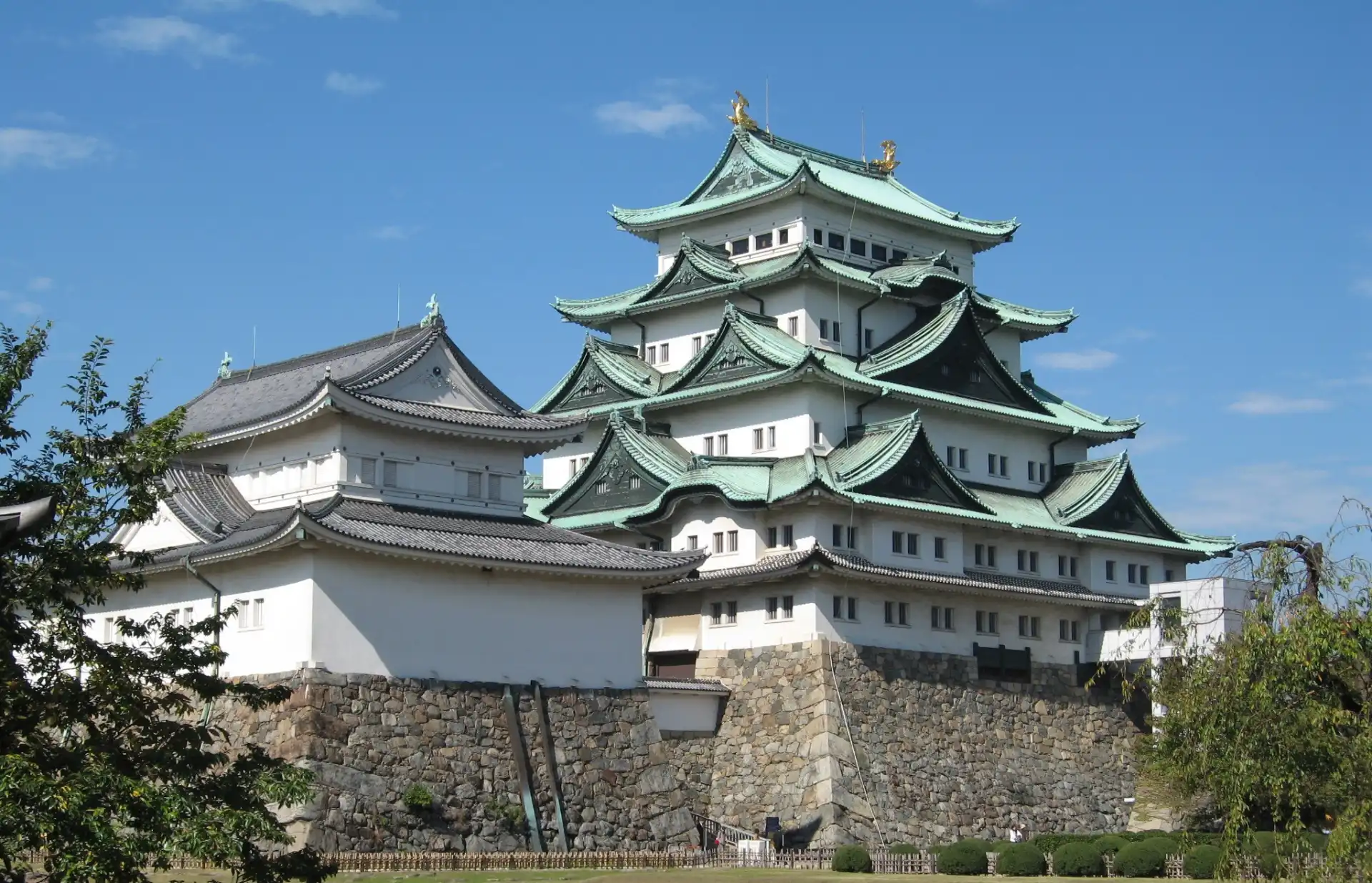
Nagoya Castle is one of the city's most famous landmarks. The castle features impressive stone walls and golden dolphin-like roof ornaments. The main keep offers exhibits about samurai history and Nagoya's past.
From Nagoya Station, take the subway Meijo Line to Shiyakusho Station. The journey takes about 15 minutes. The castle grounds are beautiful during cherry blossom season in spring.
Osu Shopping District
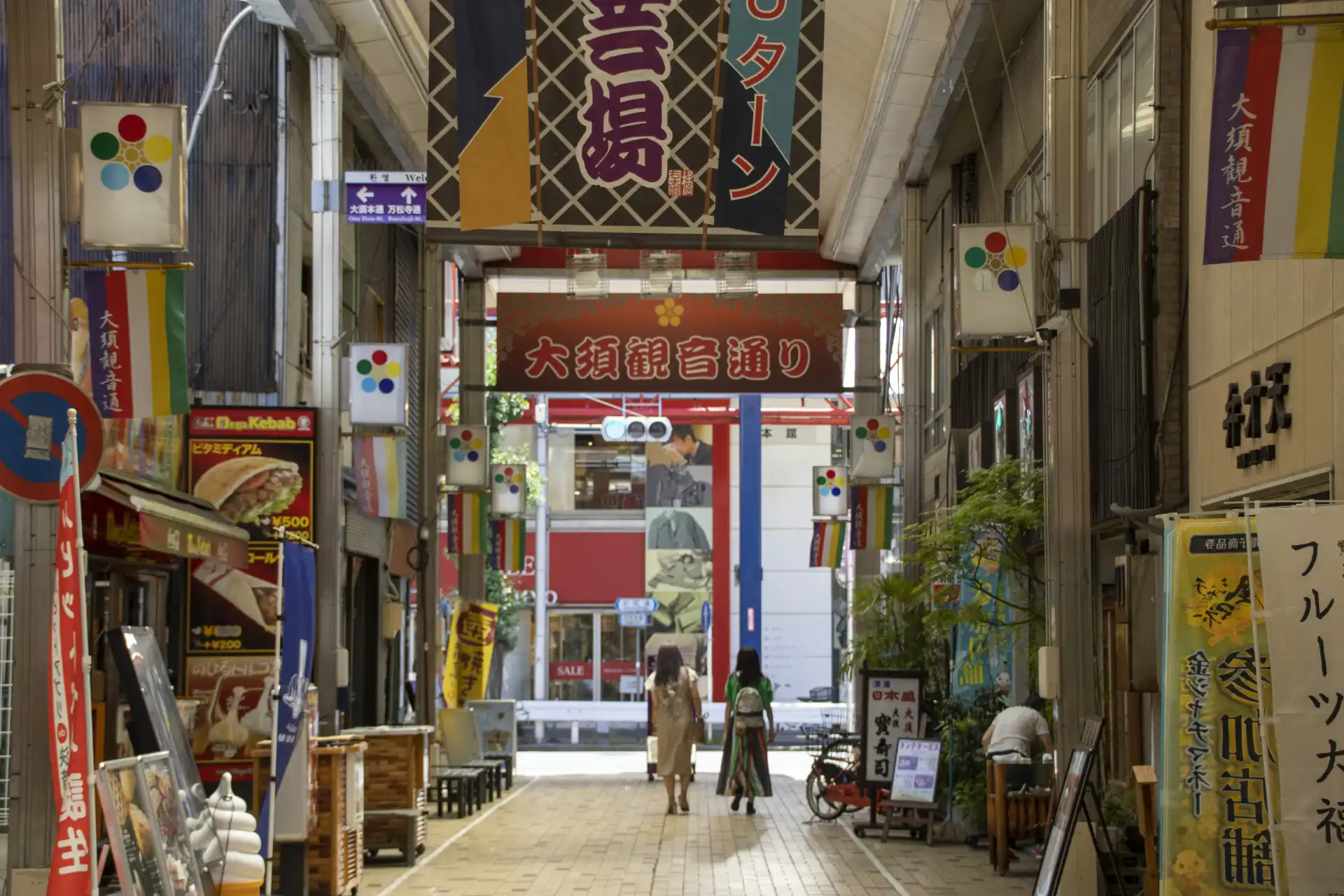
Osu is a lively shopping district known for electronics, vintage fashion, and street food. Osu Kannon temple sits at the heart of the area. The covered shopping arcades make it enjoyable even on rainy days.
Take the Tsurumai subway line from Nagoya Station to Osu Kannon Station. The trip takes about 10 minutes.
Sakae Downtown Area
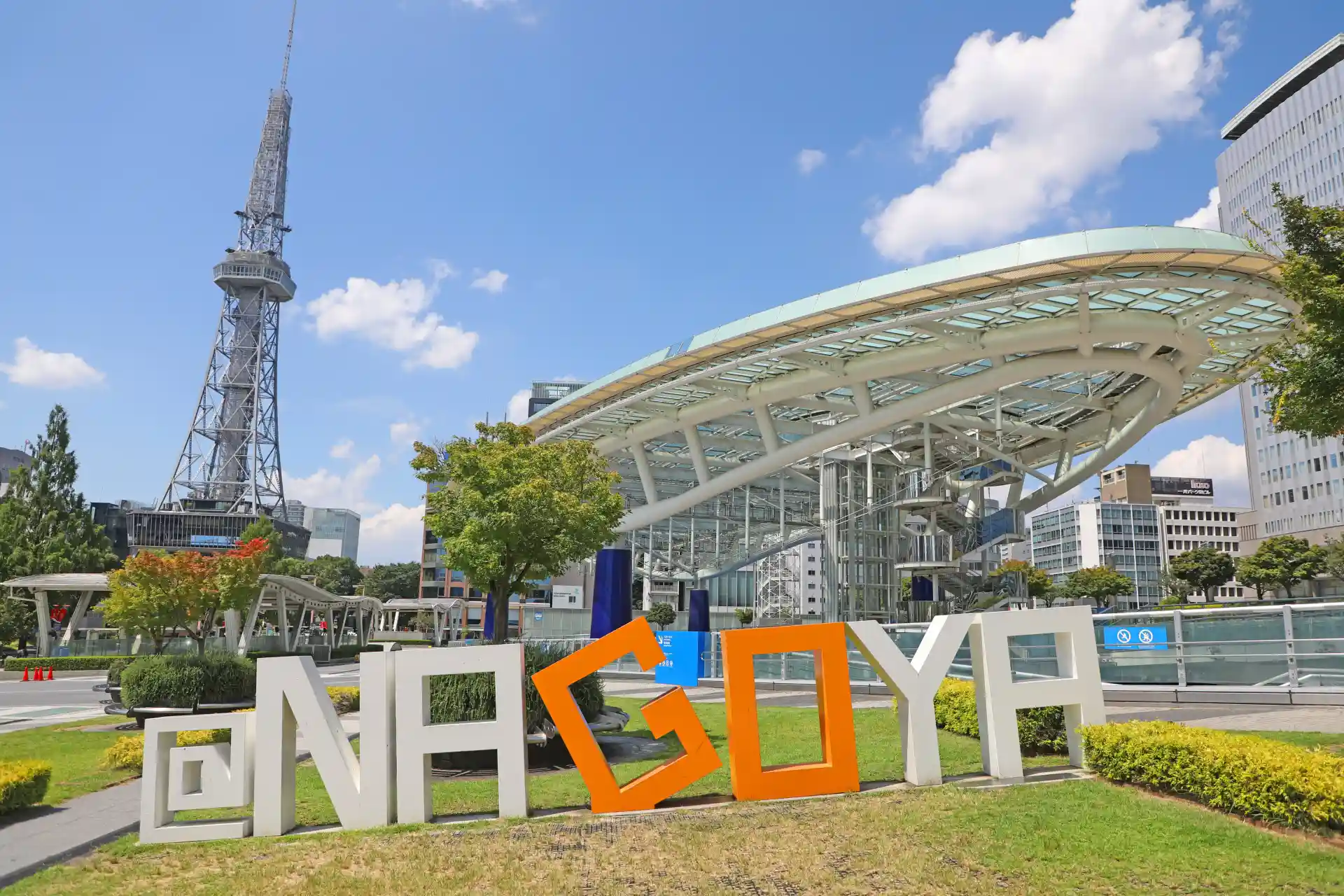
Sakae is Nagoya's downtown district with modern shopping centers, restaurants, and nightlife. Notable spots include Oasis 21 (a glass building with rooftop garden) and Nagoya TV Tower.
Access Sakae via the Higashiyama subway line from Nagoya Station. It's only two stops away, about 5 minutes.
Toyota Commemorative Museum
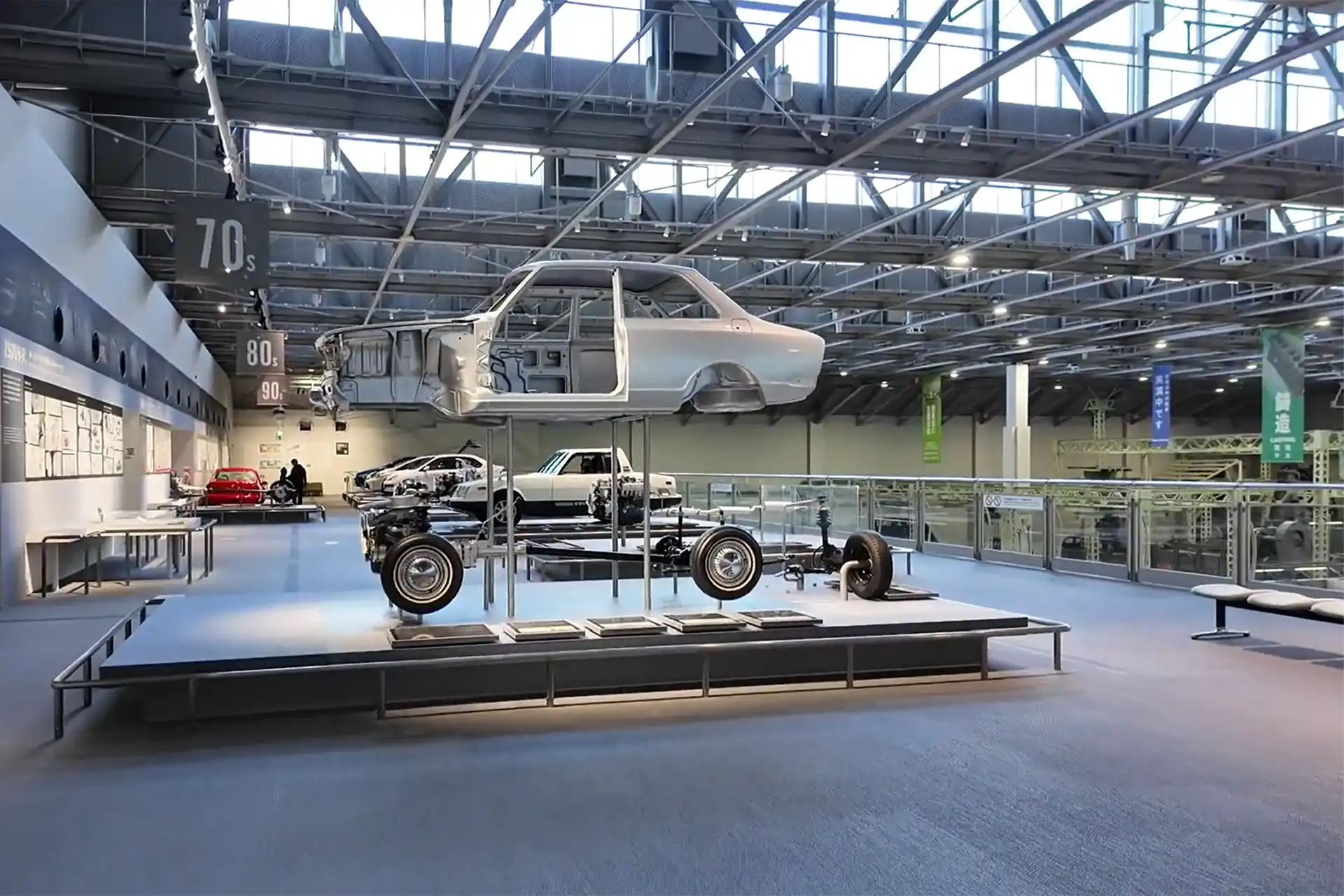
This museum showcases the history of Toyota and Japan's industrial development. Interactive exhibits demonstrate textile machinery and automobile production. It's educational and interesting for families.
Take the Meitetsu Nagoya Main Line to Sako Station. The museum is a short walk from the station. Total travel time is about 20 minutes.
SCMAGLEV and Railway Park
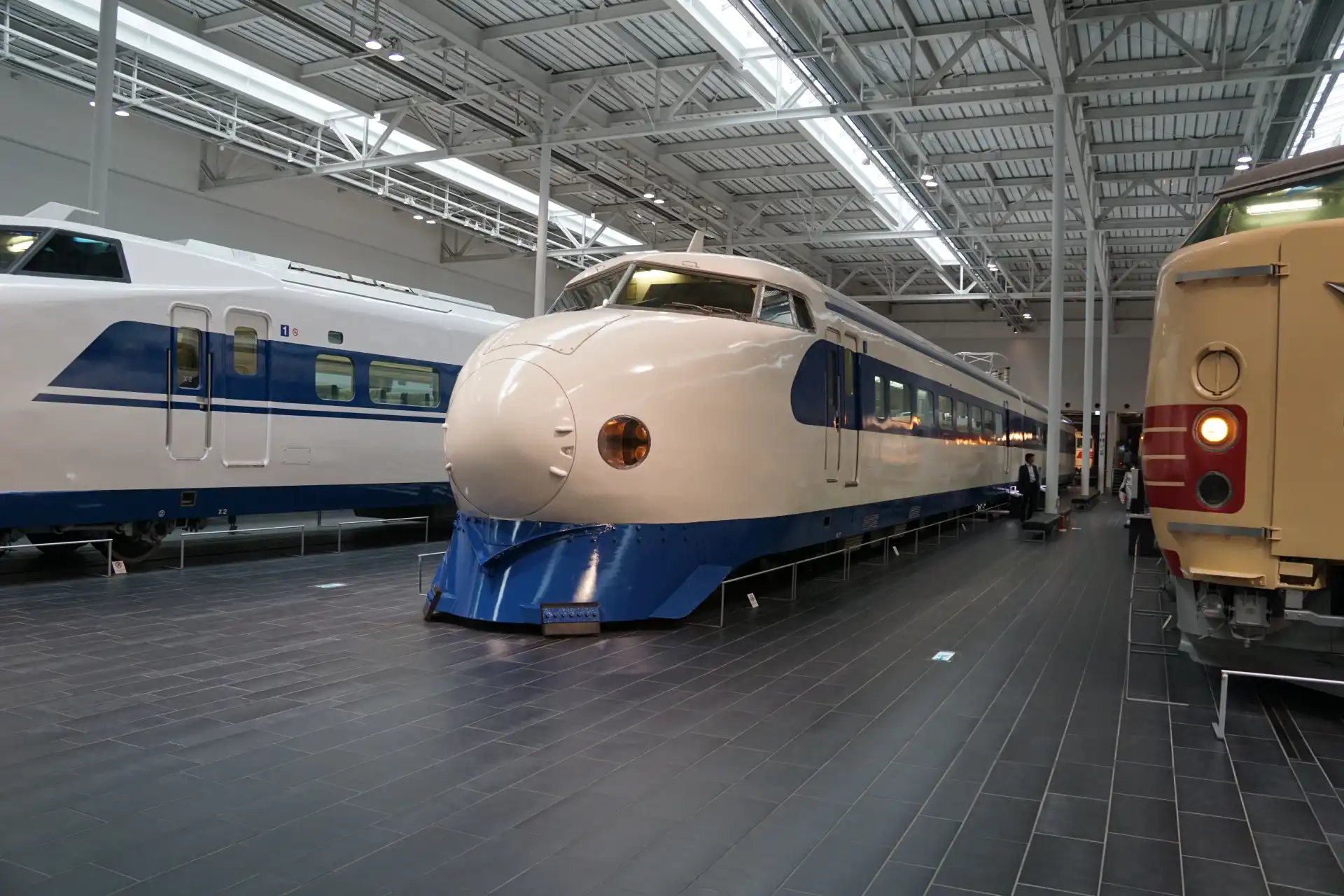
This railway museum features actual train cars including shinkansen and the experimental maglev. Interactive displays explain railway technology and history. It's perfect for train enthusiasts and children.
Take the Aonami Line from Nagoya Station to Kinjofuto Station. The journey takes about 25 minutes. The museum is next to the station.
Plan Your Visit
Nagoya Station is more than just a transport hub. It connects you to major cities across Japan while offering excellent shopping and dining right inside the station complex. The combination of Shinkansen, private railways, and subway lines makes it an ideal base for exploring central Japan.
The station is well-organized with clear English signage and helpful information centers. Whether you're catching Shinkansen, transferring to the airport, or exploring Nagoya's attractions, everything is within easy reach. Take time to enjoy local specialties like miso katsu and hitsumabushi between connections.
For a stress-free travel experience, book your Shinkansen tickets online with Japan Bullet Train before your trip. Skip the ticket office lines and start your journey with confidence.