


Hỗ trợ khách hàng
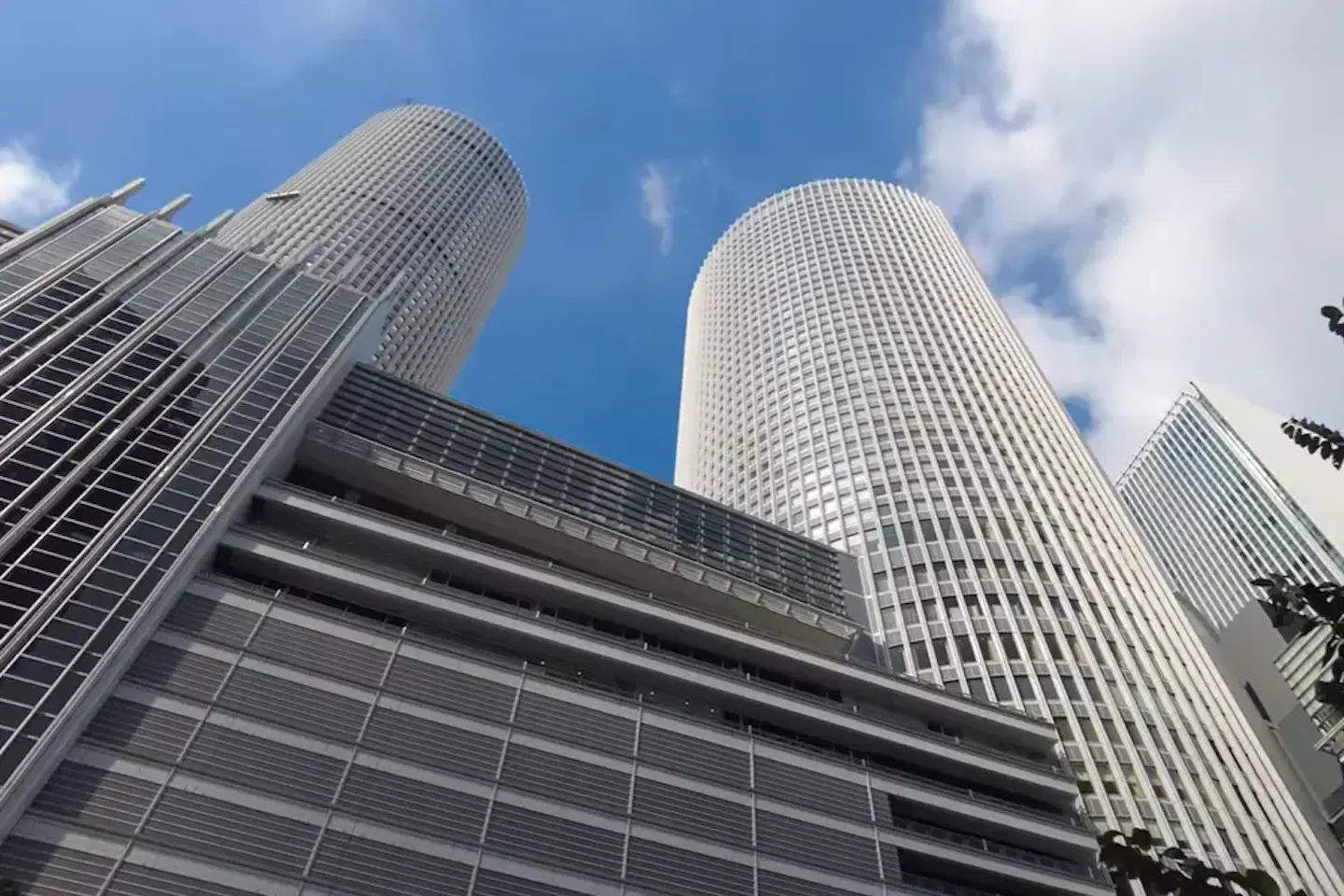
The key to navigating Nagoya Station is understanding its east-west layout. Once you know the two sides, finding the Shinkansen, transfers, and luggage storage becomes much easier. Here’s what you need to know before you travel.
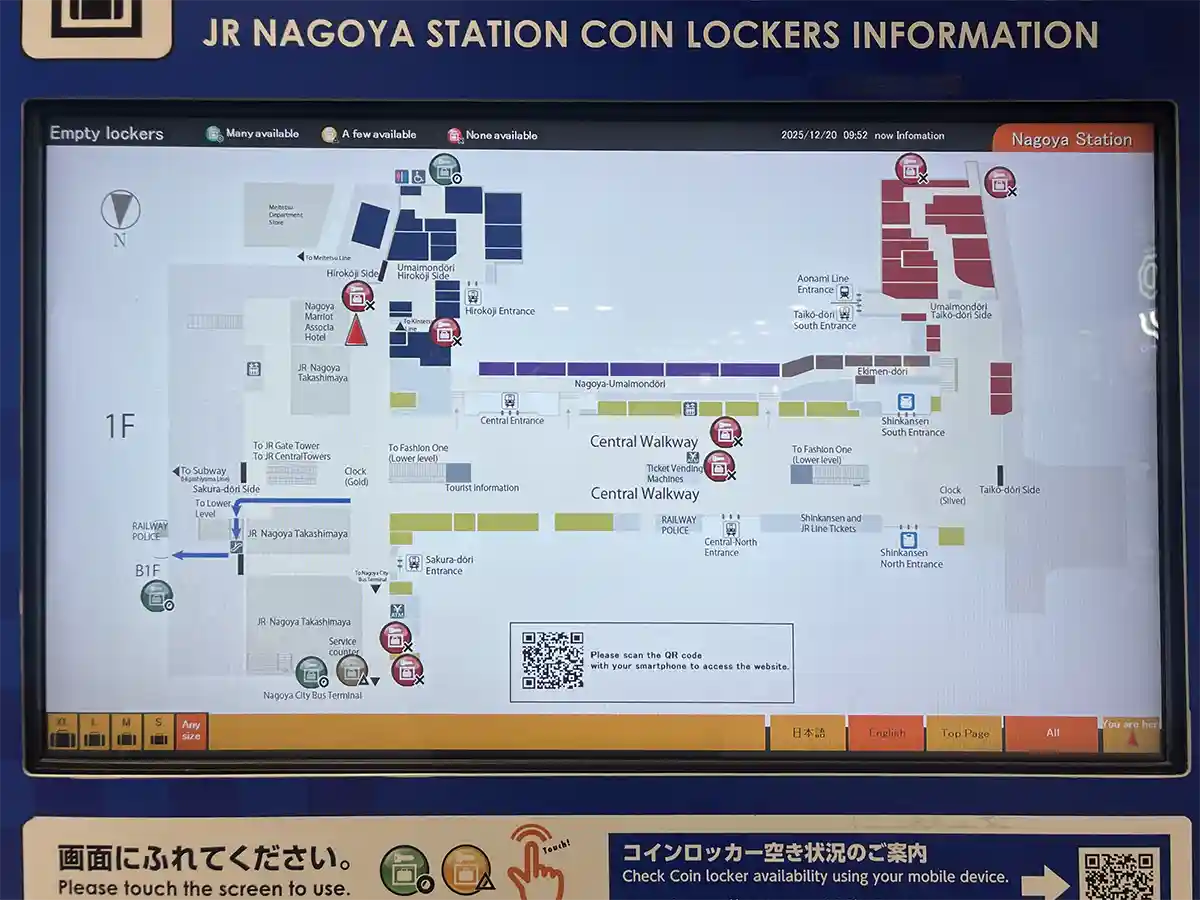
Nagoya Station is divided into two main sides: Sakura-dori on the east side and Taiko-dori on the west side. The Central Concourse connects the two sides, so you can walk between them without leaving the station.
Side | Best for |
Sakura-dori (East) | JR lines, subway, Meitetsu and Kintetsu access |
Taiko-dori (West) | Shinkansen, Aonami Line, highway buses |
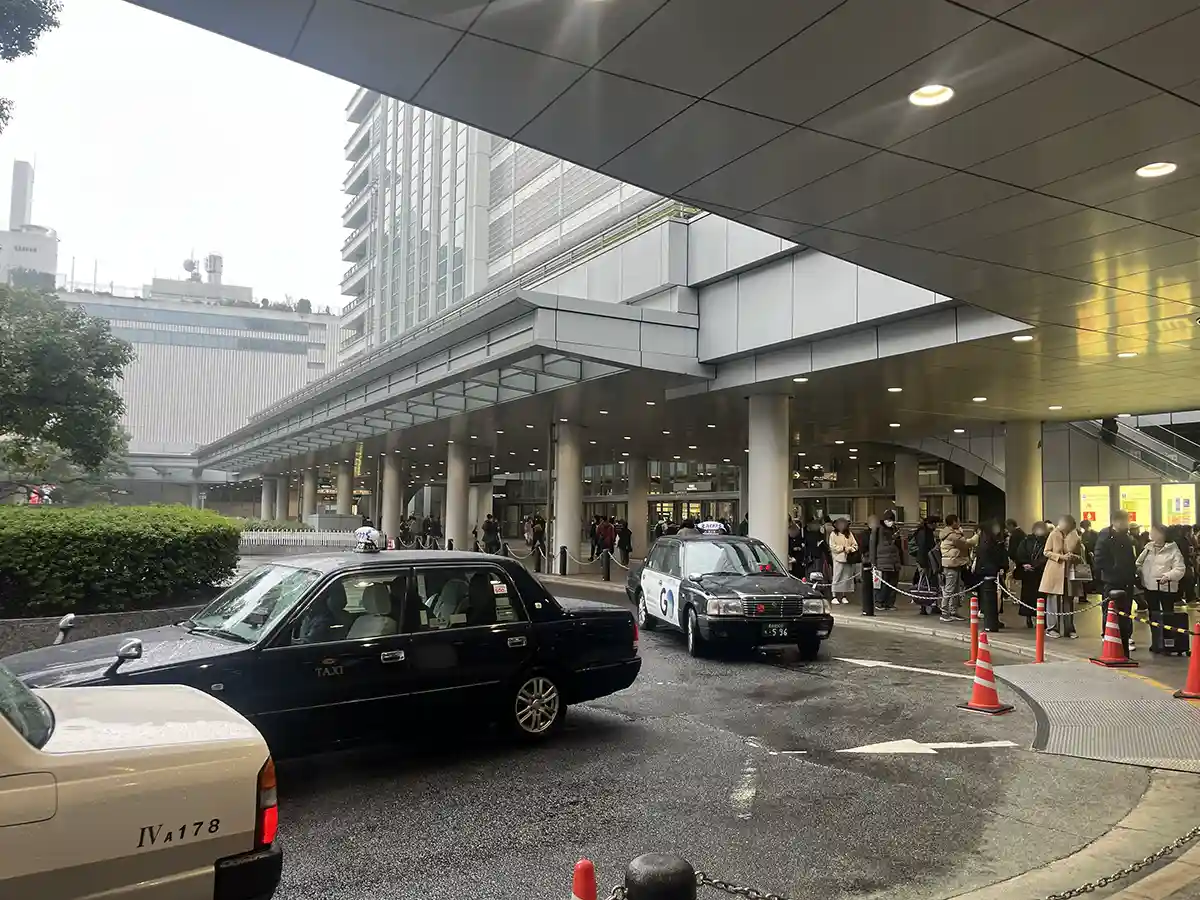
Sakura-dori is the east side of Nagoya Station and faces central Nagoya. Use this side for JR lines, the Higashiyama and Sakura-dori subway lines, and access toward Meitetsu and Kintetsu.
This side also leads toward JR Central Towers, Midland Square, Takashimaya, and the Nana-chan mannequin near Meitetsu Nagoya Station. The Gold Clock near the Sakura-dori Exit is a useful landmark and a popular meeting point.
If you are taking the subway, head toward the Sakura-dori side and follow signs for the Higashiyama or Sakura-dori Line.
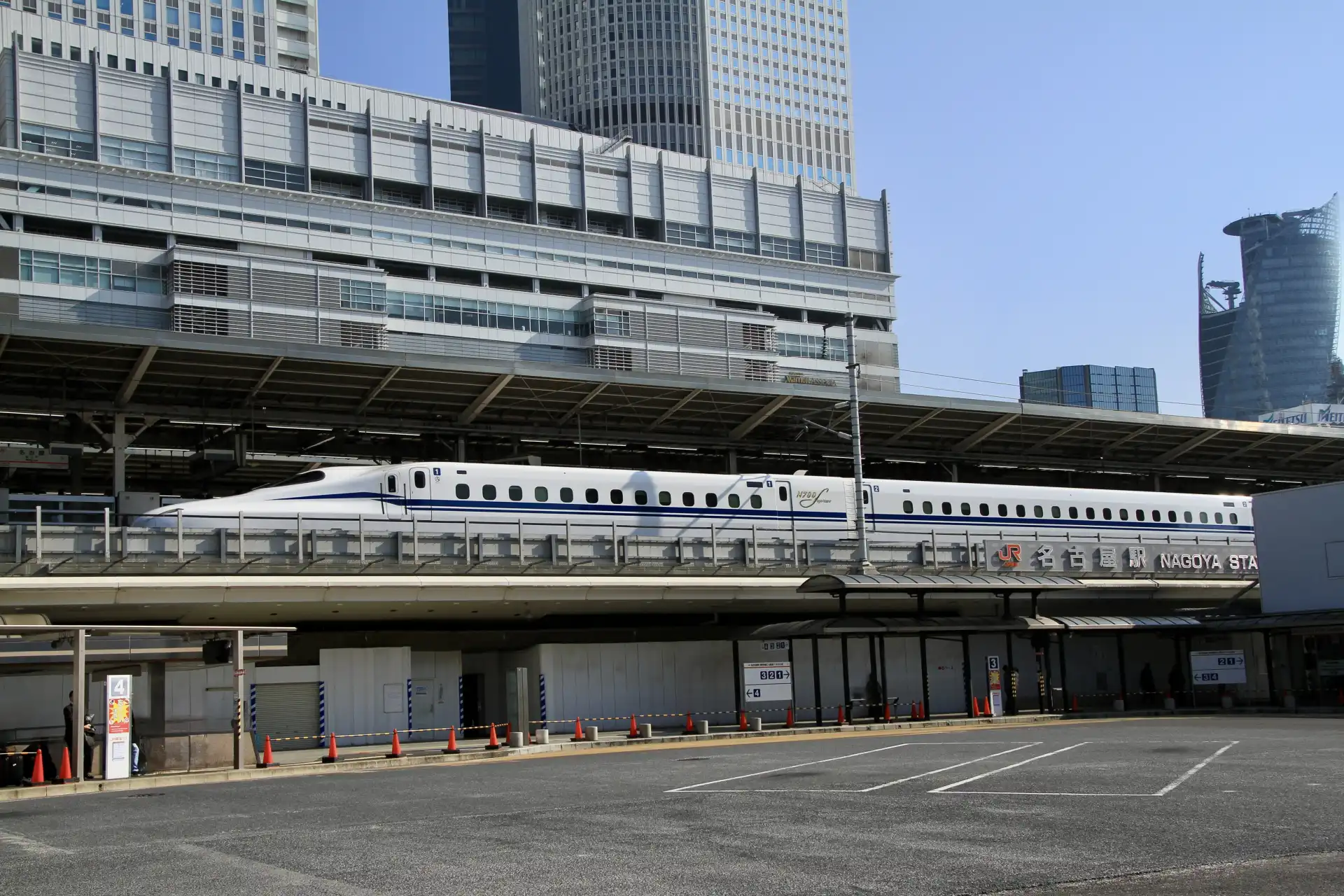
Taiko-dori is the west side of Nagoya Station and the main side for the Shinkansen. If you are taking the Shinkansen, this is the side you will usually use for the Shinkansen ticket gates.
You can also access the Aonami Line for the Legoland area, the ESCA underground shopping and dining area, and highway bus stops from this side. The Silver Clock near the Taiko-dori side is a useful landmark and a common meeting point.
For a detailed station map, see the official JR Central Nagoya Station map.
The Shinkansen area at Nagoya Station is on the Taiko-dori side. Nagoya is on the Tokaido Shinkansen, with trains running east toward Tokyo and west toward Kyoto and Shin-Osaka.
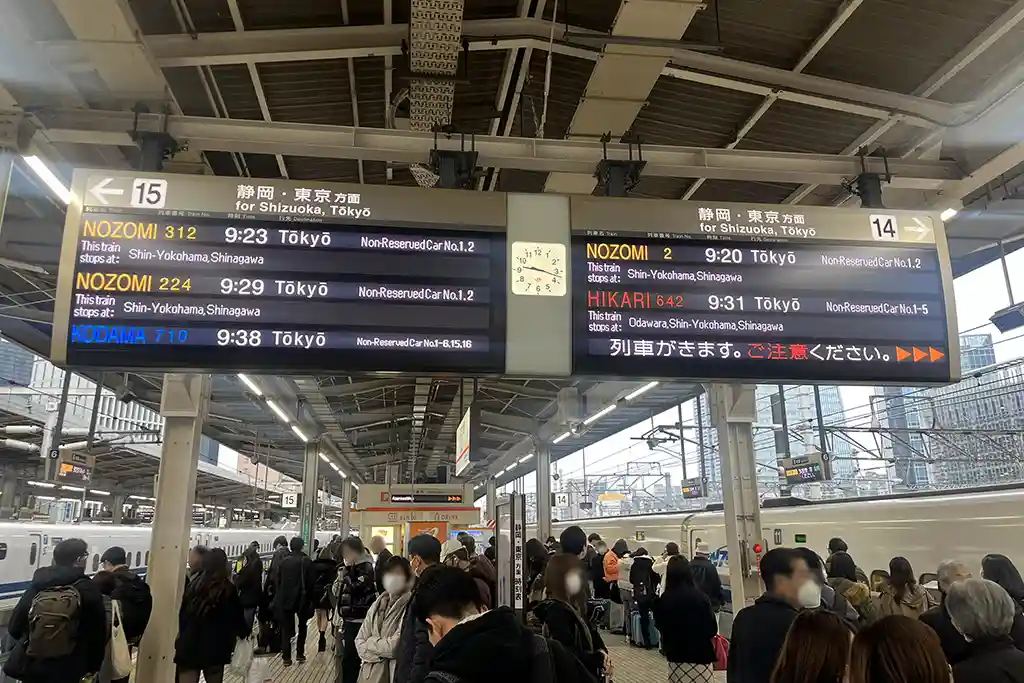
The Shinkansen platforms are on the elevated level of Nagoya Station. Shinkansen trains use platforms 14–17:
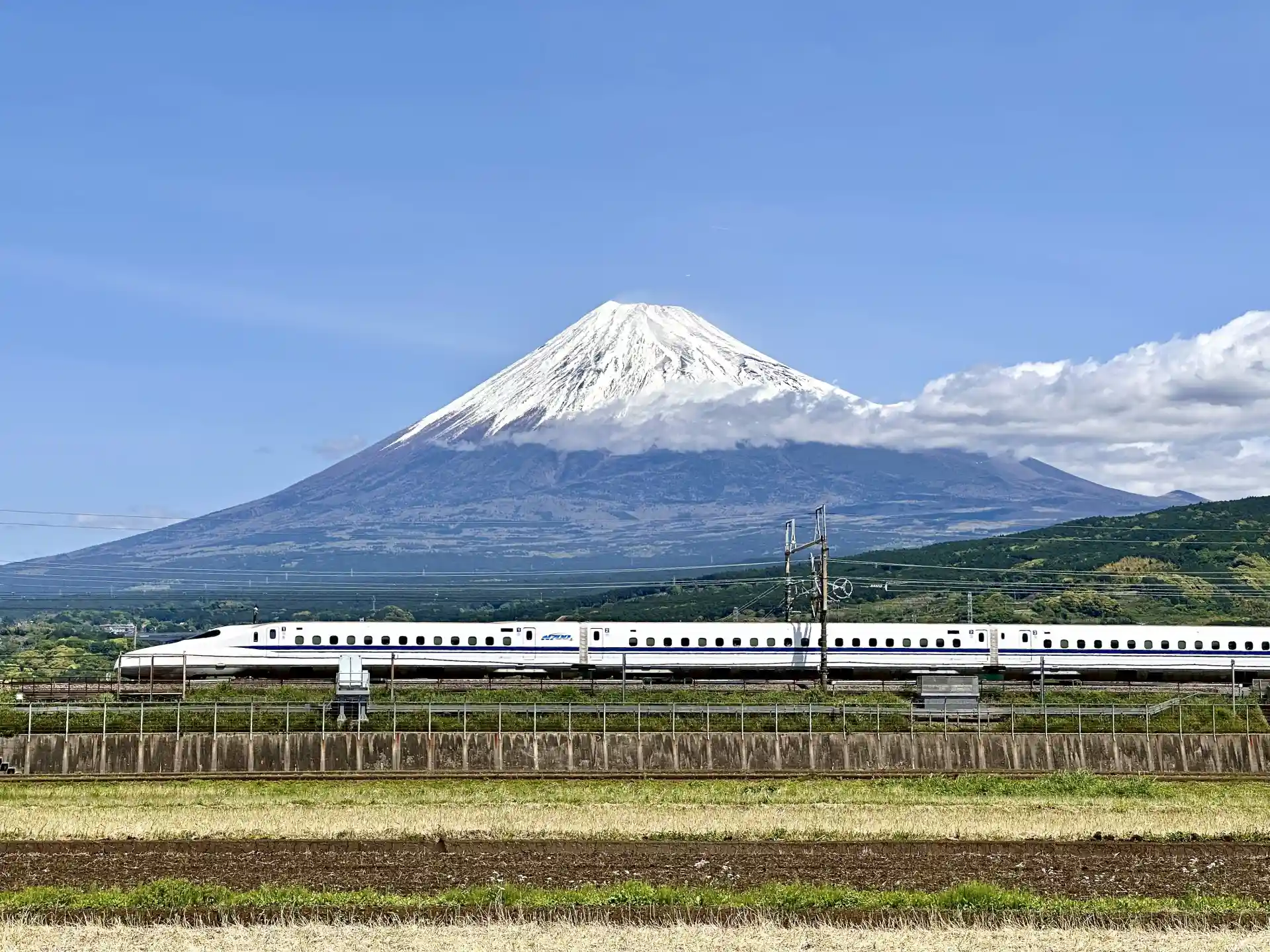
Located in central Japan, Nagoya has quick Shinkansen connections east to Tokyo and west to Kyoto and Shin-Osaka.
Route | Nozomi | Hikari | Kodama |
1h 35-40min | 1h 45min - 2h | 2h 40min | |
35min | 35-50min | 45-55min | |
50min | 50min - 1h10min | 1h 5-10min |
Nozomi is the fastest option and stops at the fewest stations. Hikari makes more stops, while Kodama stops at every station.
Hikari and Kodama are included with the Japan Rail Pass at no extra cost. If you want to ride Nozomi, you need to purchase the additional [ONLY WITH JAPAN RAIL PASS] NOZOMI MIZUHO Ticket.
For a full comparison, see our guide to Nozomi, Hikari, and Kodama.
Meitetsu, Kintetsu, and the Nagoya City Subway are separate railway systems from JR and the Shinkansen. Each has its own gates and ticket area.
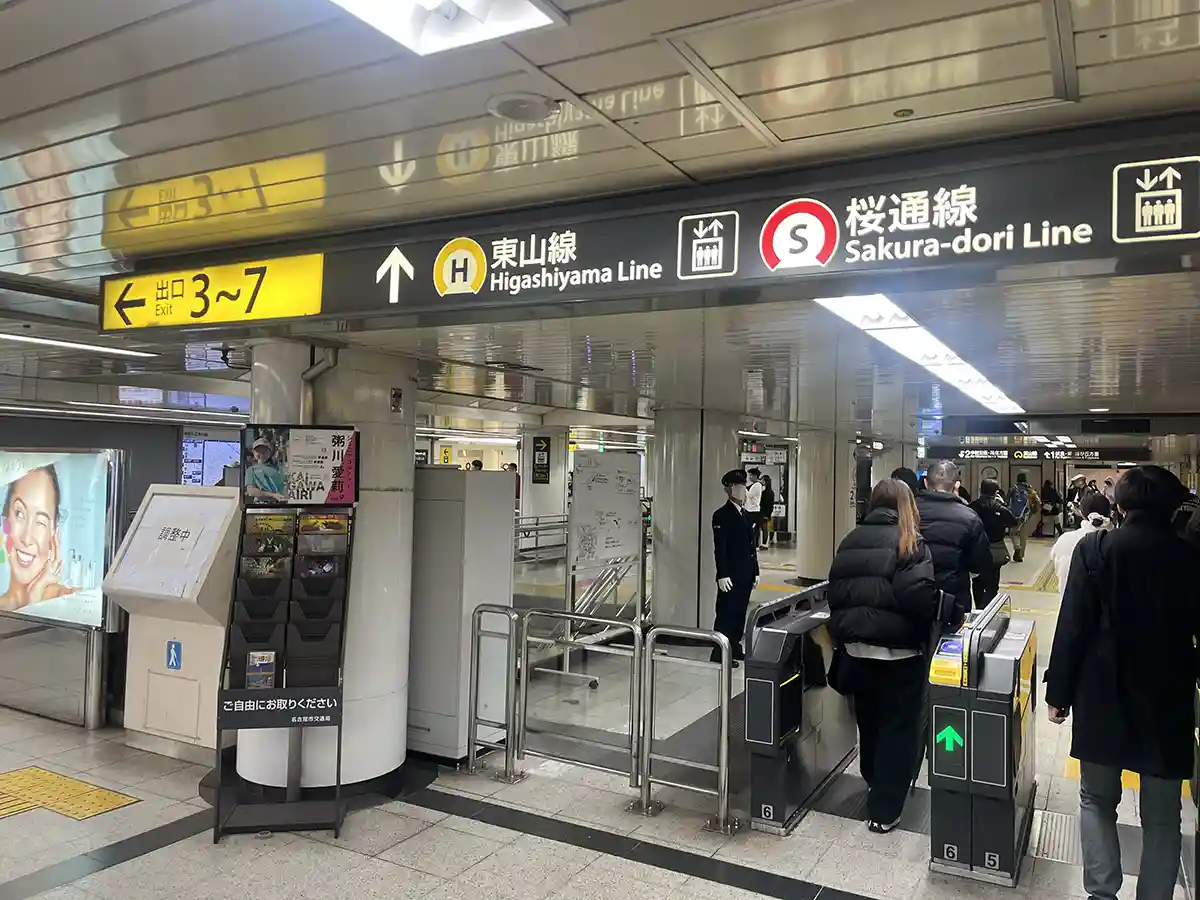
Two subway lines serve Nagoya Station:
The Higashiyama Line platform is on B2, while the Sakura-dori Line platform is on B3. Follow the subway signs from the JR area. JR tickets and the JR Pass cannot be used on the subway, so use a compatible IC card or buy a subway ticket.
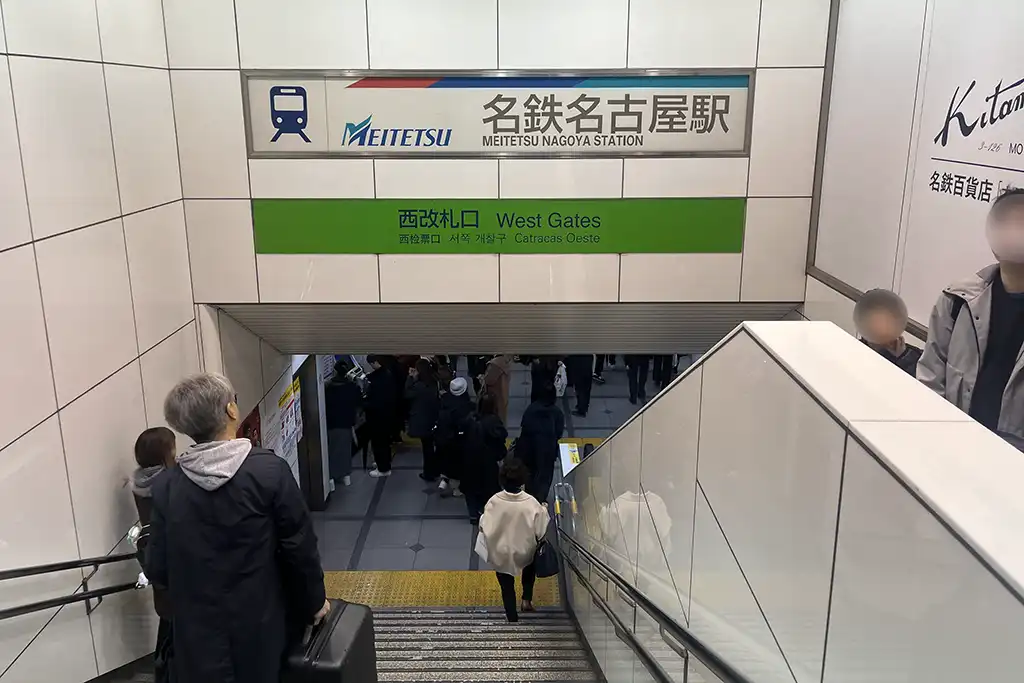
Meitetsu (Nagoya Railroad) connects Nagoya with destinations in Aichi and neighboring areas, including Chubu Centrair International Airport. The μ-SKY Limited Express can reach the airport in as little as 28 minutes. Meitetsu also serves Inuyama, providing access to Inuyama Castle.
Meitetsu Nagoya Station is on the southeast side of JR Nagoya Station, near the Hirokoji Exit. Follow signs for the Meitetsu Line or Centrair Airport. If you take μ-SKY, you also need a First Class Car Ticket (μticket) in addition to your regular fare.

Kintetsu Railway connects Nagoya with destinations in Mie Prefecture and the Kansai region, including Ise-Shima, Toba, Nara, and Osaka. It is also useful for visiting Ise Grand Shrine. Popular limited express services include HINOTORI for Osaka-Namba and the SHIMAKAZE sightseeing train for Ise-Shima.
Kintetsu-Nagoya Station is on the southeast side of JR Nagoya Station, next to Meitetsu Nagoya Station. Follow signs for the Kintetsu Line. If you take a Kintetsu Limited Express, you need a Limited Express ticket in addition to the basic fare.

Nagoya Station has coin lockers in several areas. Choose a location that is convenient for the exit or train you plan to use.
The listed lockers accept cash and electronic money.
If your first choice is full, check another locker area or use the paid luggage-storage counter at JR Nagoya Takashimaya.

For food before or after your train, two convenient areas are close to Nagoya Station:
For shopping, these areas are useful:
The nearby Nana-chan mannequin is also a well-known Nagoya landmark and popular photo spot.
Nagoya Station is a useful starting point for sightseeing in and around the city. Here are some popular attractions and how to reach them.
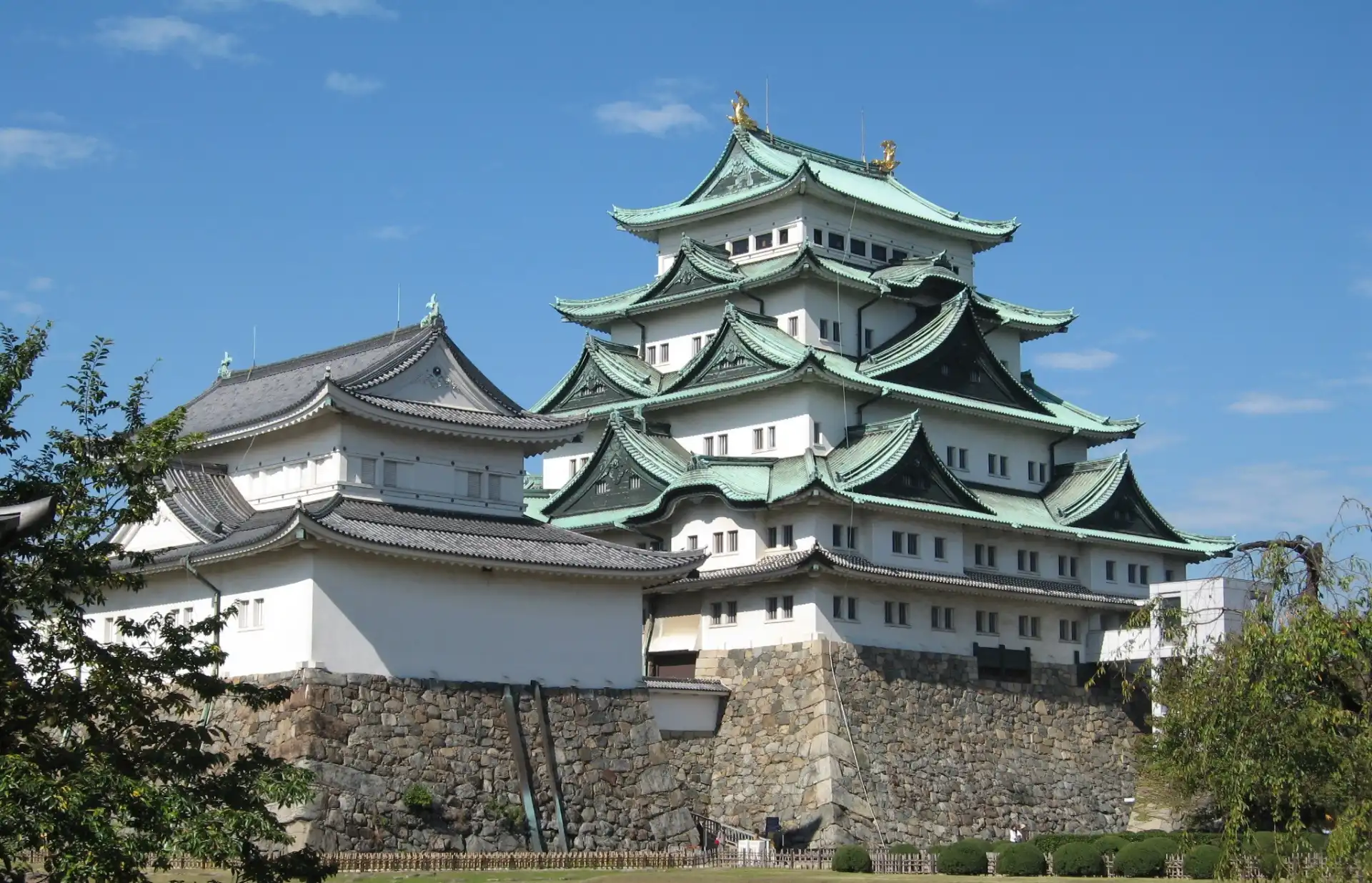
Nagoya Castle is one of the city's best-known landmarks, famous for its golden shachihoko roof ornaments and reconstructed Hommaru Palace. The Main Tower Keep is currently closed to visitors.
From Nagoya Station, take the Sakura-dori Line to Hisaya-odori, then transfer to the Meijo Line for Nagoyajo Station. The castle is about a five-minute walk from Exit 7.
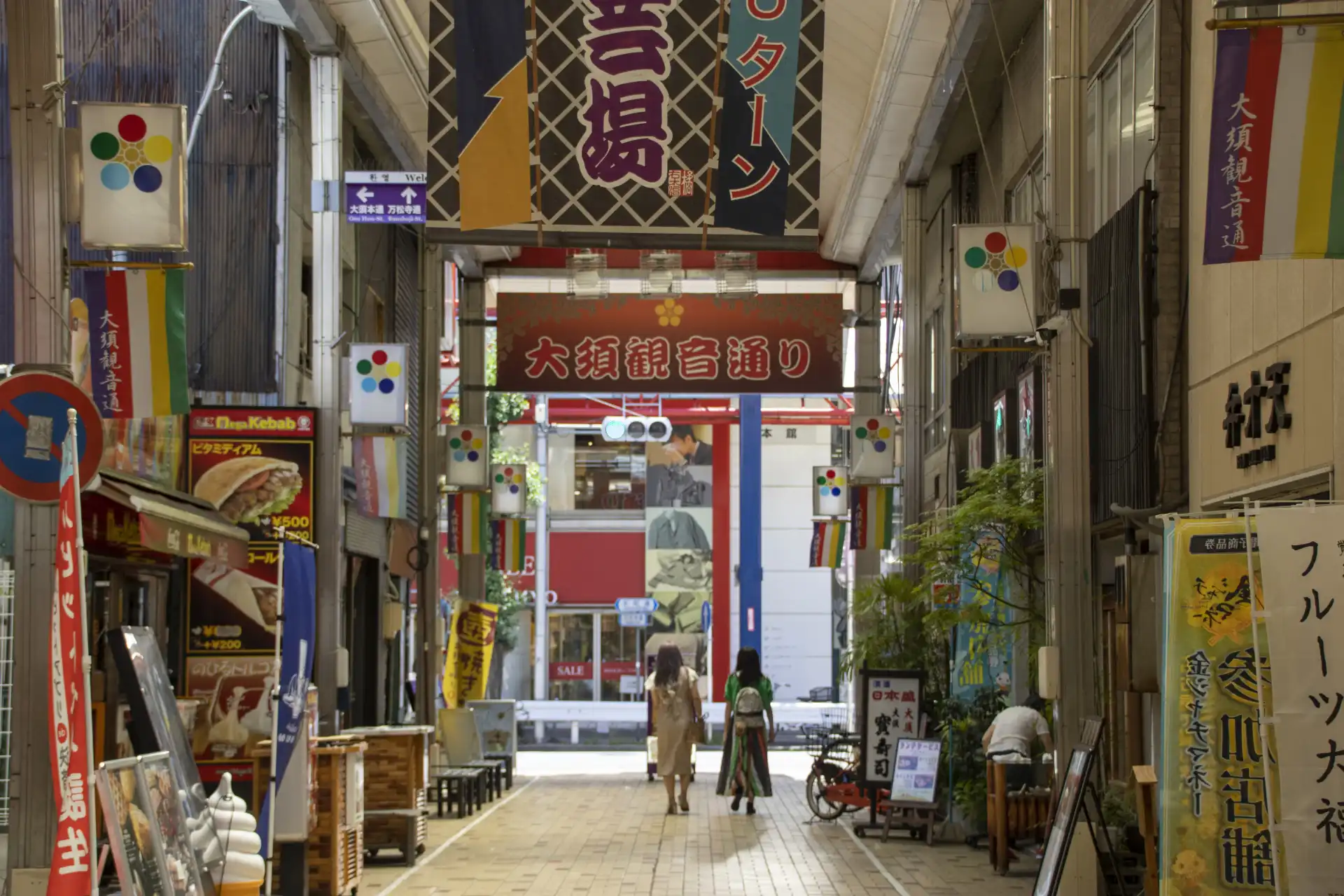
Osu is a lively shopping district with electronics, secondhand fashion, restaurants, cafes, and Osu Kannon Temple. Its covered arcades also make it easy to explore in rainy weather.
From Nagoya Station, take the Higashiyama Line to Fushimi and transfer to the Tsurumai Line for Osu Kannon Station. The district can also be accessed from Kamimaezu Station.
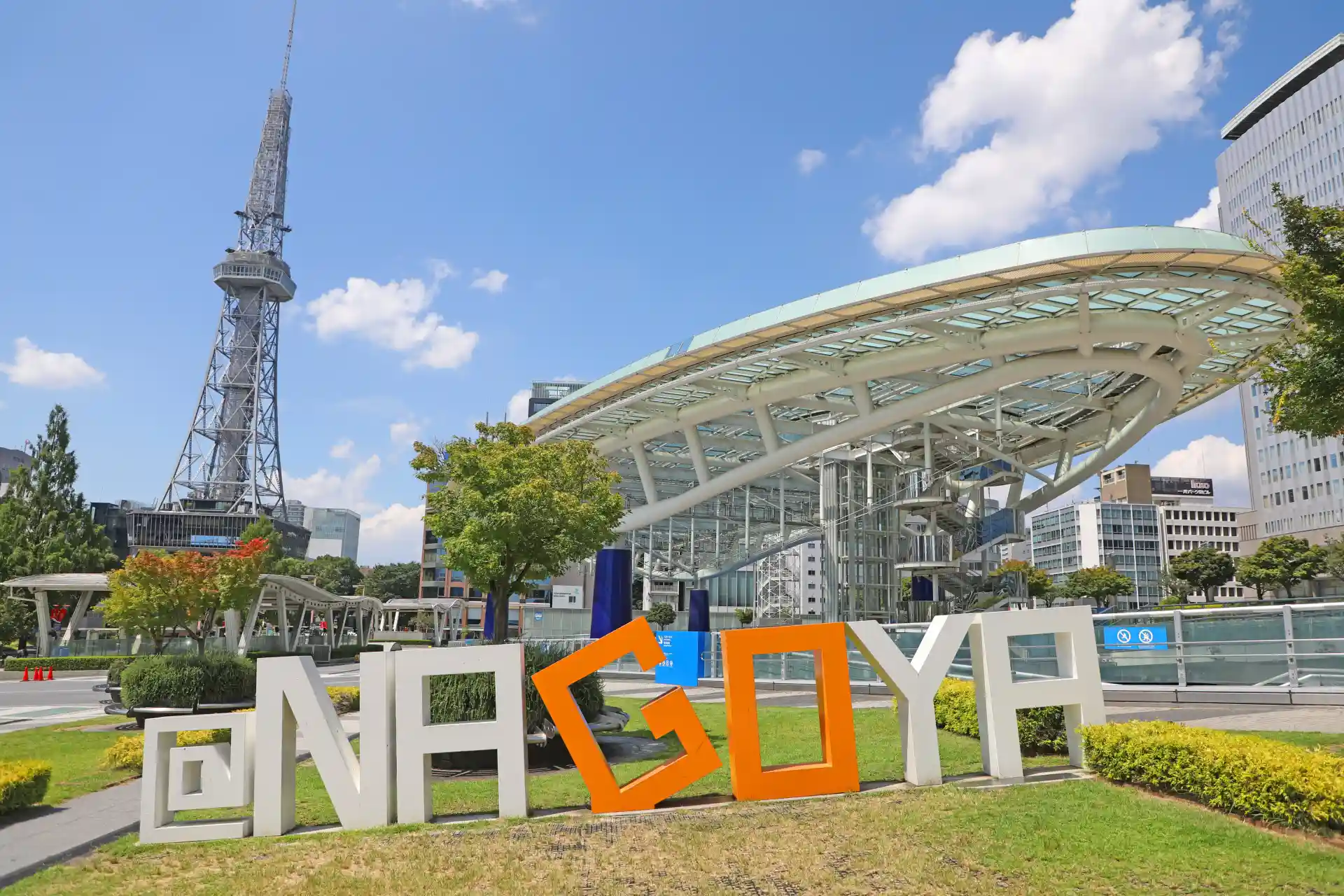
Sakae is Nagoya's main downtown area for shopping, dining, and entertainment. Popular landmarks include Oasis 21 and Chubu Electric Power MIRAI TOWER.
Take the Higashiyama Line directly from Nagoya Station to Sakae Station. The subway ride takes about five minutes.
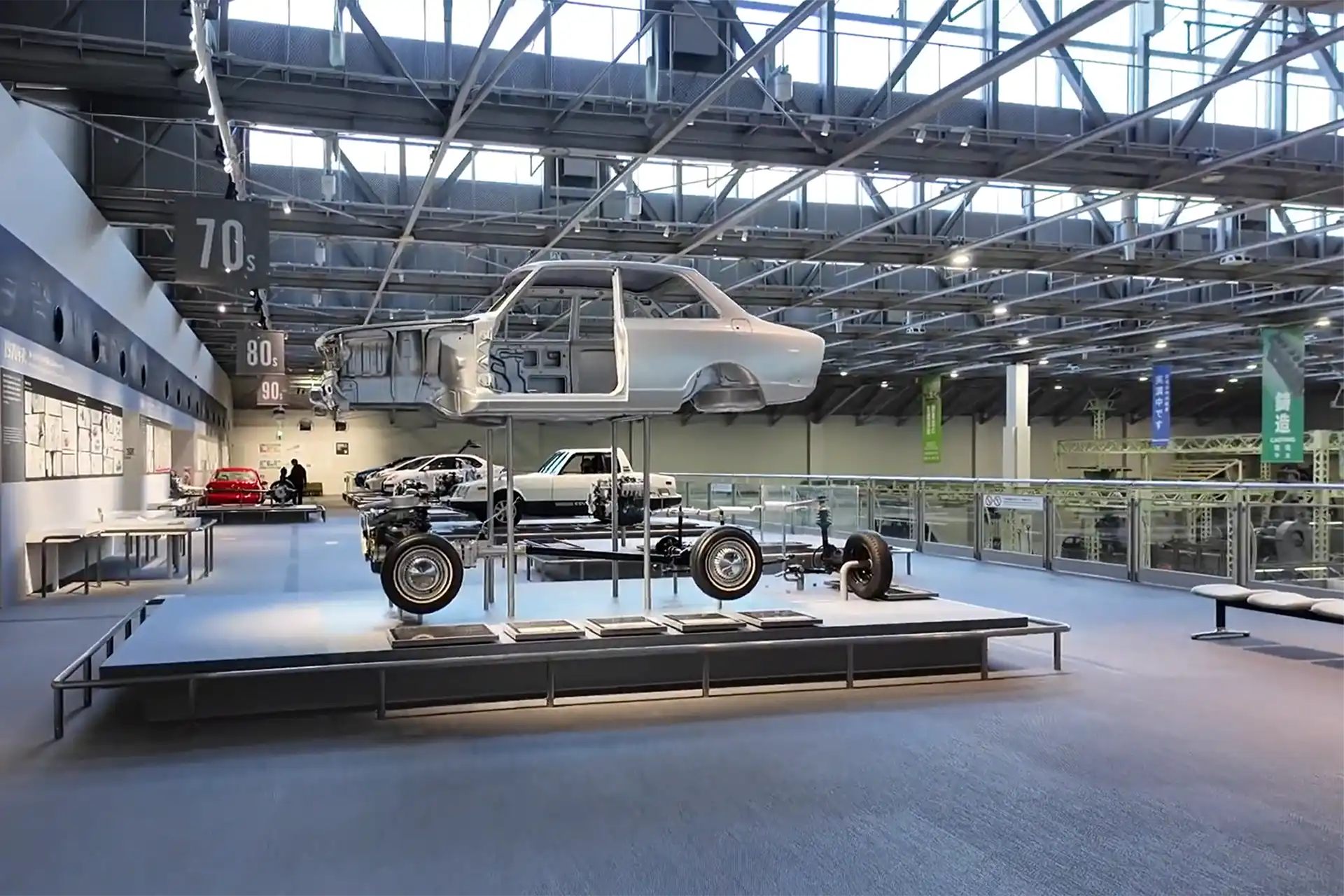
The Toyota Commemorative Museum explores the development of textile machinery and automobile manufacturing through actual machines, exhibits, and demonstrations.
Take the Meitetsu Line from Meitetsu Nagoya Station to Sako Station. The museum is about a three-minute walk from the station.
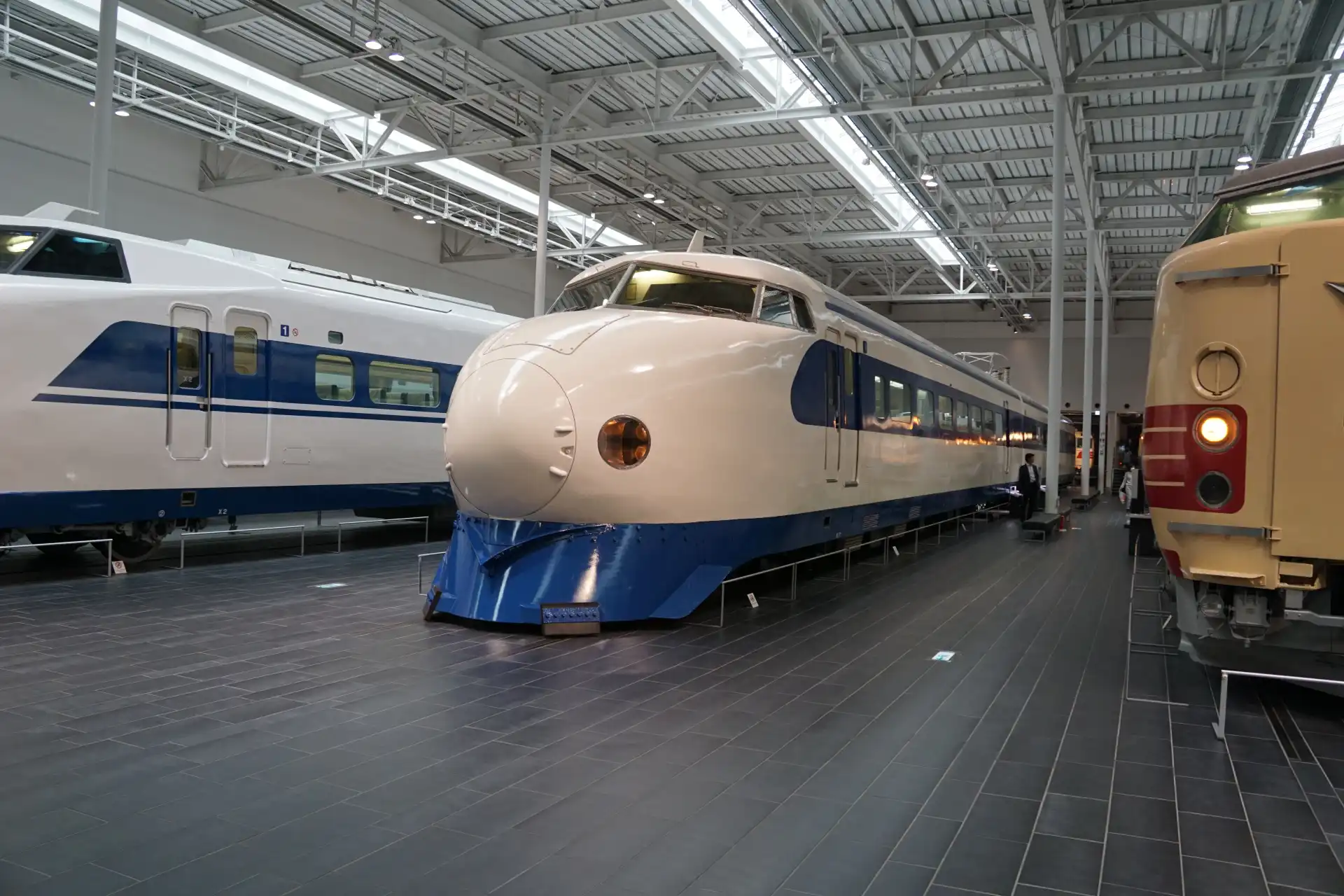
The SCMAGLEV and Railway Park displays Shinkansen, maglev, and other railway vehicles, along with simulators and exhibits about railway technology.
Take the Aonami Line from Nagoya Station to Kinjofuto Station. The ride takes about 24 minutes, followed by about a two-minute walk.
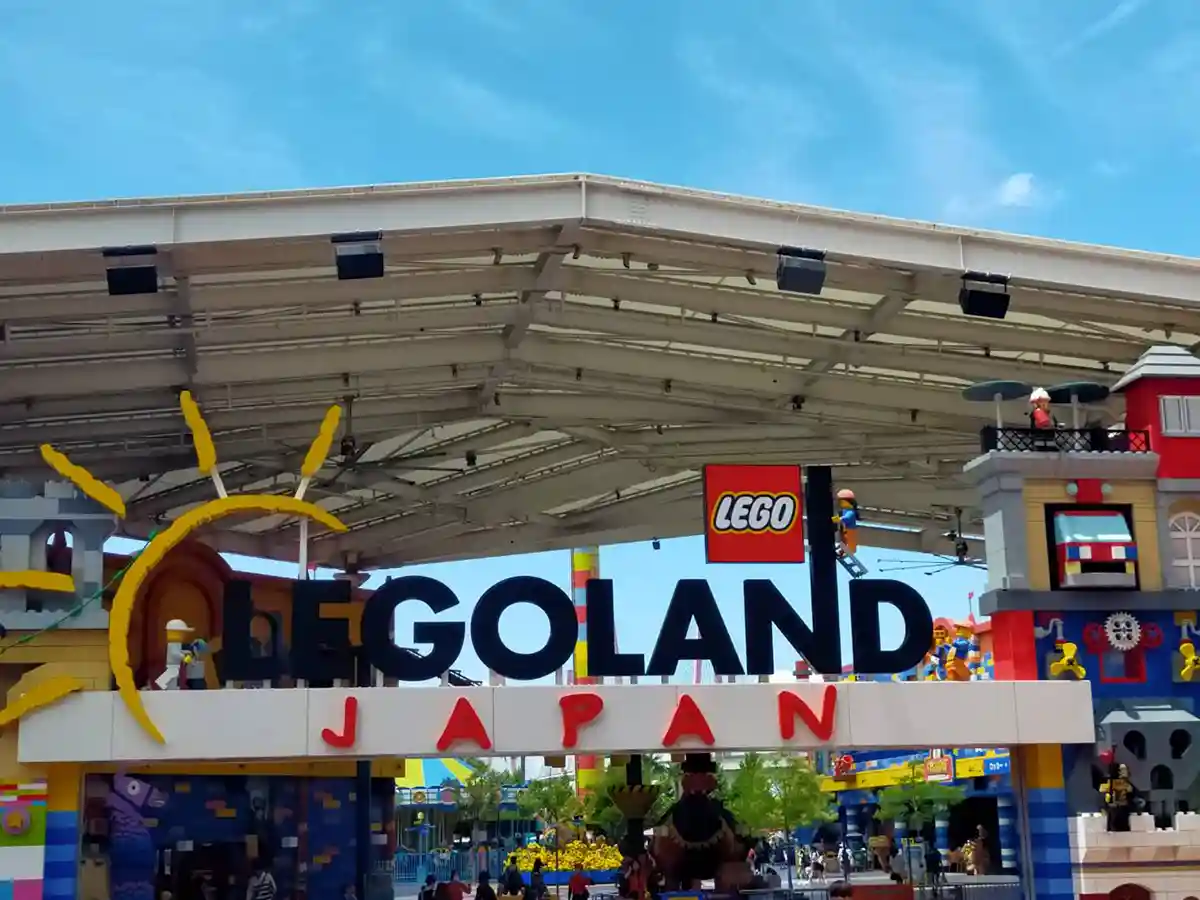
LEGOLAND Japan is a LEGO-themed amusement park with rides, shows, and attractions for families.
Take the Aonami Line from Nagoya Station to Kinjofuto Station. The train ride takes about 25 minutes, followed by about a 10-minute walk to the park.

Ghibli Park is located inside Expo 2005 Aichi Commemorative Park and features areas inspired by Studio Ghibli films. Advance reservations are required for Ghibli Park admission.
Take the Higashiyama Line from Nagoya Station to Fujigaoka, then transfer to the Linimo. Get off at Ai-Chikyuhaku Kinen Koen Station; the park is just outside Exit 2.
Nagoya Station becomes easy to navigate once you understand the Sakura-dori and Taiko-dori sides, where to find the Shinkansen, and how to make the main transfers.
Once you know where to go, you can focus on your journey ahead. From Nagoya, the Shinkansen takes you east toward Tokyo and west toward Kyoto, Shin-Osaka, and other destinations across Japan.
If you are taking the Shinkansen from Nagoya Station, you can book your ticket online with Japan Bullet Train before you travel. Japan Bullet Train is an online Shinkansen ticket booking service for international travelers in Japan. Its multilingual website and Japan-based customer support team can assist travelers in English, Chinese, Korean, and other languages.