


Legal
Atención al Cliente
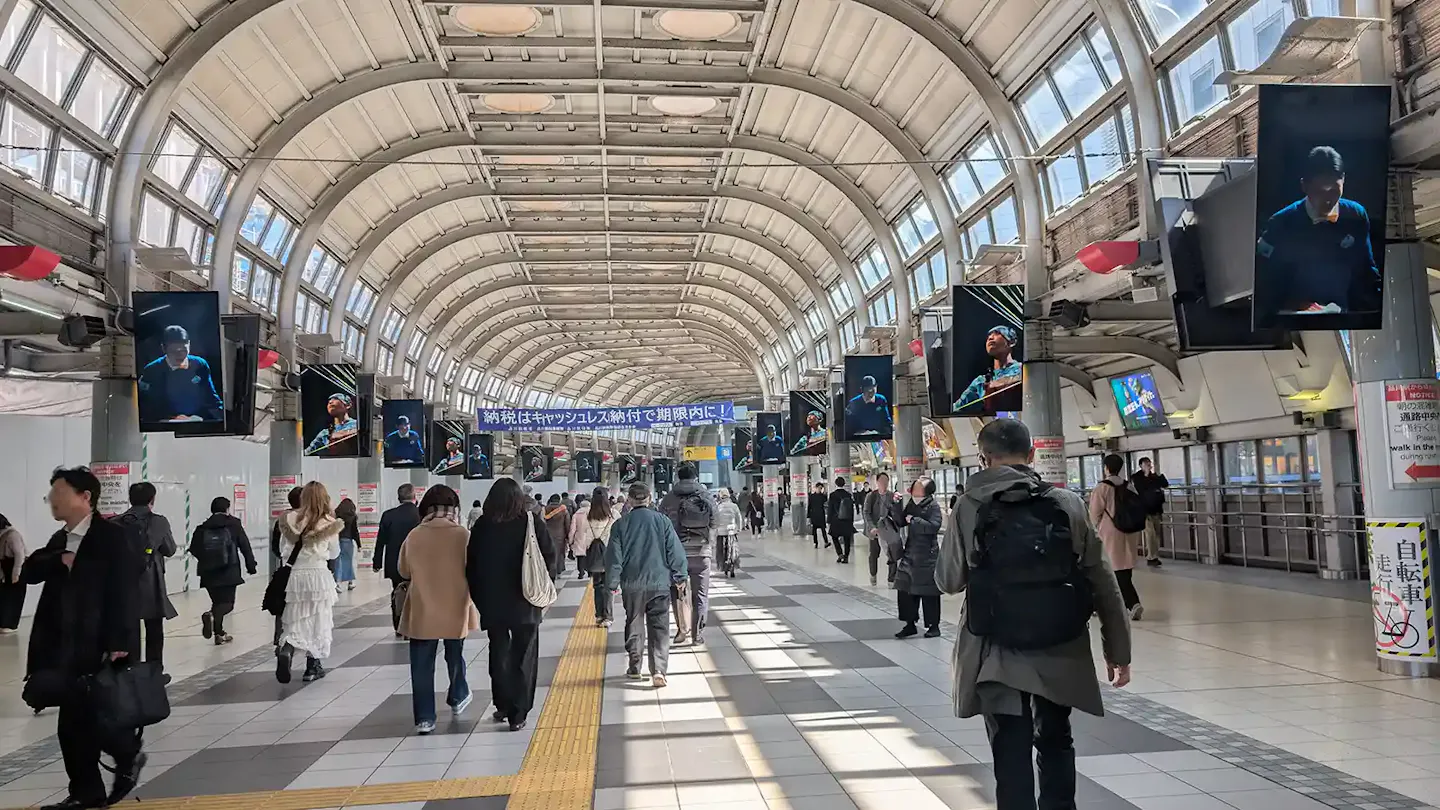
Shinagawa Station is one of the Shinkansen stations in Tokyo and a convenient starting point for many travelers. It offers easy access from Haneda Airport and quick connections to cities in western Japan such as Kyoto and Osaka.
In this guide, you’ll find helpful information about Shinagawa Station’s layout, facilities, and nearby attractions to make your trip smoother.
Shinagawa Station is a major railway terminal in southern Tokyo’s Minato ward. Located on the Yamanote Line loop, it is about 10 minutes from Shibuya and about 15 minutes from Shinjuku by train.
The station serves commuters, tourists, and business travelers. For international visitors, Shinagawa Station is an important gateway to the Shinkansen, Haneda Airport, and central Tokyo.
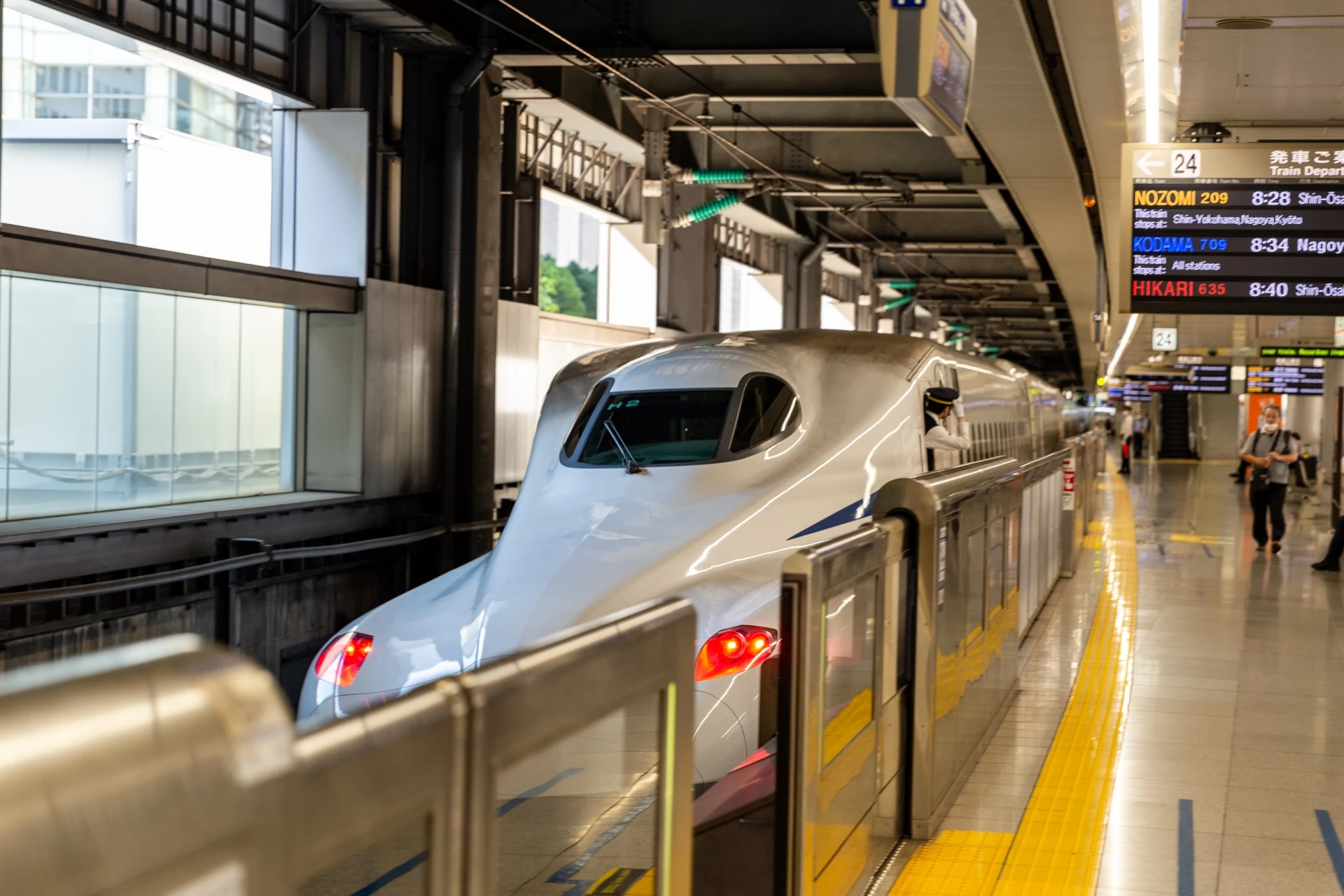
Shinagawa Station is a stop on the Tokaido Shinkansen. Through services continue onto the Sanyo Shinkansen toward western Japan. All three main train types stop here:
This means you can travel directly from Shinagawa to Kyoto, Osaka, Hiroshima, and Fukuoka without going to Tokyo Station first.
Shinagawa Station is served by JR lines, the Tokaido Shinkansen, and the Keikyu Line.
The table below shows the main lines and some key destinations you can reach from Shinagawa Station.
Line | Operator | Key Destinations |
|---|---|---|
Tokaido / Sanyo Shinkansen | JR Central / JR West | Nagoya, Kyoto, Osaka, Hiroshima, Fukuoka |
Yamanote Line | JR East | Shibuya, Shinjuku, Ueno, Tokyo |
Tokaido Line | JR East | Yokohama, Odawara |
Yokosuka Line | JR East | Yokohama, Kamakura |
Keihin-Tohoku Line | JR East | Tokyo, Ueno, Omiya, Yokohama |
Keikyu Line | Keikyu / Toei | Haneda Airport, Yokohama, Asakusa, Oshiage |
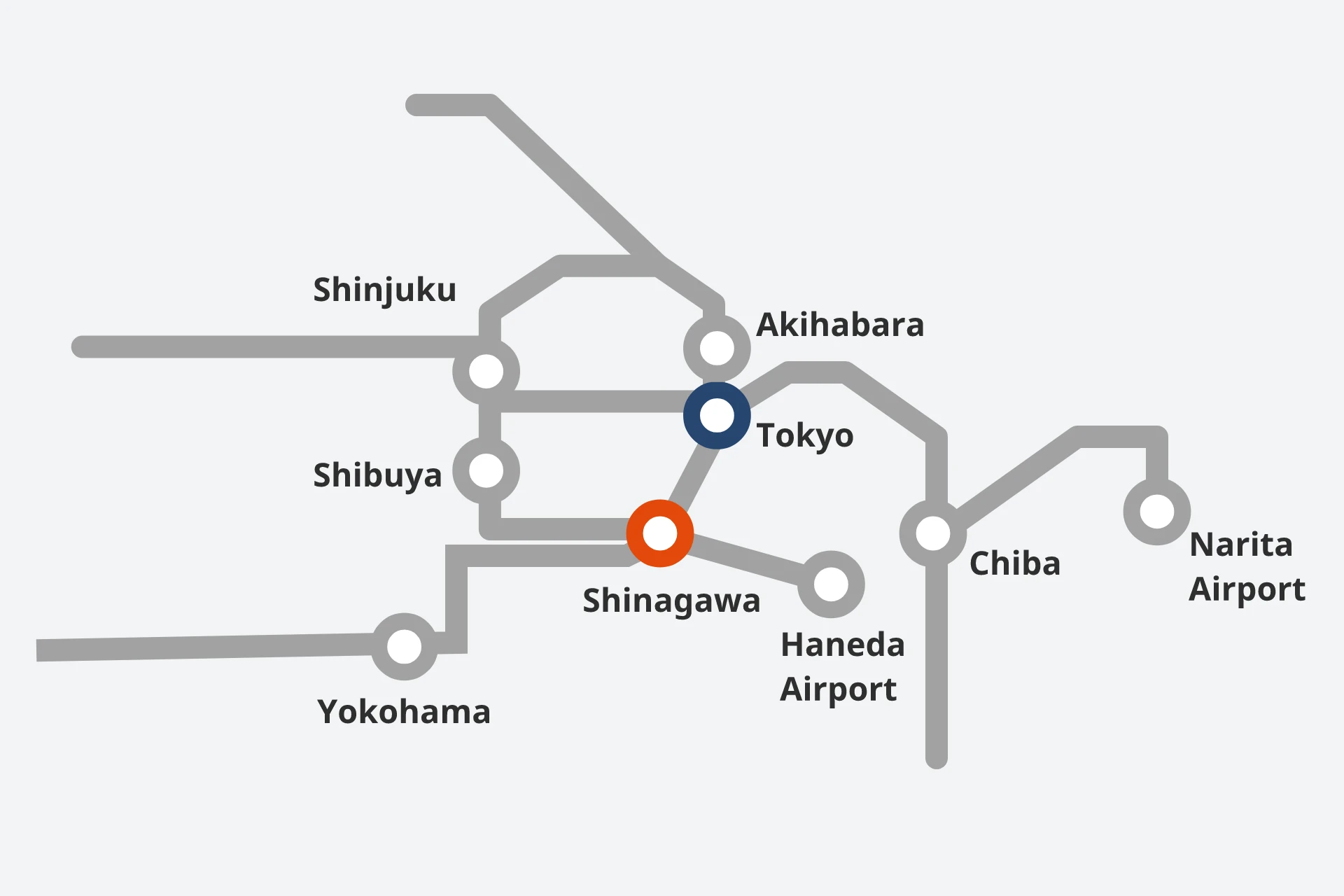
If you are taking the Shinkansen from Tokyo, the two main departure stations are Shinagawa Station and Tokyo Station. Both have frequent trains to cities such as Kyoto and Osaka, but they differ in airport access, crowd levels, and station layout.
The comparison below shows the key differences to help you choose the more convenient station.
Factor | Shinagawa Station | Tokyo Station |
|---|---|---|
Haneda Airport access | ~15 min by Keikyu Line | ~35–45 min |
Narita Airport access | ~80 min by Narita Express | ~60 min by Narita Express |
Crowd level | Less crowded | Very busy |
Ease of navigation | Compact and easier | Large and complex |
Shinkansen gate access | Short walk from main concourse | Longer walk through the station |
For more help choosing between Shinkansen stations in Tokyo, see our guide to choosing a Shinkansen station in Tokyo. It also includes Ueno Station in the comparison.
Choose Shinagawa if:
Choose Tokyo Station if:
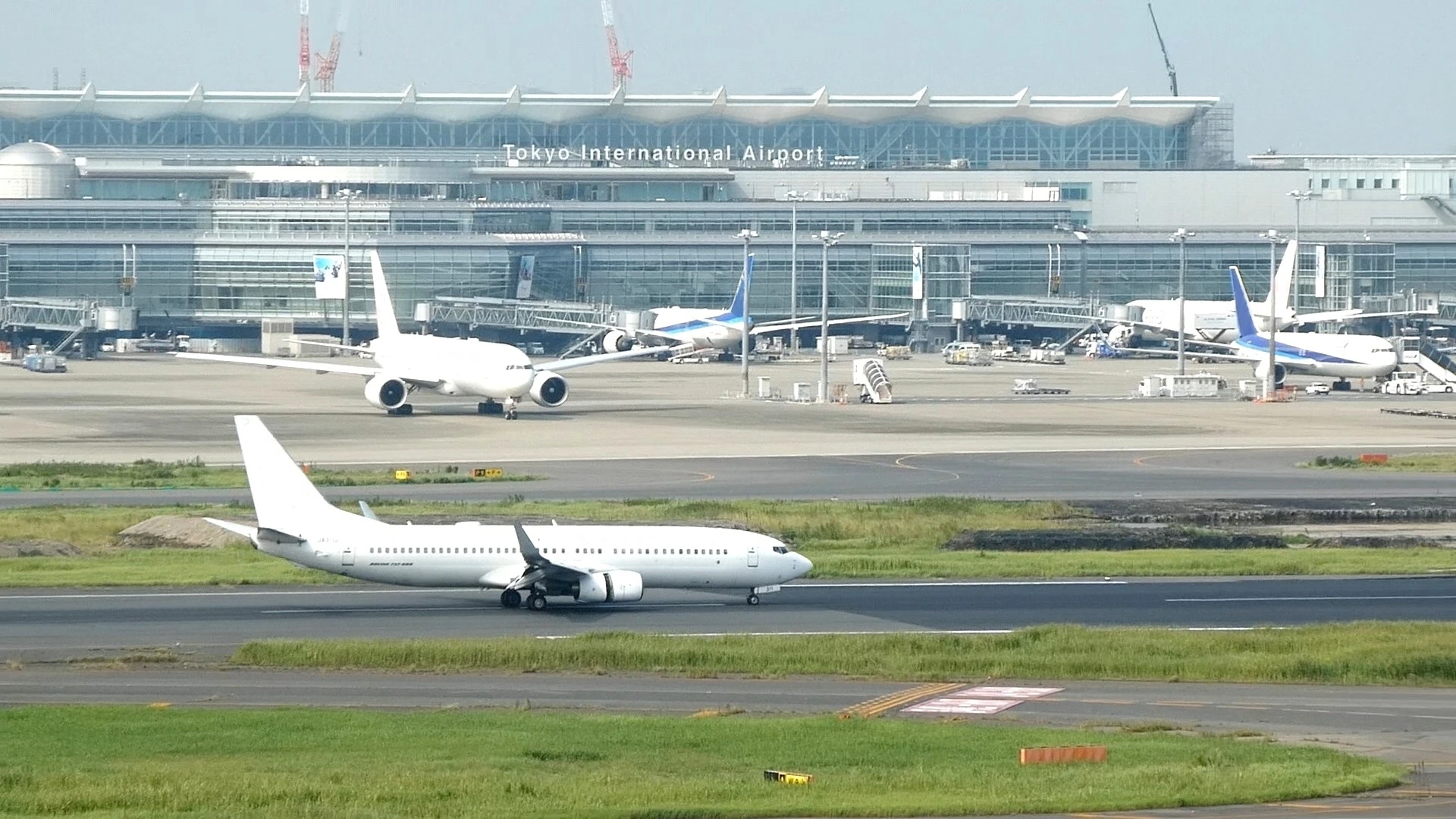
Shinagawa Station is well connected to both major Tokyo airports and many areas of central Tokyo.
The sections below explain the most common routes travelers use to reach Shinagawa Station.
Haneda Airport is the quickest and most convenient airport for reaching Shinagawa Station.
Take the Keikyu Line directly from Haneda Airport to Shinagawa Station. The trip takes about 14 minutes, depending on your terminal and train service, with no transfer required.
This connection makes the Haneda → Shinagawa → Shinkansen route one of the smoothest airport-to-bullet-train journeys in Japan.
Take the Narita Express (N'EX) from Narita Airport. The train stops at Shinagawa Station and takes approximately 70–80 minutes.
Alternatively, you can take the Limousine Bus to Shinagawa. This takes longer (90–120 minutes depending on traffic) but is comfortable and involves no transfers.
From | Line | Travel Time |
|---|---|---|
Shibuya | Yamanote Line | ~7 minutes |
Yamanote Line | ~16 minutes | |
Yamanote Line | ~30 minutes | |
Tokyo | Yamanote Line / Keihin-Tohoku | ~10 minutes |
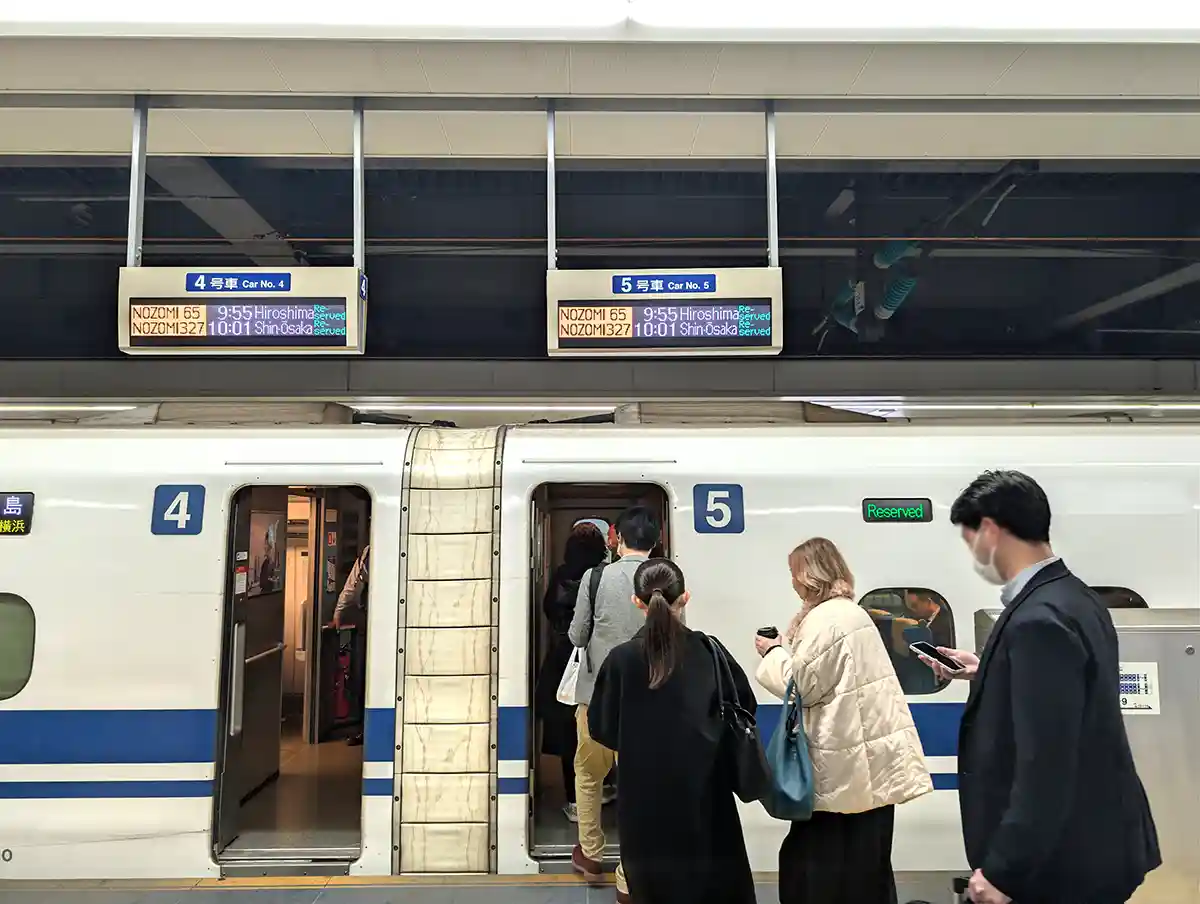
From Shinagawa Station, the Tokaido Shinkansen provides direct connections to major cities in western Japan, including Nagoya, Kyoto, Osaka, Hiroshima, and Fukuoka.
Destination | Approx. Travel Time |
|---|---|
~1 hr 30 min | |
~2 hr 15 min | |
~2 hr 30 min | |
~3 hr 55 min | |
~5 hr |
Prices vary depending on train type, travel date, and seat availability.
If speed matters and you are buying a regular ticket, choose the Nozomi. If you are using a JR Pass, the Hikari is usually the best option for Kyoto and Osaka.
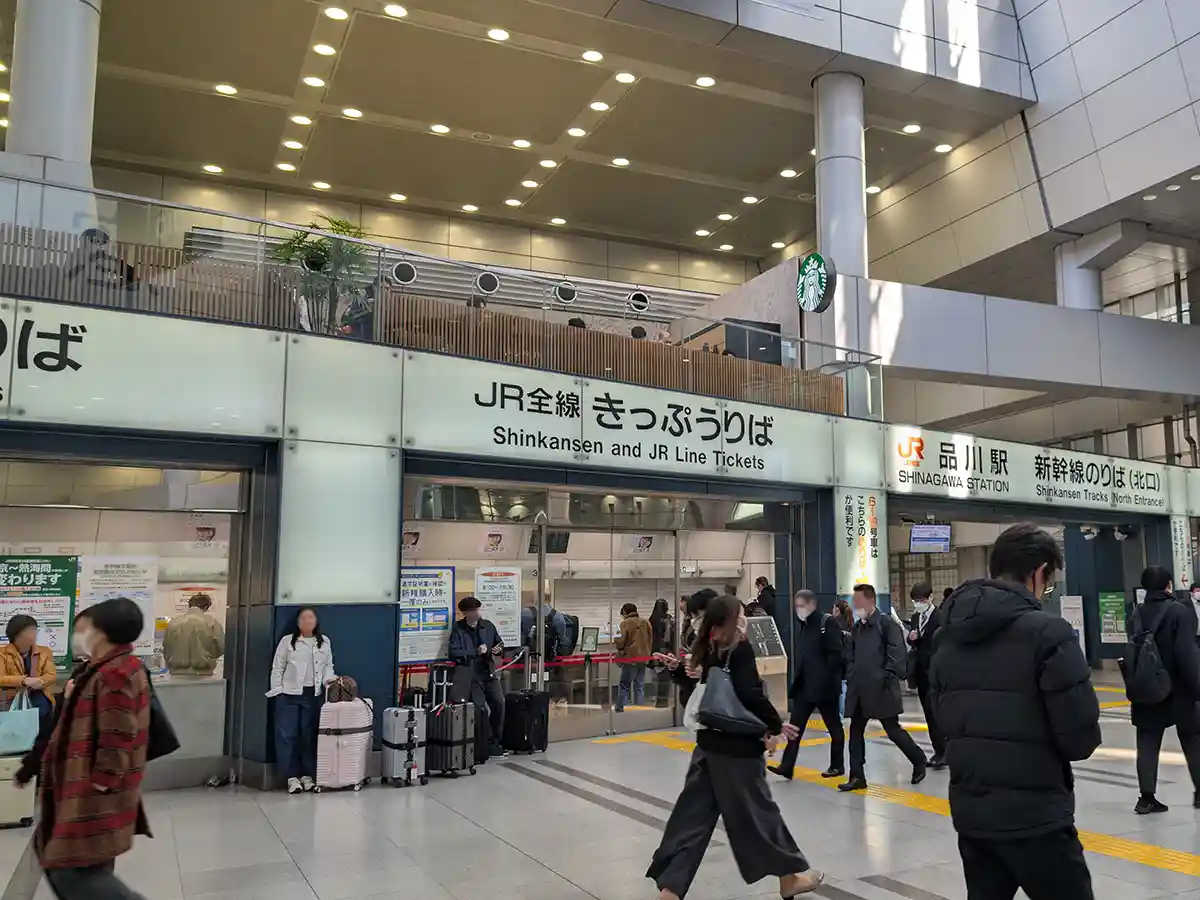
There are two main ways to buy Shinkansen tickets when departing from Shinagawa Station: purchasing at the station or booking online in advance.
You can purchase Shinkansen tickets at Shinagawa Station using ticket machines or the station ticket office.
Ticket machines allow you to buy both reserved and unreserved seats using cash or major credit cards.
However, lines can be long, especially during peak travel seasons.
Many travelers prefer to reserve Shinkansen seats online before arriving at the station. This allows you to secure your seat in advance and avoid waiting in ticket lines.
When booking through Japan Bullet Train, you can:
• Choose your route and travel date online
• Receive a QR code by email
• Scan the QR code at a designated ticket machine or ticket office at Shinagawa Station
• Collect your paper ticket in about 30 seconds
After printing your ticket, you can proceed directly to the Shinkansen gates.
Booking in advance is especially helpful during busy travel seasons, when popular trains may sell out.

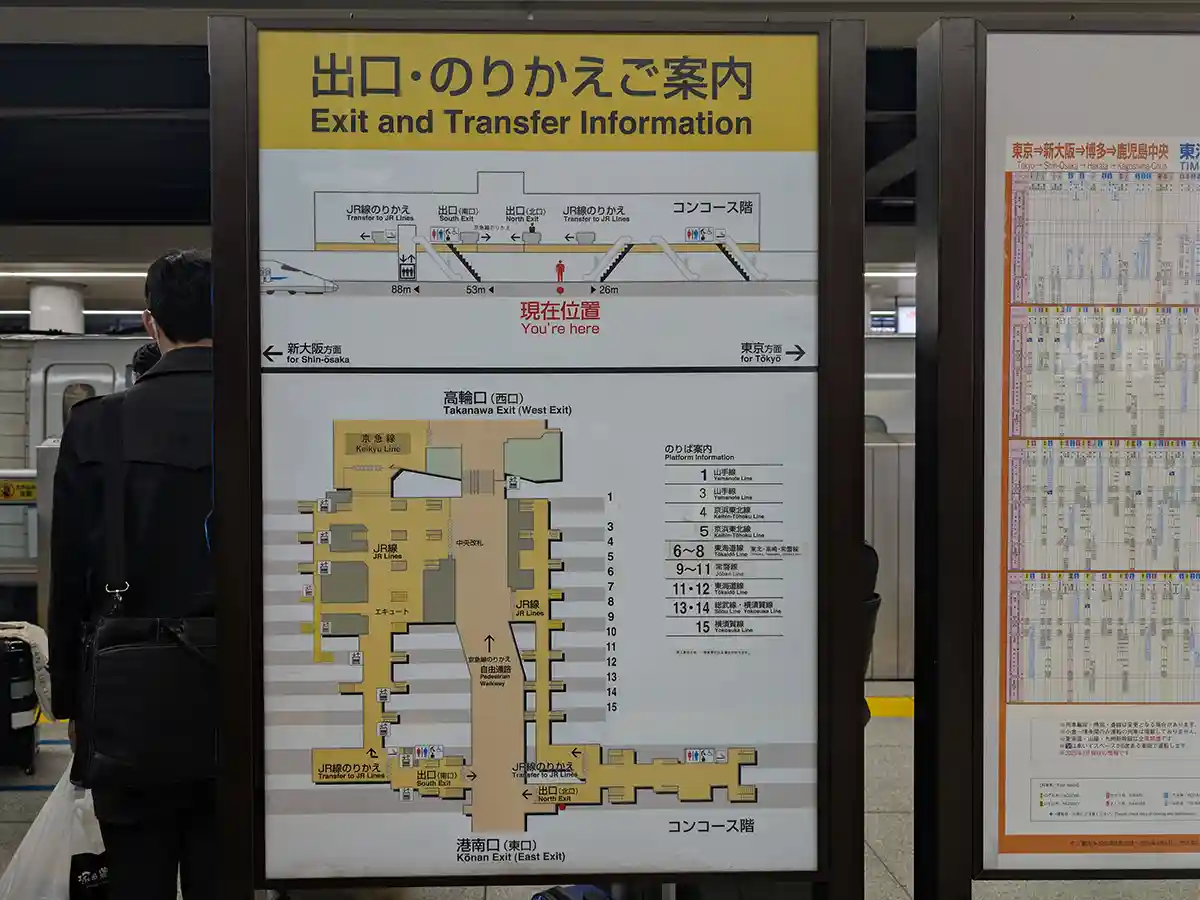
Shinagawa Station has two main exits: Takanawa (West Exit) and Konan (East Exit). Choosing the correct exit can save time, especially if you are carrying luggage or heading to a hotel nearby.
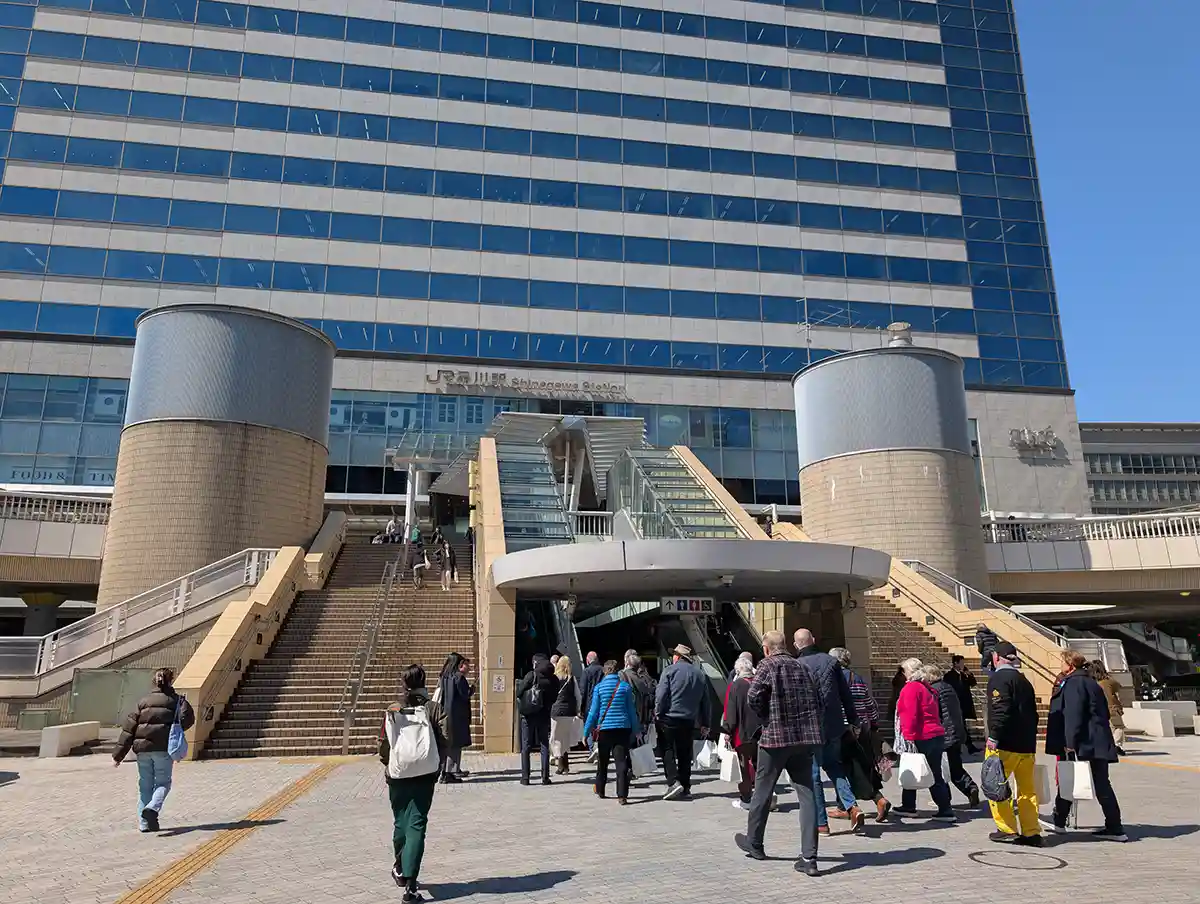
The Konan side faces a modern business district with office towers, restaurants, and shops. The atre Shinagawa shopping complex is located on this side.
If you arrive at Shinagawa Station from outside and plan to board the Shinkansen, the Konan side is slightly closer to the Shinkansen ticket gates.
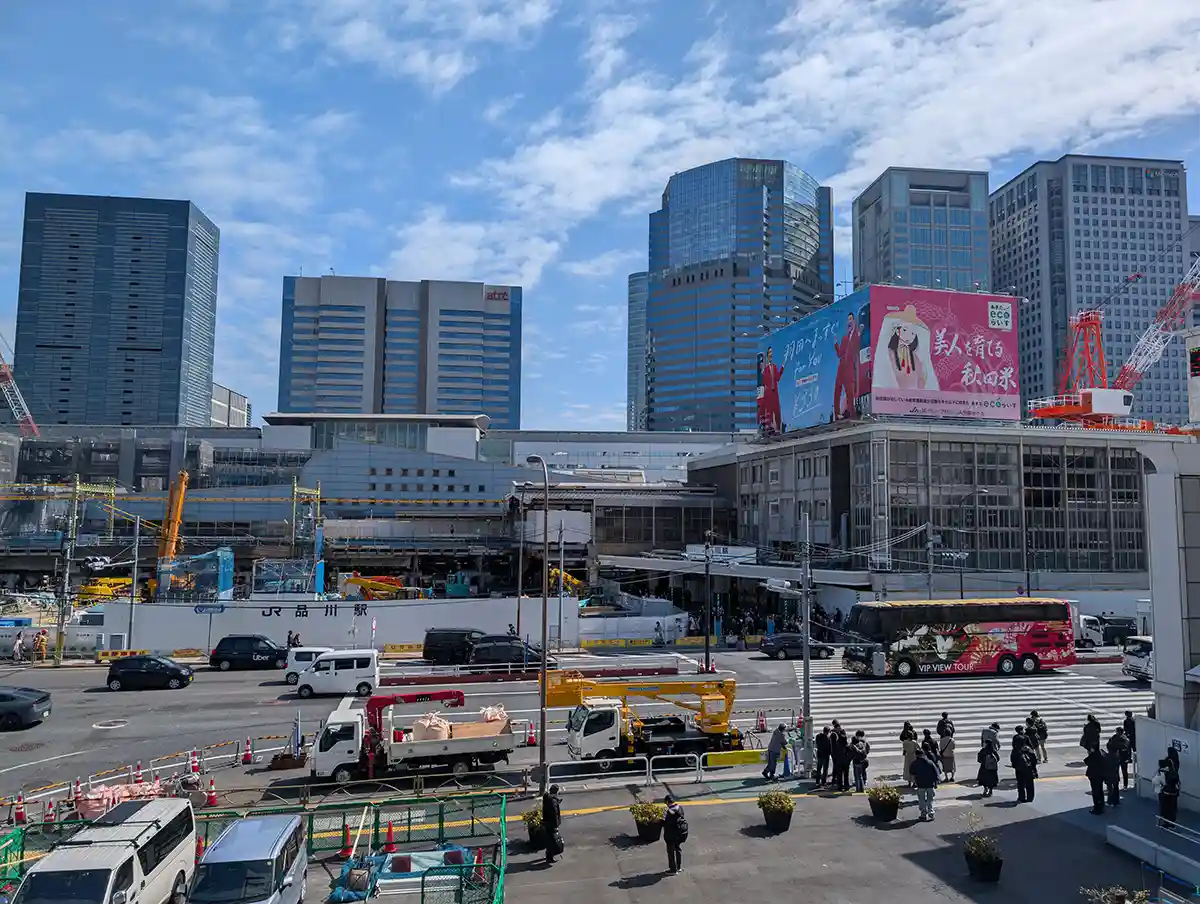
The Takanawa side faces the hotel district west of the station, with several large hotels nearby. It also provides access to the Keikyu Line, including trains to Haneda Airport.
Note: The Takanawa (West) side is under redevelopment (as of August 2026). Temporary walkways may affect routes, so follow station signs.
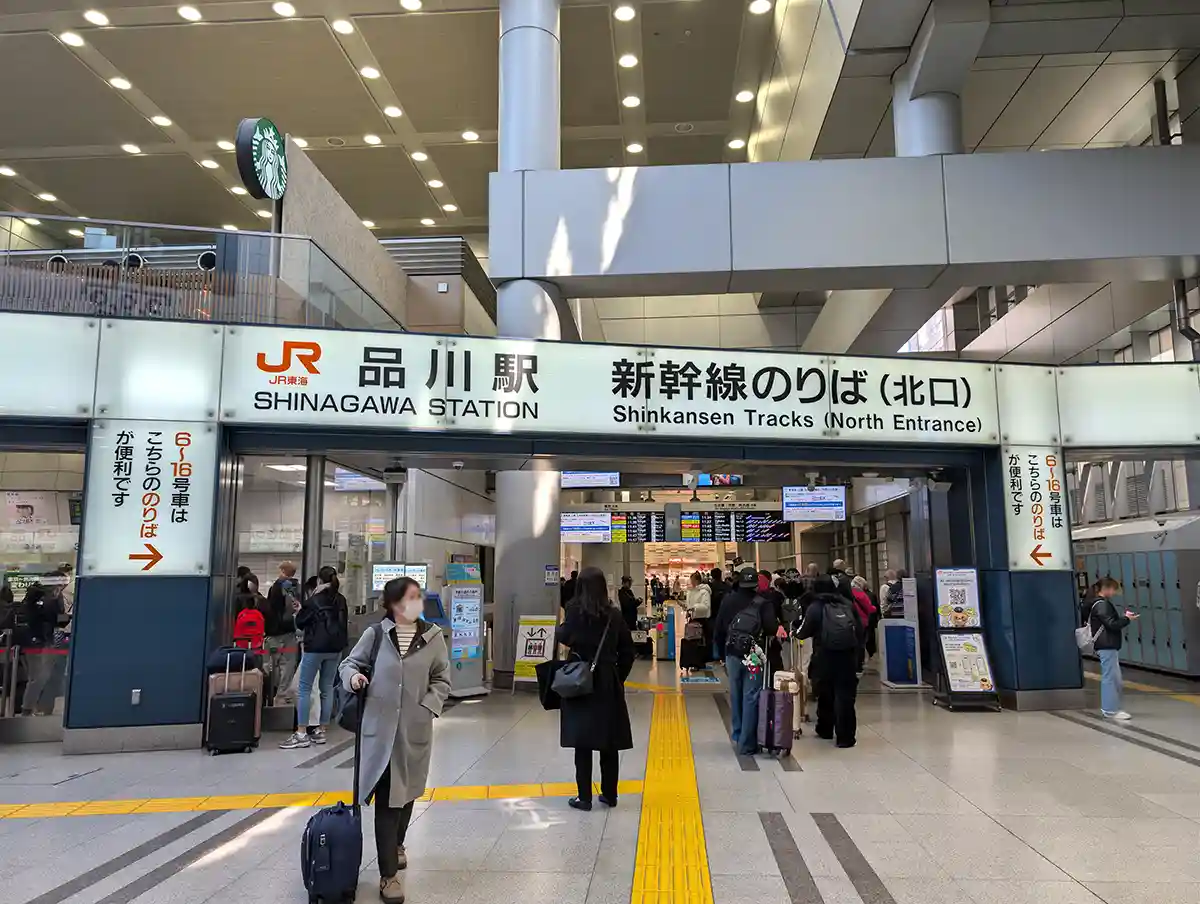
The Shinkansen ticket gates at Shinagawa Station are separate from the regular JR lines. Follow the station signs for “Shinkansen Tracks.”
There are two Shinkansen entrances from outside. The North Entrance is closer to Cars 6–16, while the South Entrance is closer to Cars 1–5.
Shinkansen ticket gate locations include:
Facilities inside the Shinkansen gate area:
For the full boarding process, from entering the Shinkansen gates to finding your platform and car, see our Shinagawa Shinkansen boarding guide.
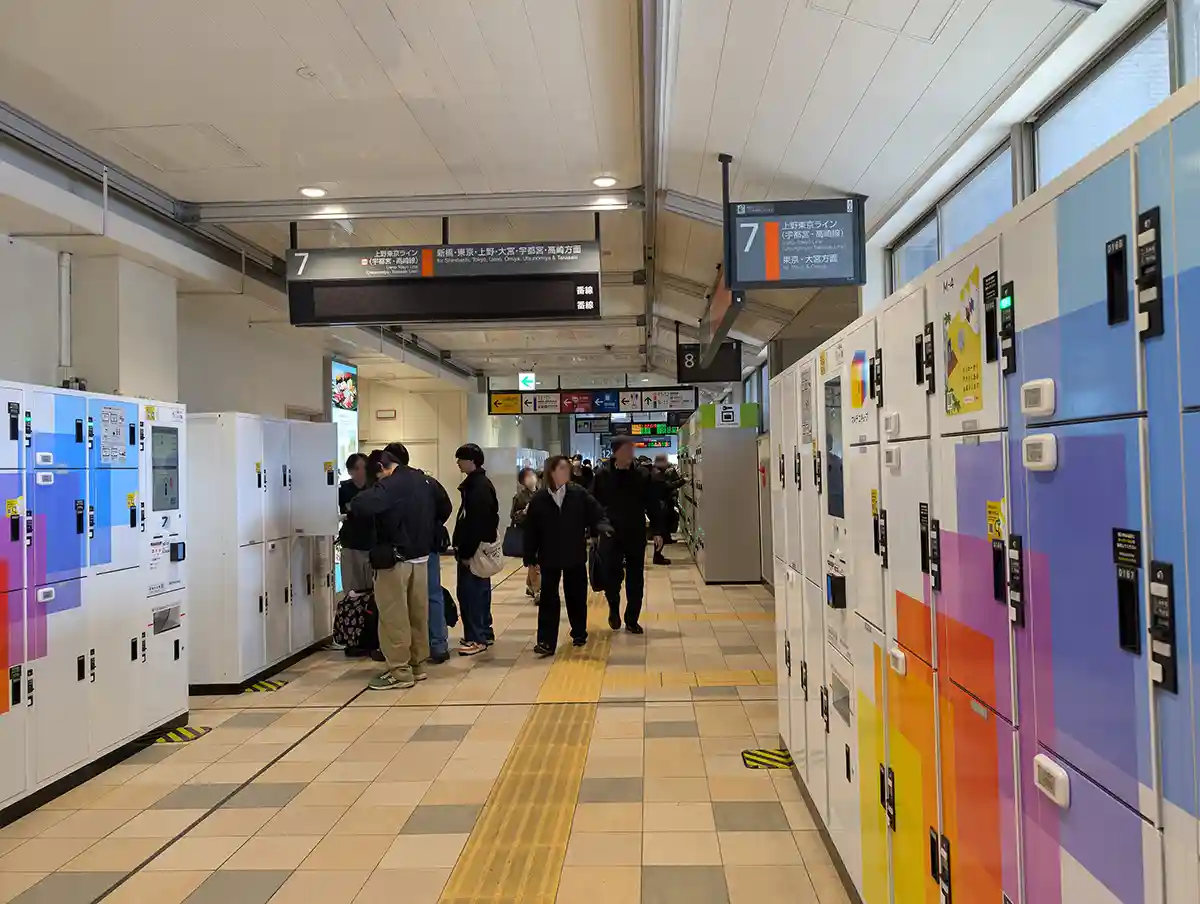
Coin lockers are available in several areas of Shinagawa Station, including near station exits and inside the JR concourse.
Locker sizes range from small to large and can accommodate standard suitcases. Most lockers accept IC cards or coins.
Common locker locations include:
Lockers can fill up quickly during busy travel periods. If lockers are full, you can use the luggage storage service inside the Central Gate area.
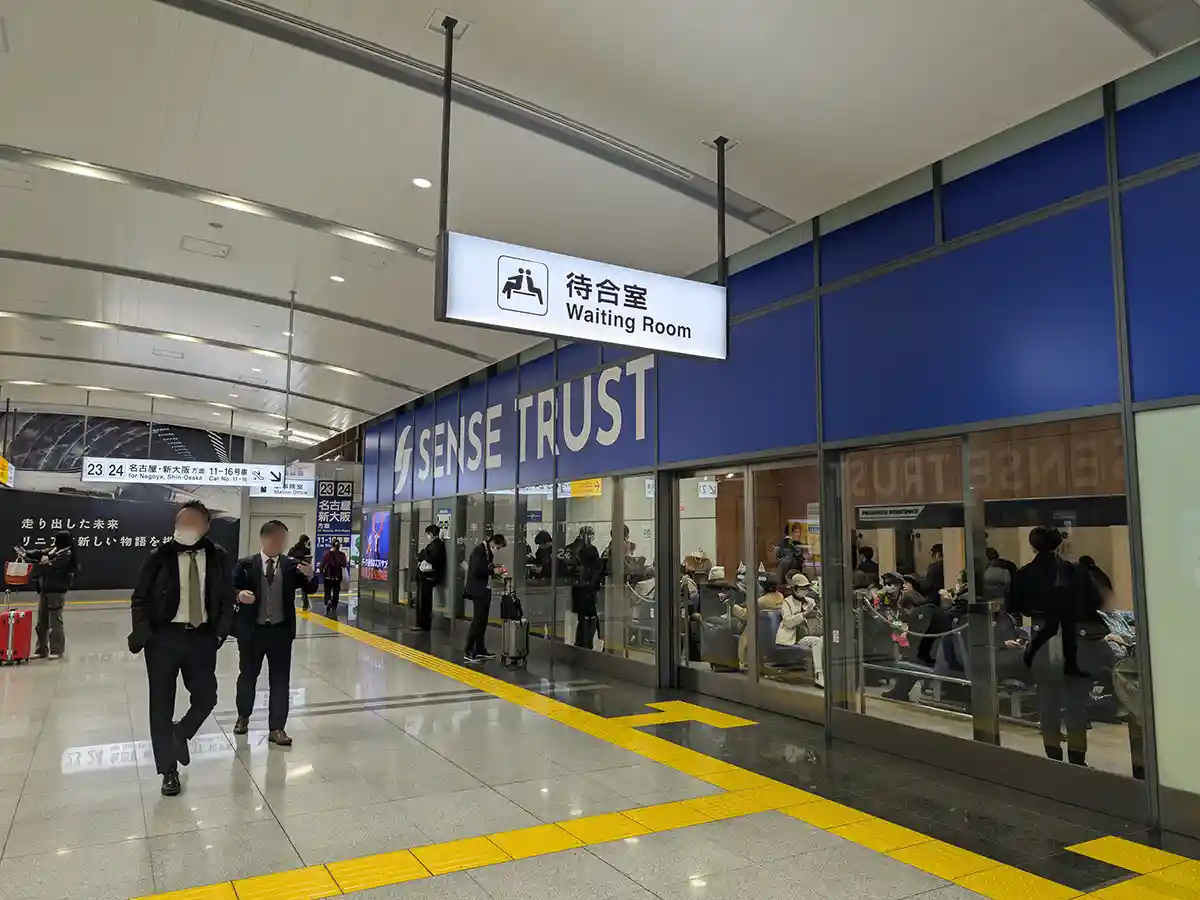
A waiting room is available inside the Shinkansen concourse on the North Entrance side of Shinagawa Station. This area also has a coffee shop. On the South Entrance side, there is a small café located just outside the Shinkansen ticket gates.
You can also find benches on the Shinkansen platforms if you prefer to wait closer to your train.
Seating may be limited during peak hours. If you arrive early, ecute Shinagawa or atre Shinagawa outside the ticket gates are convenient places to wait.
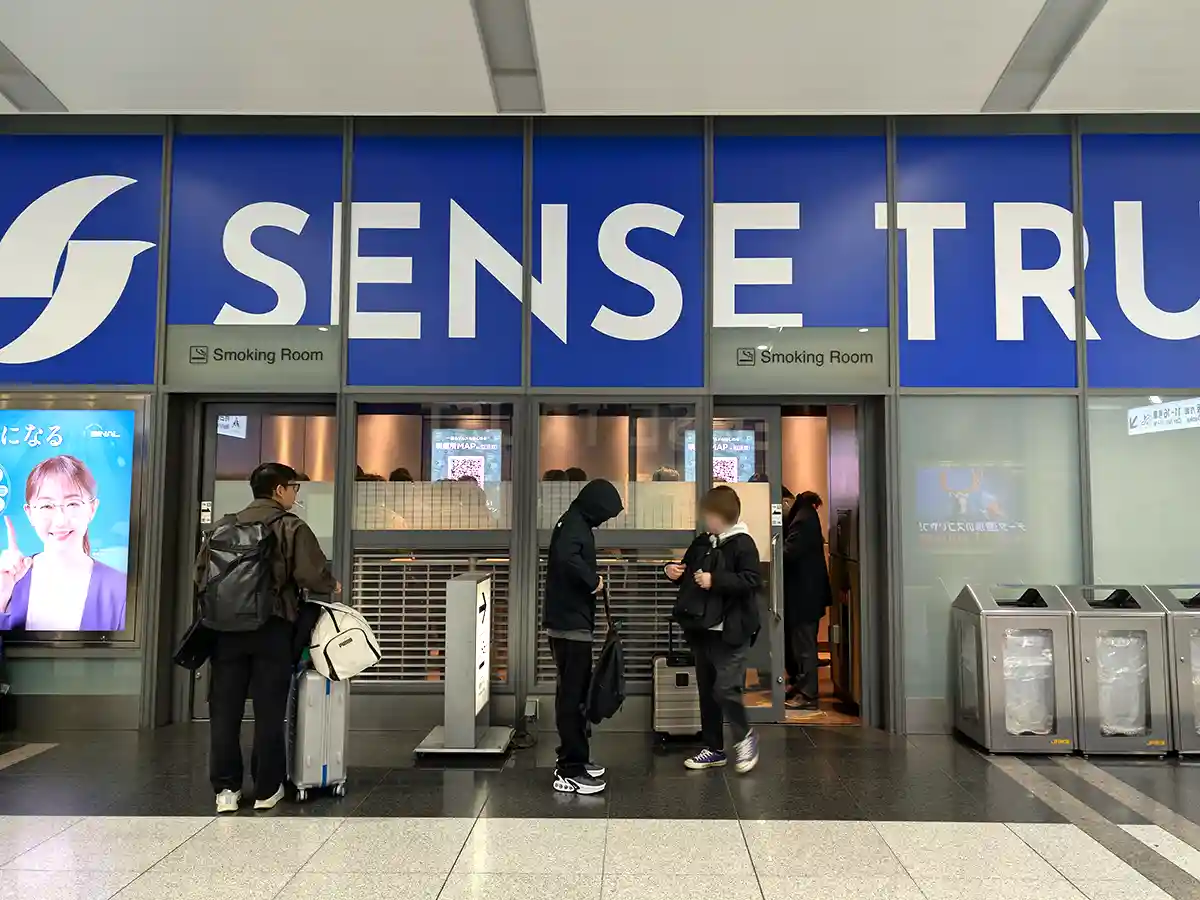
Designated smoking rooms are available inside the Shinkansen concourse. The North Entrance side has a larger smoking room, while the South Entrance side has a smaller one.
For a full overview of the station layout, including exits, ticket gates, and facilities, see the official JR station map.
Shinagawa Station has many food and shopping options, but most are outside the Shinkansen ticket gates.
If you want to buy ekiben, snacks, or drinks for the train, it is best to shop at ecute Shinagawa inside the JR ticket gates before entering the Shinkansen area.
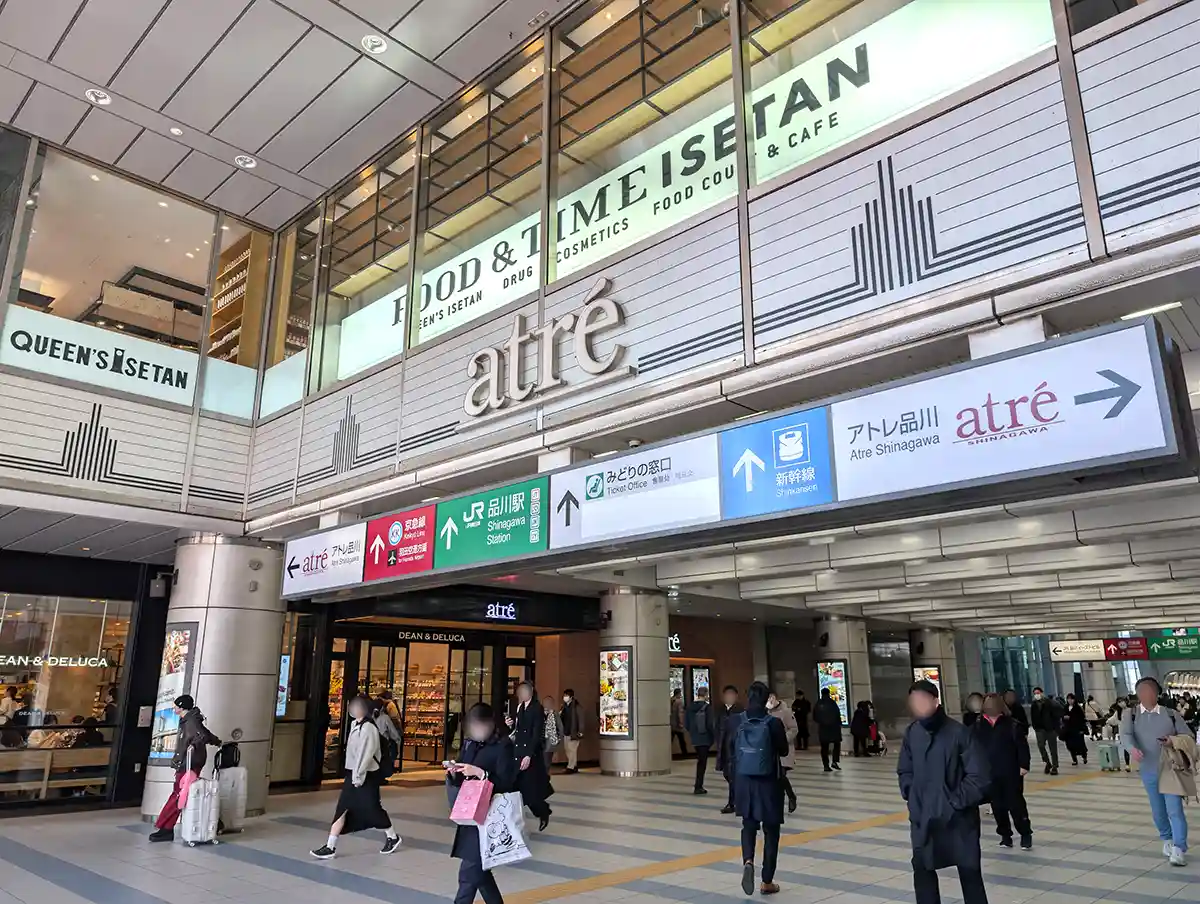
atré Shinagawa is a shopping and dining complex connected to the station on the Konan (East) side. It is located outside the JR ticket gates, so you can visit before entering the station.
You will find restaurants, cafés, convenience stores, clothing shops, and a supermarket. It is a convenient place to have a meal or buy snacks and drinks before your trip.
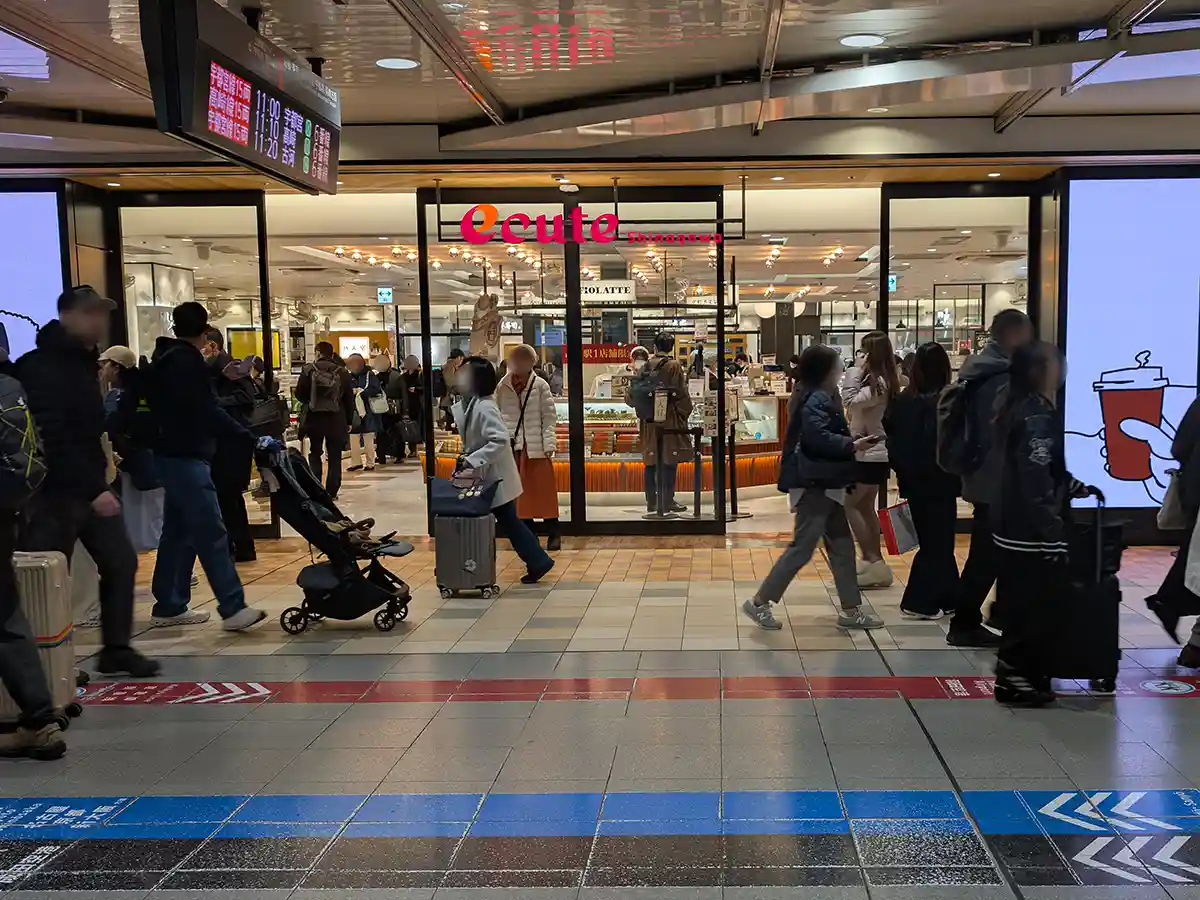
ecute Shinagawa is a shopping area inside the JR station concourse, accessible after passing through the JR ticket gates.
It has many food shops selling ekiben (station bento boxes), sweets, snacks, and ready-to-eat meals, as well as cafés and a small supermarket. Many travelers stop here to buy food before transferring to the Shinkansen.
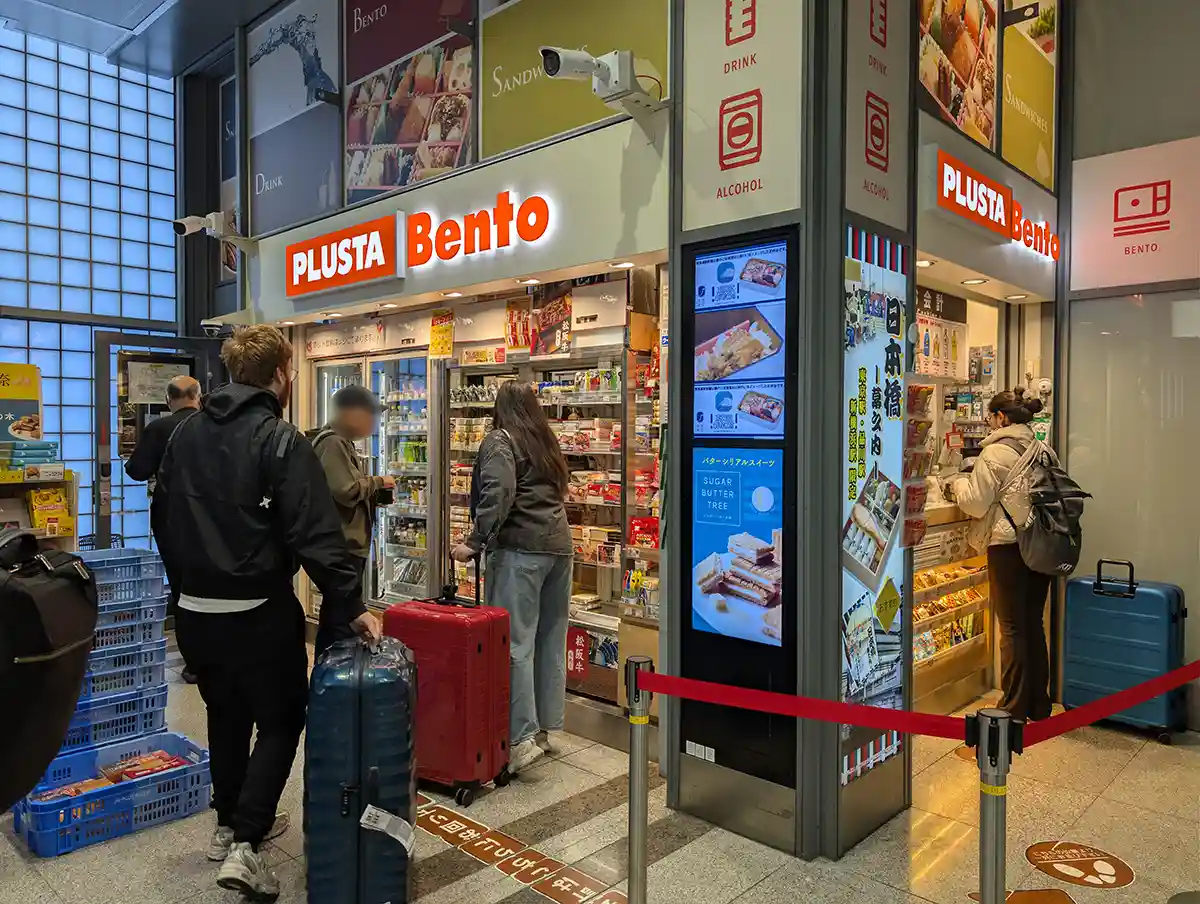
Inside the Shinkansen area, you will find ekiben shops, small kiosks, and vending machines. These are convenient if you want to buy a drink or a quick meal just before boarding your train.
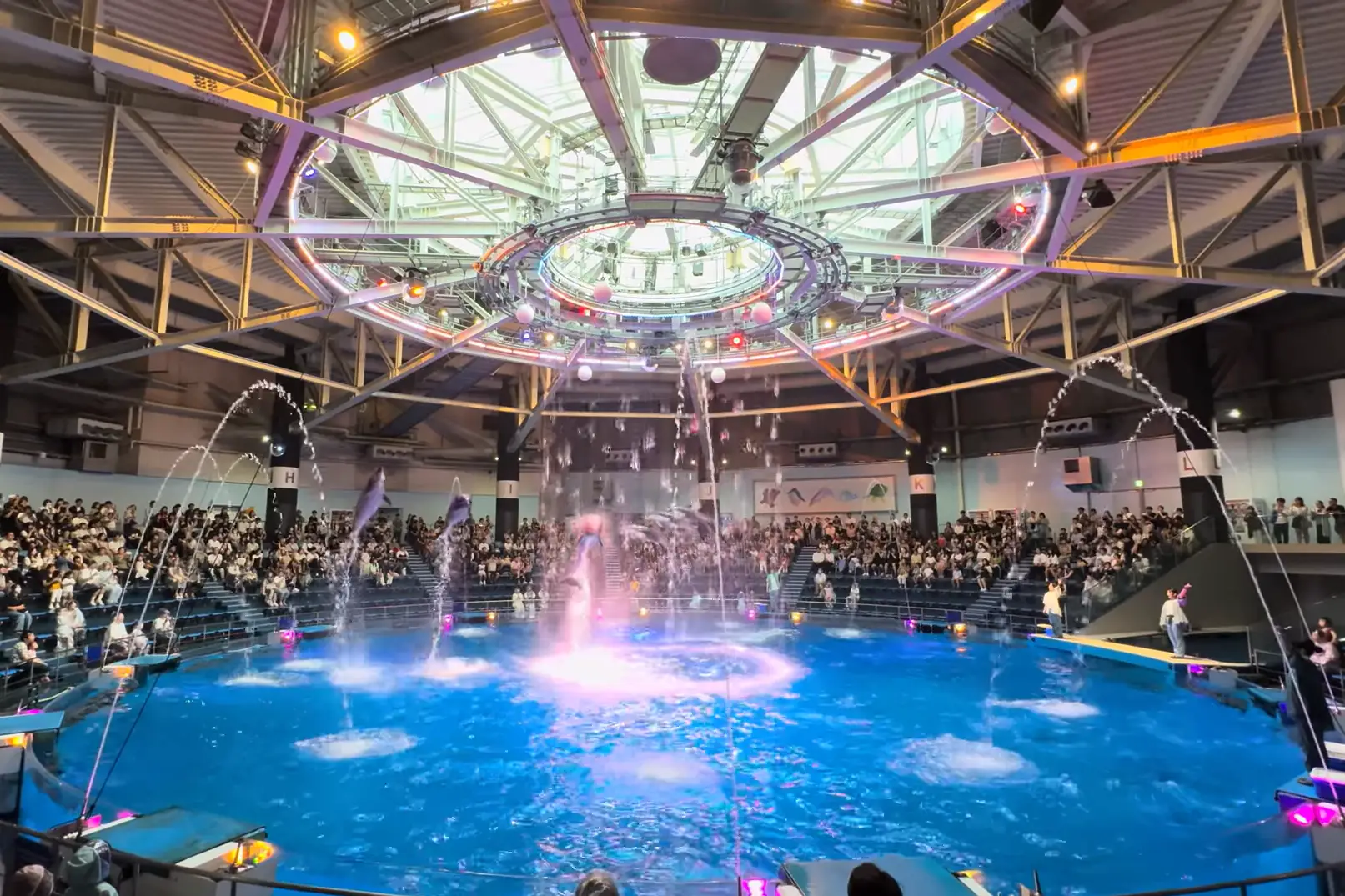
A modern aquarium inside the Shinagawa Prince Hotel complex. It features dolphin shows, jellyfish displays, themed light installations, and interactive exhibits. Popular with families and couples, it stays open late on many evenings.
Access: Walk about 2 minutes from Shinagawa Station’s Takanawa Exit to the Shinagawa Prince Hotel. The aquarium is inside the hotel complex.
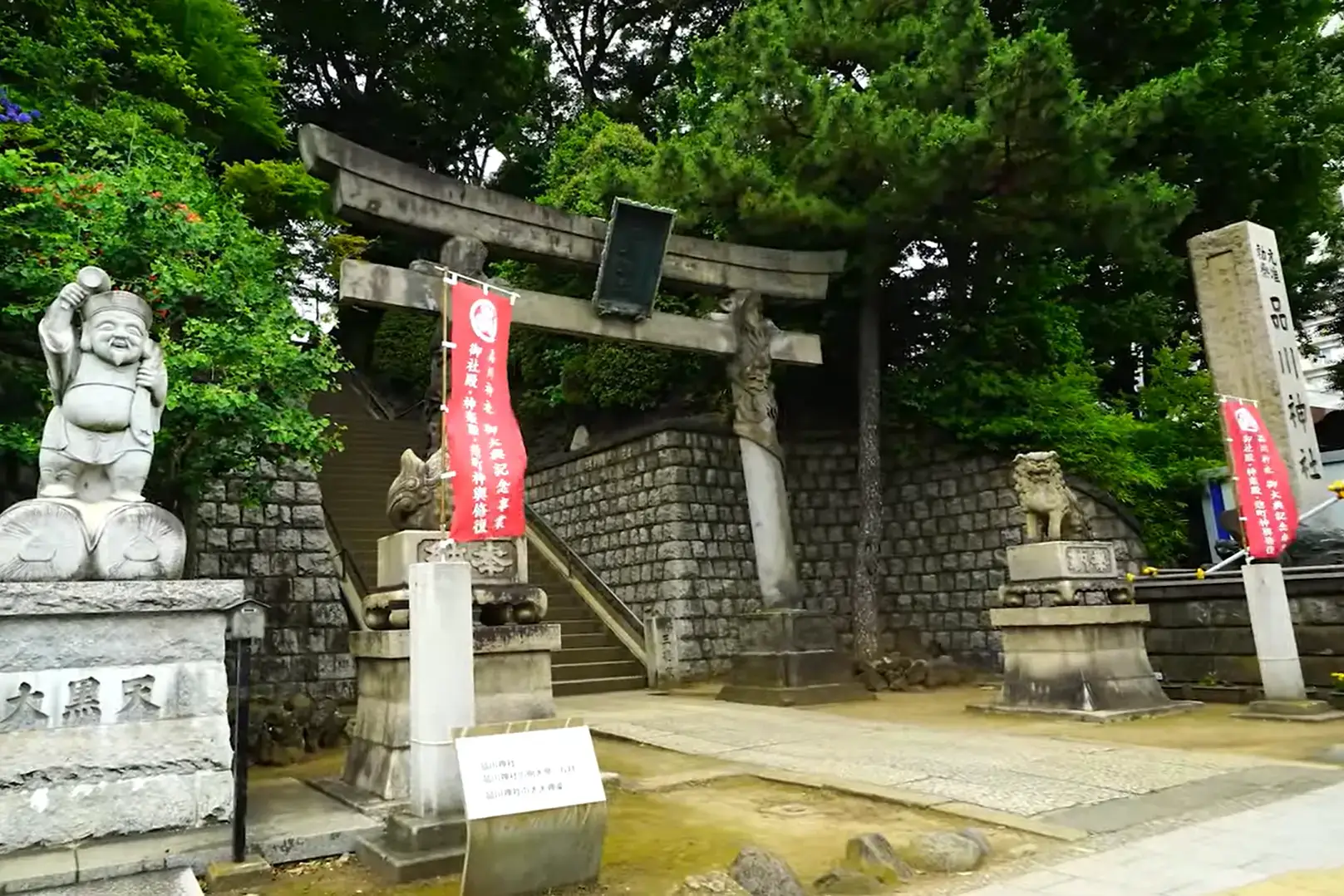
A historic Shinto shrine founded in the Heian period. It is considered one of Tokyo’s important shrines and offers a quiet, traditional atmosphere away from the busy station area. The shrine becomes lively during its summer festival in June.
Access: A 15-20 minute walk from Takanawa Exit, or take the Keikyu Line to Kitashinagawa Station (1 stop from Shinagawa) and walk 3 minutes.
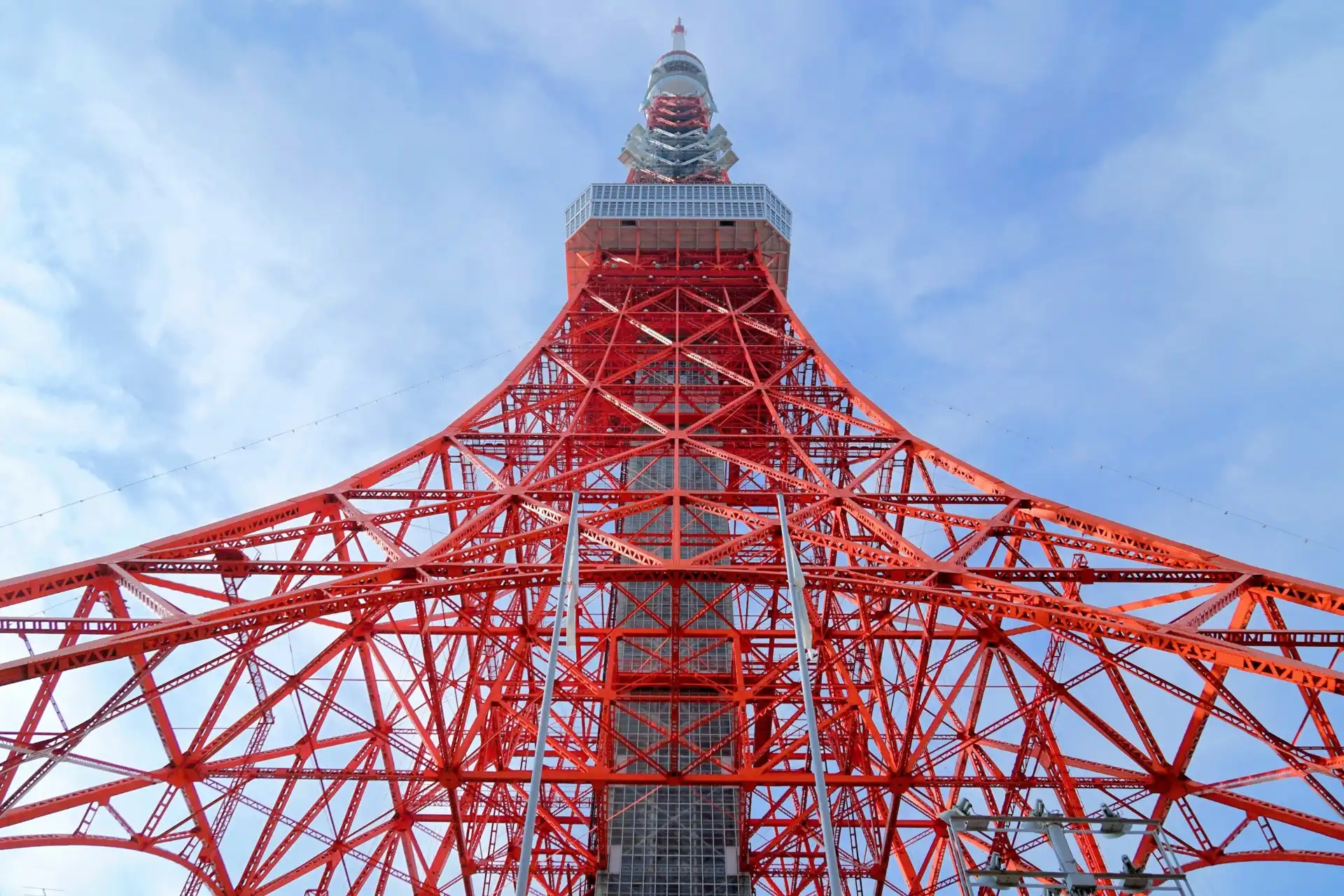
An iconic landmark in Tokyo known for its bright orange steel structure. The observation decks offer wide panoramic views of the city and are popular with both first-time visitors and photographers.
Access: Take the JR Yamanote Line from Shinagawa Station to Hamamatsucho Station (about 6 minutes), then walk about 15 minutes to Tokyo Tower.
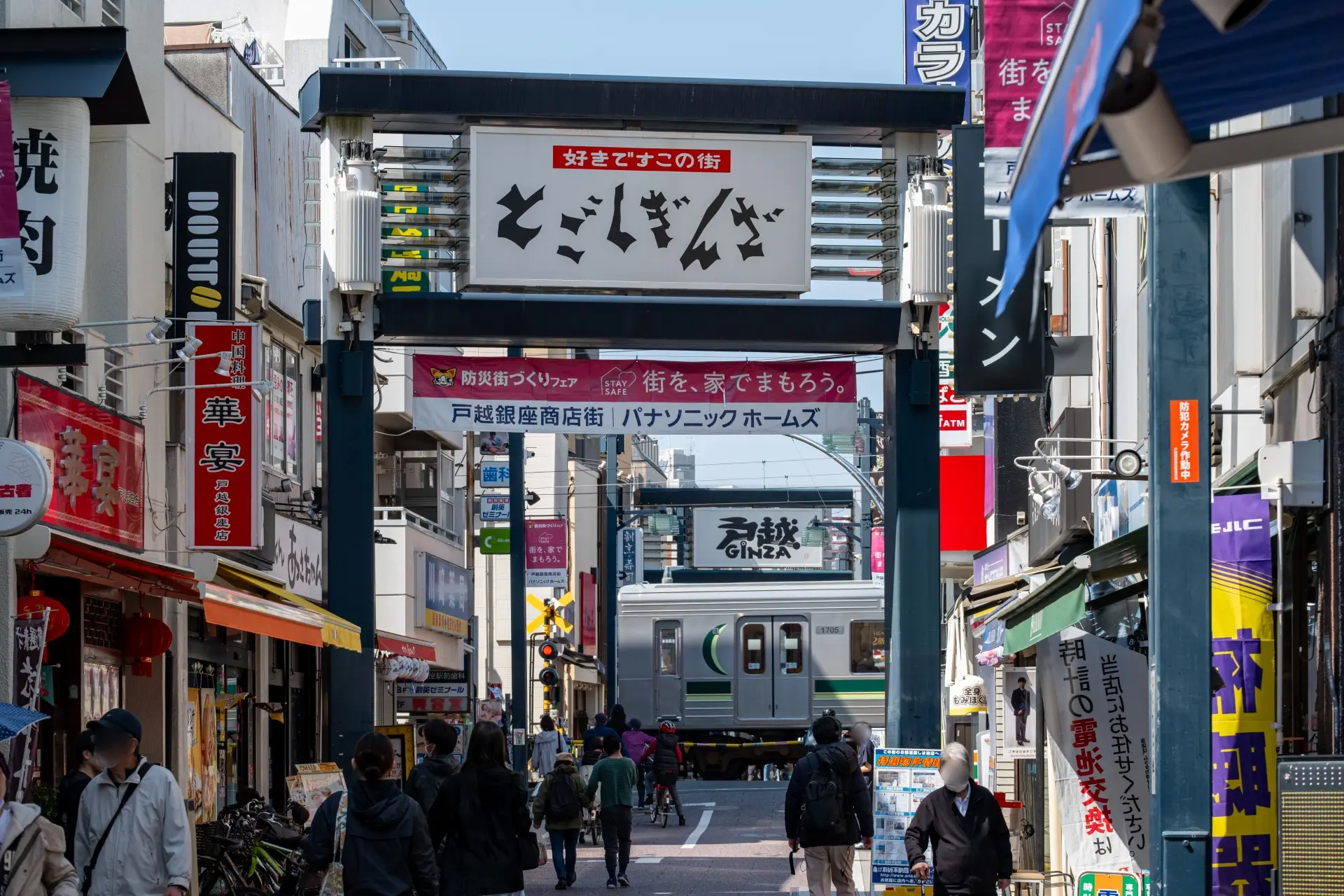
A lively shotengai (traditional shopping street) in Tokyo’s Shinagawa area. Stretching about 1.3 kilometers, it is one of the longest shopping streets in Tokyo. The street is lined with local food stalls, small shops, and casual eateries, offering a glimpse of everyday neighborhood life.
Access: Take the JR Yamanote Line to Gotanda Station, then transfer to the Tokyu Ikegami Line to Togoshi-Ginza Station (Total travel time: approx. 15-20 minutes).
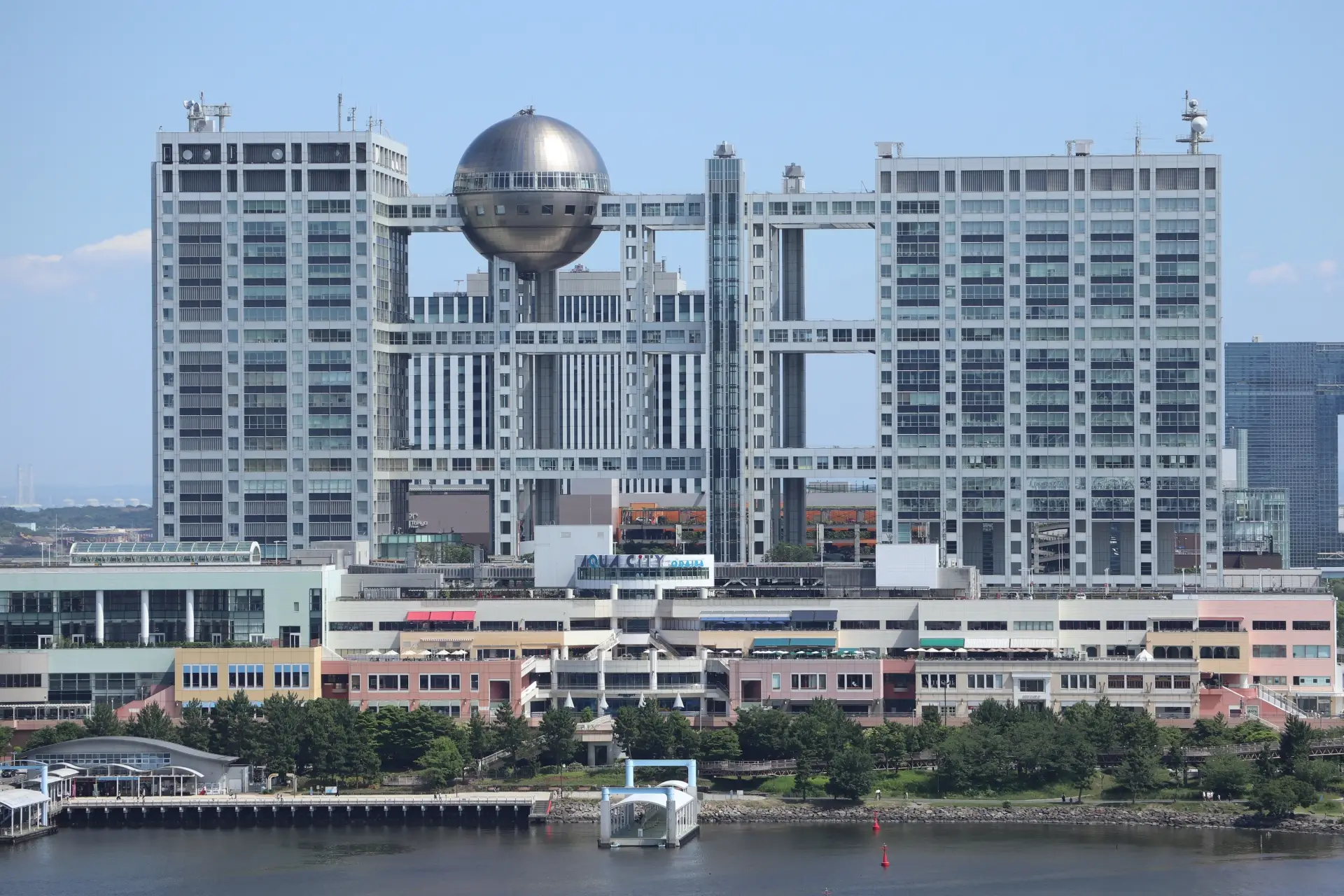
A futuristic waterfront district in Tokyo Bay known for its shopping malls, entertainment complexes, and seaside promenades. Highlights include large shopping centers and a replica of the Statue of Liberty, making it a popular sightseeing area.
Access: Take the JR Keihin-Tohoku Line to Oimachi Station, then transfer to the Rinkai Line to Tokyo Teleport Station (Total Travel Time: Approx. 20–25 minutes).
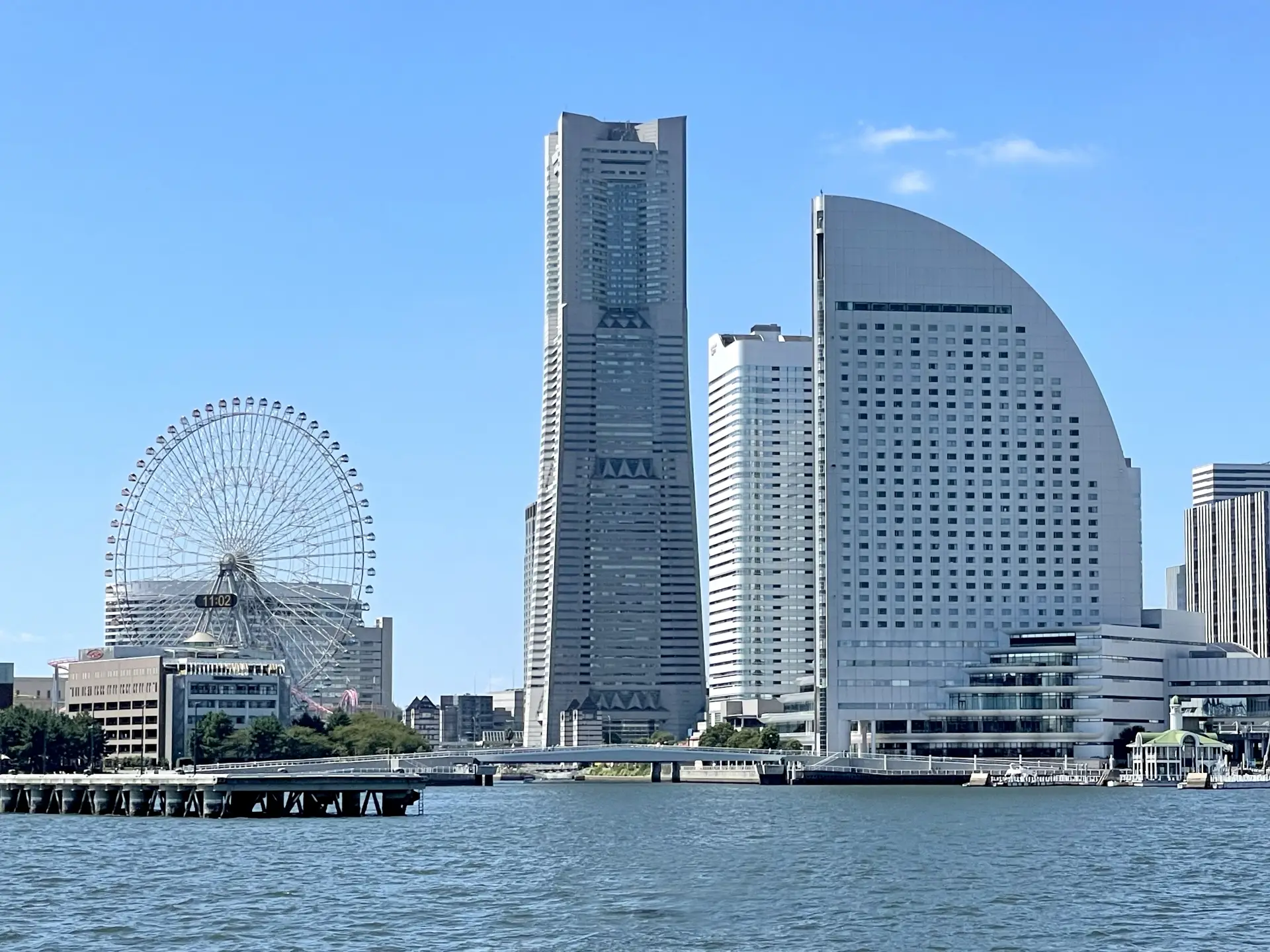
Japan’s second-largest city and a popular day-trip destination from Tokyo. The waterfront area includes Minato Mirai, Chinatown, the Cup Noodles Museum, and Motomachi Shopping Street. Visitors can enjoy harbor views, shopping, and a wide range of restaurants, including excellent seafood.
Access: Take the JR Tokaido Line or Keikyu Line from Shinagawa Station to Yokohama Station (about 15–25 minutes).
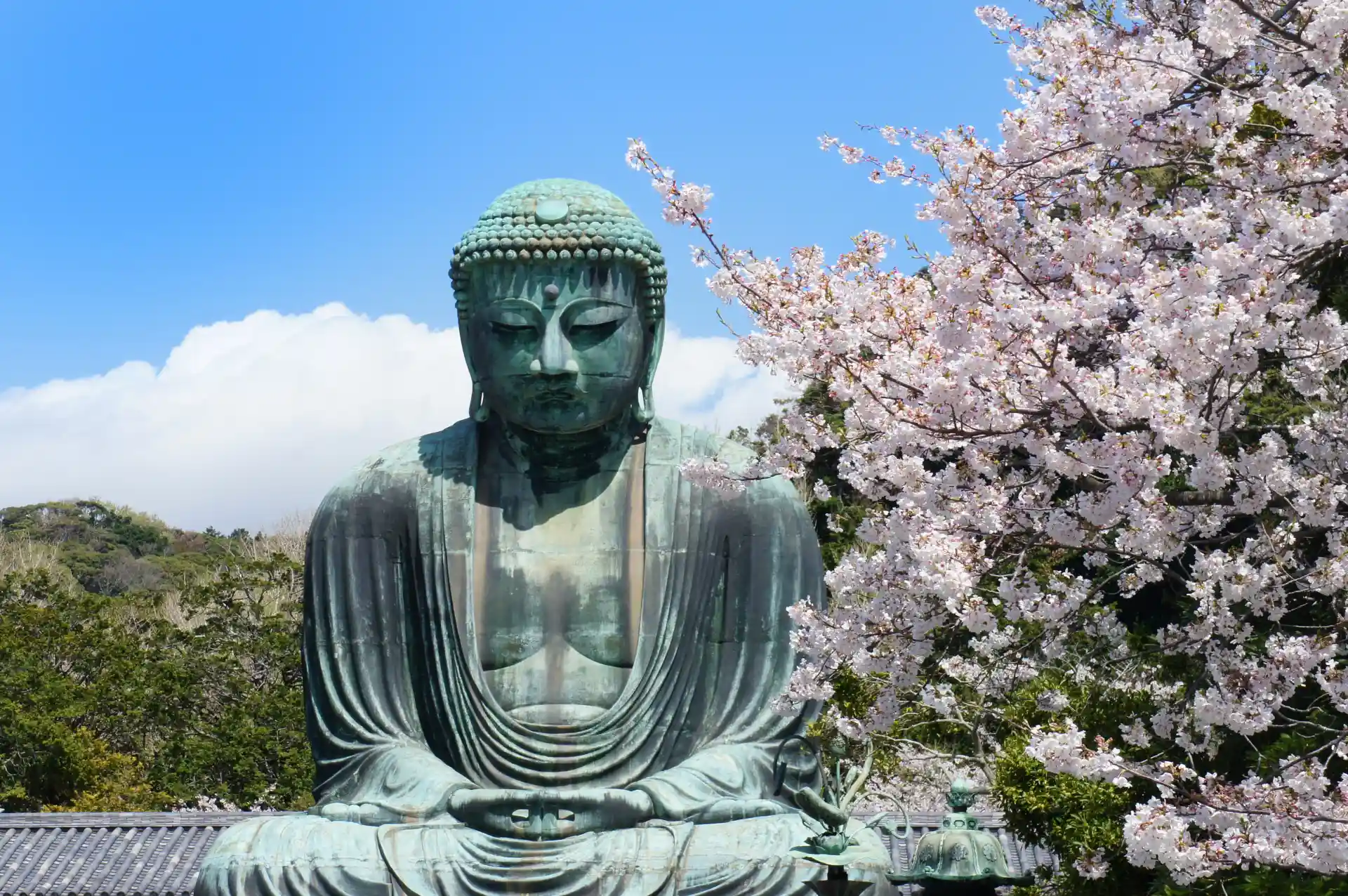
A historic coastal city south of Tokyo known for its temples, shrines, and relaxed seaside atmosphere. Major sights include the Great Buddha at Kotoku-in and several famous Zen temples. It is one of the most popular day trips from Tokyo.
Access: Take the JR Yokosuka Line from Shinagawa Station to Kamakura Station (about 55–60 minutes).
Yes. Shinagawa Station is a fully operational stop on the Tokaido Shinkansen. You can board Nozomi, Hikari, and Kodama trains here for destinations including Nagoya, Kyoto, Osaka, Hiroshima, and Fukuoka.
Yes. All Tokaido Shinkansen trains—including the Nozomi, Hikari, and Kodama—stop at Shinagawa Station at all times of the day.
If you are transferring from the JR lines or the Keikyu Line, simply follow the station signs for “Shinkansen.” They will guide you to the Shinkansen ticket gates inside the station. If you are coming from outside the station, use the entrances marked “Shinkansen Tracks.” These are separate from the regular JR line gates.
Yes. You can use the Japan Rail Pass on Hikari and Kodama trains. To use Nozomi, you need to purchase an [ONLY WITH JAPAN RAIL PASS] NOZOMI MIZUHO Ticket in addition to your pass.
For many travelers, yes — especially those arriving from Haneda Airport or staying near Shibuya or Shinjuku. Shinagawa Station is smaller and less crowded, so the Shinkansen gates are easier to reach. Tokyo Station is larger and more complex but may be more convenient from Narita or central Tokyo.
Take the Keikyu Line directly from Haneda Airport to Shinagawa Station. The trip takes about 14 minutes, with no transfer required.
By Nozomi Shinkansen, the journey from Shinagawa to Kyoto takes approximately 2 hours 15 minutes. By Hikari, it takes around 2 hours 40 minutes.
Shinagawa Station is one of Tokyo’s most convenient Shinkansen departure points for international travelers. It offers direct access from Haneda Airport, a simpler station layout than Tokyo Station, and quick connections to the Tokaido Shinkansen for Kyoto, Osaka, and western Japan.
With clear station signs, easy transfers, and useful facilities, Shinagawa makes starting your Shinkansen journey smooth and stress-free.
If you plan to travel by Shinkansen, you can book your tickets easily through Japan Bullet Train.