

Mentions légales
Support client
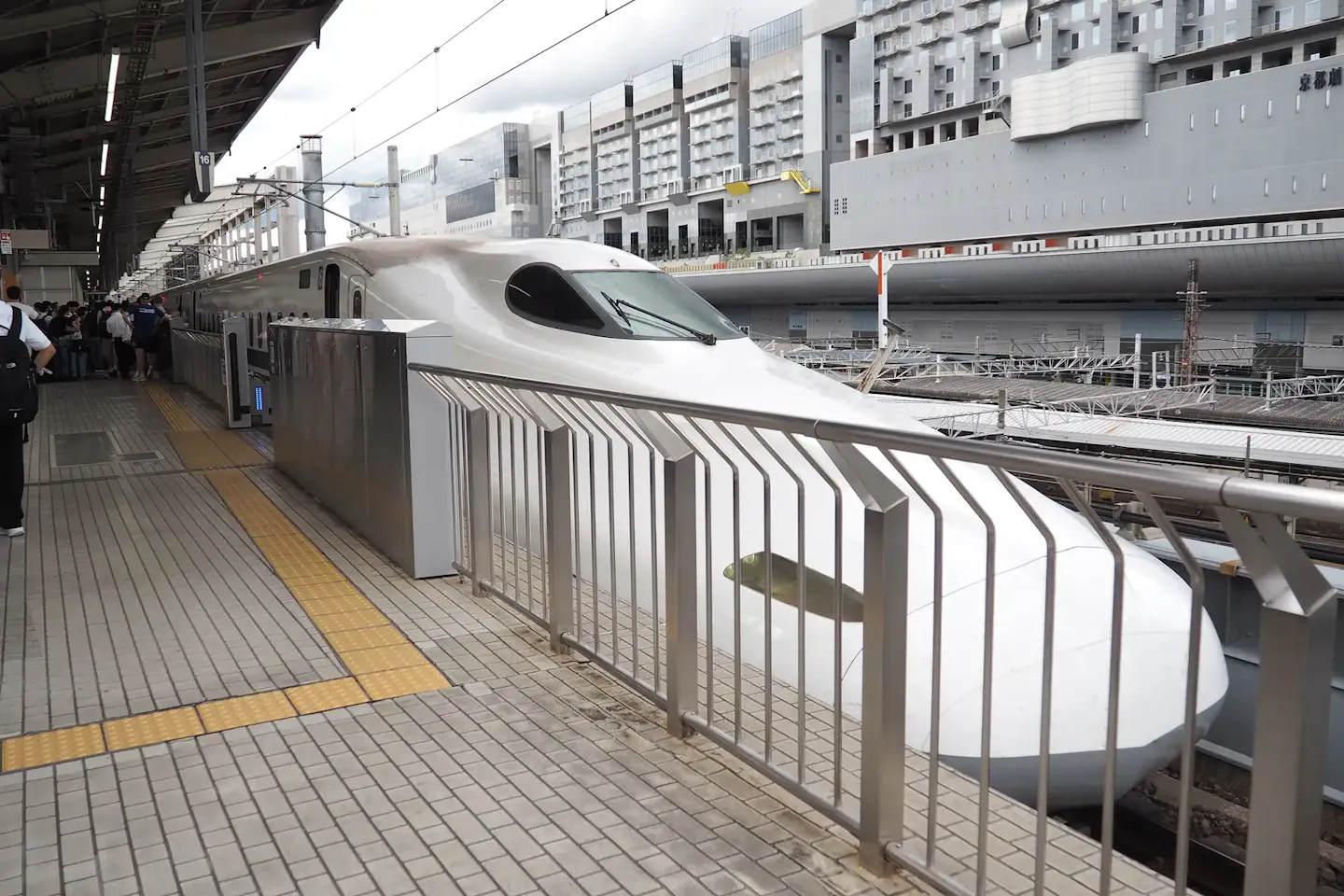
Kyoto Station is one of Japan's most important transportation hubs and serves as your gateway to incredible destinations across the country. Whether you're heading to Tokyo's bustling districts, Osaka's vibrant neighborhoods, or Hiroshima's historic sites, your Shinkansen journey can begin or pass through here. This guide will help you navigate Kyoto Station smoothly and board your Shinkansen with confidence.
Don't worry if this is your first time using Japan's train system. With clear directional signs and a straightforward station layout, you'll find the process much easier than expected. Follow our step-by-step instructions for a stress-free boarding experience.
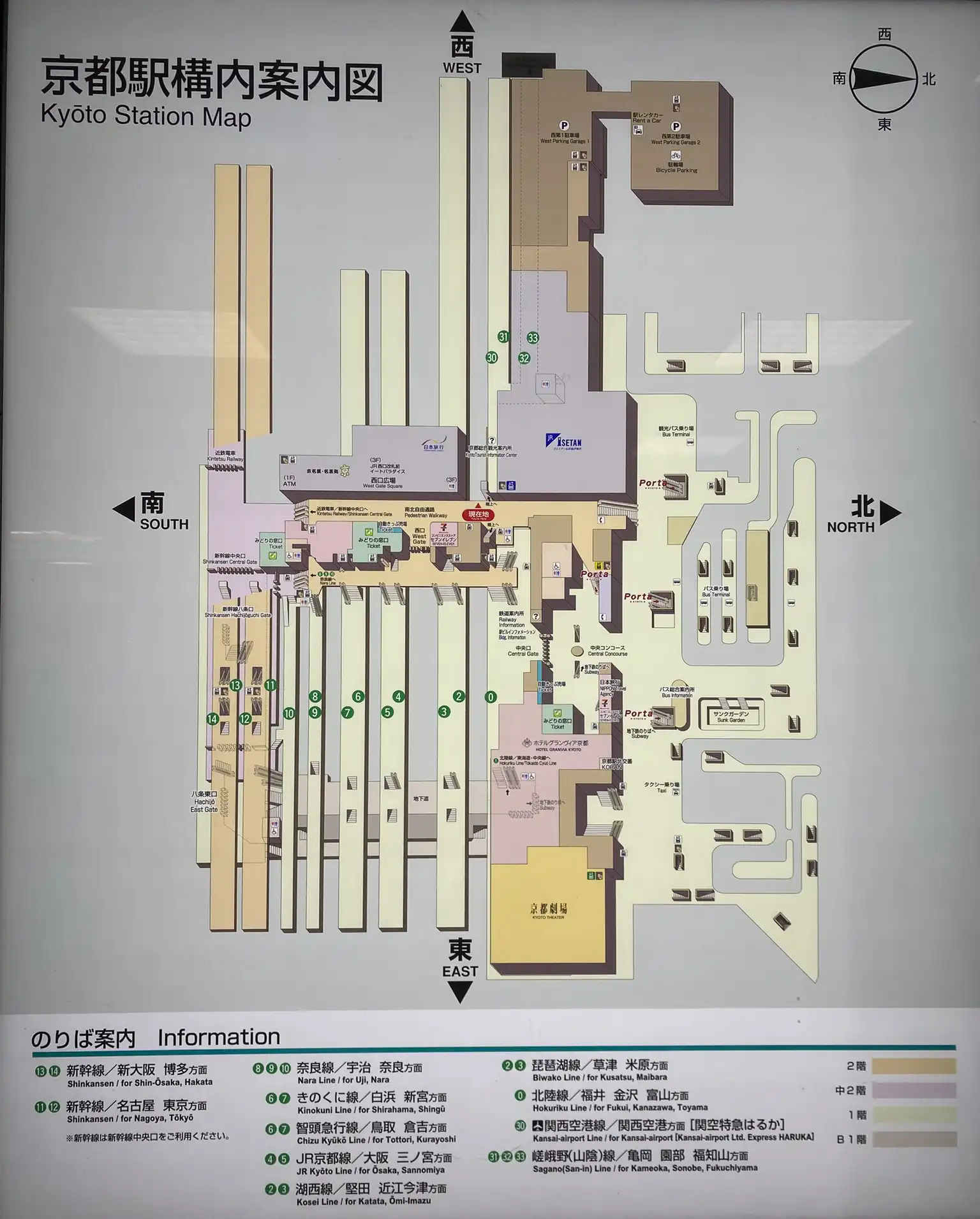
Kyoto Station has two main entrances on opposite sides of the station:
Exit | Location | Best For |
Central Exit (Karasuma Exit) | north side of Kyoto Station, facing Kyoto Tower | convenient if you are coming from central Kyoto, or the city bus terminal |
Hachijo Exit | south side of the station, close to the Shinkansen area | most convenient if you are using the Shinkansen, Kintetsu Railway, or airport buses |
If you plan to board the Shinkansen, the Hachijo side generally offers the quickest and most direct access to the Shinkansen gates.
However, travelers coming from the north side of the city or from the subway/bus terminals may find the Karasuma Exit more convenient—simply walk through the station’s 2nd-floor concourse to reach the Shinkansen area.
Kyoto Station has multiple Shinkansen ticket gates:
Gate Name | Floor | Location | Best For |
Shinkansen Central Gate | 2F | Main gate when coming from the Karasuma (north) side or Central Exit. Also convenient for transferring to/from Kintetsu Railway. | Easiest to access from the Karasuma side. |
Shinkansen Hachijo Gate | 1F | Main gate on the Hachijo (south) side. The shortest route for passengers entering from outside the station to board the Shinkansen. | Easiest to access from the Hachijo side. |
Shinkansen Hachijo East Gate | 1F | Located on the Hachijo side, slightly east of the Hachijo Gate (toward the Nara Line platforms). | Easiest to access from the Hachijo side. |
Shinkansen Central Transfer Gate | 2F | Dedicated transfer gate for passengers arriving on JR local lines. | Most convenient when transferring from JR local lines. |
Shinkansen East Transfer Gate | 2F | Dedicated transfer gate for passengers arriving on JR local lines, located further east along the concourse. | Most convenient when transferring from JR local lines. |
Note: The Shinkansen Central Gate is different from the Central Exit (Karasuma Exit) on the north side of Kyoto Station.
Although their names are similar, the Shinkansen Central Gate is actually located on the Hachijo (south) side of the station, near the Shinkansen platforms.
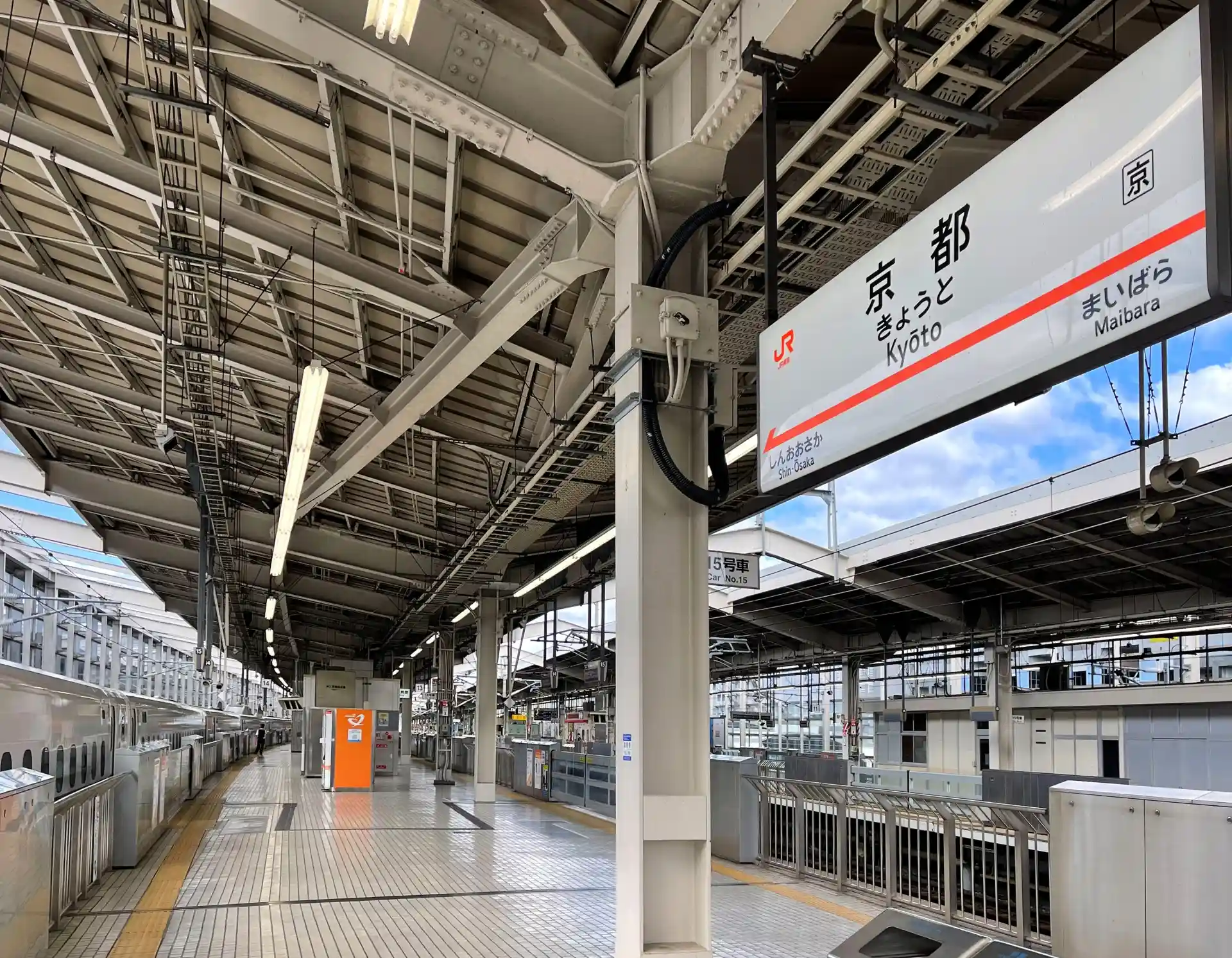
All Shinkansen platforms at Kyoto Station are on the 3nd floor and located on the Hachijo (south) side:
All platforms are clearly marked in both Japanese and English, so you won't get lost.
When you arrive at Kyoto Station on a JR local line, look for signs that say "Shinkansen." These signs are located on every platform and will guide you toward the Shinkansen area.
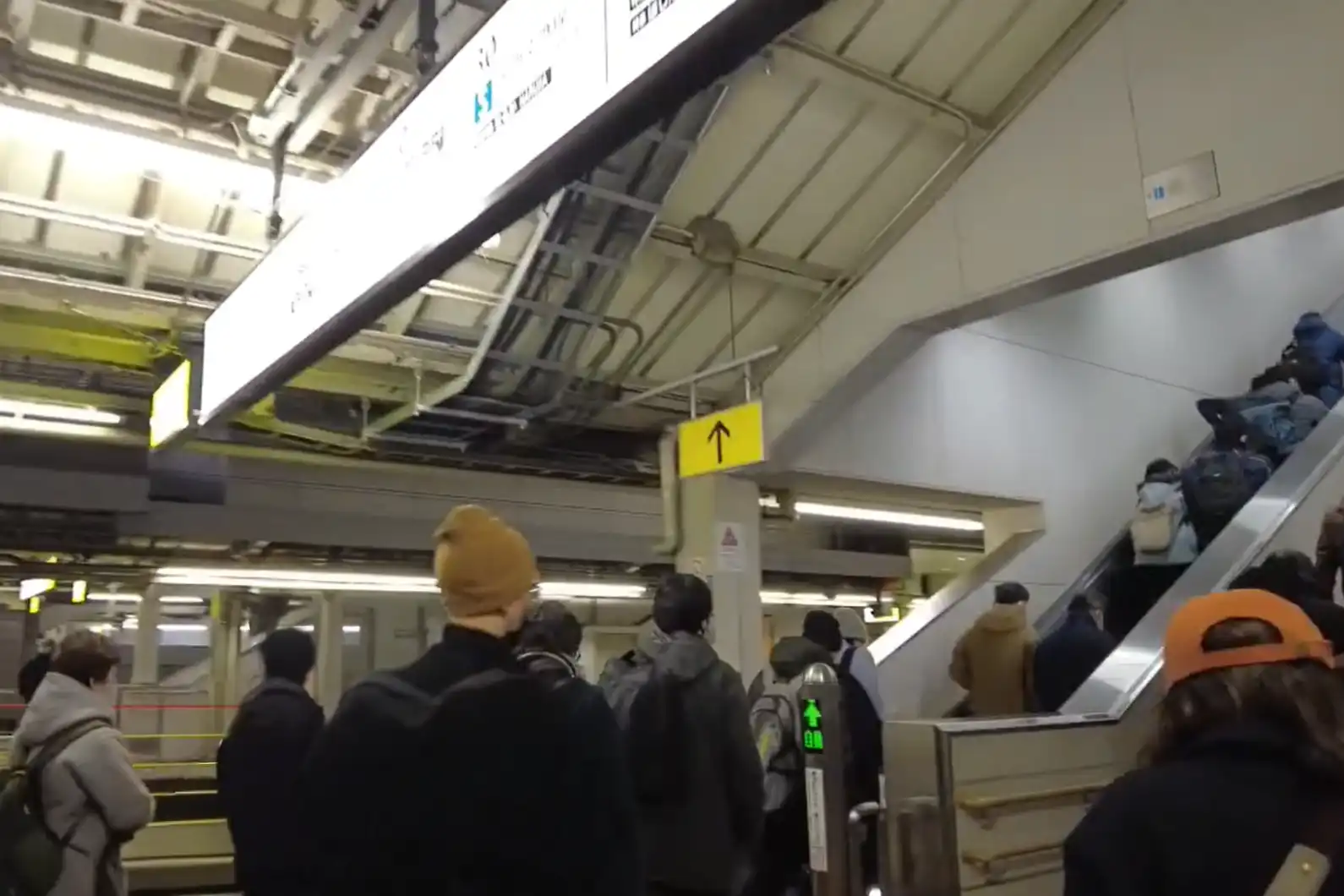
Take the escalator or stairs up to the 2nd floor. You'll see directional signs pointing toward the Shinkansen transfer gates.
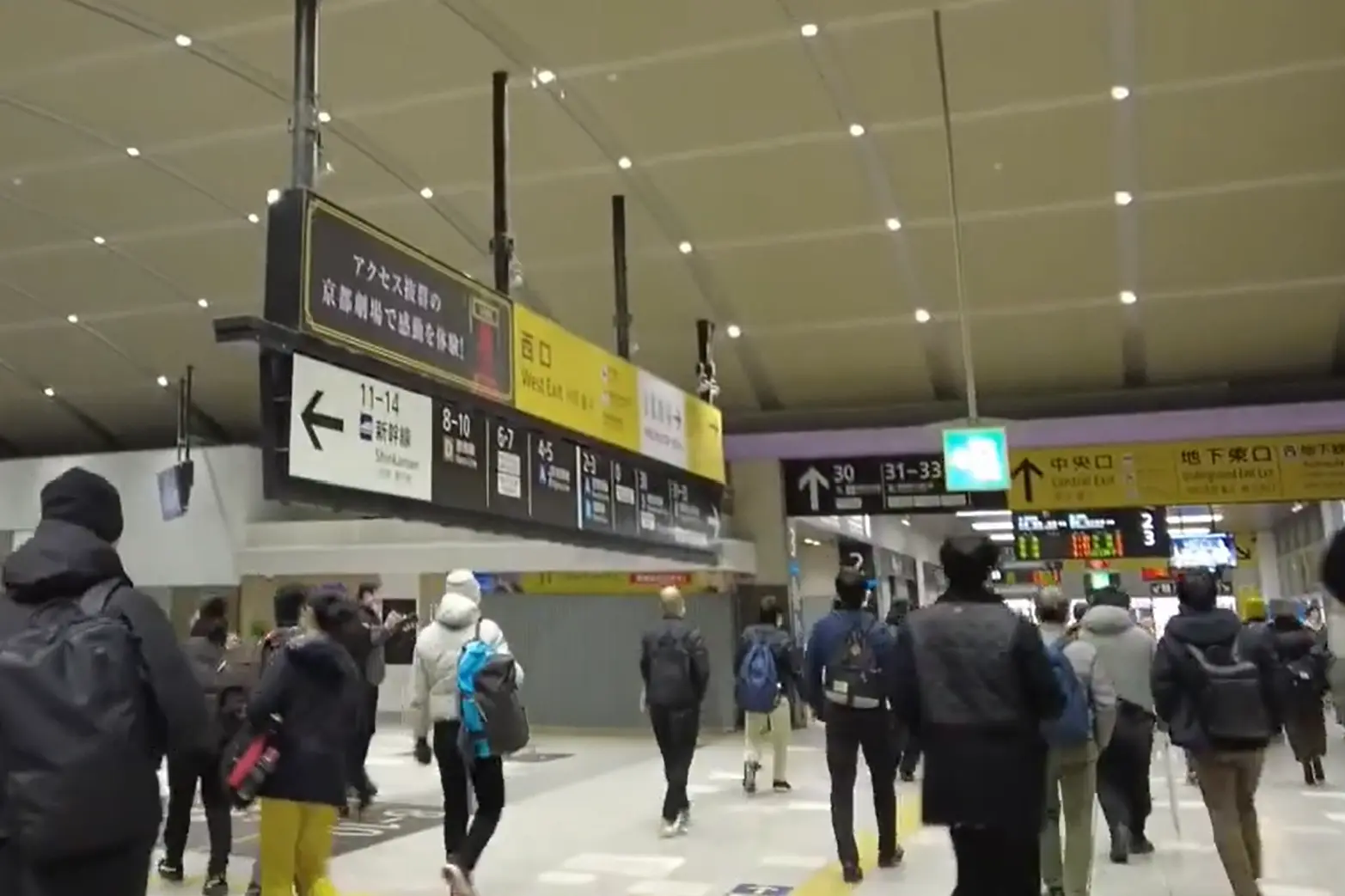
Follow the signs through the corridor. The pathway is wide and easy to navigate.
You'll arrive at the Shinkansen transfer area. There are two main transfer gates:
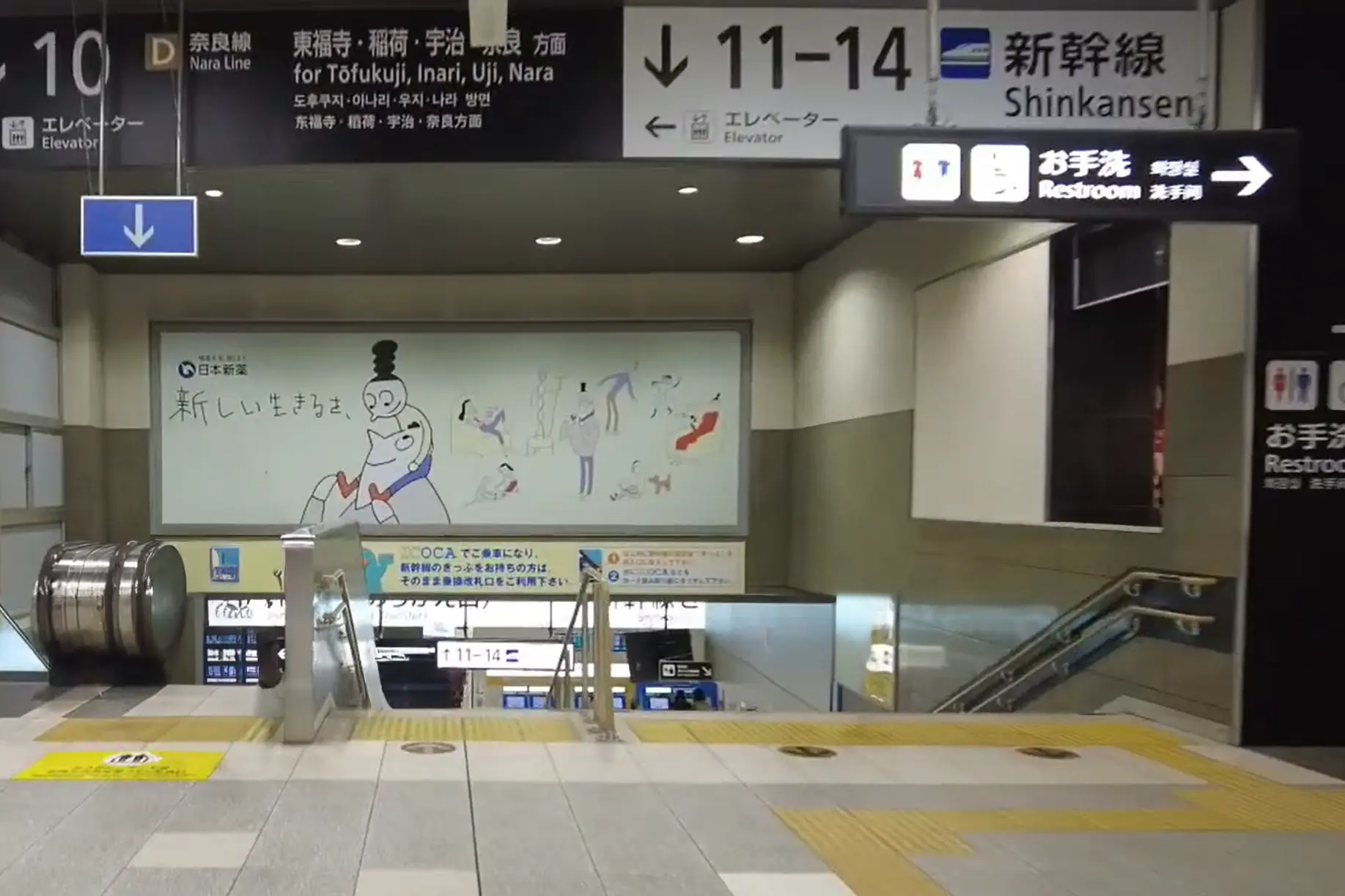
Both gates work equally well, but the Central Transfer Gate has more ticket machines and is generally easier to find.
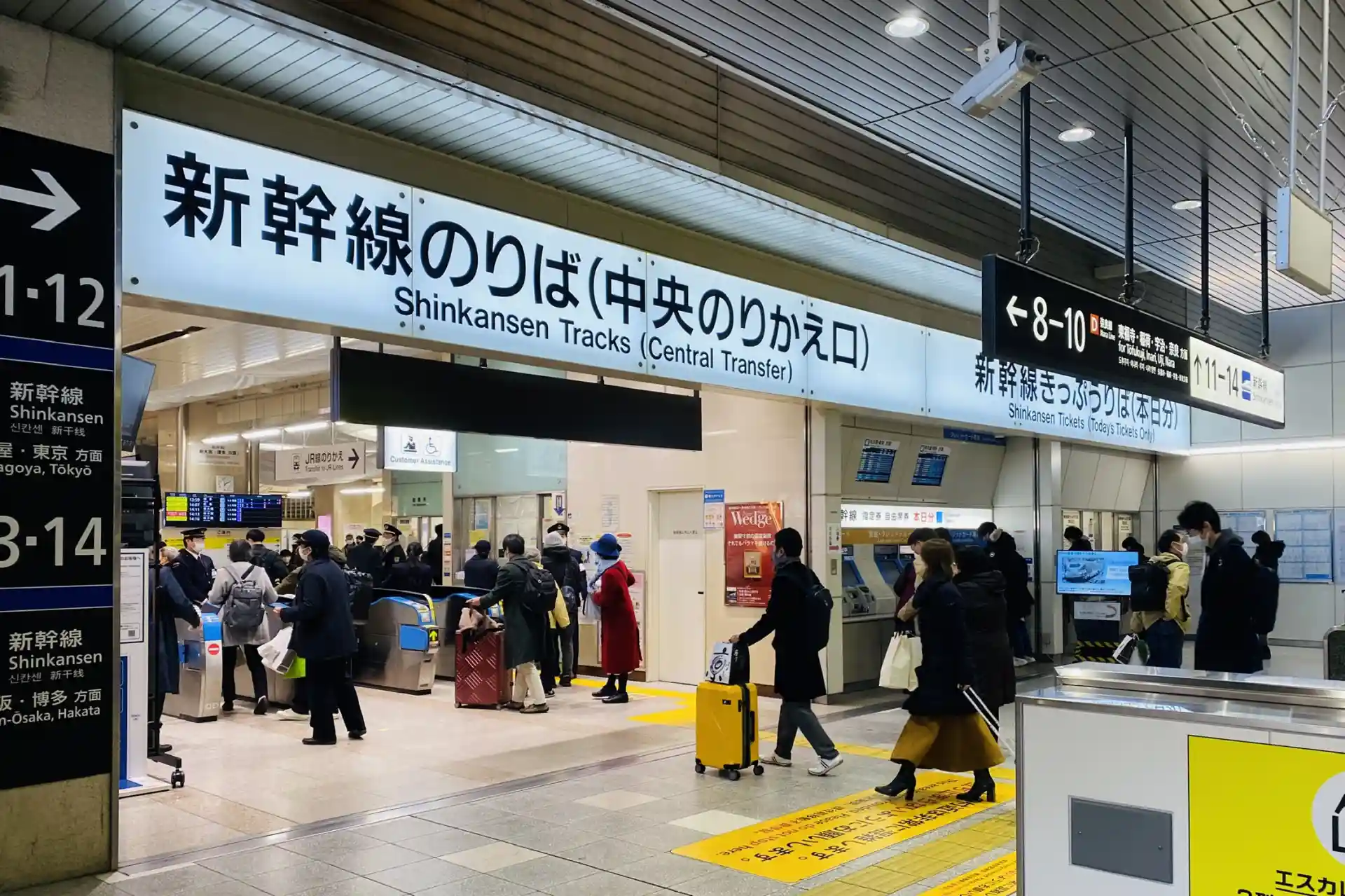
Before entering the Shinkansen area, you need a valid ticket. You have two main options:
If you already have a ticket: Great! You can go directly to the transfer gates.
If you need to get your ticket: Look for the ticket machines near the transfer gates. These machines have multilanguage options and accept cash or cards.
For travelers who booked online with services like Japan Bullet Train, you can exchange your QR code for paper tickets at these same machines. The process is quick and the machines provide clear instructions in multilanguage.

● Read More: How to receive your Shinkansen ticket
Insert your ticket into the ticket gate. If you're transferring from a JR local line, insert both your local line ticket and your Shinkansen ticket together. Don't forget to take your tickets from the machine — you'll need them during your journey and when you exit at your destination.
The ticket gates are clearly marked and have staff nearby if you need help.
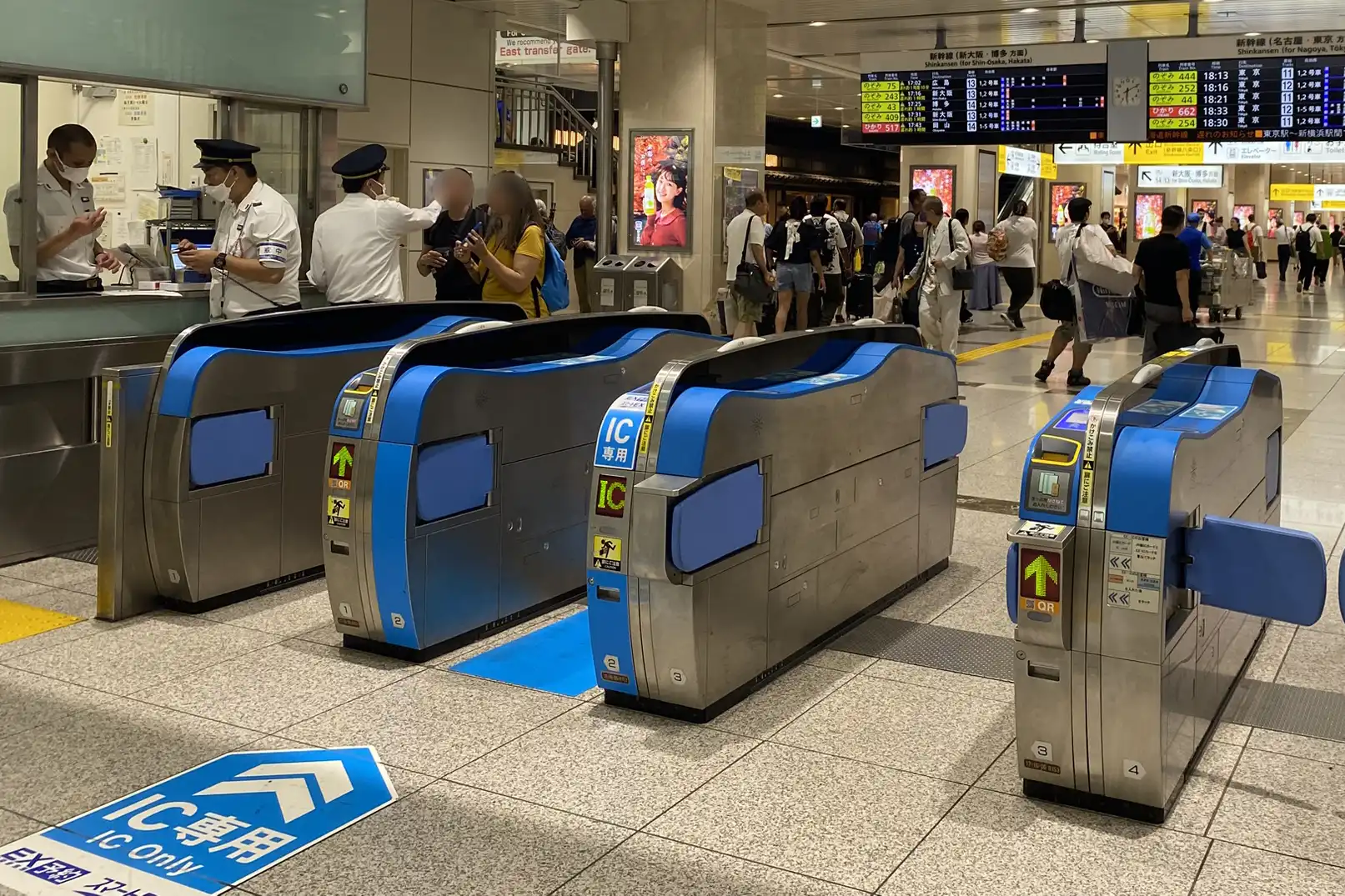
Once through the gate, take the escalator or elevator up to your platform.

Electronic boards show departure times, train names, and platform numbers.
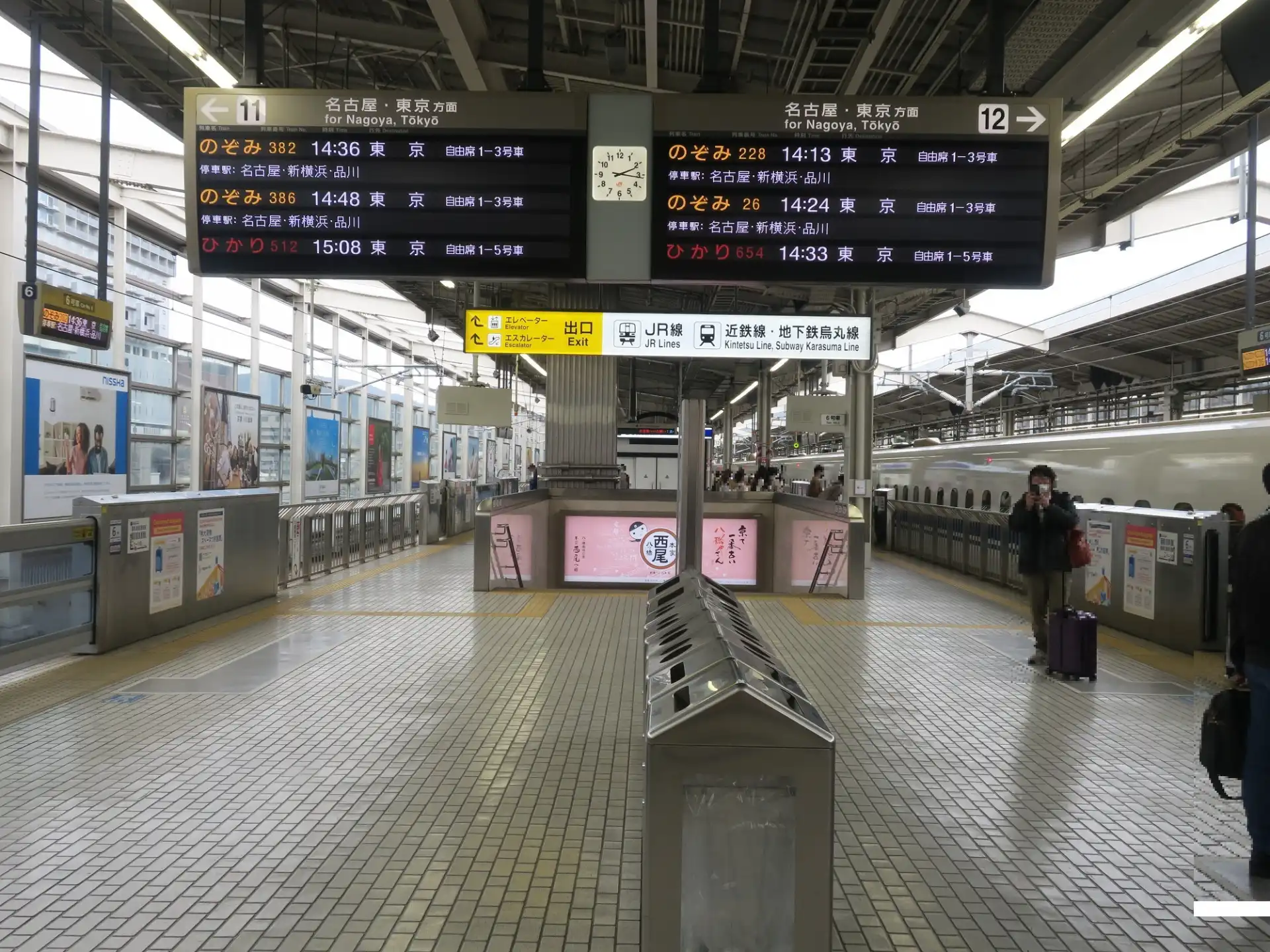
The platforms are long, so give yourself time to walk to the right car position.
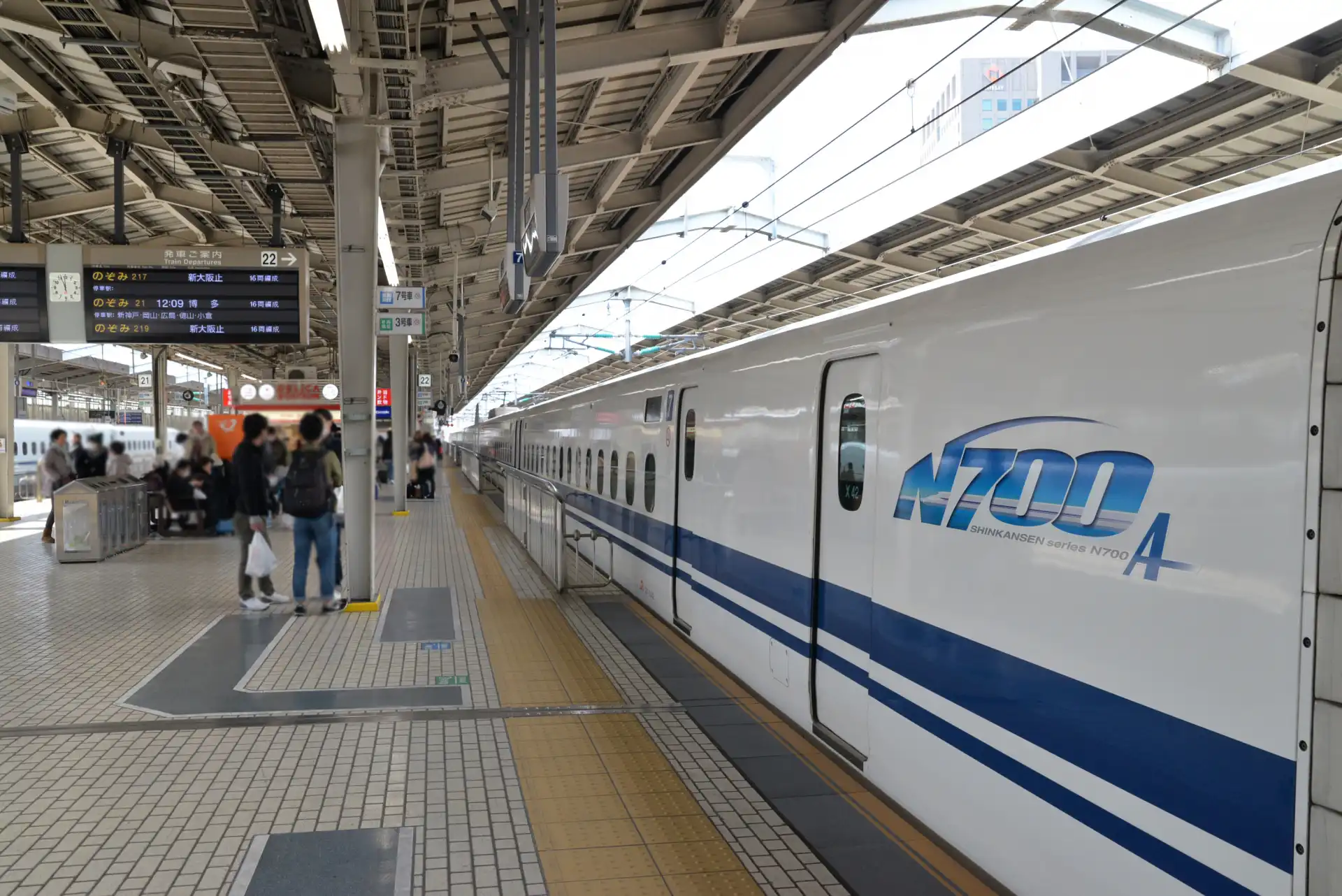
For Reserved Seats:
Find the number of your train car on your ticket. Look for the corresponding car number markers on the platform. Arrive about 10 minutes before departure time.
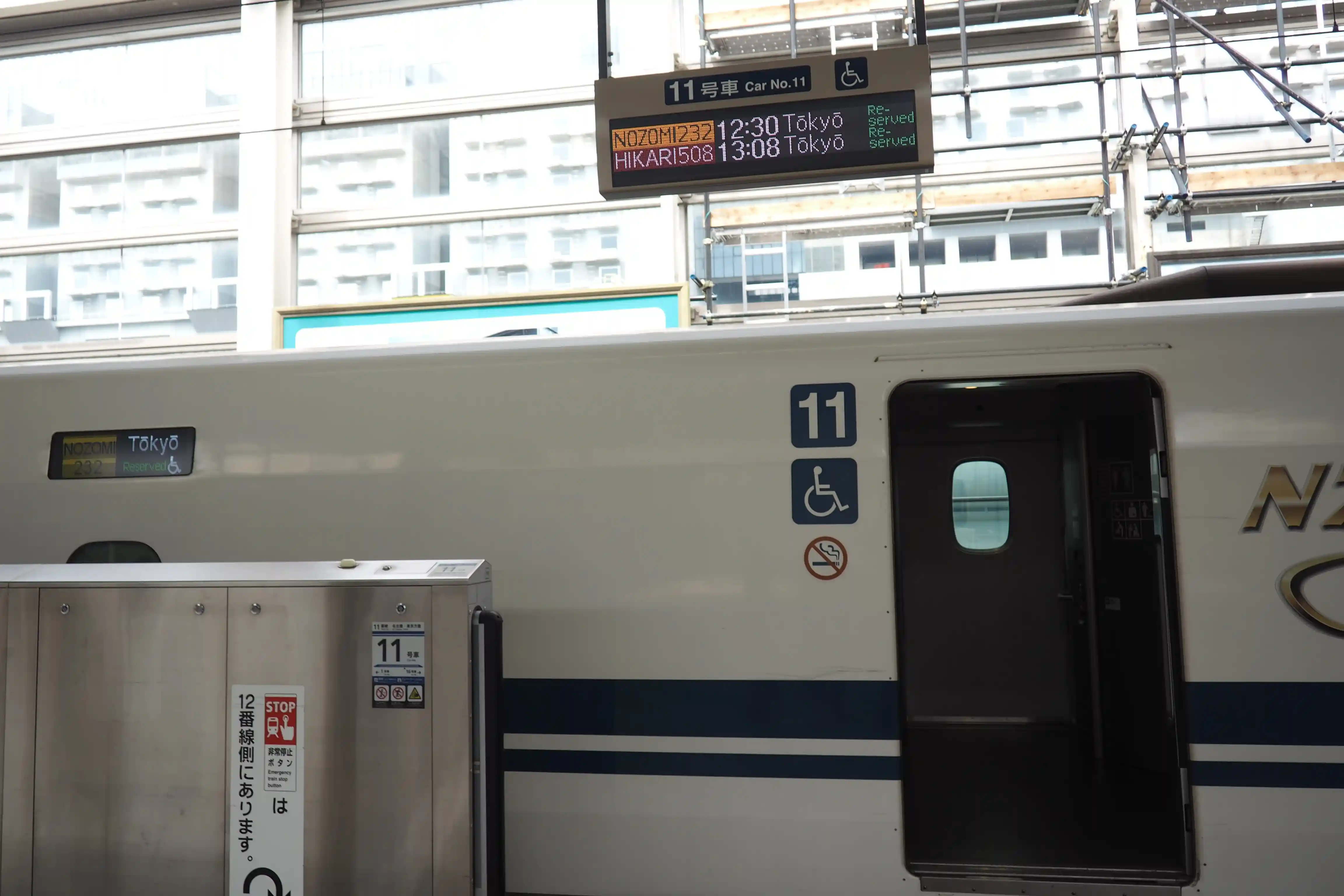
● Read More: Shinkansen Boarding Guide: How to Board & Understand Tickets
For Non-Reserved Seats:
Non-reserved cars are usually at the front end of the train. Always check the platform displays and car diagrams to confirm which cars are non-reserved.
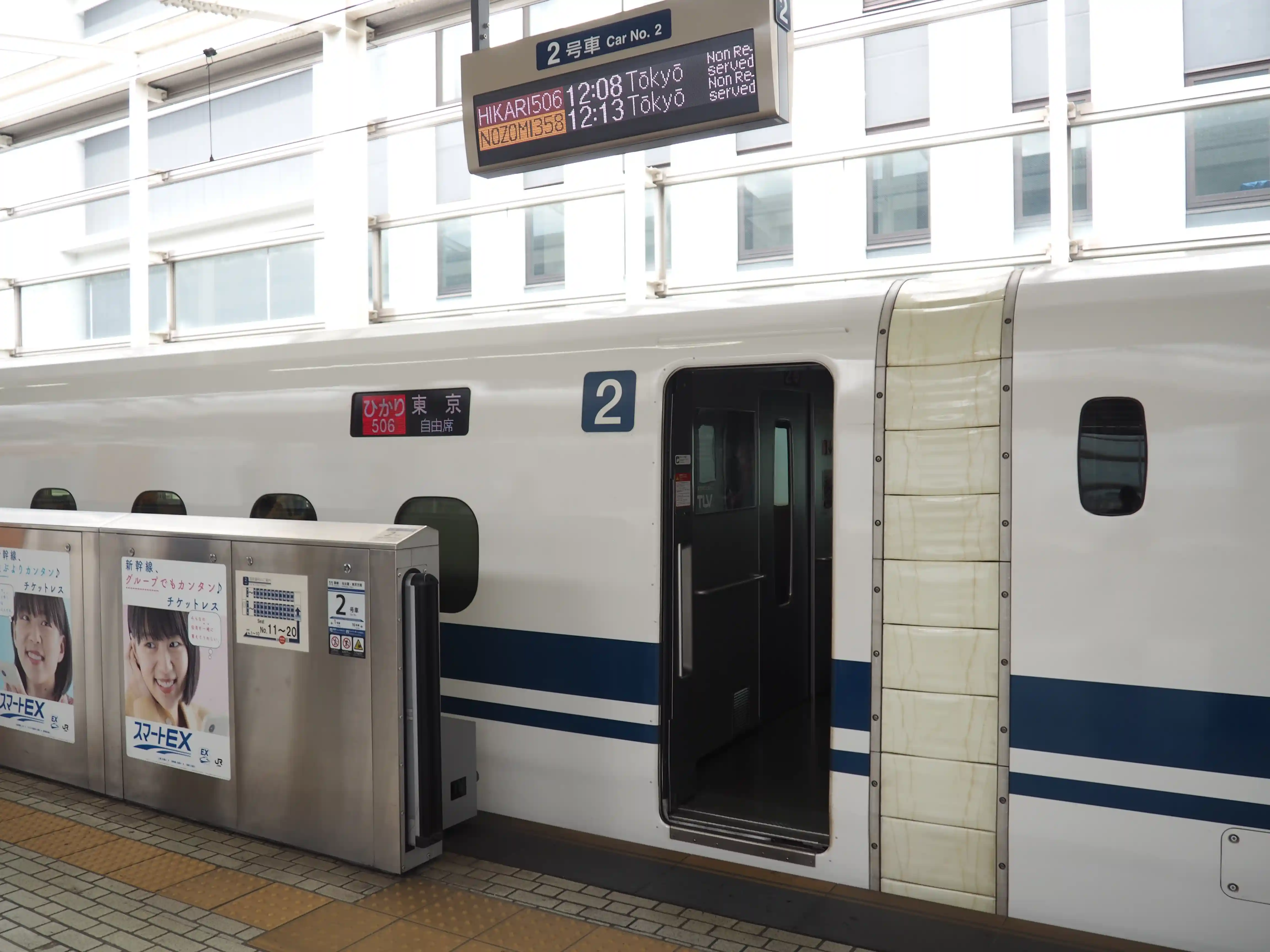
During busy periods, you might need to wait for the next train if the first one is full. Arriving early gives you the best chance of getting a seat.
To make the most of your precious travel time in Japan and avoid any delays, booking in advance with Japan Bullet Train is highly recommended.

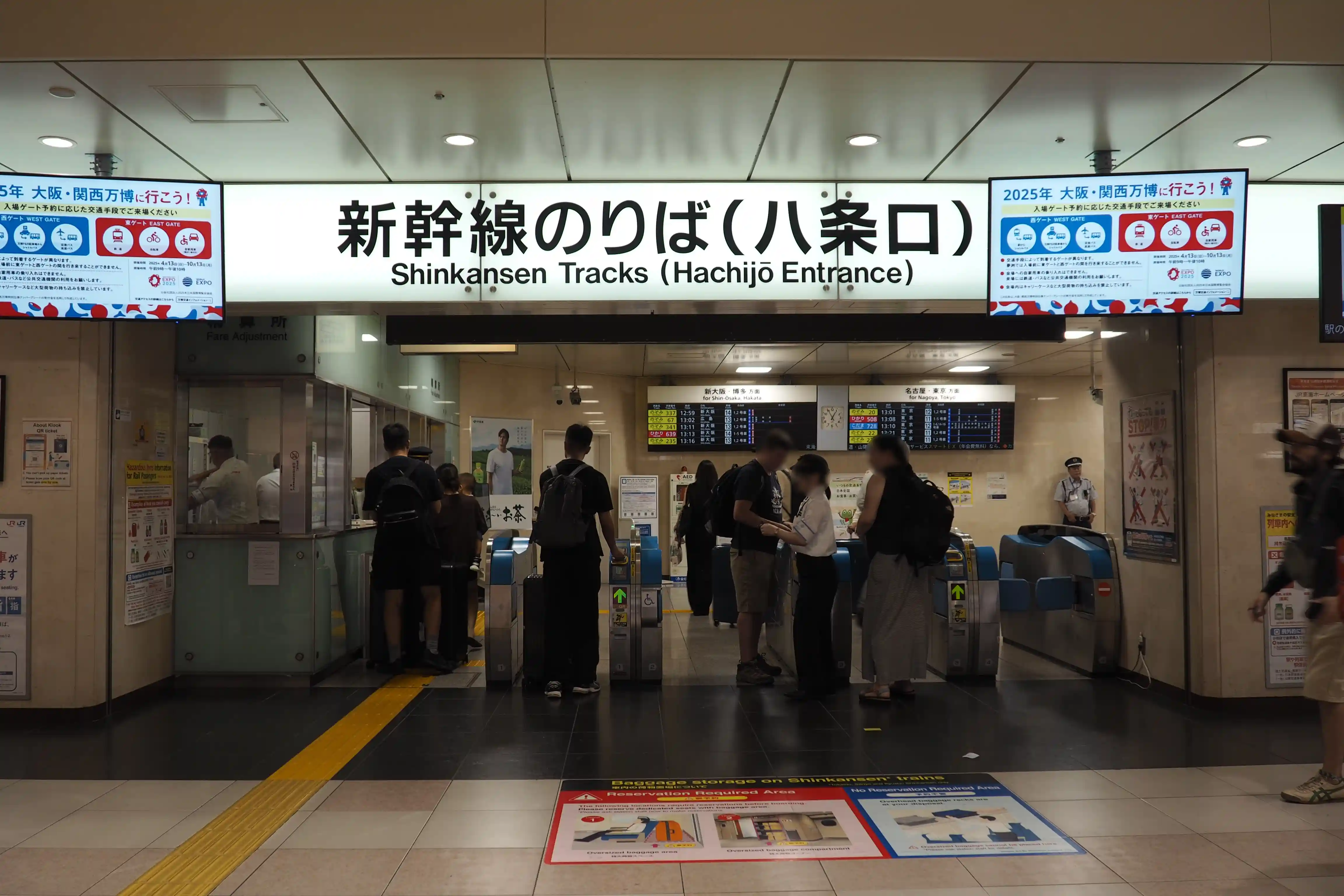
If you're coming from the south side of Kyoto Station, this entrance is the best choice for accessing the Shinkansen. Many hotels near Kyoto Station are located on this side, and many international travelers arrive here via airport buses or taxis.
There are two main Shinkansen gates at street level. You don't need to go through the regular JR ticket gates — but make sure you have a valid Shinkansen ticket or IC card with a reserved seat.
Both gates are on the 1st floor. After passing through the ticket gates, take the escalator or elevator up to the platforms.
Allow about 10 minutes from the Hachijo Exit to reach the Shinkansen platforms.

The Central (Karasuma) side is farther from the Shinkansen platforms, but you can still use it. This entrance works well if you're coming from the subway, central Kyoto, or the main bus terminals.
Enter through the Central Exit and head to the 2nd floor.
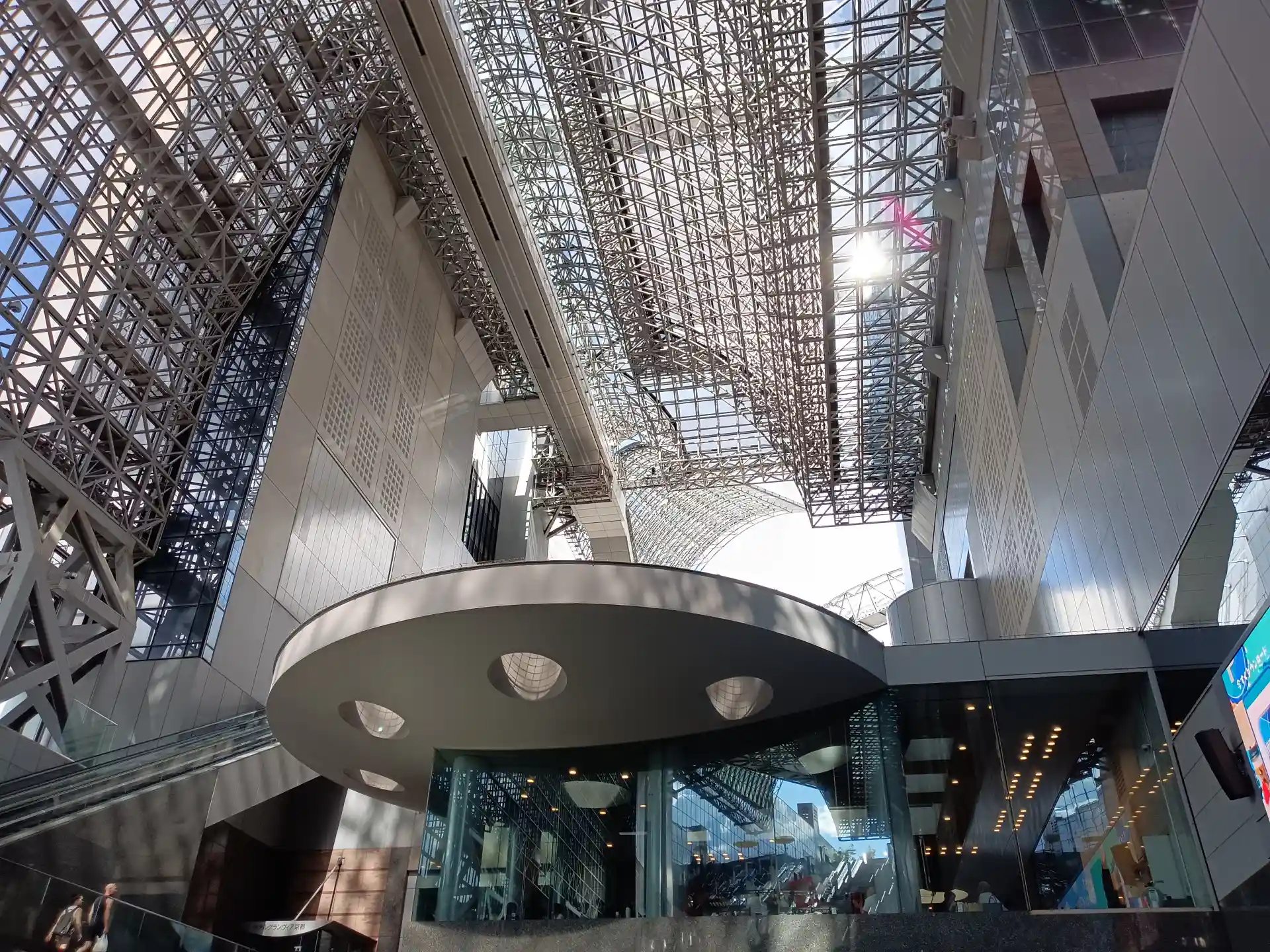
You'll find a wide corridor called the "North-South Pedestrian Deck" that connects both sides of the station. Walk south through this corridor toward the Hachijo side. The walk takes about 5 to 10 minutes and is clearly signposted with "Shinkansen" signs.
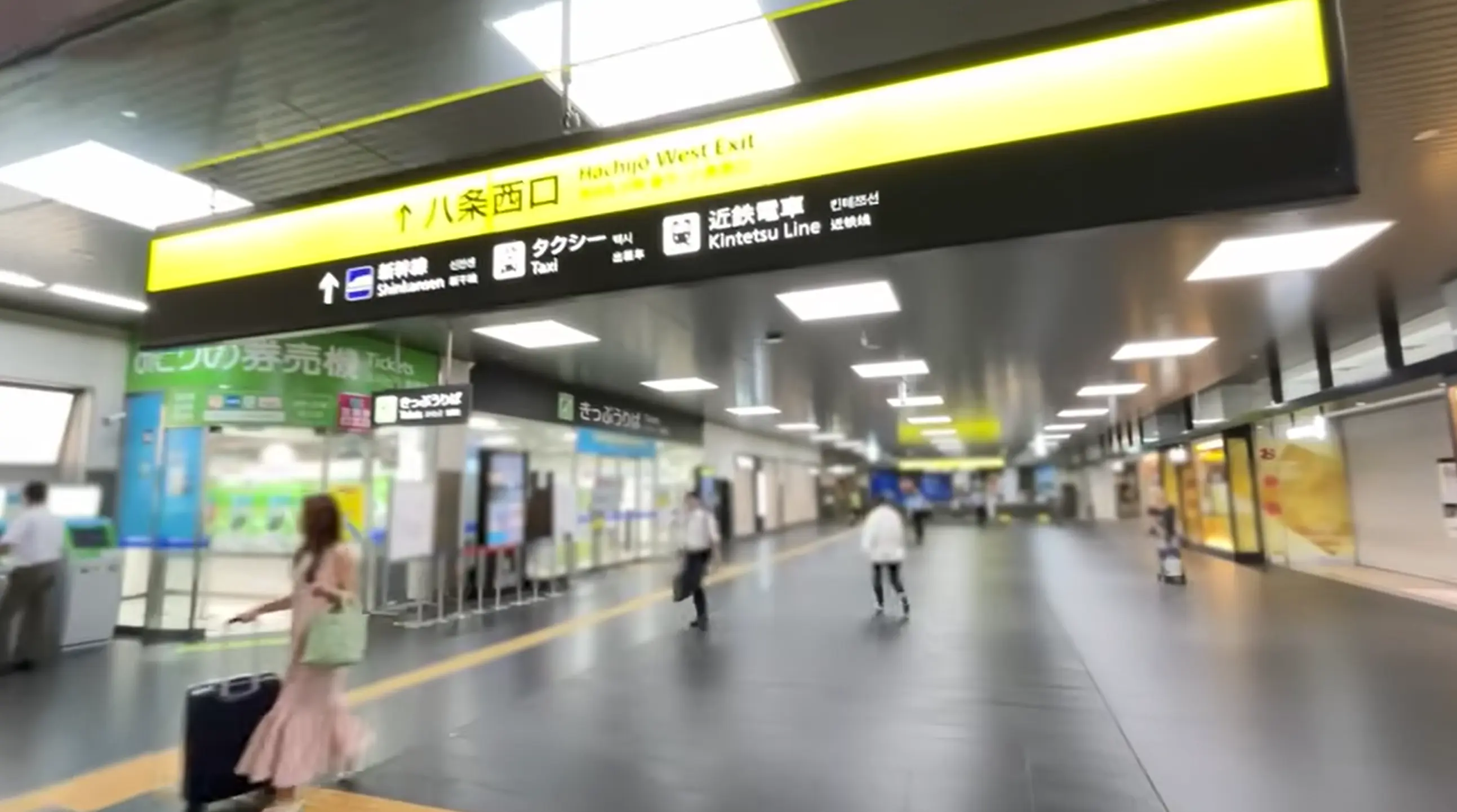
You'll arrive at the Shinkansen Central Gate on the 2nd floor. This is the main ticket gate with the most ticket machines and staff windows.
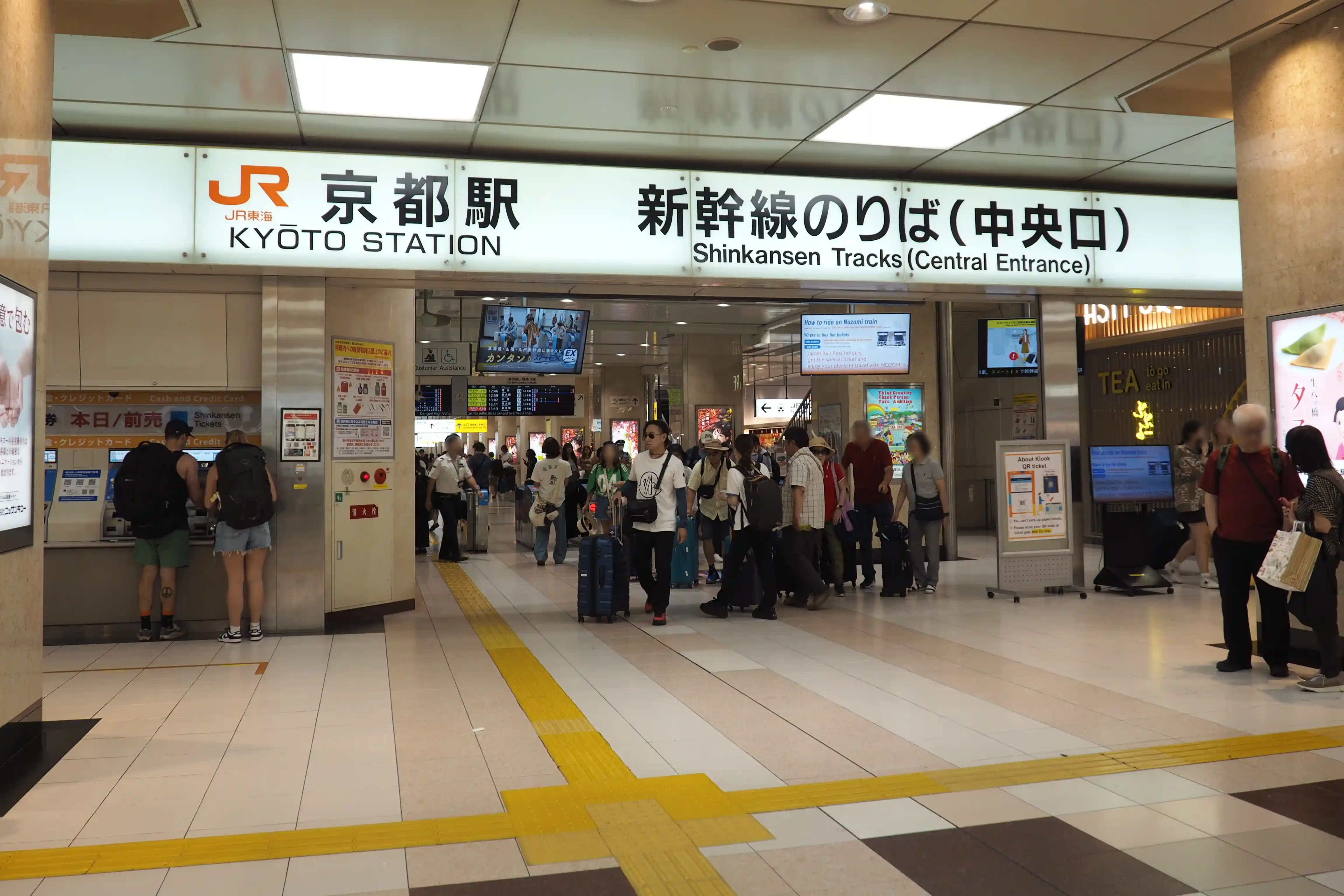
From the Central Exit to the Shinkansen platforms typically takes 15 to 20 minutes depending on your walking speed.
Many international travelers arriving at Kyoto Station come with large suitcases. The station is well-equipped for travelers with luggage:
Kyoto Station has excellent barrier-free facilities with elevators at all entrances and platforms. Both the Central (Karasuma) side and the Hachijo side have elevator access to the Shinkansen area. Look for the universal access symbol on signs throughout the station. Station staff are available to assist if needed.
For the fastest access, use the Hachijo Exit and enter through the Shinkansen Hachijo Gate on the 1st floor. This route takes only 5-10 minutes from the station entrance to the platforms.
Exit through the South Gate. You'll see the Shinkansen Hachijo East Gate directly ahead. Transfer time: about 5 minutes.
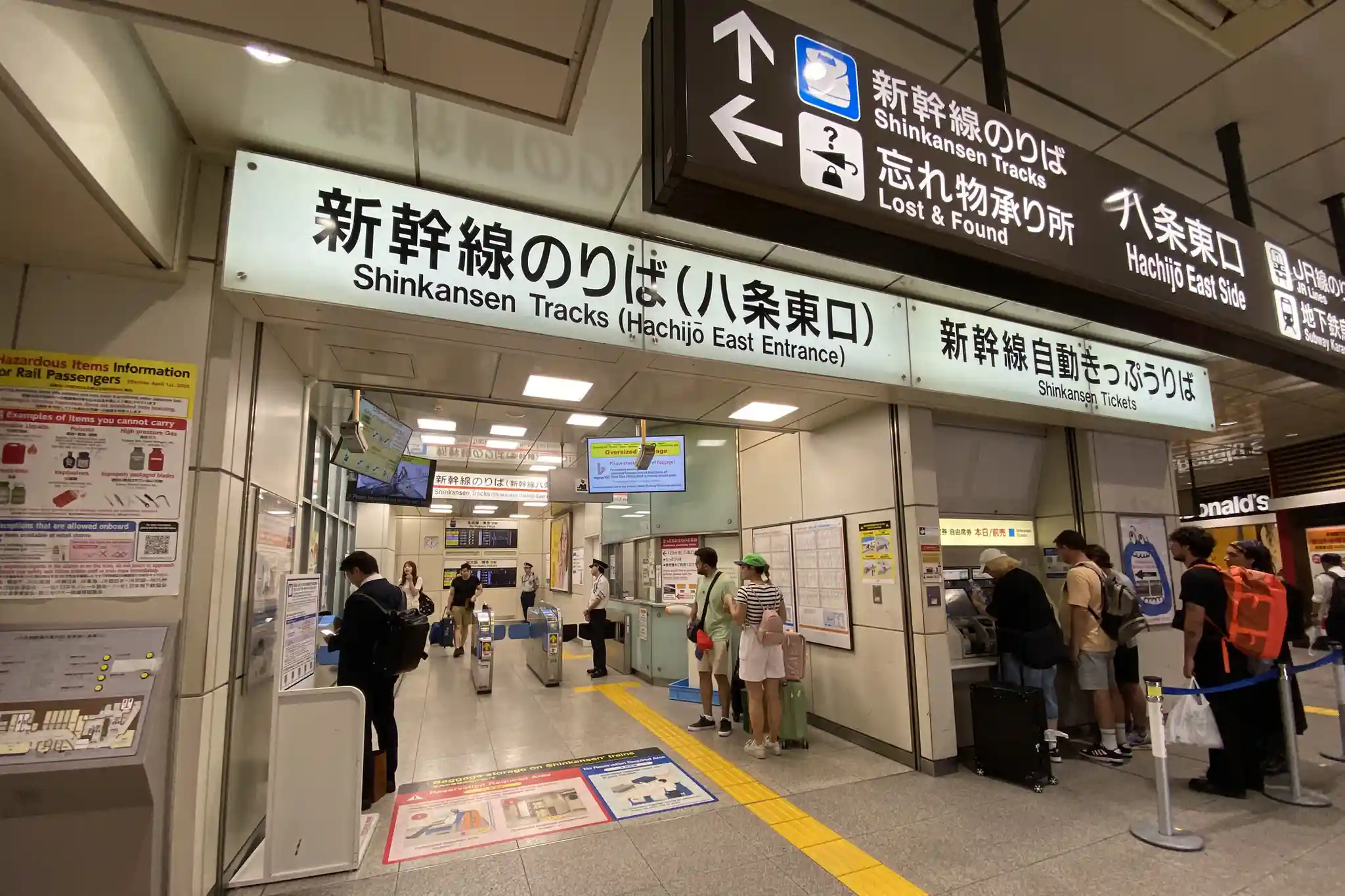
Exit the Kintetsu gates and walk straight ahead. The Shinkansen Central Gate is right in front of you. Transfer time: less than 3 minutes.
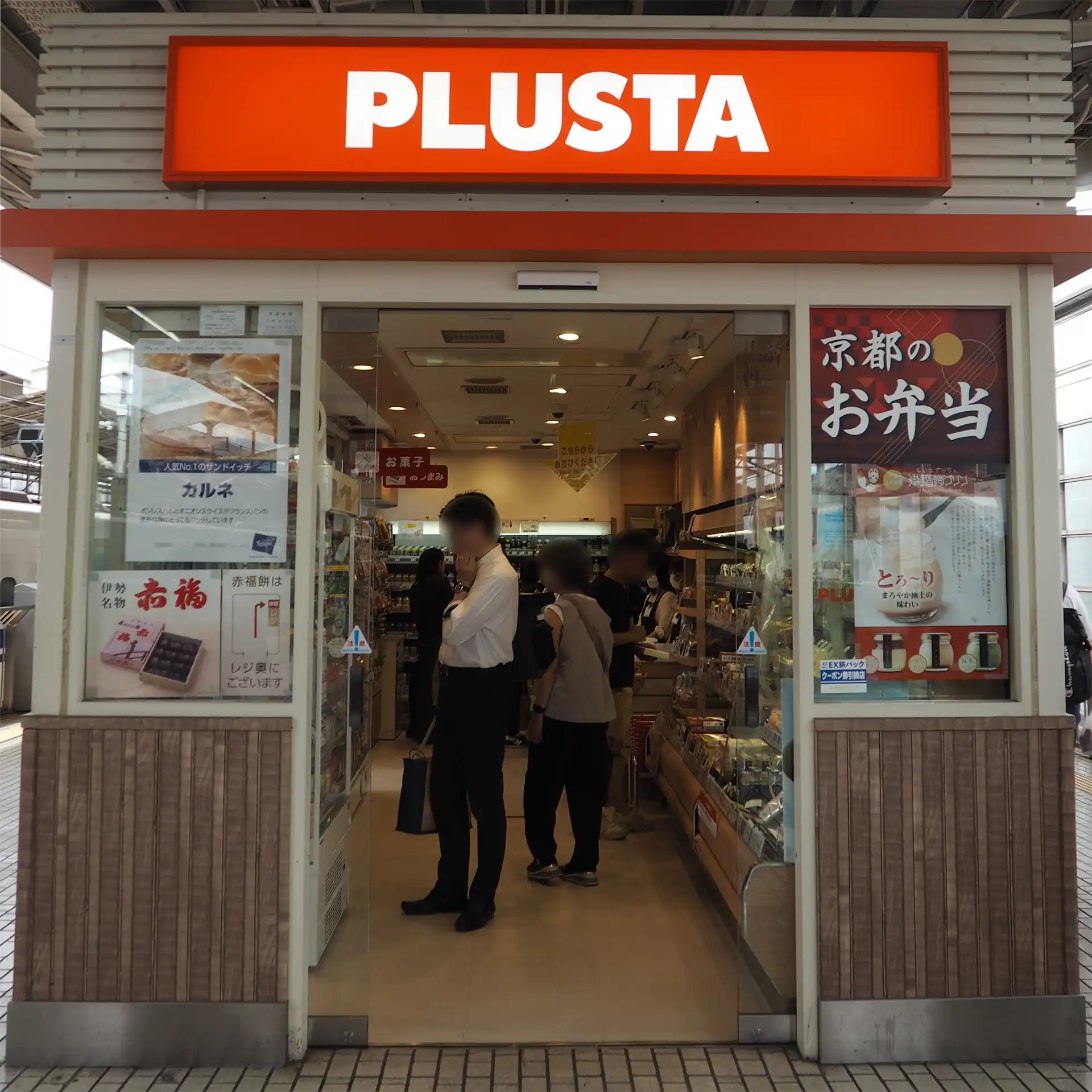
Inside the Shinkansen gates, you'll find shops selling souvenirs, drinks, snacks, and quick meal options. These shops offer famous Kyoto souvenirs, fresh bento boxes, and travel essentials.
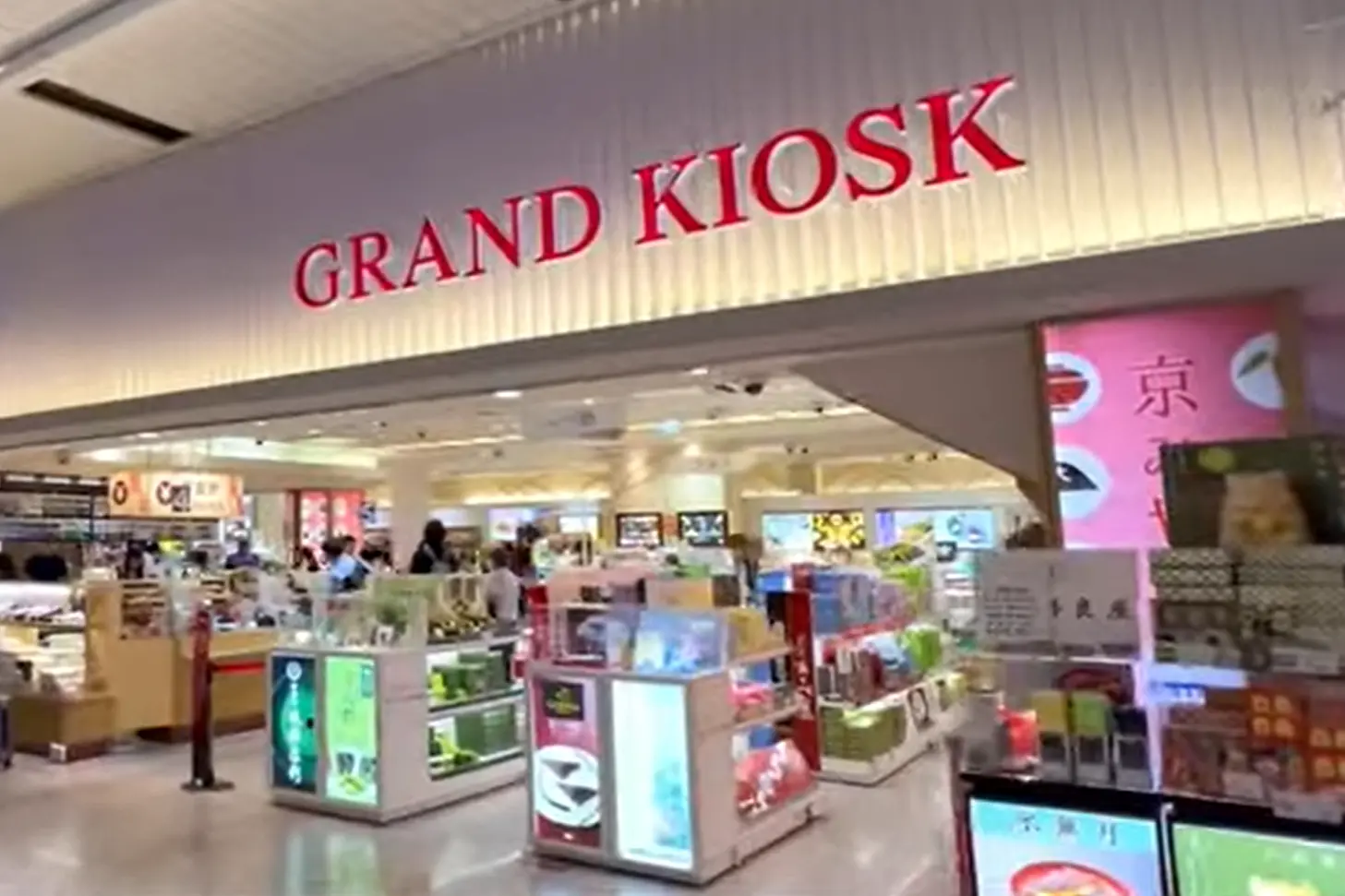
If you want to enjoy a sit-down meal, you can find many restaurants before entering the Shinkansen gates.
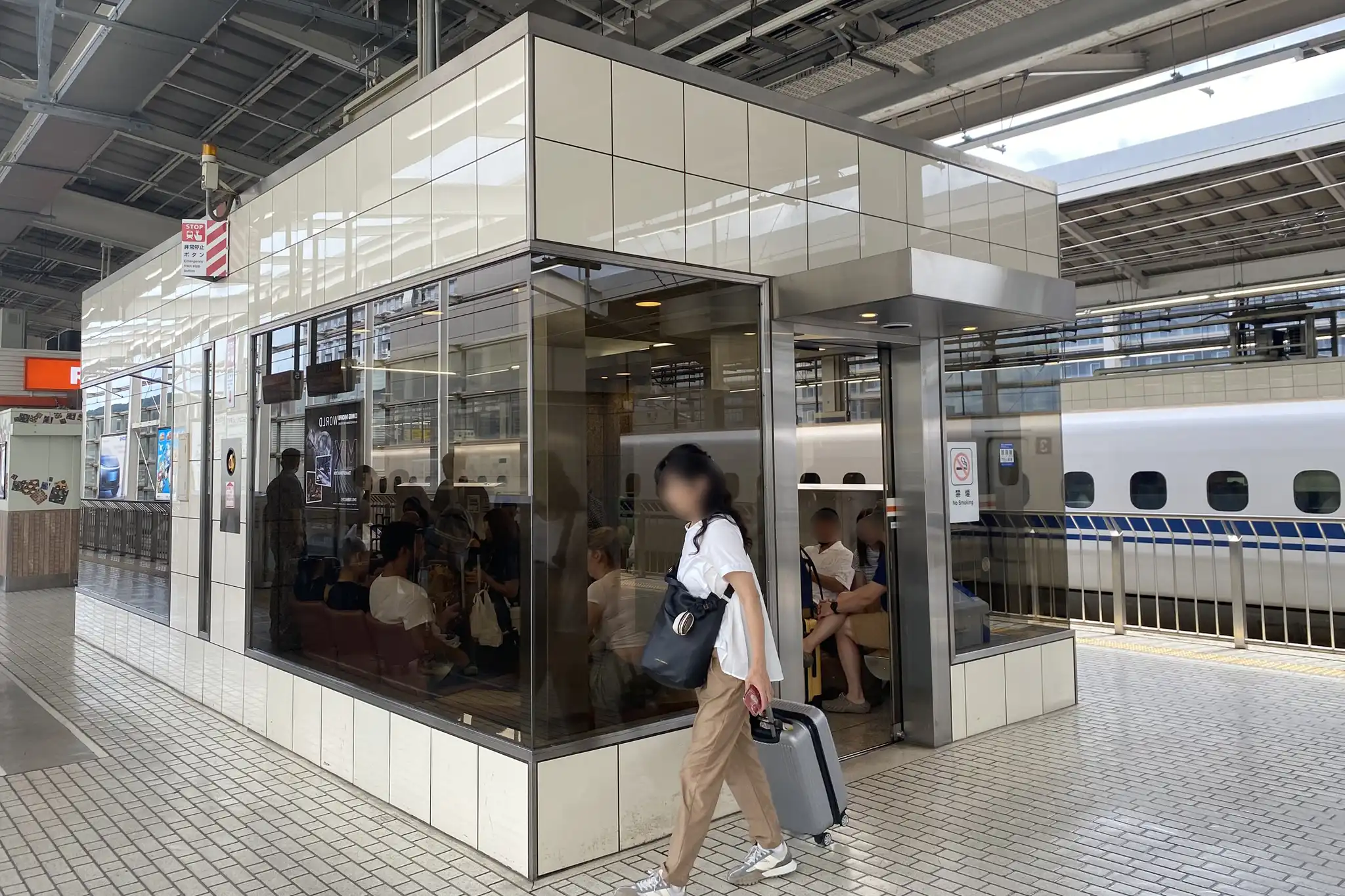
Near the East Transfer Gate, you'll find a comfortable waiting area with seats where you can rest before your train arrives. A designated smoking room is also located in this area.
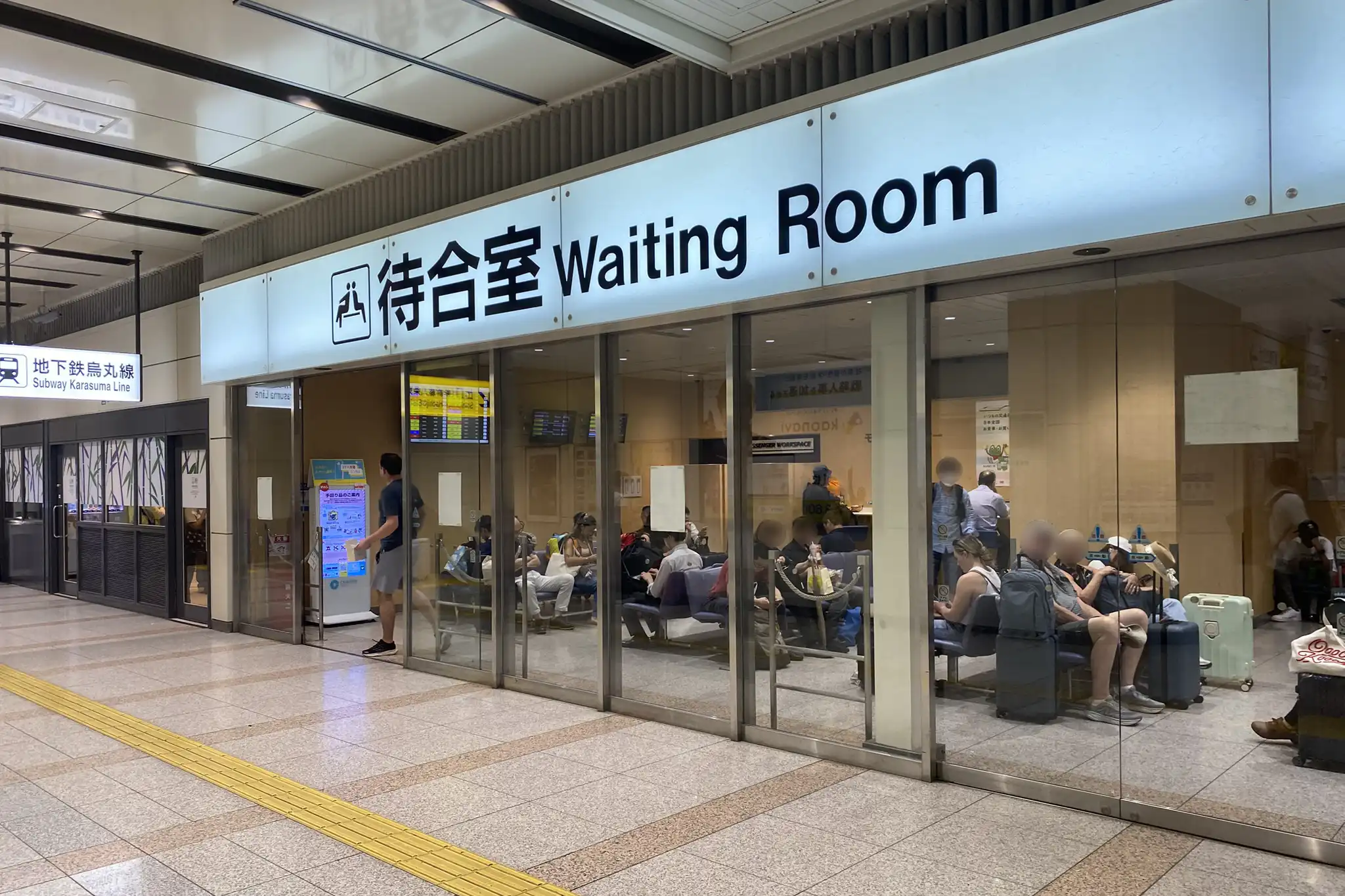
You can also find seats on the platforms, though availability depends on timing.
You'll find vending machines selling drinks and snacks throughout the platform area.
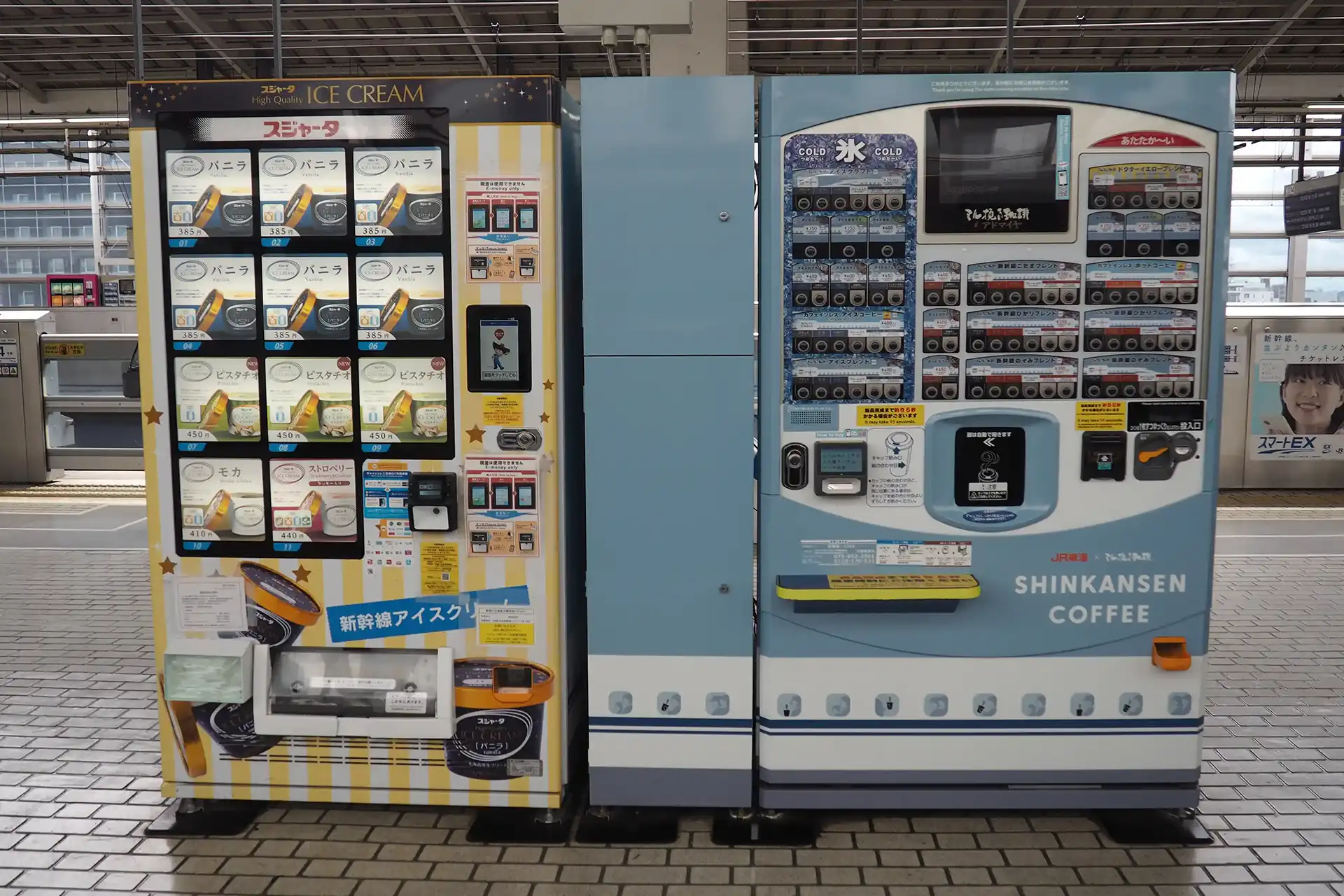
Small kiosks on the platforms sell bento boxes, sandwiches, and drinks. This is perfect for grabbing last-minute supplies for your journey. Popular items include coffee, green tea, ice cream, and regional specialty snacks.
Navigating Kyoto Station for your Shinkansen ride might seem challenging at first, but thousands of international travelers do it successfully every day. The key is allowing enough time and following the clear signage throughout the station.
Planning your Shinkansen journey in advance makes everything smoother. Services like Japan Bullet Train allow you to book tickets online and simply receive them at the station, saving time and reducing stress on your travel day.
With this guide, you're ready to experience one of the world's most efficient and comfortable train systems. Safe travels!