


Customer Support
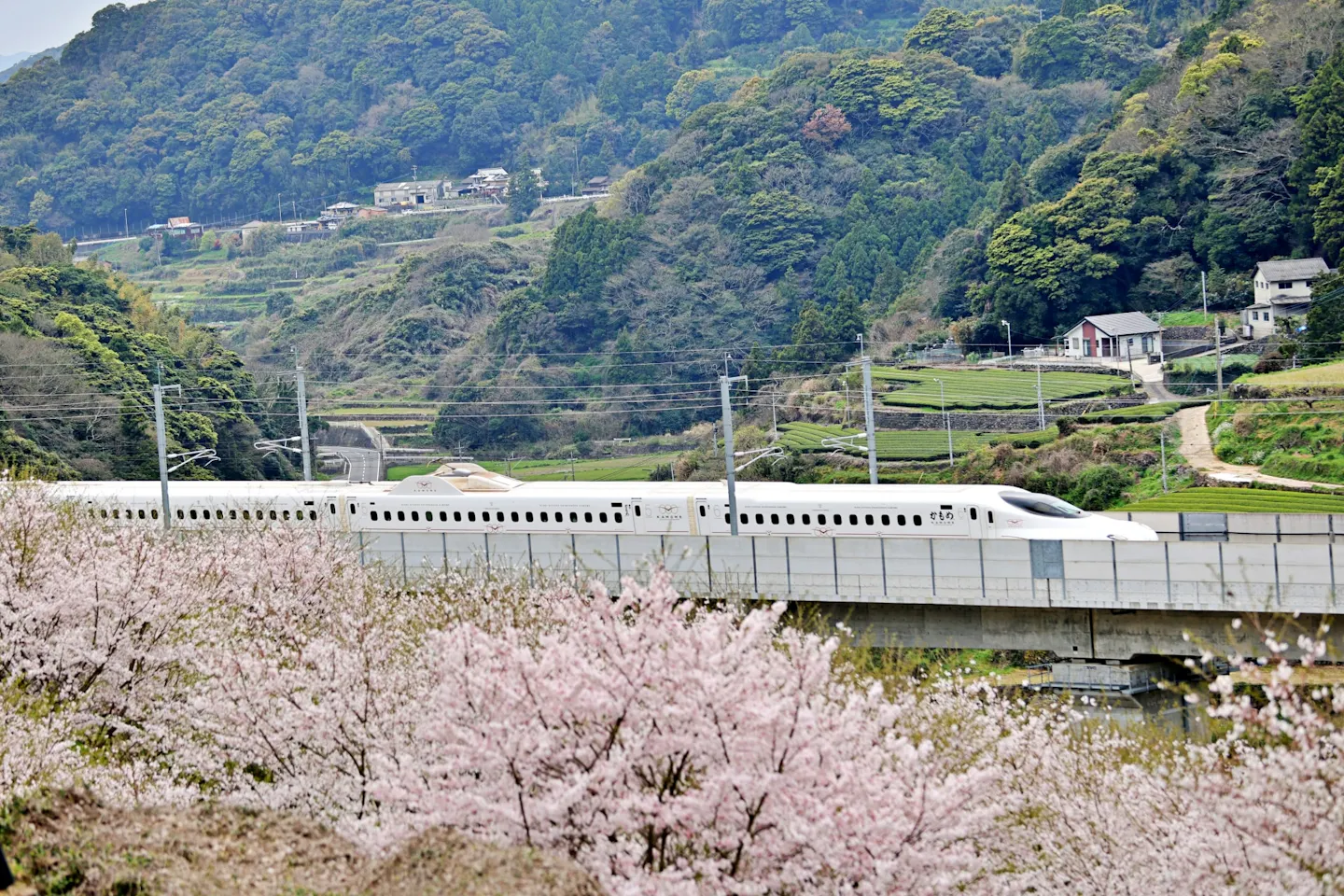
Cherry blossom season is short and changes every year, but traveling by Shinkansen makes planning much easier. This guide shows how to enjoy sakura viewing smoothly by using Japan’s rail network, even when the timing is uncertain.
You’ll learn where to go, when to travel, and how to move efficiently between cities during peak season. Whether it’s your first visit or a return trip, this guide helps you enjoy cherry blossoms with less stress and better timing.
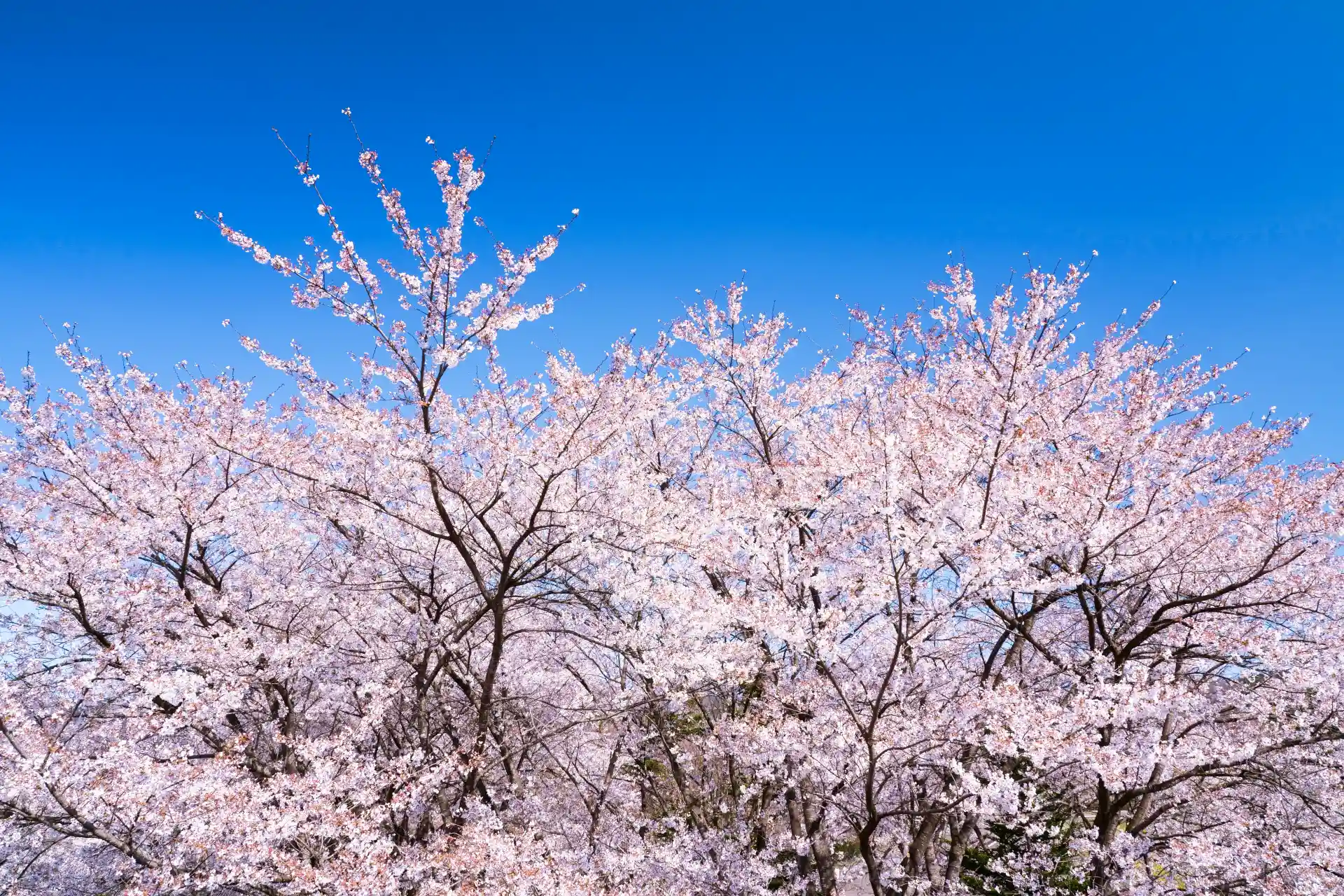
Cherry blossoms follow a “bloom wave” moving north through Japan. Southern regions bloom first, while northern areas bloom later.
In 2026, many regions are expected to see earlier-than-average blooming, especially across central and northern Japan.
Here are the latest projected bloom dates for major cities:
Important: These dates are seasonal estimates. Actual bloom timing can shift by several days depending on weather conditions in March.
The full process takes about two weeks, but the best viewing period usually lasts only 5 to 7 days.
You don’t need to catch one exact day — planning within a one-week window gives you a very good chance to see cherry blossoms at their peak.
This section highlights cherry blossom spots you can easily reach by train, without the hassle of renting a car. All of the locations below are within walking distance of Shinkansen or JR stations.
Tokyo has many great places to enjoy cherry blossoms, all easy to reach from major stations. The three spots below are especially popular, reliable choices and simple to visit, even for first-time travelers.
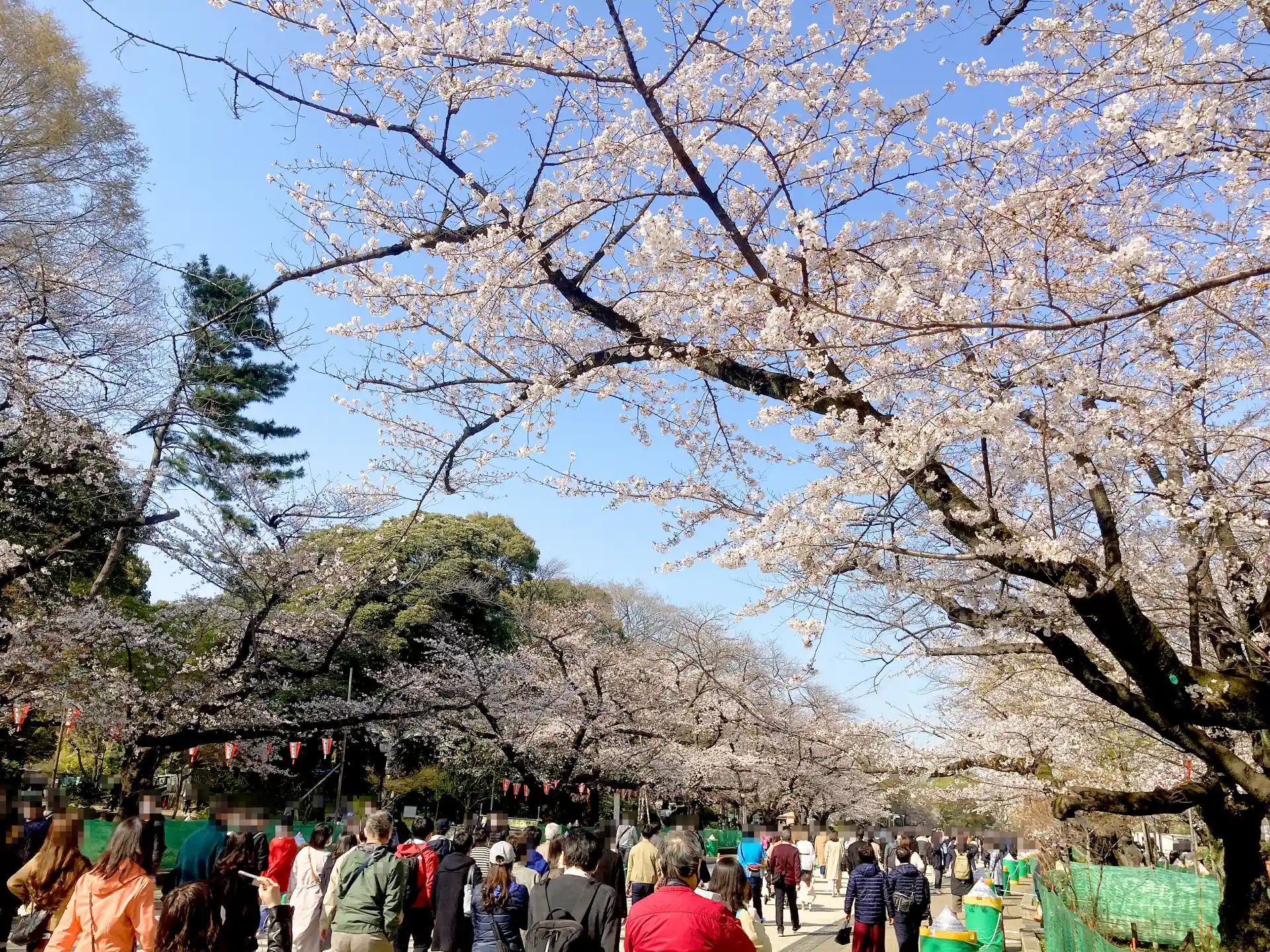
One of Tokyo’s most lively cherry blossom spots, Ueno Park is known for its festive hanami atmosphere. Around 800 cherry trees line the park’s central walkway, creating a pink tunnel during peak bloom. Food stalls, museums, and even a zoo nearby make it easy to spend several hours here.
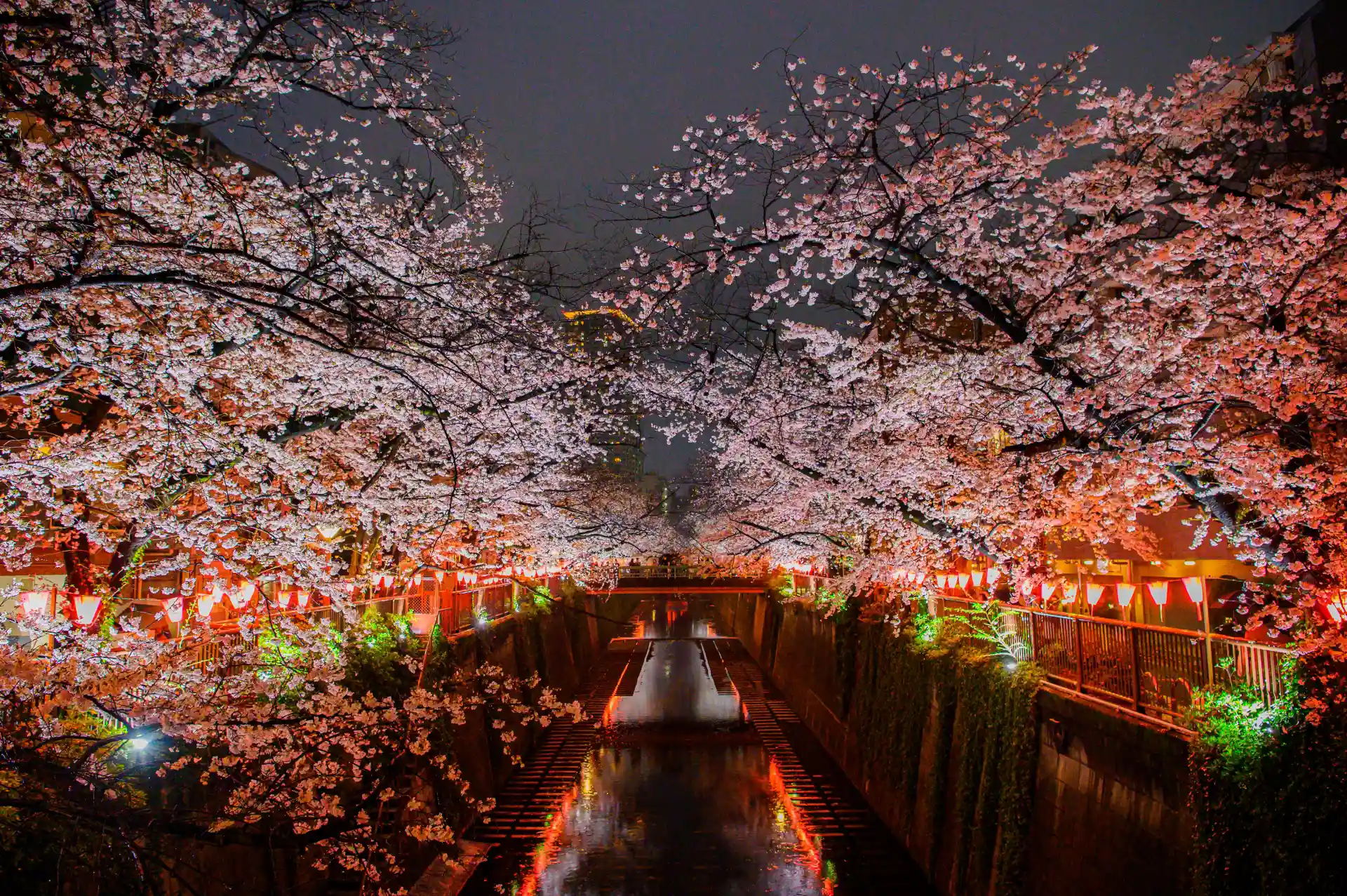
A chic cherry blossom spot where 800 trees form a stunning 4 km pink corridor over the water. Perfect for a relaxed stroll with a glass of sparkling wine while exploring boutique cafés. Don't miss the magical evening illuminations that reflect beautifully on the river.
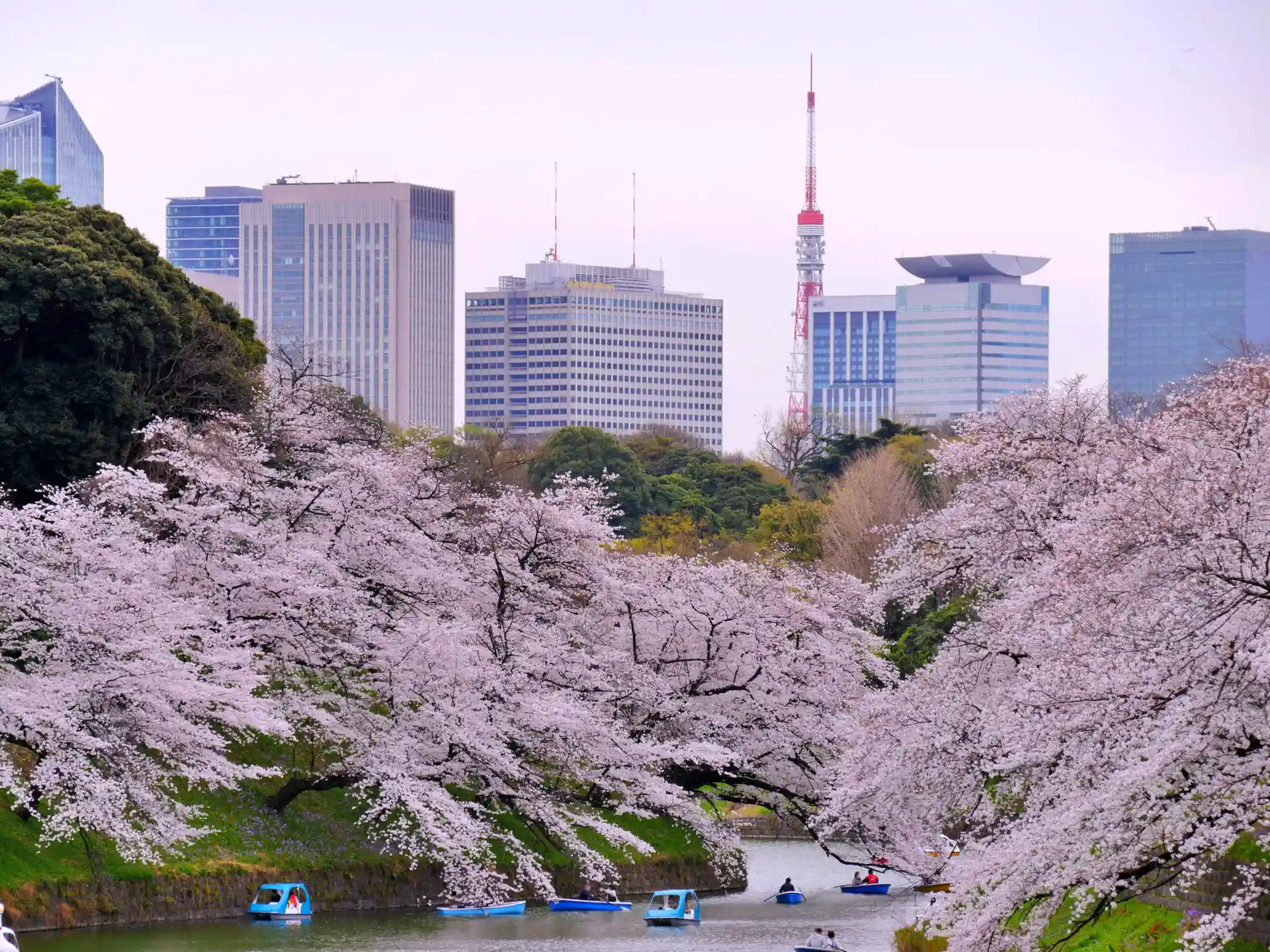
Chidorigafuchi is a scenic cherry blossom spot beside the Imperial Palace moat in central Tokyo. Cherry trees line the water, and their reflections create calm, elegant views during peak bloom. Visitors can also rent small rowboats to enjoy the blossoms from the water.
Kyoto and Osaka typically bloom 3-4 days after Tokyo. Even if Tokyo's petals are already falling, Kyoto may still be approaching peak bloom. The Tokaido Shinkansen gets you between these cities in about 2 hours 15 minutes.
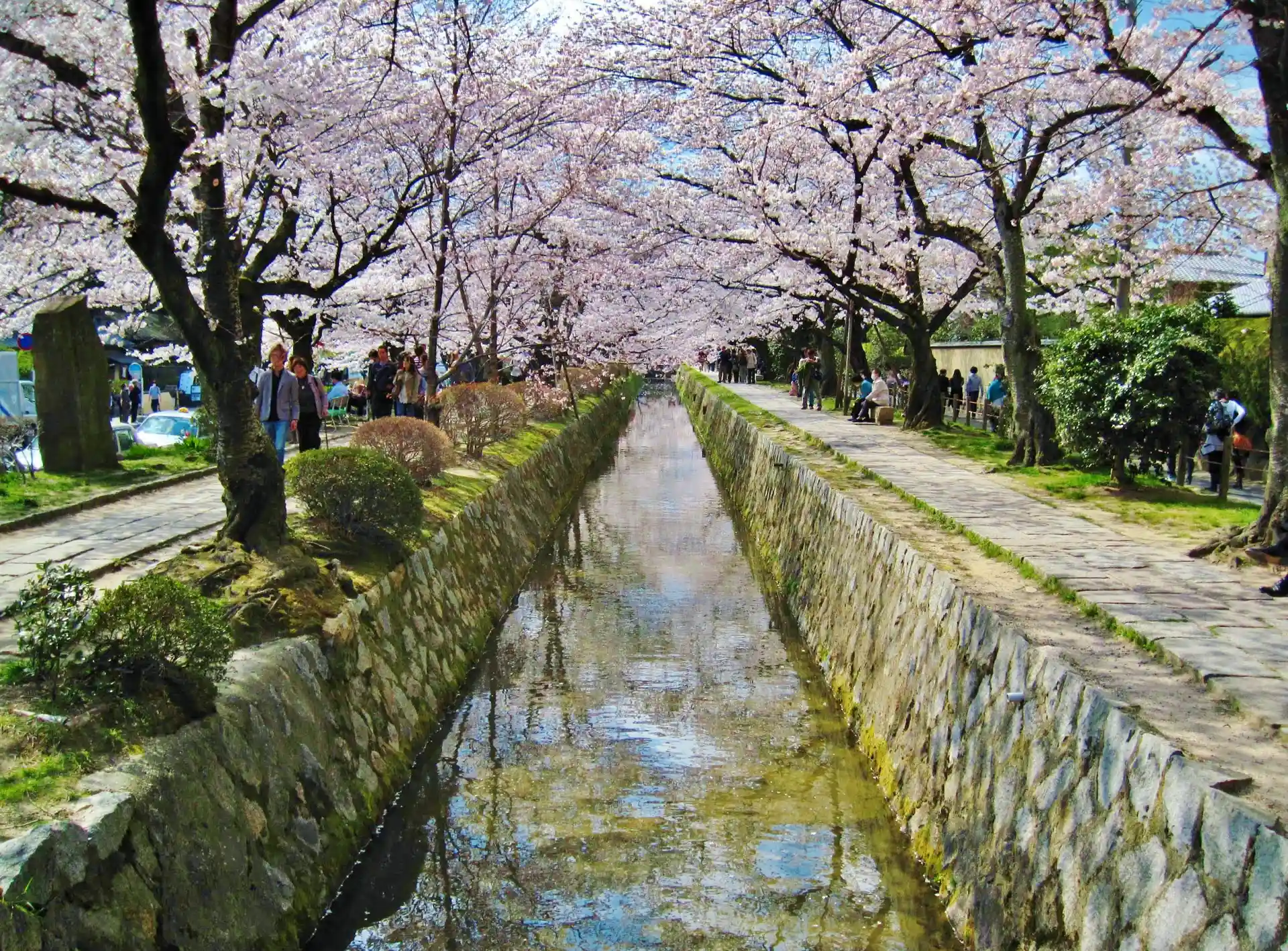
Philosopher’s Path is a quiet stone walkway that follows a canal in northern Kyoto. Cherry trees arch over the water, creating a soft tunnel of blossoms during peak bloom. The path links several temples, making it an easy and enjoyable half-day walk.
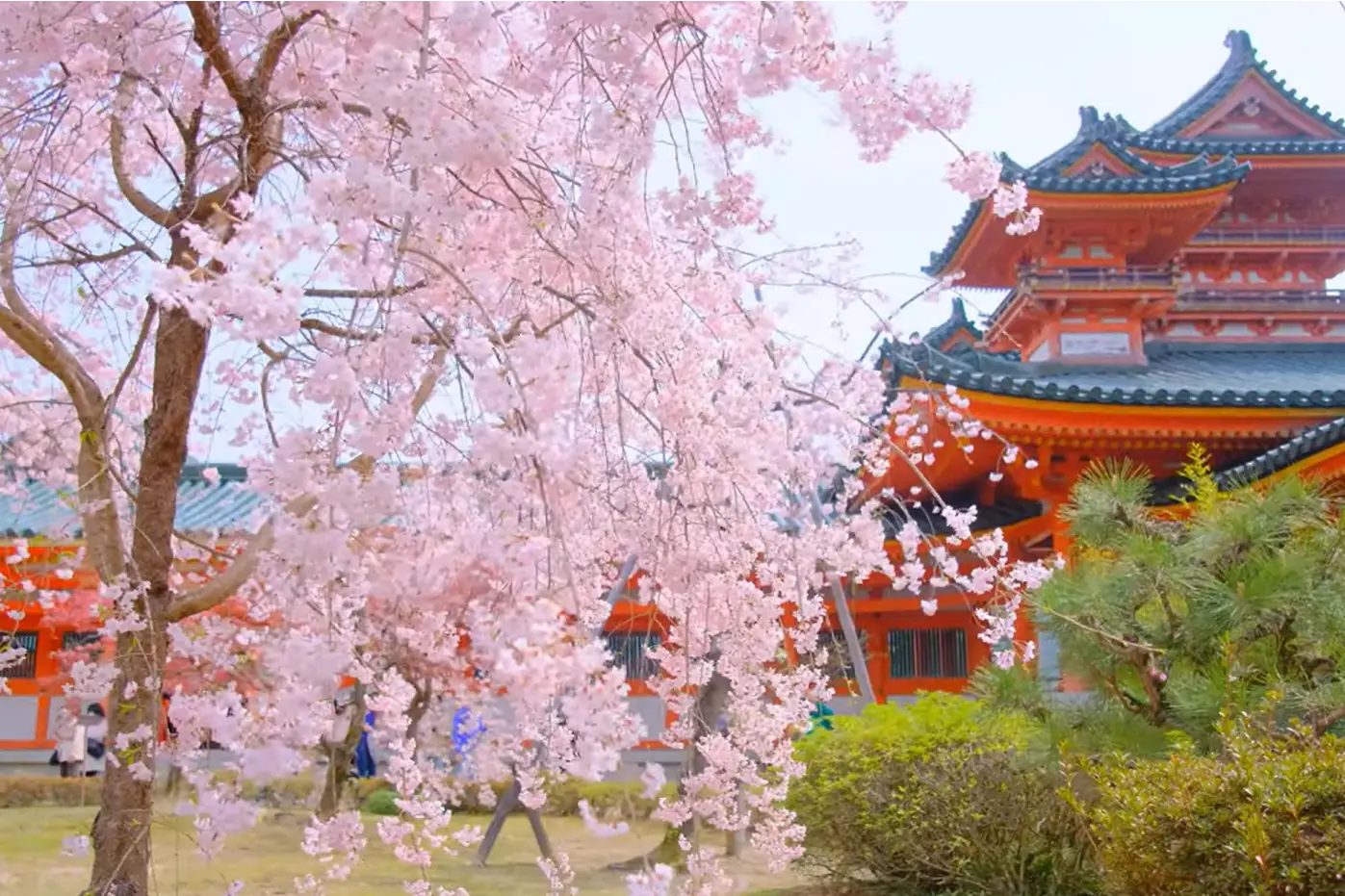
Famous for its weeping cherry trees that drape over a stunning pond garden. The deep pink blossoms contrast beautifully with the shrine’s iconic vermilion architecture. Since these trees bloom slightly later, it’s a perfect spot if you miss the main season.
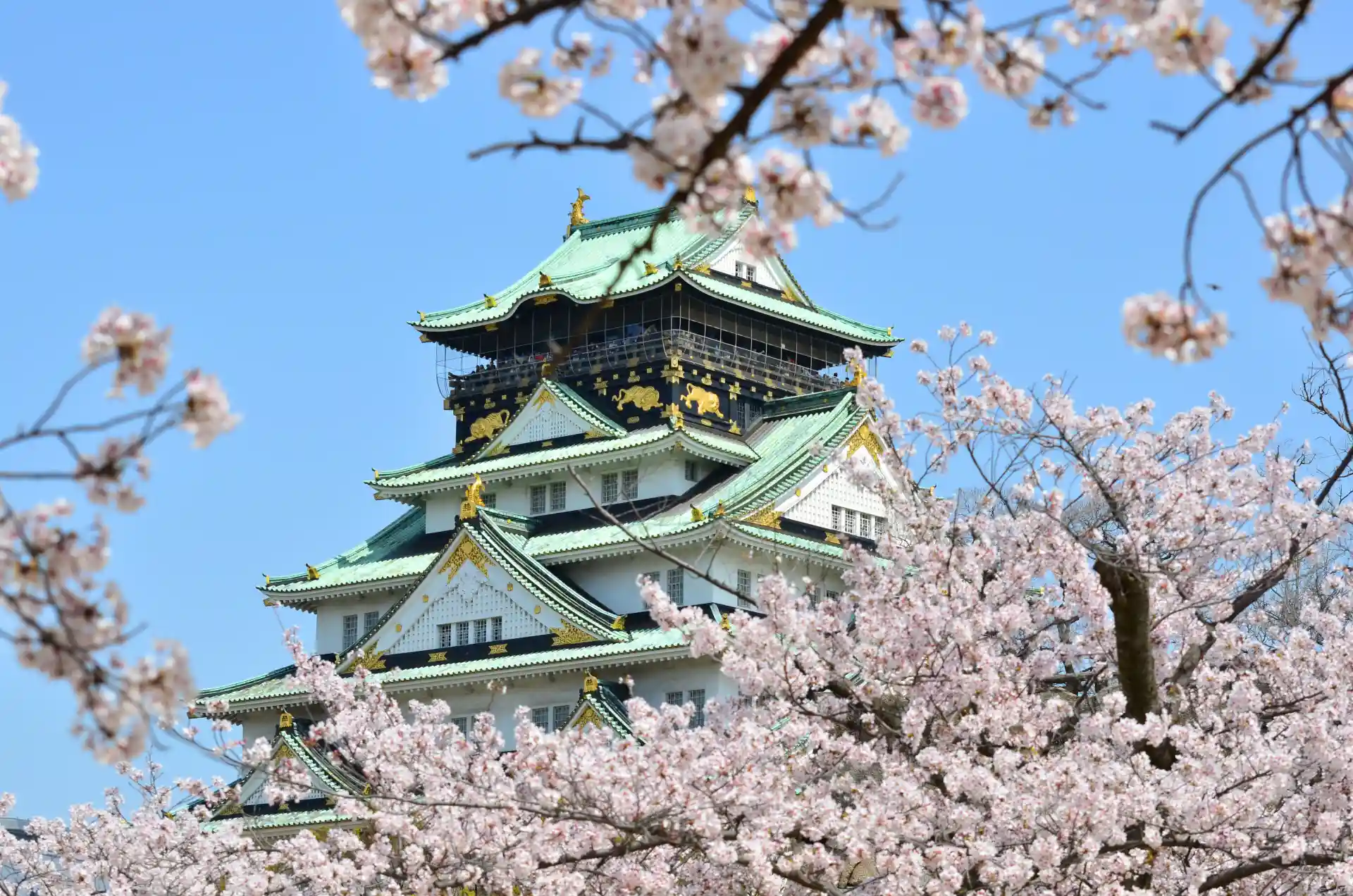
A grand blend of history and nature, featuring 3,000 cherry trees surrounding the iconic castle tower. The vast grounds offer spectacular photo spots and hidden, quieter corners. It is the perfect place to enjoy the contrast between ancient stone walls and delicate pink blossoms.
These spots are best visited as day trips and are easy to reach by Shinkansen from Tokyo, Kyoto, or Osaka. Each one offers a cherry blossom experience that feels different from what you’ll find in larger cities.
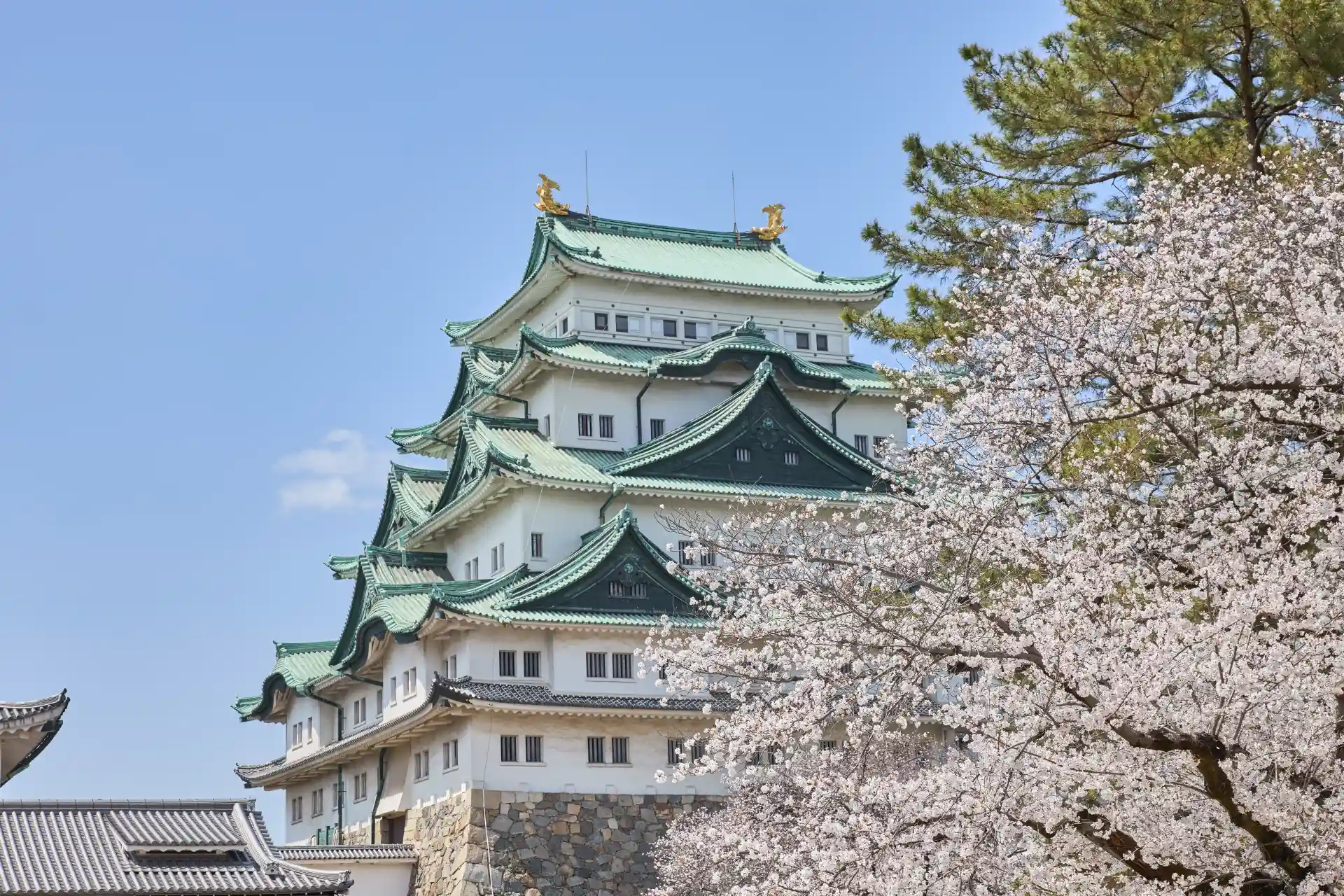
Experience a striking contrast between 1,000 cherry trees and the castle’s majestic stone walls topped with golden shachihoko (tiger-fishes). Typically less crowded than Tokyo or Kyoto, it offers wide views and a relaxed atmosphere perfect for unhurried exploration.
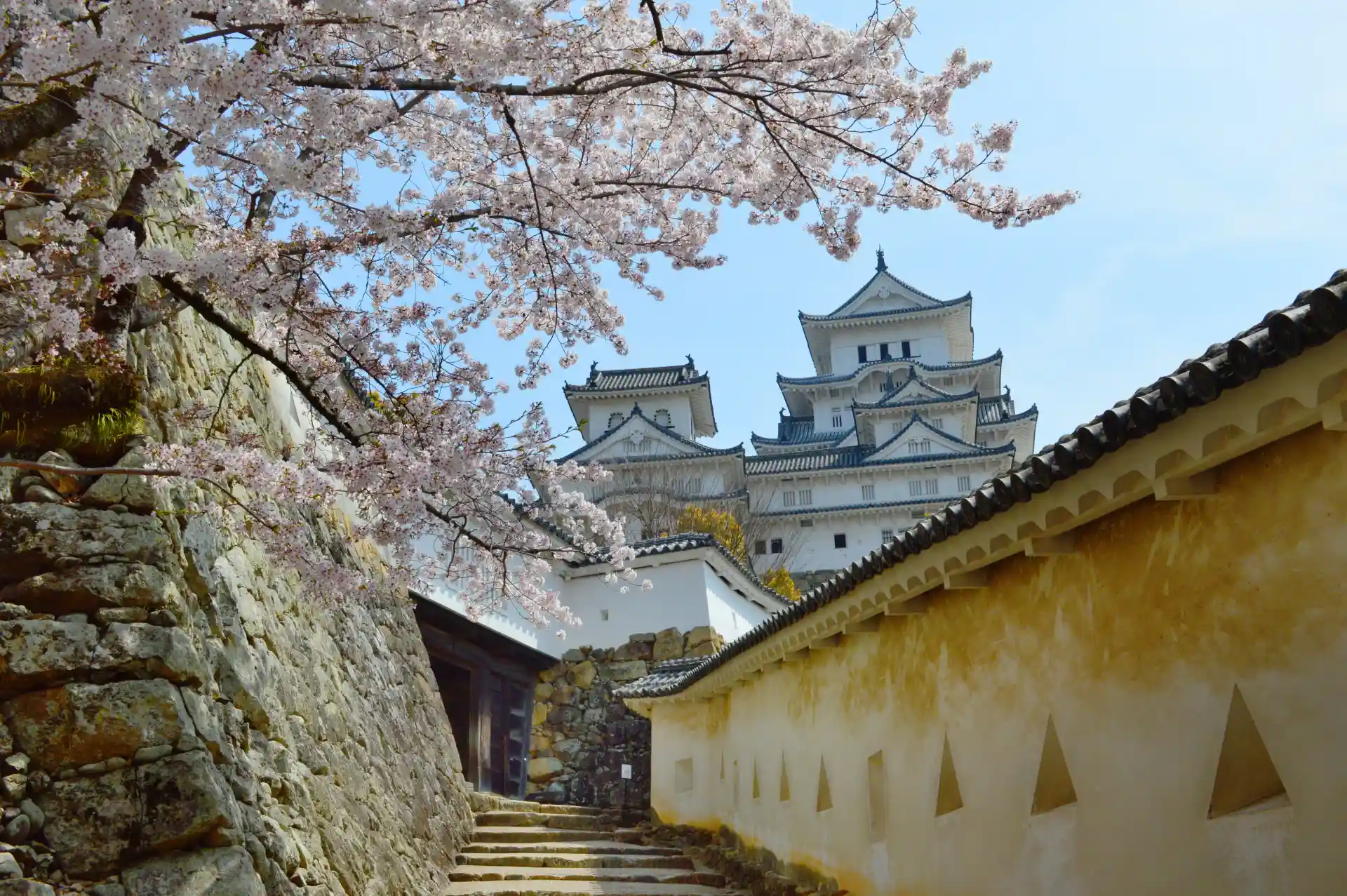
A UNESCO World Heritage site famous for its elegant white exterior, known as the "White Heron Castle." Over 1,000 cherry trees transform the grounds into a sea of pink, creating one of Japan’s most breathtaking and photogenic scenes.
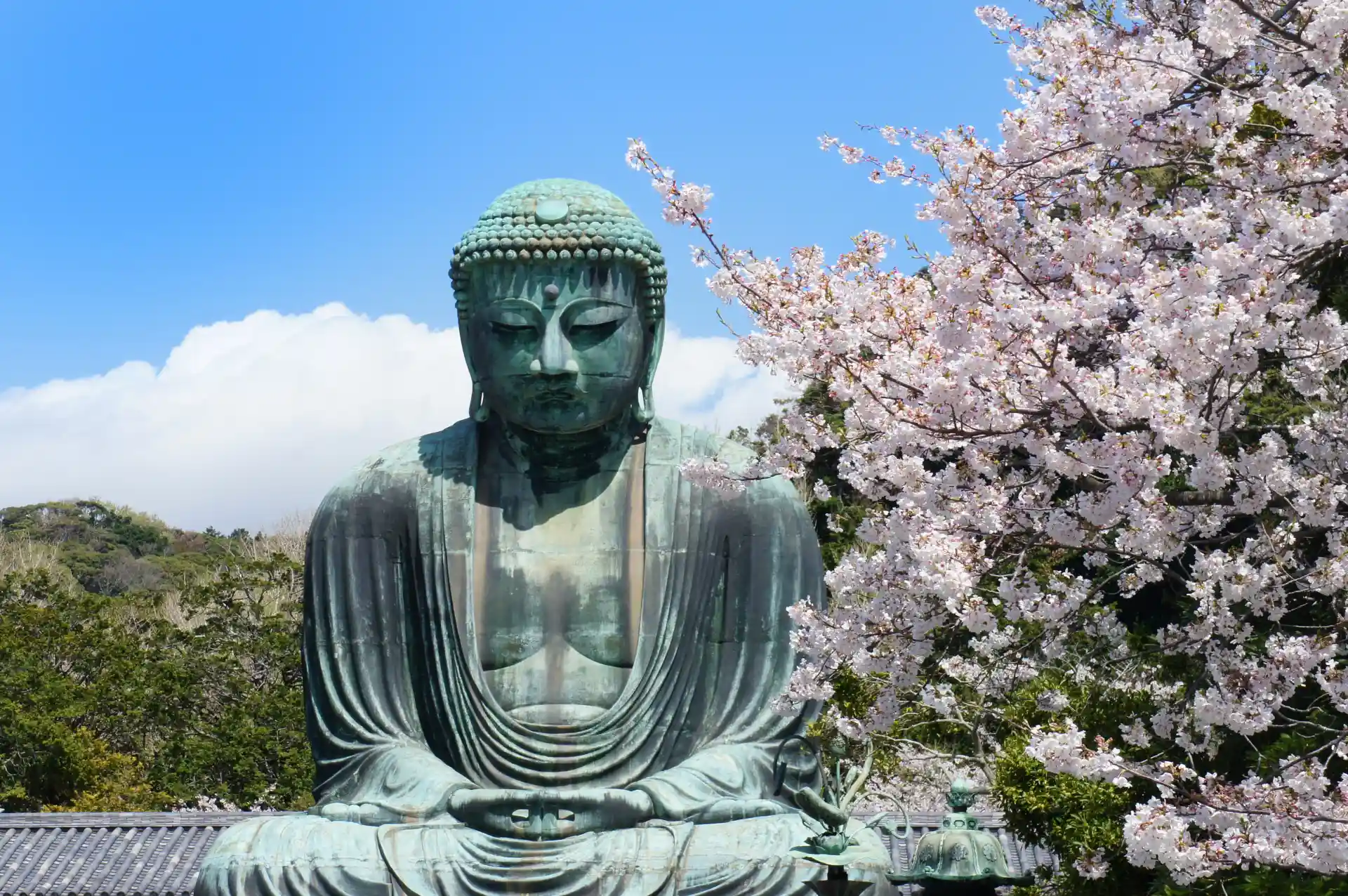
Kamakura’s spiritual heart, Tsurugaoka Hachimangu, offers a stunning spring scene where cherry blossoms frame its iconic red architecture. It’s a perfect blend of coastal breeze, samurai history, and seasonal beauty.
If your schedule is flexible, heading north is a smart way to catch cherry blossoms at their best. When Tokyo’s blooms fade, northern cities may still be reaching peak season.
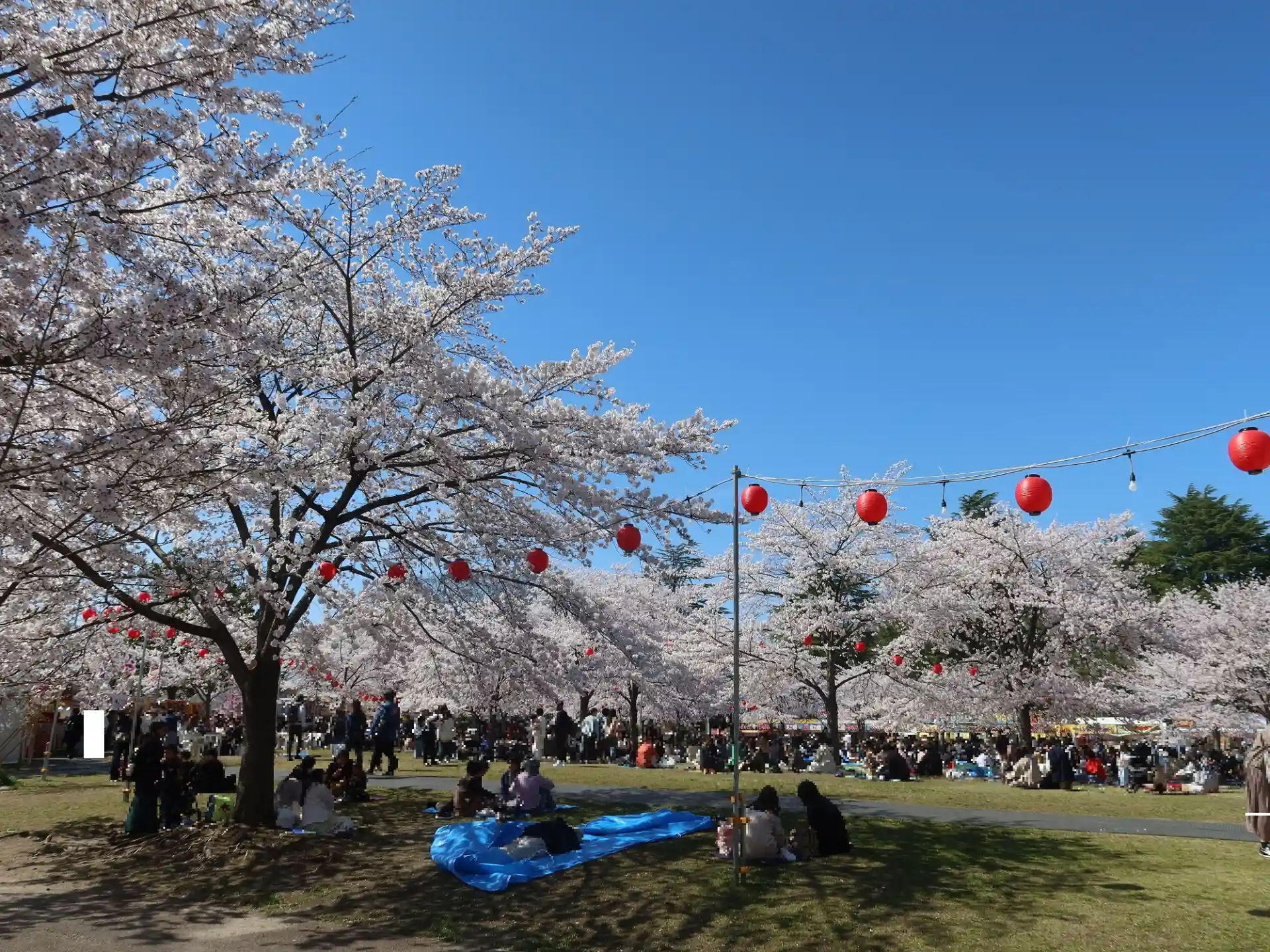
As the gateway to Northern Japan, Sendai is the perfect destination for late-season viewing. Blossoms here typically peak in mid-April — one to two weeks after Tokyo. Its wide, tree-lined streets and historic parks provide a second chance for travelers to experience the bloom in a vibrant yet relaxed city.
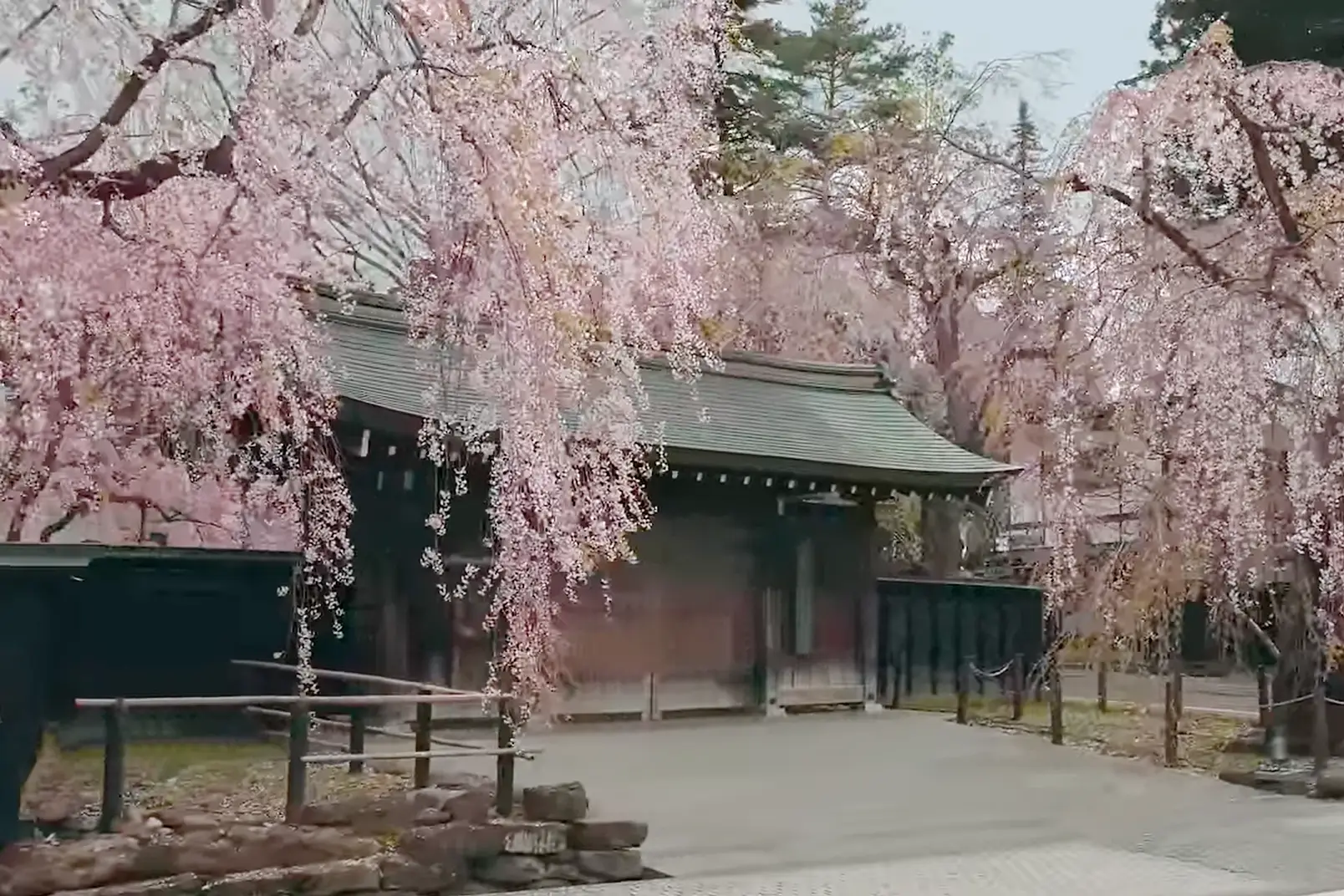
Kakunodate is a historic town known for its weeping cherry trees and preserved samurai streets. Long rows of cherry trees hang over the old roads, creating a calm and timeless spring scene. The setting feels very different from city parks and offers a quiet look at traditional Japan.
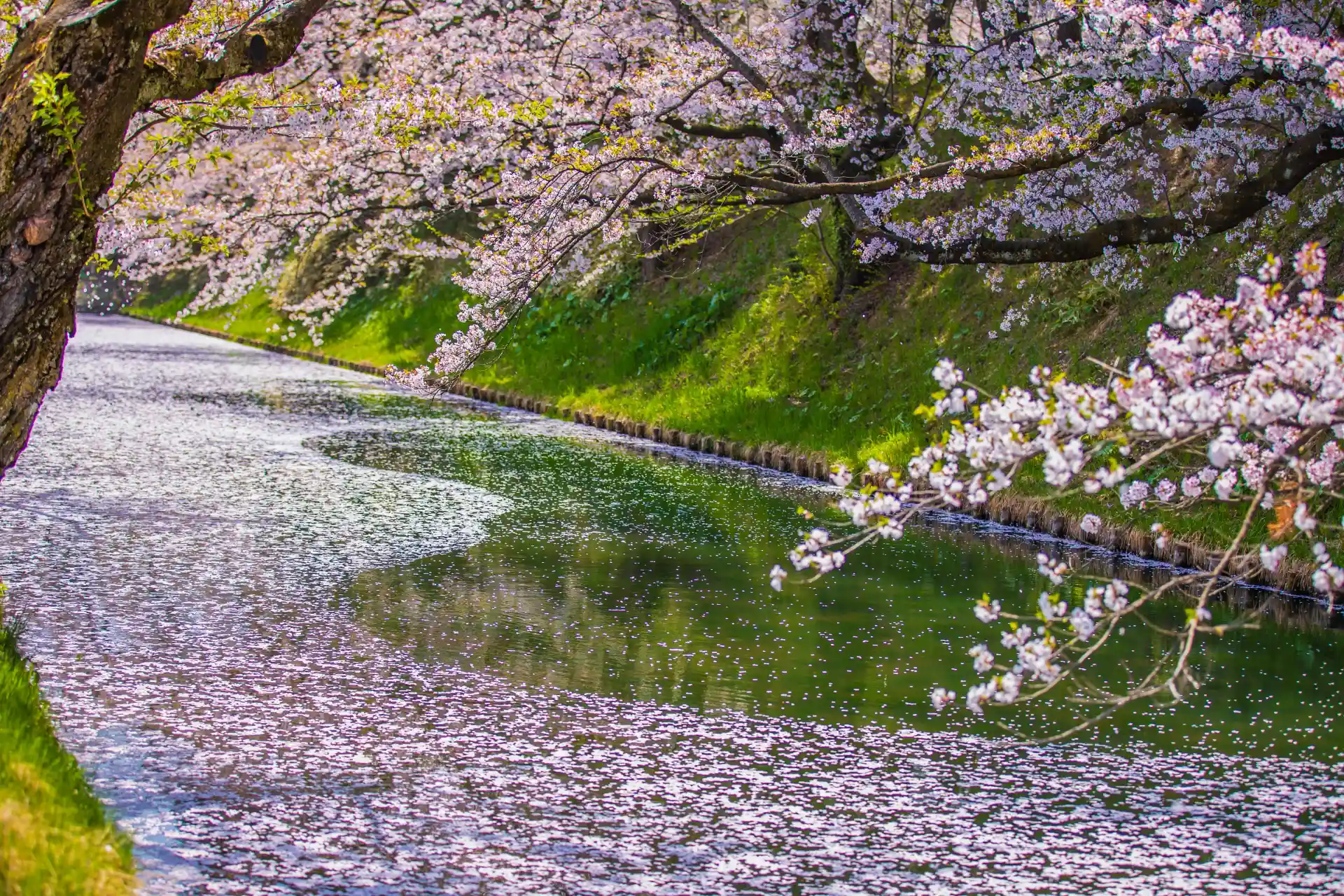
Hirosaki Park is one of Japan’s most famous cherry blossom locations, with over 2,600 trees around Hirosaki Castle. The highlight is the "Hana-ikada" (flower raft), where fallen petals completely carpet the castle moat in vibrant pink. With many trees over a century old, the scale and beauty here are truly world-class.
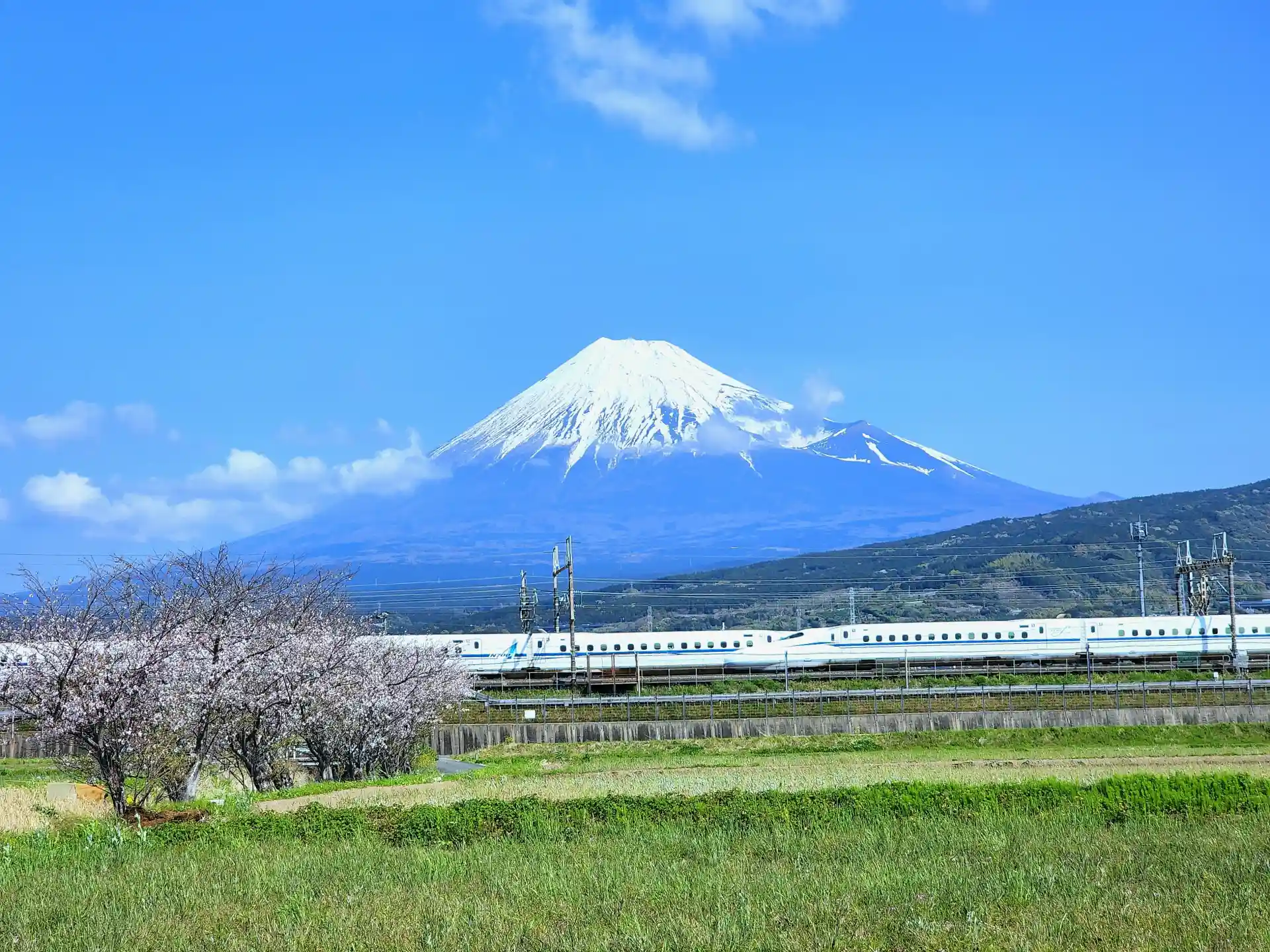
Many travelers consider renting cars for cherry blossom trips. However, trains offer significant advantages during peak season.
There are two main ways to buy Shinkansen tickets: at the station or online.
You can purchase tickets at station ticket offices or vending machines. However, during cherry blossom season, stations are often crowded, and popular trains may sell out. Waiting in line is common on weekends and peak travel days.
Online booking lets you reserve tickets in advance before arriving in Japan. This helps you avoid station lines and makes travel days smoother during the busy sakura season.
For online reservations, Japan Bullet Train is a recommended choice. It offers multilingual support via web and phone, and is operated by a Japan-based company. After booking, you exchange a QR code for paper tickets at the station.
Japan’s cherry blossom season is the busiest time for tourism. Popular spots like Ueno Park or Kyoto’s Philosopher's Path can get extremely crowded, especially on weekends. To enjoy the blooms comfortably, timing and preparation are key.
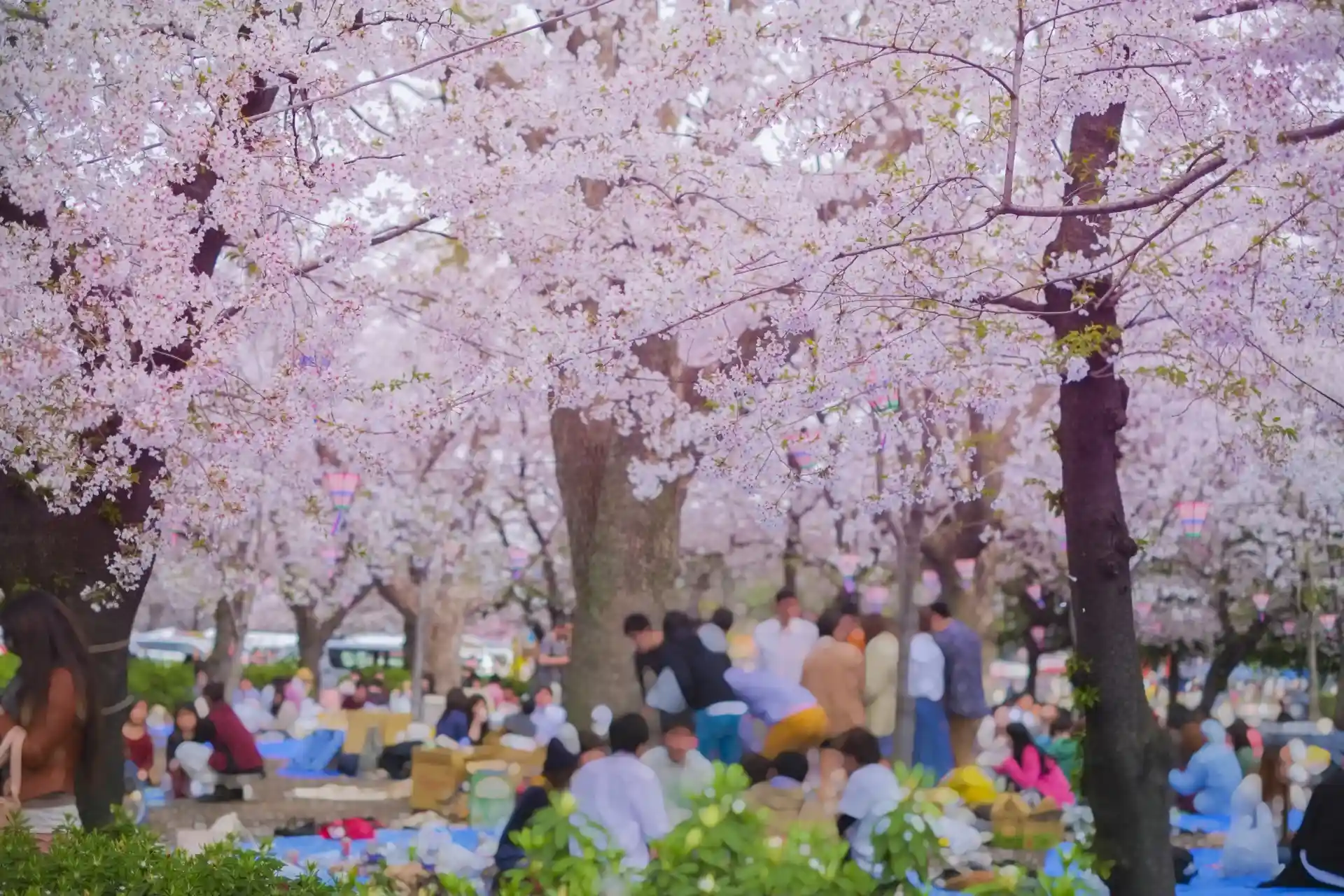
To ensure a wonderful experience for everyone, please keep these local manners and practical tips in mind.
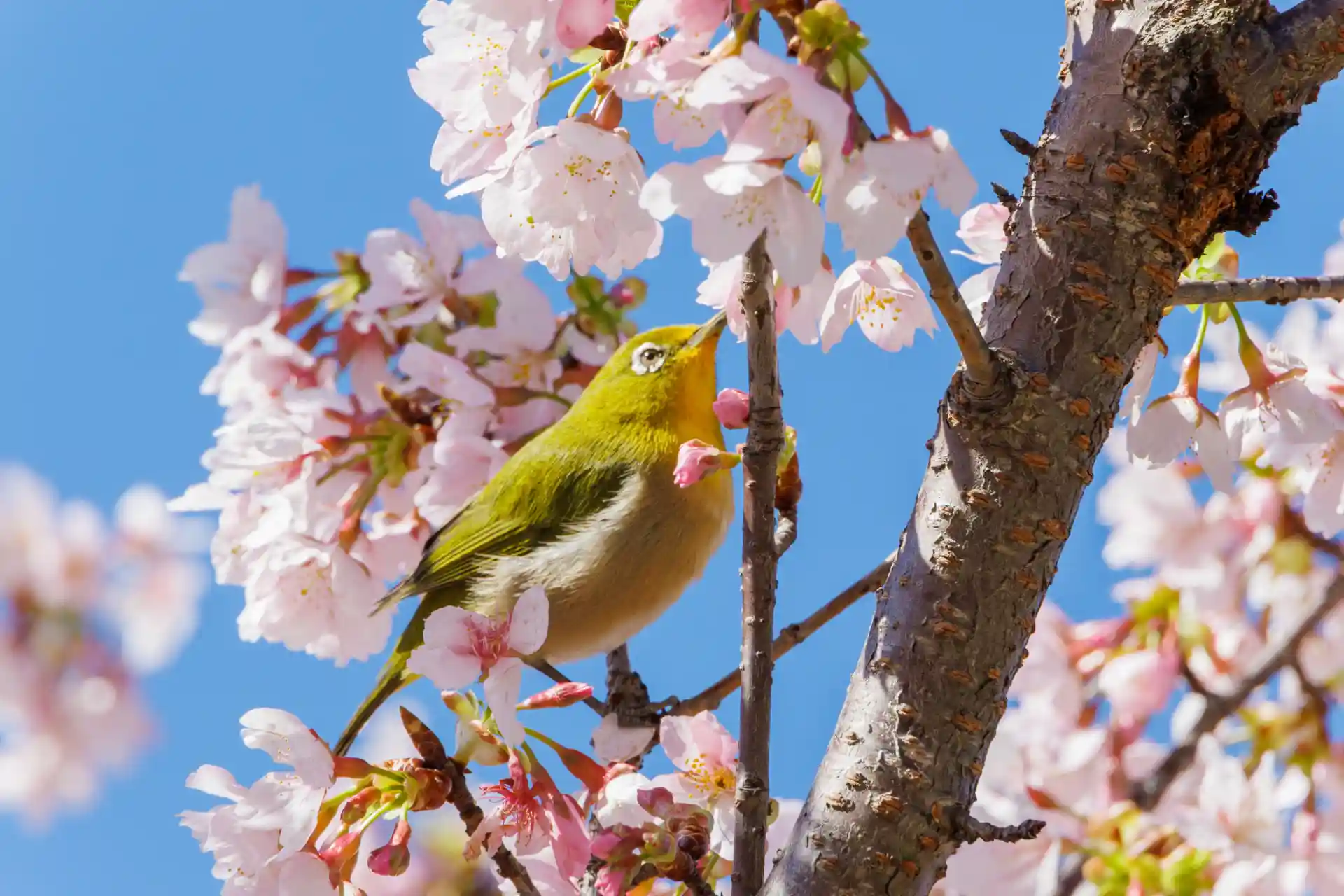
Hanami means “flower viewing” in Japanese. People gather under cherry trees to enjoy food, drinks, and the short spring bloom. Visitors are welcome as long as they follow park rules and local manners.
Yes. Most “Yatai” (food stalls) accept cash only. It’s best to carry 5,000–10,000 in small bills and coins yen before visiting popular hanami spots.
Tokyo offers many spots and flexible travel options, while Kyoto provides temples and traditional scenery. Visiting both via Shinkansen offers the most balanced experience.
Yes, Lake Kawaguchiko is the most popular place to see cherry blossoms with Mt. Fuji.
The bloom here typically peaks in mid-April, about one week later than in Tokyo. For the clearest views of the mountain, it is best to visit in the early morning.
If you miss the peak in Tokyo or Kyoto, you can still find blossoms by traveling north or seeking late-blooming varieties.
Travel North: Take the Shinkansen to Sendai or Hirosaki, where the season starts 1–3 weeks later.
Cherry blossom season is short, but the experience stays with you long after the petals fall. Booking your Shinkansen tickets in advance helps you travel smoothly and focus on enjoying each moment of spring in Japan.
Hanami is more than sightseeing — it’s a seasonal tradition shared by locals across the country. With this guide, you’re ready to plan your route and enjoy cherry blossoms with confidence.
When you’re ready to travel, Japan Bullet Train makes it easy to reserve Shinkansen tickets online before or during your trip. Secure your seats early and enjoy a flexible, stress-free journey through Japan’s cherry blossom season.