

Legal
Atención al Cliente
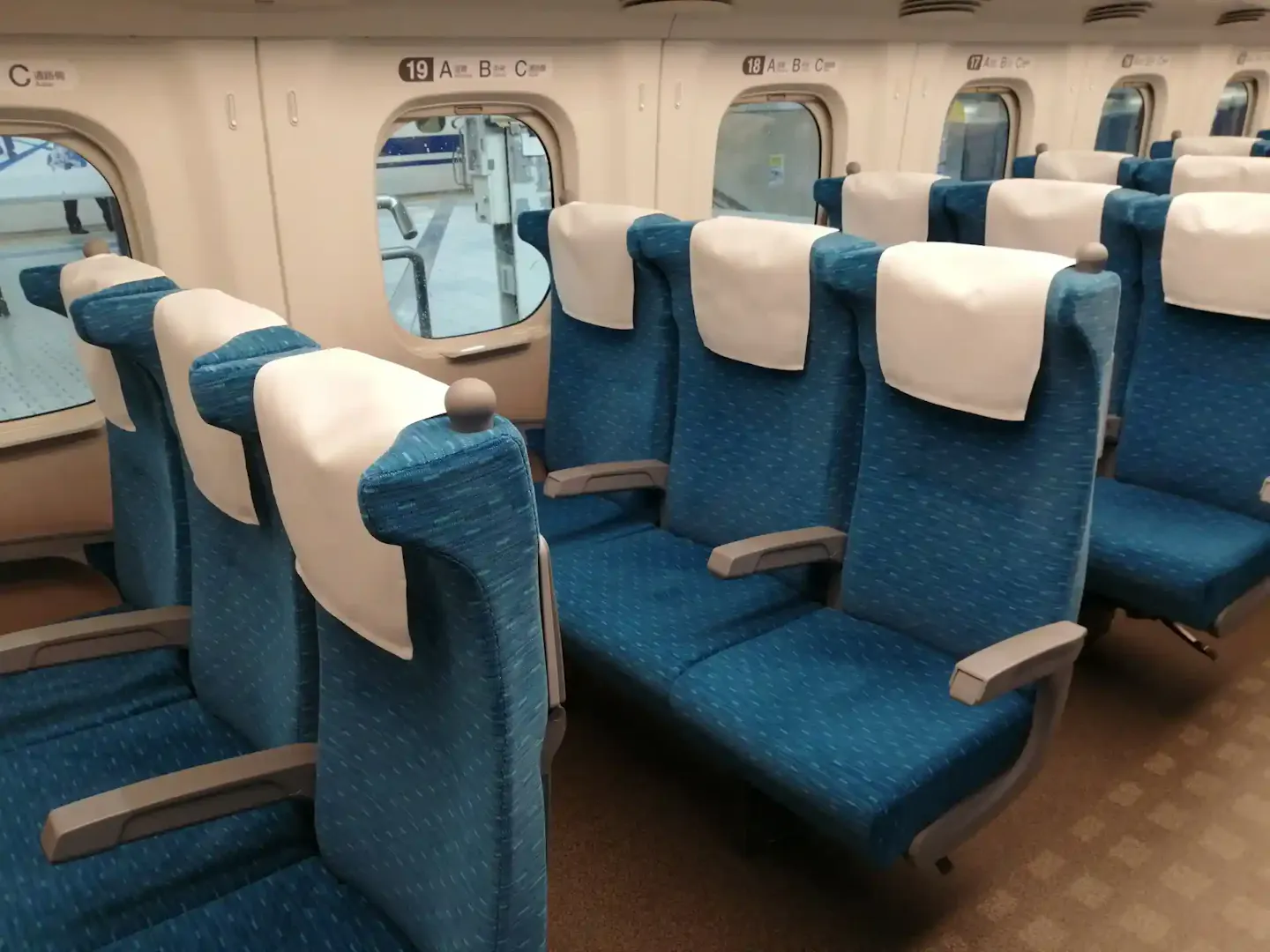
If you are booking a Shinkansen ticket, you will need to choose between a reserved seat and a non-reserved seat. Reserved seats cost more but guarantee a seat. Non-reserved seats are cheaper but not guaranteed.
This guide answers common questions international travelers have about reserved and non-reserved seats. It helps you decide which option is best for your trip.
Reserved | Non-reserved | |
|---|---|---|
Seat guarantee | Yes — assigned seat | No — first come, first served |
Price | Slightly higher, with seasonal differences | Lower, fixed price |
Flexibility | Fixed train and time | Available on eligible trains on your travel date |
Best for | Groups, peak seasons, luggage, long trips | Solo travelers, off-peak weekdays |
Risk when crowded | Very low | You may need to stand |
Group seating | Usually seated together | Not guaranteed |
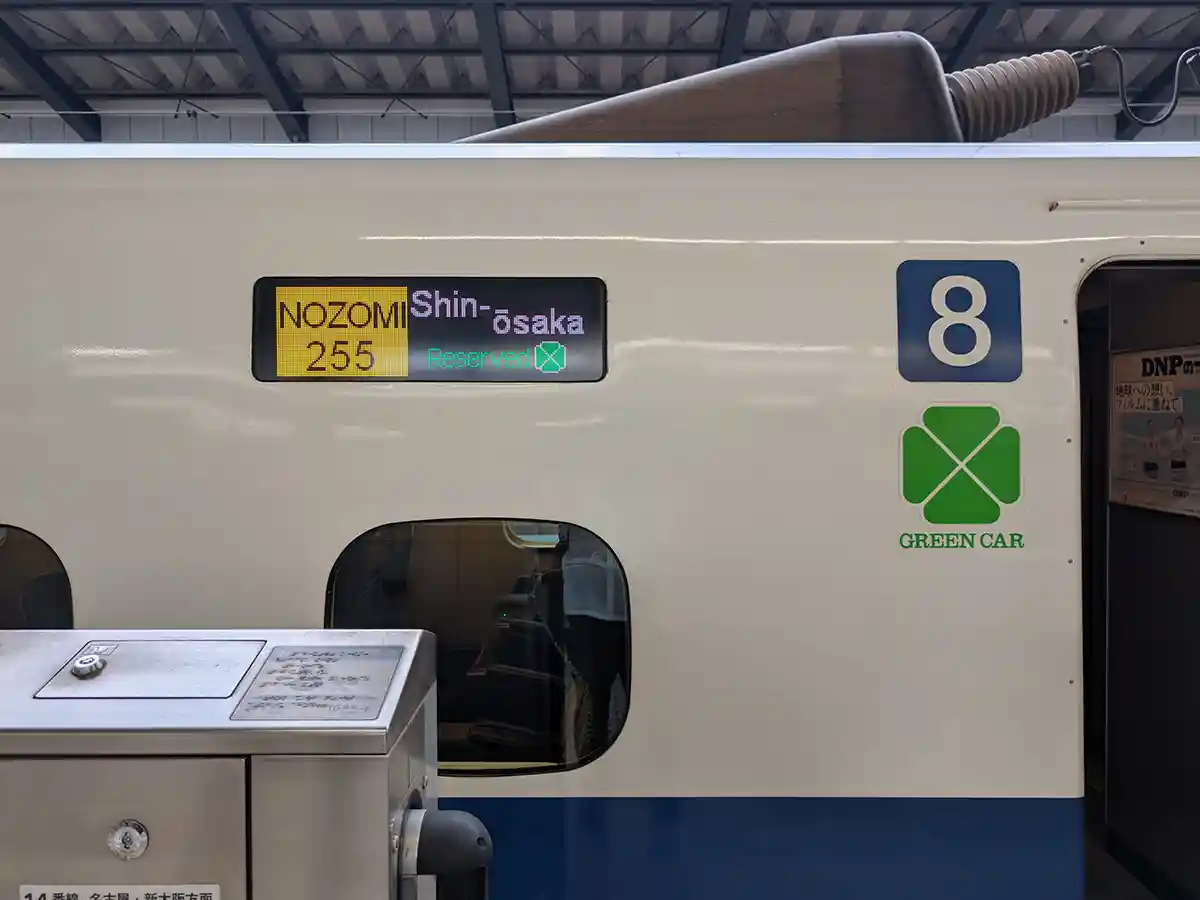
A reserved seat (指定席, shiteiseki) means your seat is assigned in advance, usually with a specific train and car. You board the train shown on your ticket and sit in the seat assigned to you.
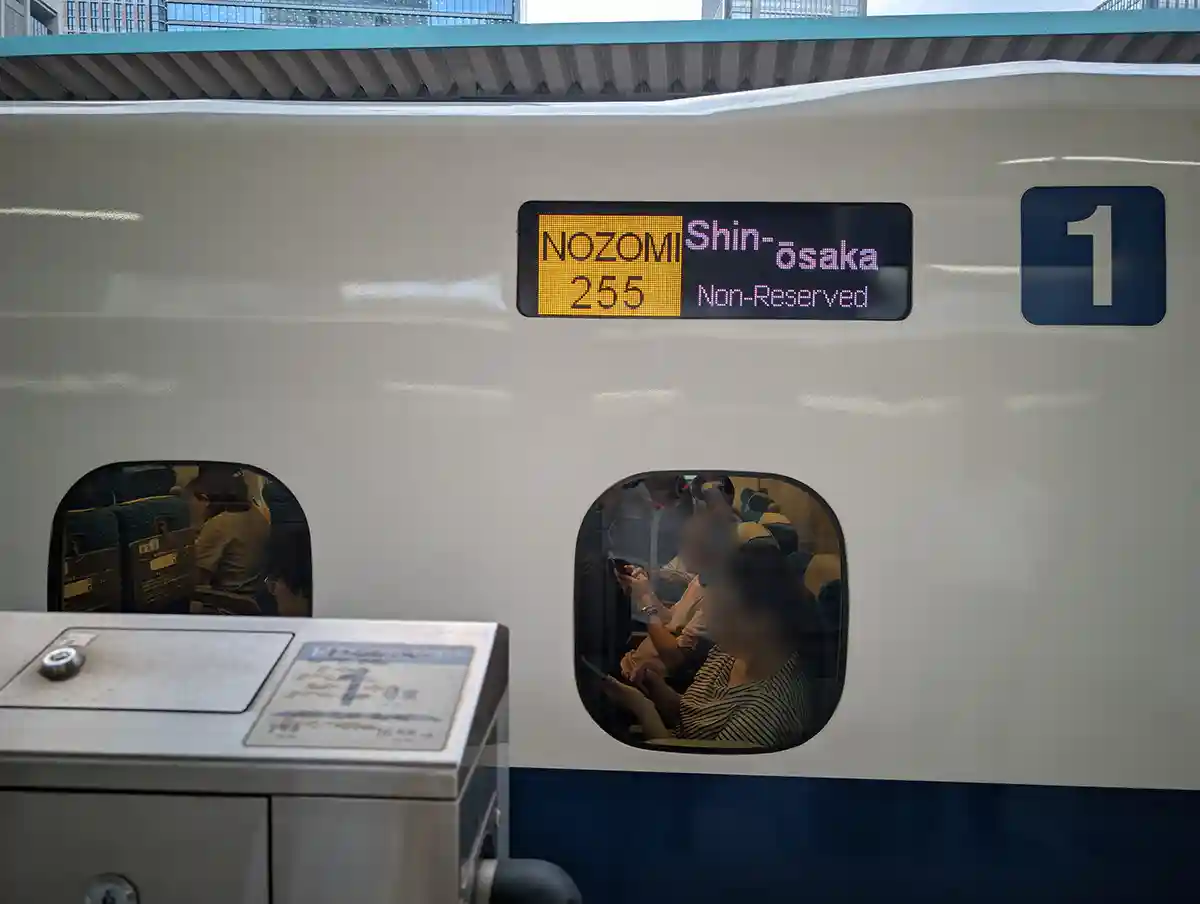
A non-reserved seat (自由席, jiyuseki) does not assign you a specific place. You can take other Shinkansen trains on the same route and date. Any open seat in the non-reserved cars is available. These tickets are only valid in those cars, not the entire train. If the car is full, you may need to stand or wait for a later train.
The main difference is that reserved seats offer certainty, while non-reserved seats offer more flexibility.
With a reserved seat, you have an assigned seat. You can wait at the station café, walk to the platform at your own pace, and board without rushing. With a non-reserved seat, you need to arrive early and join the queue. If a train is very crowded, seats may fill before you board.
A reserved seat usually costs slightly more than a non-reserved seat, depending on the season, although the difference can be higher on some trains such as Nozomi. The difference is larger during peak periods and smaller during quieter months.
JR Pass holders can reserve seats without extra charge on many Shinkansen services, but Nozomi and Mizuho require an additional fee.
Prices vary by train, date, and availability.
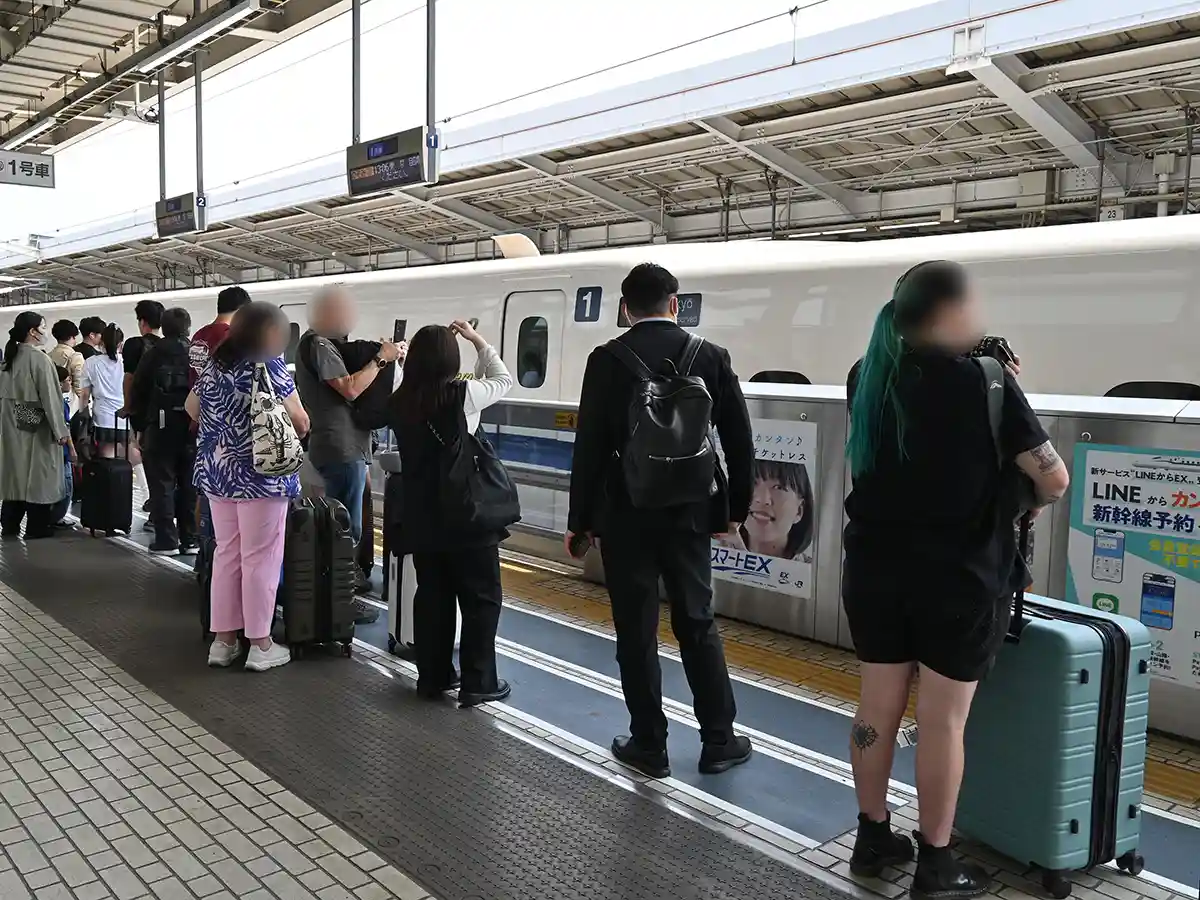
For short trips (under about one hour), a non-reserved seat is often fine on a quiet day. For longer routes — such as Tokyo to Kyoto (about 2 hours 10 minutes by Nozomi) or Tokyo to Hiroshima (about 4 hours) — a reserved seat is strongly recommended for peace of mind.
On busy trains, non-reserved cars can fill up quickly. If you are boarding at a starting station like Tokyo or Shin-Osaka, you have a better chance of snagging a seat if you line up on the platform early. However, at mid-route stations like Nagoya or Kyoto, finding seats together in the non-reserved car is much harder. For families and groups, making a reservation is nearly essential.
If you are carrying oversized luggage, you must reserve a seat with an oversized luggage space. This option is available only with reserved seats. In many cases, it is recommended to book in advance to avoid problems when boarding.
For full details, see our guide on Shinkansen large luggage rules.
With a non-reserved ticket, there is no guarantee your group will sit together. In a busy car, empty seats may be spread apart. If sitting together matters, reserved seating is the right choice. You can pick seats next to each other when you make your booking.
Japan's busiest travel periods include the New Year holiday (late December to early January), Cherry Blossom season (late March to mid-April), Golden Week (late April to early May), Obon (mid-August), and Autumn Foliage season (late October to late November).
During these times, non-reserved cars fill up very quickly. You might have to stand for two hours or more. Also, the Nozomi train often becomes fully reserved during the busiest holidays. Book a reserved seat as early as you can.
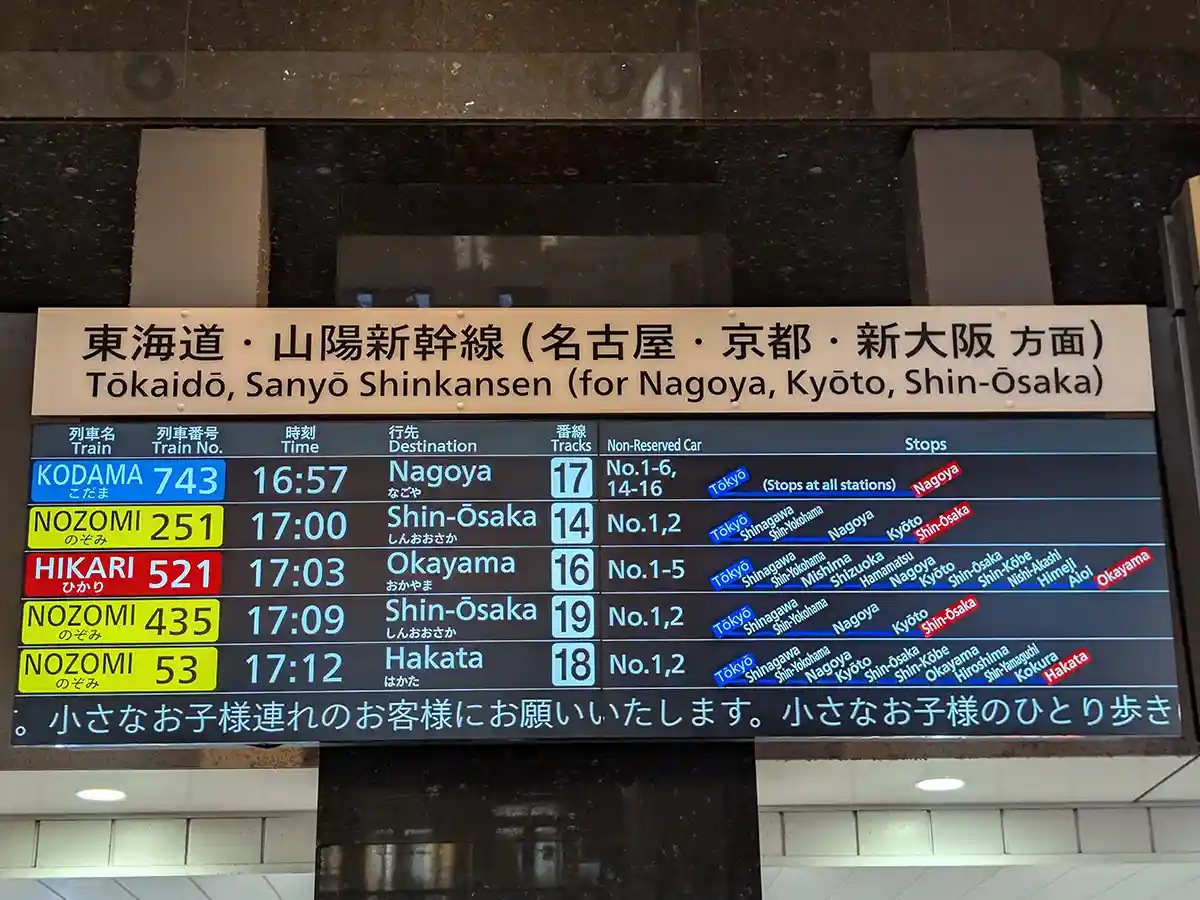
Not all Shinkansen trains offer non-reserved seating. Some services are fully reserved at all times. Others become fully reserved during peak periods only.
Train | Non-reserved Cars | Notes |
|---|---|---|
Nozomi | Usually cars 1–2 | All seats reserved on peak travel dates |
Hikari | Usually cars 1–5 | Car numbers vary by service |
Kodama | Usually available | Car numbers vary by service |
Hayabusa | None | All seats reserved |
Hayate | None | All seats reserved |
Komachi | None | All seats reserved |
Kagayaki | None | All seats reserved |
Hakutaka | Usually cars 1–4 | Car numbers vary by service |
Tsubasa | None | All seats reserved |
Sakura | Usually cars 1–3 | Car numbers vary by service |
Mizuho | Usually cars 1–3 | Car numbers vary by service |
Always check the car number signs on the platform before boarding. Non-reserved car numbers can vary depending on the specific service.
The Nozomi usually has non-reserved cars (typically cars 1–2). However, on designated peak travel dates such as Golden Week, Obon, and the New Year holiday, it operates as fully reserved. Non-reserved tickets are not valid on those services.
This schedule change is announced in advance by JR Central. You can also book either reserved or non-reserved seats through Japan Bullet Train.
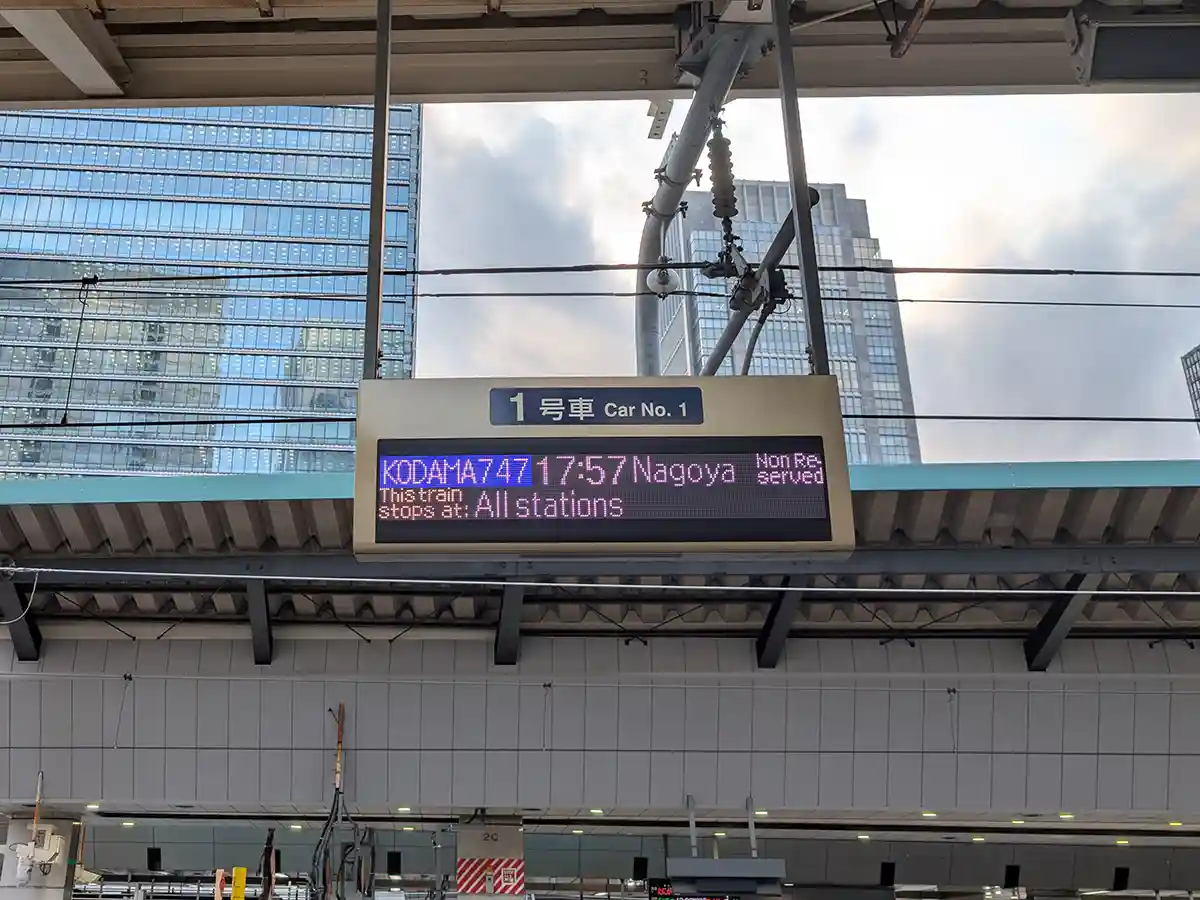
First, check the departure board at the station to confirm your platform.
Once you arrive at the platform, wait near the sign for your car number. You can usually find the car number on the displays above the boarding area or on the platform markings.
In many cases, non-reserved cars are at one end of the train, often the lower-numbered cars. Arrive early and line up at the correct boarding point before the train arrives.

When boarding with a non-reserved ticket, you must enter only the non-reserved cars. Cutting in line is not allowed, so be sure to wait your turn. You may sit in any available seat in the non-reserved cars.
It is considered poor etiquette to use a seat to hold large luggage. Please place your bags on the overhead rack or at your feet. For more details about luggage storage, see our storage options guide.
If all seats are taken, you can stand in the aisle or in the deck area near the doors of the non-reserved car. Please note that you cannot sit in a reserved car, even if you see empty seats there.
If you prefer not to stand, you can simply wait for the next train. On busy routes like Tokyo–Kyoto, trains depart every 10 to 15 minutes. Your non-reserved ticket is valid for any non-reserved car on the same route for that entire day.
Don’t worry — missing your reserved train does not always mean your ticket is wasted.
Your seat reservation is usually no longer valid, but whether you can take a later train depends on the ticket type and fare rules. In some cases, you may still travel the same day on a non-reserved car, but you should check the rules for your ticket.
Whether you can get a new reserved seat depends on when you take action:
Refund and change rules vary significantly by ticket and booking service. Always check the specific terms of your provider before traveling.
Yes. You can board any Shinkansen with non-reserved cars by purchasing a non-reserved ticket.
No. Non-reserved tickets are only valid in non-reserved cars. To use a reserved seat, you need to change your ticket.
It may be difficult. Many seats may already be taken, especially on busy routes. Consider reserving a seat if you are boarding at stations like Nagoya or Kyoto.
Yes. If seats are full, you may stand in the non-reserved cars.
Yes. These are very busy travel periods, and non-reserved cars fill up quickly. Nozomi trains may also operate as fully reserved during these periods.
Yes, especially for long-distance trips, busy travel periods, or when you want a guaranteed seat.
Choosing between reserved and non-reserved seats depends on your travel style, schedule, and comfort needs. Reserved seats offer certainty, while non-reserved seats provide flexibility. If you are traveling during busy periods, with luggage, or on longer routes, reserving a seat can make your journey smoother.
You can book Shinkansen seats through Japan Bullet Train. Reserve online in advance and travel with confidence.