

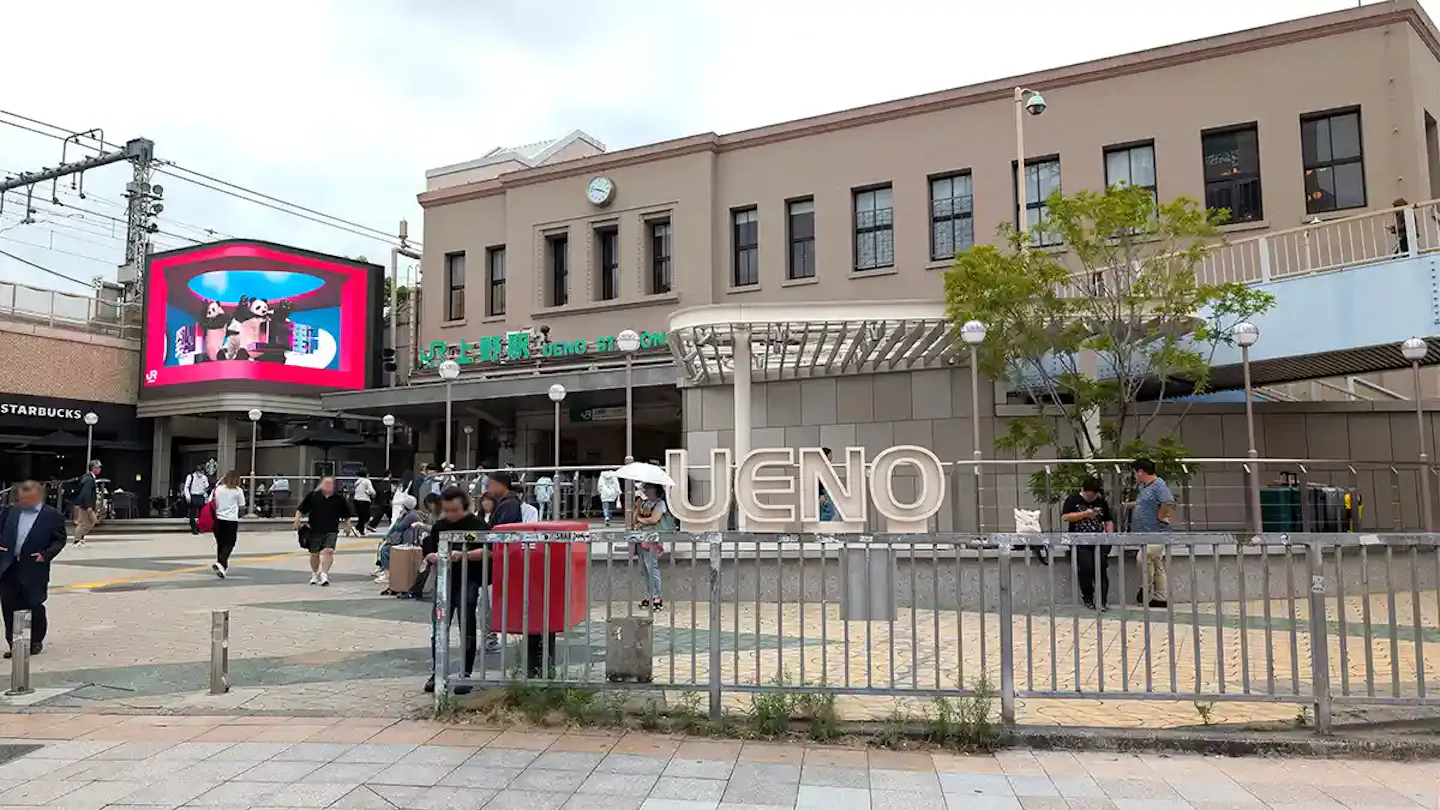
Ueno Station can be one of the easiest places to start a Shinkansen trip if you are arriving from Narita Airport or staying in eastern Tokyo. It is generally easier to navigate than Tokyo Station, but knowing which Ueno station, exit, and gate to use can save time and avoid confusion.
This guide covers Ueno Station’s layout, exits, facilities, Shinkansen lines, ticket options, and connections from Keisei Ueno.
Ueno Station is a major railway hub in eastern Tokyo, serving as the ultimate gateway to northern and eastern Japan.
Important: You cannot board a Shinkansen to Kyoto, Shin-Osaka, Nagoya, Hiroshima, or Hakata from Ueno Station. These destinations are served by the Tokaido and Sanyo Shinkansen, which stop at Tokyo Station and Shinagawa Station, not Ueno.
Ueno Station is smaller than Tokyo Station and has a more direct layout. If your hotel is in eastern Tokyo and your destination is in northern or eastern Japan, using Ueno can save you a longer trip across the city.
If you need the Tokaido or Sanyo Shinkansen — heading to Kyoto, Shin-Osaka, Hiroshima, or Hakata — you must use Tokyo Station or Shinagawa Station, as those trains do not stop at Ueno.
If you are still deciding between Tokyo, Shinagawa, and Ueno, see our guide to choosing a Shinkansen station in Tokyo.
There are several stations with “Ueno” in their names, and they are operated by different railway companies.
Station | Key Lines | Use For |
|---|---|---|
JR Ueno Station | Yamanote Line, Keihin-Tohoku Line, Shinkansen | Shinkansen trains to northern and eastern Japan; JR access to Tokyo, Akihabara, Shinjuku, and Shibuya |
Keisei Ueno Station | Keisei Skyliner, Keisei Main Line | Narita Airport access by Skyliner and Keisei trains |
Tokyo Metro Ueno Station | Ginza Line, Hibiya Line | Asakusa, Ginza, Roppongi, Akihabara, and other central Tokyo areas |
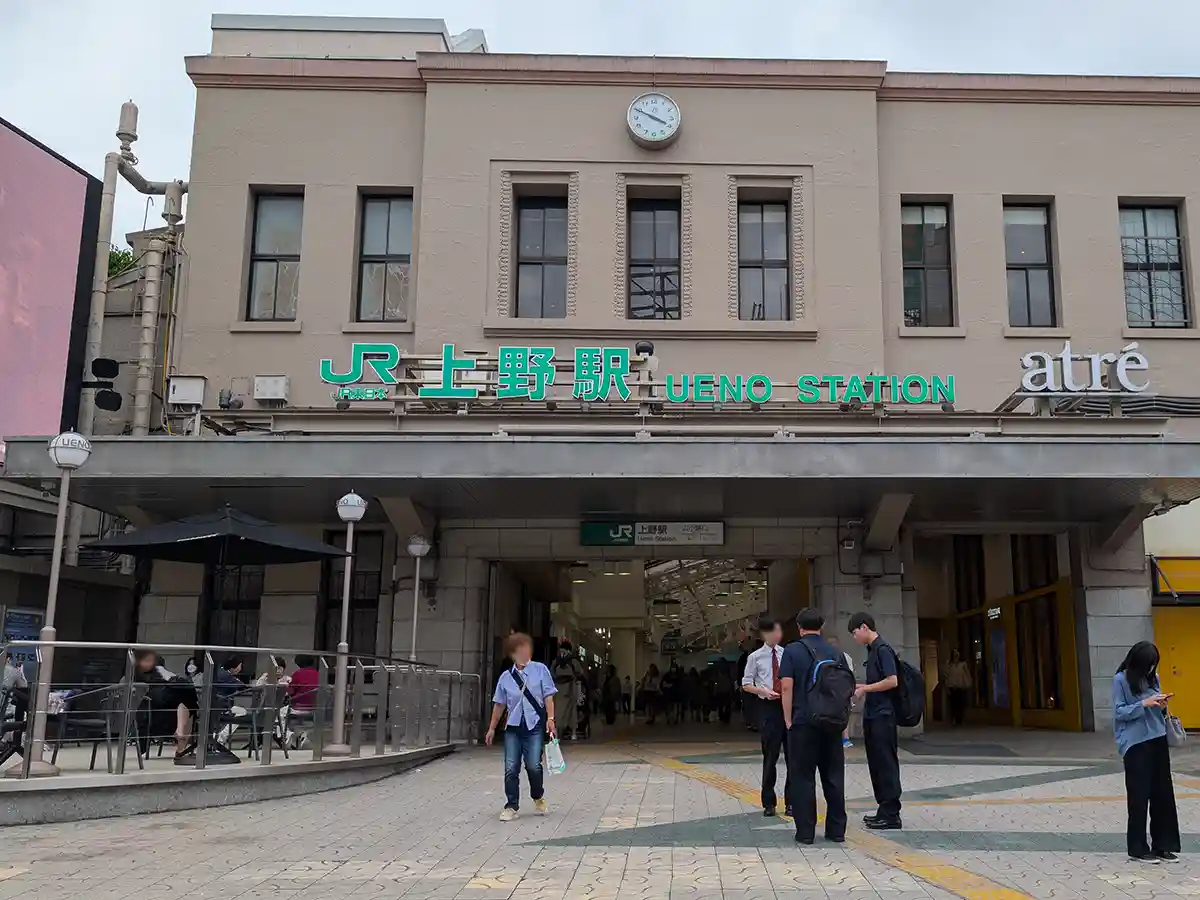
Use JR Ueno Station for Shinkansen travel. It is also useful for getting around Tokyo and nearby areas by JR lines.
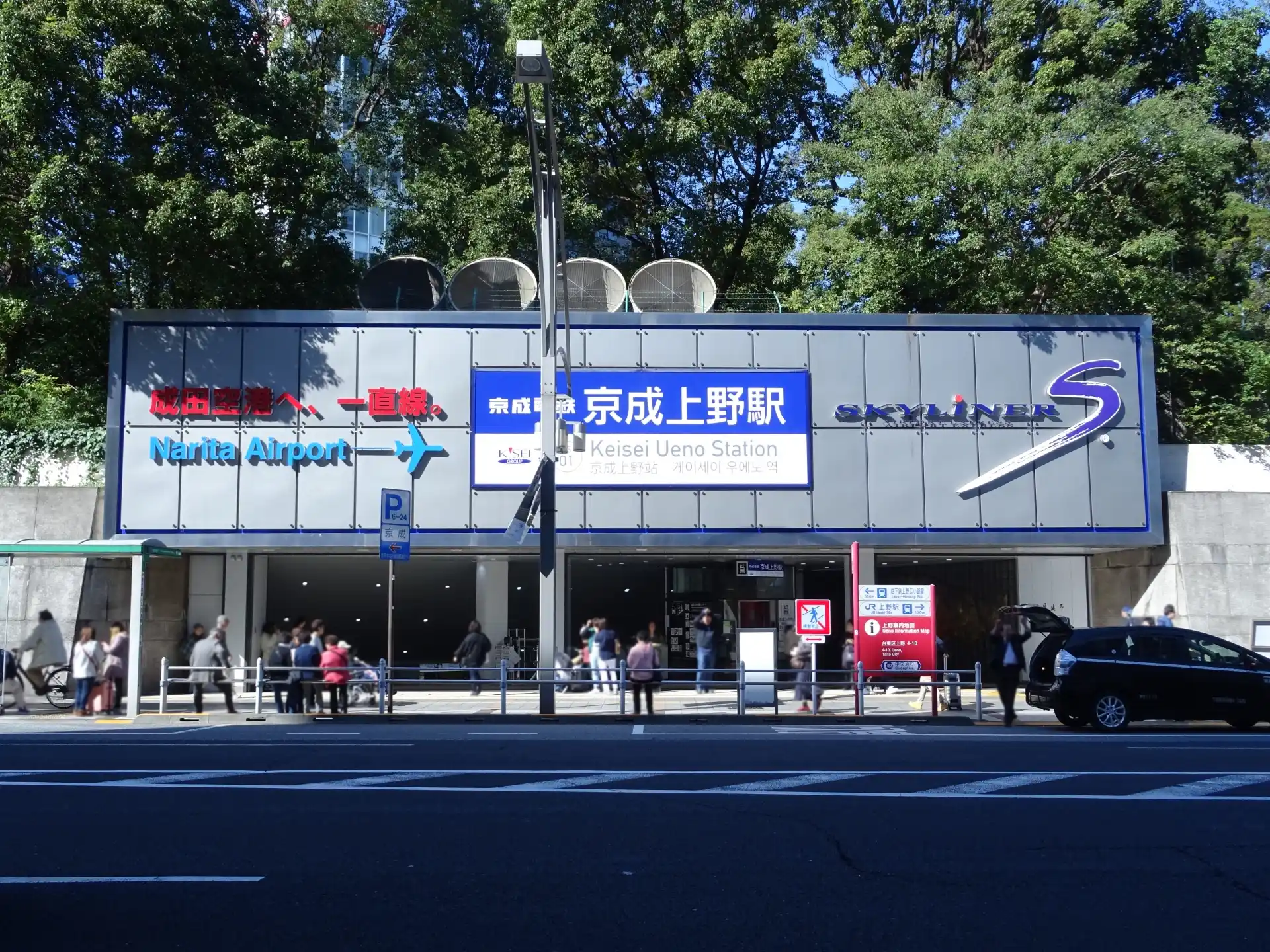
Keisei Ueno Station is the terminal for the Keisei Skyliner from Narita Airport. It is connected to JR Ueno by an underground passage, so follow signs toward JR Ueno after arriving by Skyliner.
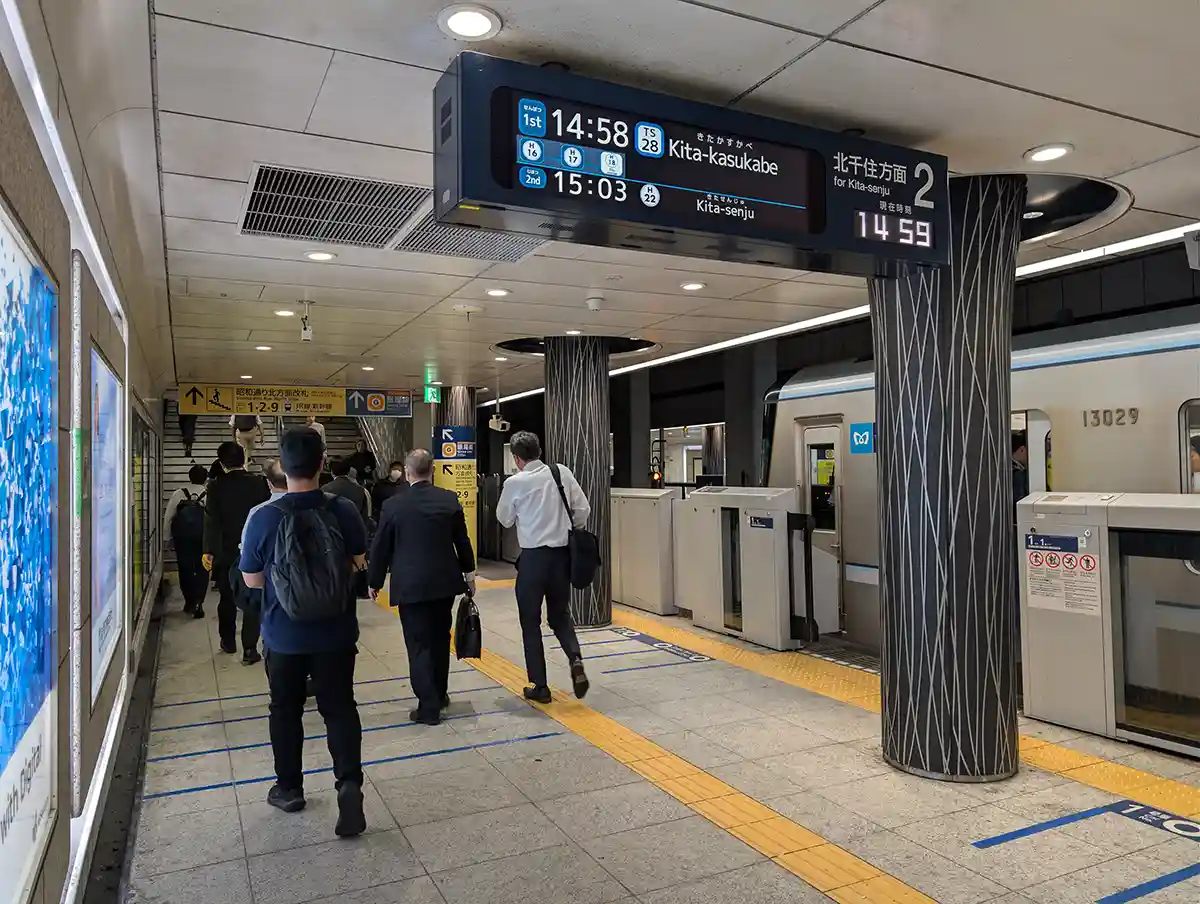
Use Tokyo Metro Ueno Station for areas not directly served by JR from Ueno, such as Asakusa. The Ginza Line and Hibiya Line are also useful for reaching Ginza, Roppongi, Akihabara, and other central Tokyo areas.
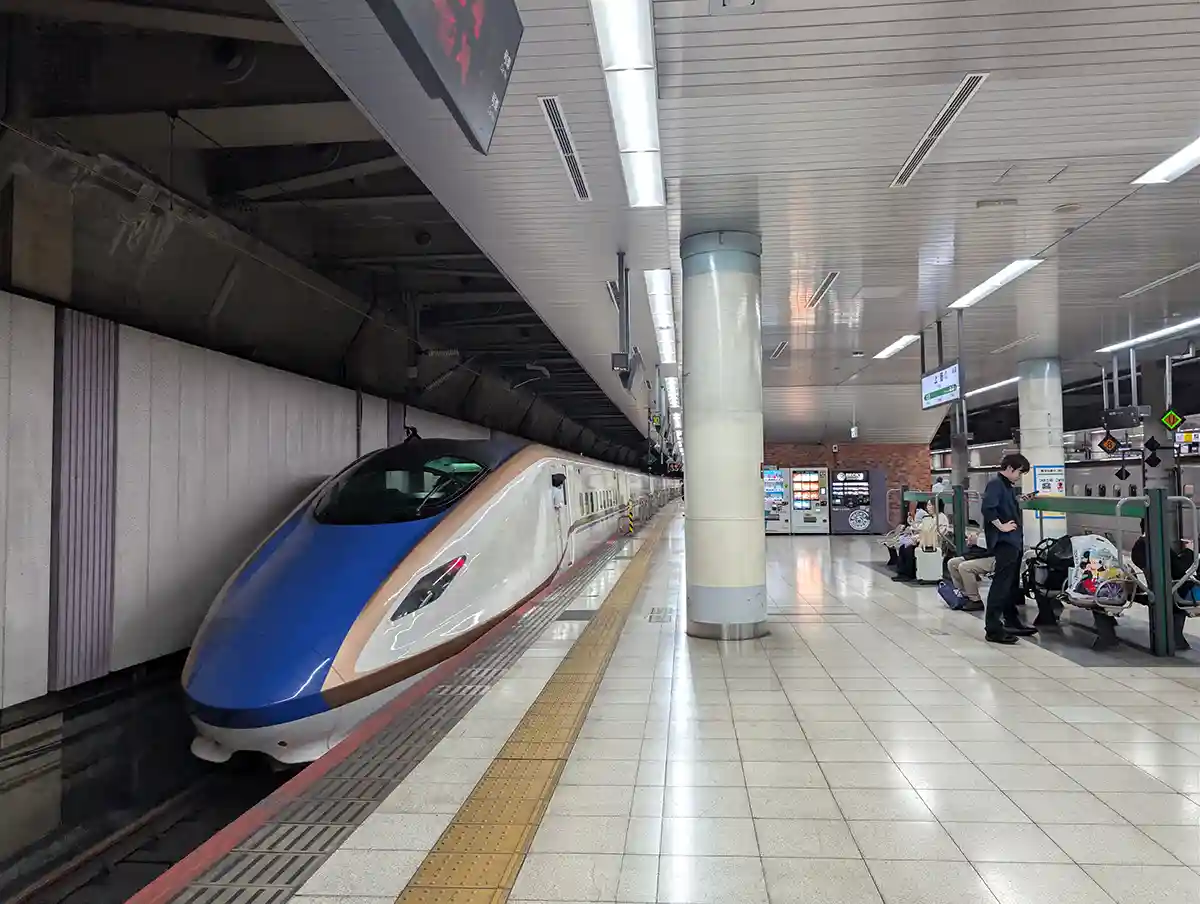
The station handles five major Shinkansen services: Tohoku / Hokkaido, Joetsu, Hokuriku, Akita and Yamagata lines. This makes Ueno a key gateway to northern Japan, from ski resorts to historic cities.
Shinkansen Line | Key Stops | Popular With Travelers |
|---|---|---|
Tohoku / Hokkaido Shinkansen | Utsunomiya, Sendai, Morioka, Shin-Aomori, Shin-Hakodate-Hokuto | Matsushima, northern Honshu, Hokkaido |
Joetsu Shinkansen | Echigo-Yuzawa, Nagaoka, Niigata | Winter skiing, sake region |
Hokuriku Shinkansen | Snow Monkeys, Kanazawa, mountain resorts | |
Akita Shinkansen (Komachi) | Morioka, Shizukuishi, Tazawako, Kakunodate, Omagari, Akita | Northern Tohoku |
Yamagata Shinkansen (Tsubasa) | Fukushima, Yamagata, Shinjo | Ginzan Onsen area, Yamagata mountains |
The Tokaido Shinkansen does not serve Ueno Station. This line covers Nagoya, Kyoto, Shin-Osaka, Hiroshima, and Hakata. For any of these cities, use Tokyo Station or Shinagawa Station.
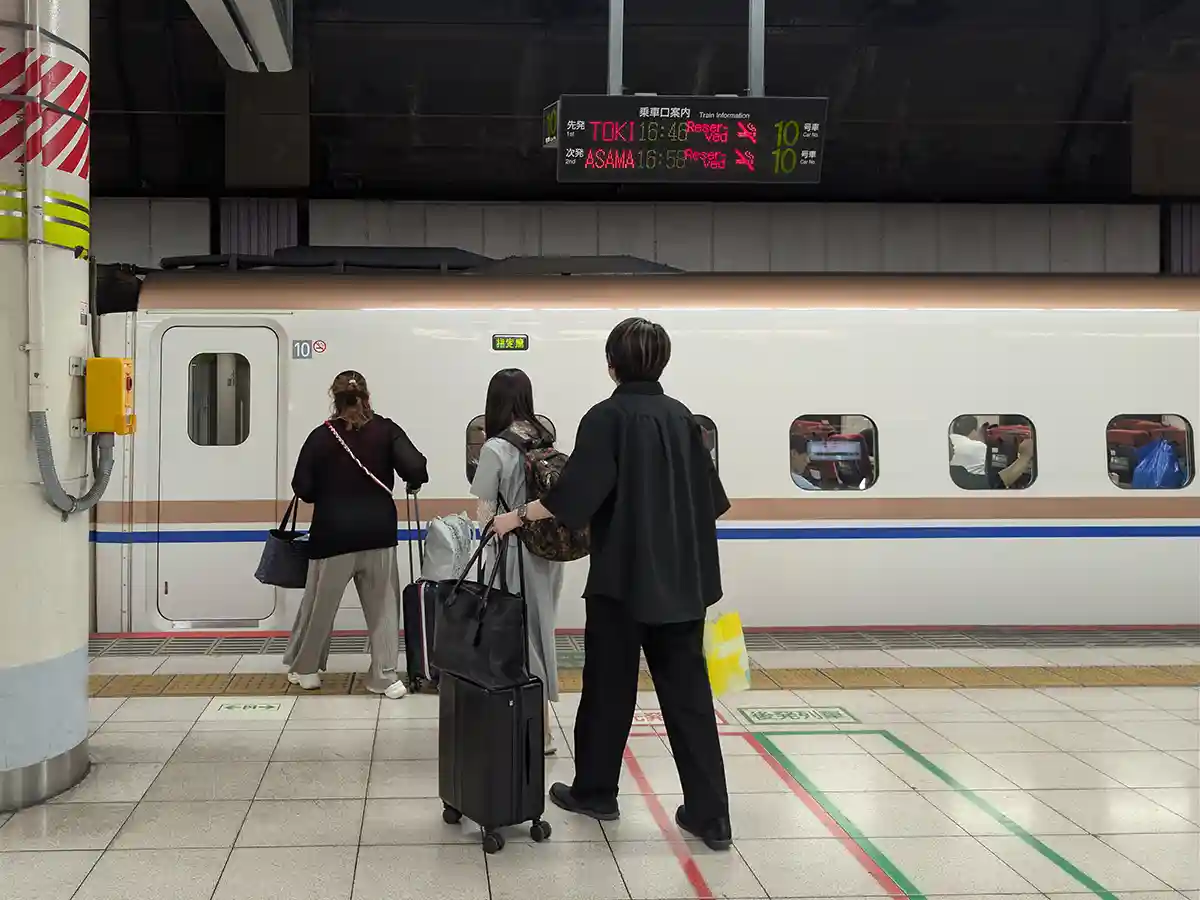
Some Shinkansen trains from Ueno are fully reserved, so every seat requires a reservation. The main fully reserved services are:
Book your seat before arriving at the station if you are traveling on one of these trains.
On the Tohoku / Hokkaido, Joetsu, Hokuriku, Akita, and Yamagata Shinkansen, you do not need to reserve a special oversized baggage seat. You can usually place bags on the overhead racks, near your feet, or in onboard luggage areas where available.
This is different from the Tokaido, Sanyo, Kyushu, and Nishi-Kyushu Shinkansen, where passengers with oversized baggage generally need to reserve a seat with an oversized baggage area.
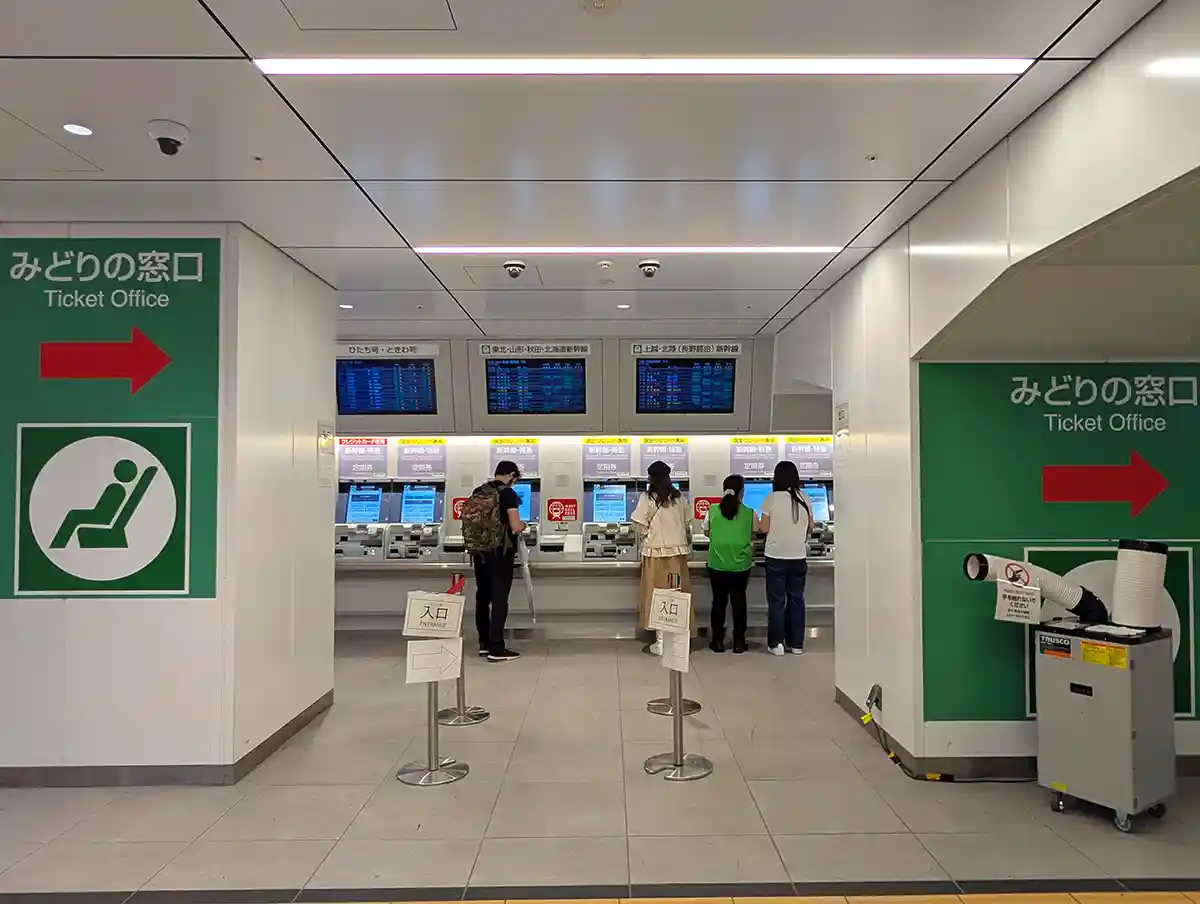
You can buy Shinkansen tickets at the station or book them online in advance.
During peak hours and busy travel seasons, popular trains can fill up quickly. If you need to buy a ticket at the station, arrive early and allow extra time.
Online booking lets you reserve your Shinkansen ticket before you arrive at the station, so you do not need to wait in line to buy a ticket.
With Japan Bullet Train, you complete the booking online, receive a QR code by email, and exchange it for a paper ticket at the station.
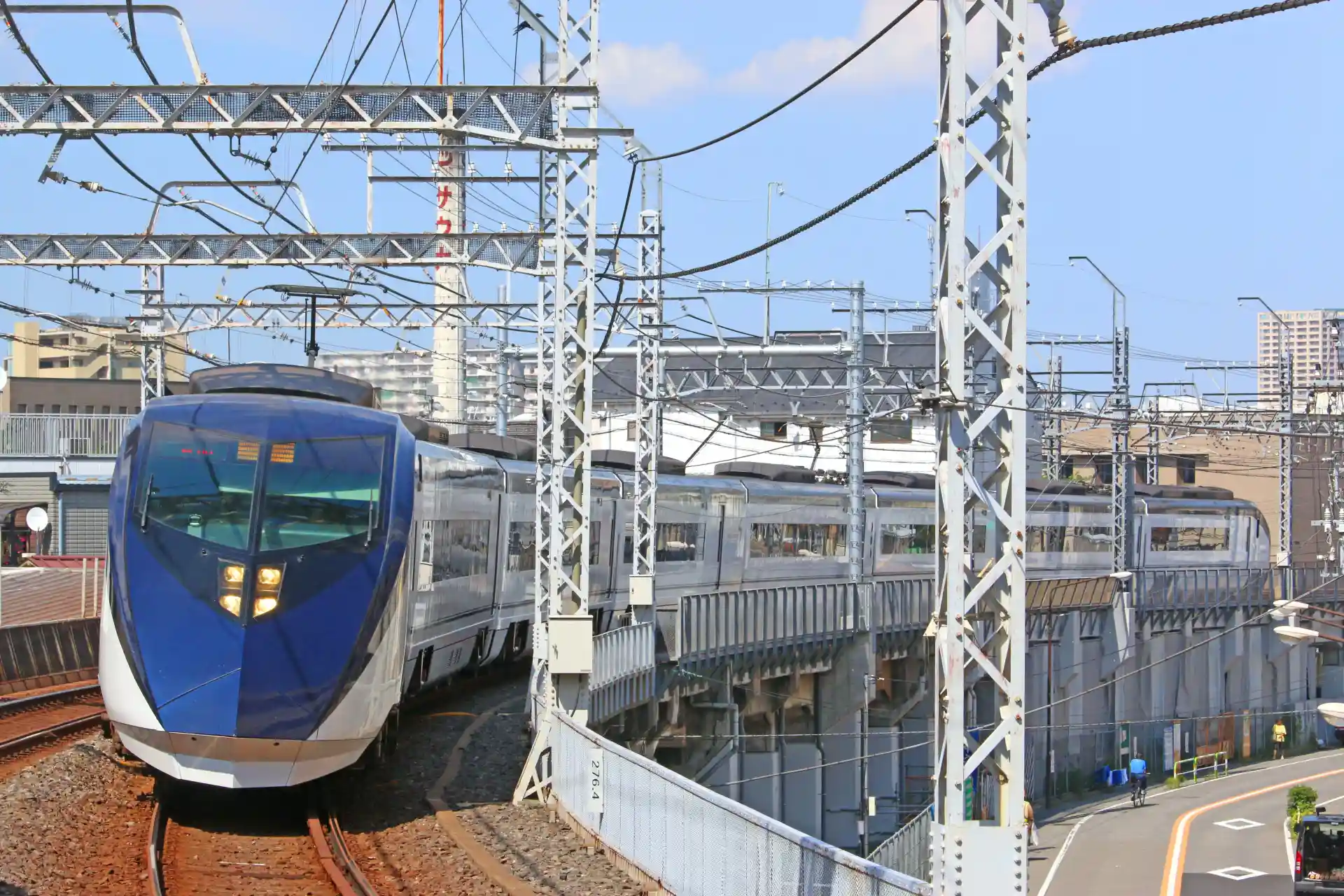
Take the Keisei Skyliner to Keisei Ueno Station in about 41 minutes. Keisei Ueno and JR Ueno are separate stations, so follow signs for JR Ueno after you arrive. The walk usually takes about 5 minutes.
From Haneda Airport, you can use either the Tokyo Monorail via Hamamatsucho or the Keikyu Line via Shinagawa. After that, transfer to a northbound JR Yamanote Line or Keihin-Tohoku Line train to reach JR Ueno Station.
From major stations such as Tokyo and Akihabara, the JR Yamanote Line and Keihin-Tohoku Line are convenient for reaching Ueno. From Shinjuku or Shibuya, use the JR Yamanote Line. Arriving at JR Ueno makes the transfer to the Shinkansen area simpler.
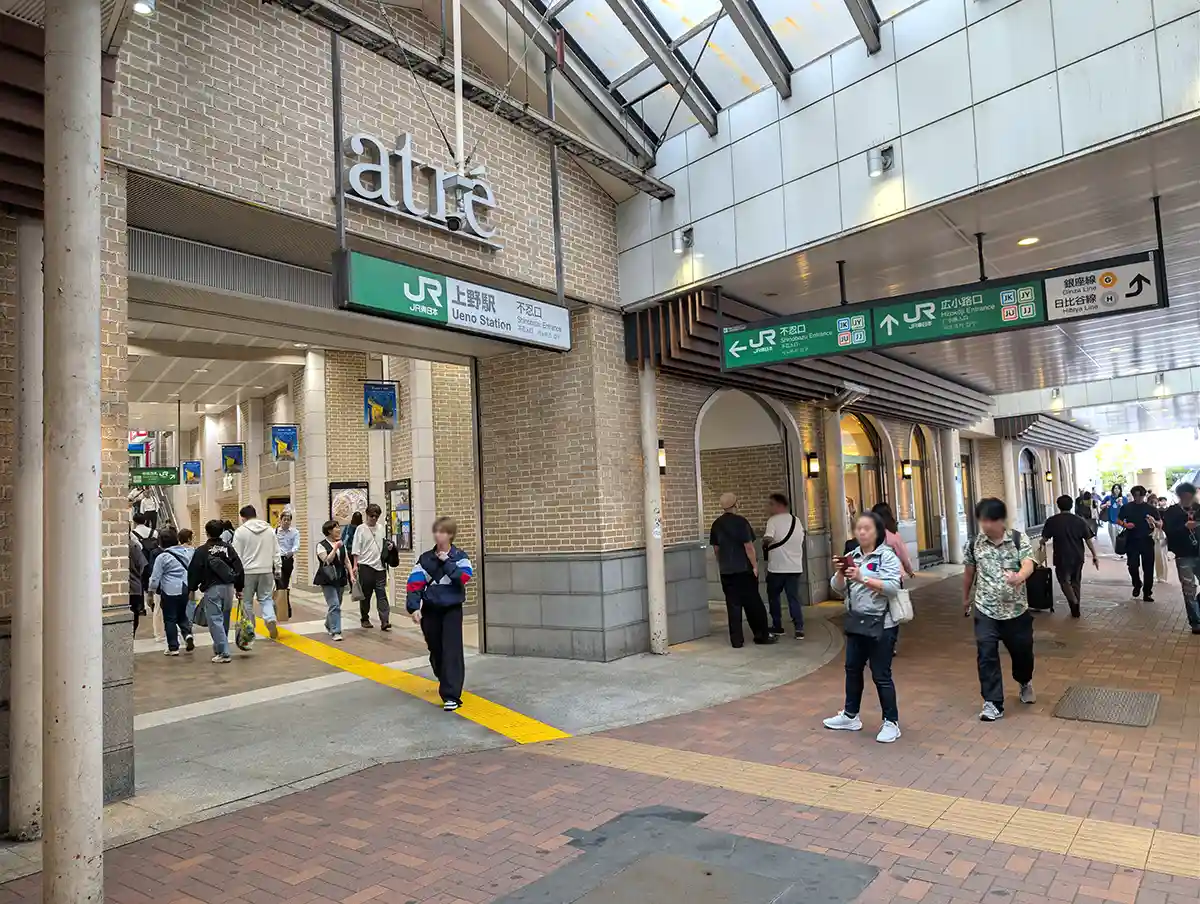
Floor | Exit Name | Japanese | Direction / Use |
|---|---|---|---|
1F | Shinobazu Exit | 不忍口 | Shinobazu Pond, Ameyoko, Ueno-Hirokoji area |
1F | Hirokoji Exit | 広小路口 | Ameyoko, Ueno-Hirokoji, shopping streets |
1F | Main Exit | 正面玄関口 | Main street-level access, taxis, nearby hotels |
1F | Asakusa Exit | 浅草口 | Asakusa side, buses and taxis |
1F | Iriya Exit | 入谷口 | Iriya area and the north side of the station |
3F | Panda Bridge Exit | パンダ橋口 | Panda Bridge, east-west walkway, Ueno Park side access |
3F | Higashi-Ueno Exit | 東上野口 | Higashi-Ueno area, east side of the station |
3F | Park Exit | 公園口 | Ueno Park, Tokyo National Museum, Ueno Zoo |
3F | Iriya Exit | 入谷口 | Iriya area and north-side access from the upper level |
From Keisei Ueno Station, the Shinobazu and Hirokoji sides are convenient for reaching JR Ueno. Shinobazu is usually closer, while Hirokoji offers a wider route.
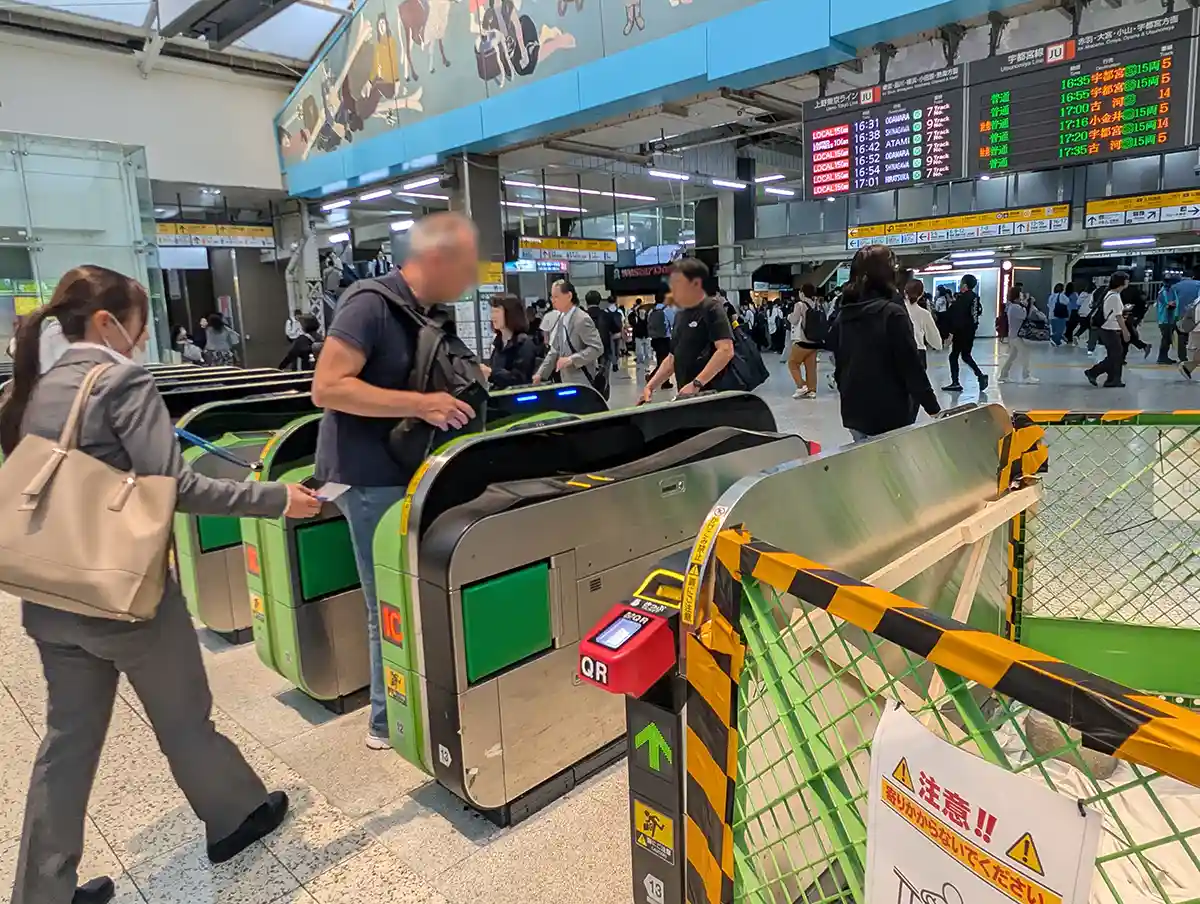
Floor | Gate Name | Japanese | Direction / Use |
|---|---|---|---|
1F | Central Gate | 中央改札 | Main JR concourse, ticket machines, Shinkansen transfer route, JR EAST Travel Service Center |
M2 | Shinobazu Gate | 不忍改札 | Shinobazu Exit, Ameyoko, Keisei Ueno side |
3F | Iriya Gate | 入谷改札 | Iriya Exit and north-side access |
3F | Park Gate | 公園改札 | Park Exit, Ueno Park, museums, and Ueno Zoo |
For Shinkansen travel, the Central Gate is usually the easiest starting point. After entering the JR area, follow signs for the Shinkansen transfer gate and Tracks 19–22.
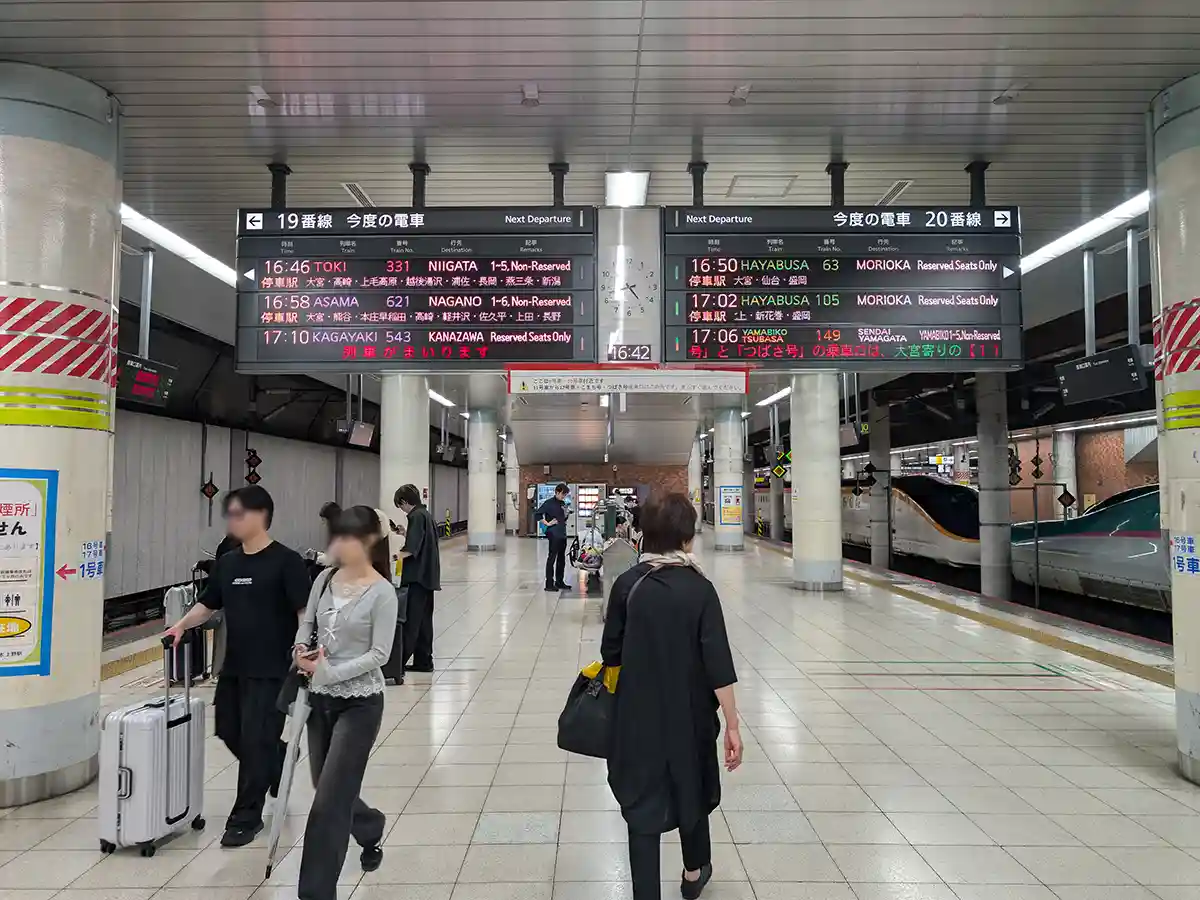
Always check the departure board before going down to the platform, as your track number depends on your train.
The Shinkansen platforms are on B4F, four floors underground. From the Central Gate, it usually takes about 10 minutes to reach the platforms. Escalators, stairs, and elevators are available, but allow extra time if you have heavy luggage or need to use the elevator route.
Note: For a full route from the station entrance to the Shinkansen platforms, see our step-by-step guide to boarding the Shinkansen at Ueno Station.
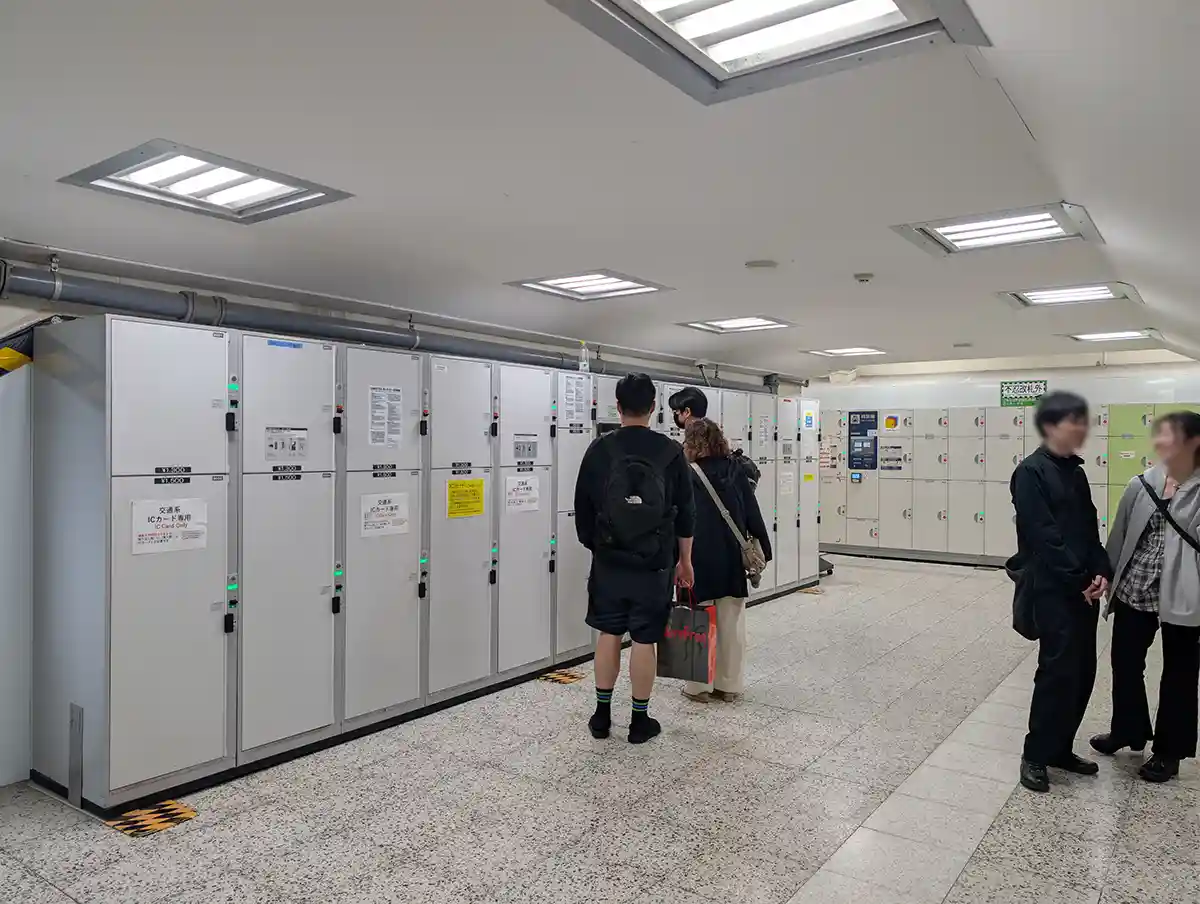
Ueno Station has a large number of coin lockers, with 19 locations in total across the station complex. These include 11 areas inside JR Ueno Station, 5 inside Tokyo Metro Ueno Station, and 3 inside Keisei Ueno Station.
Within JR Ueno Station alone, lockers are spread across several floors:
Lockers come in different sizes to fit anything from small bags to large suitcases. Many newer lockers accept IC cards and some international credit cards, though cash options remain. During peak travel seasons, lockers can fill up quickly.
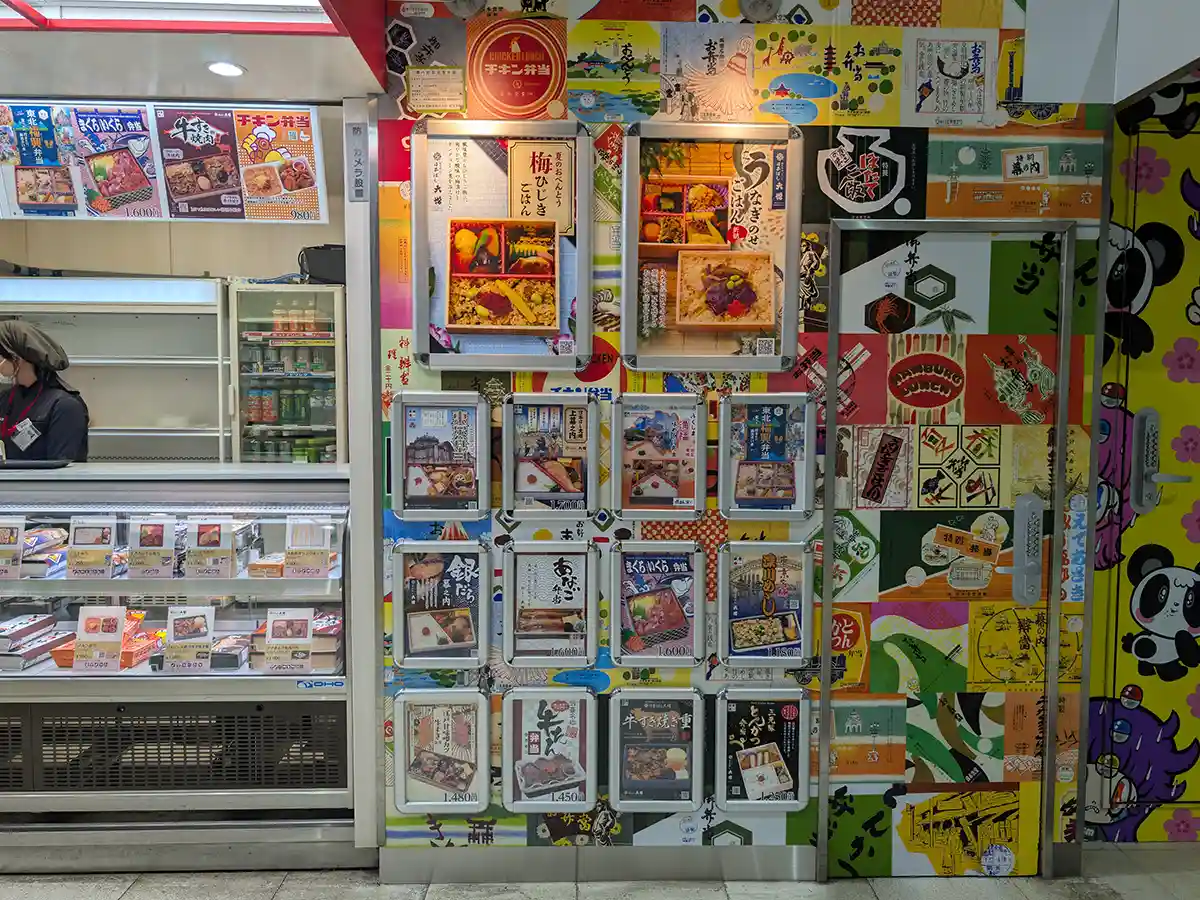
There are many restaurants inside and around Ueno Station.
You can also buy ekiben at Ueno Station, but the selection is smaller than at larger stations such as Tokyo Station, and popular items may sell out later in the day. Food options are limited on the Shinkansen platforms on B4F, so buy your meal before going down to the platform.
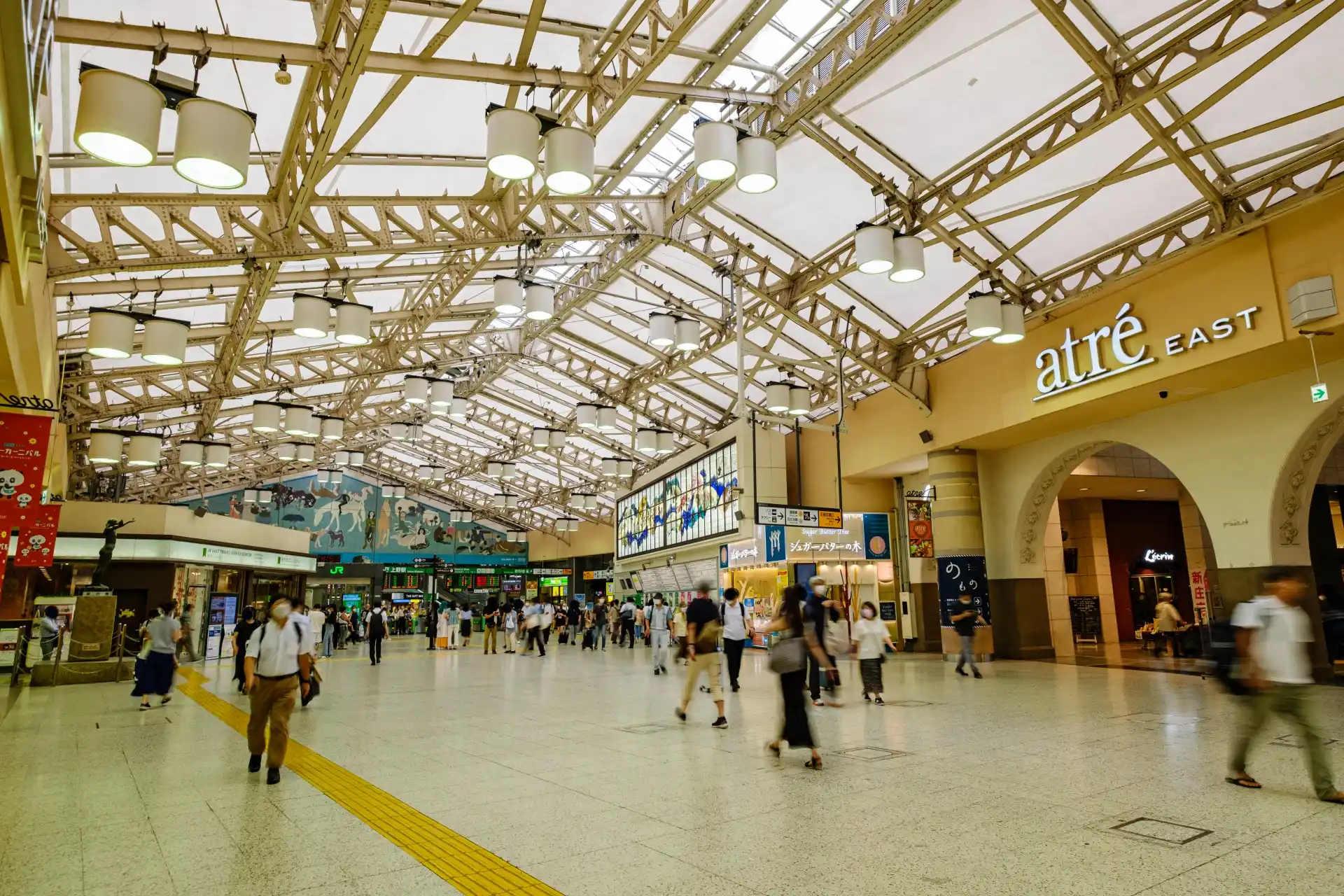
Atre Ueno is the main shopping facility connected to JR Ueno Station. It has a variety of shops, such as drugstores, fashion stores, lifestyle goods shops, sweets shops, and food stores.
Temporary pop-up shops may also appear in the station concourse. Around the station, Ameyoko and nearby shopping streets offer many more options for snacks, souvenirs, cosmetics, and casual shopping.
A tourist information desk inside JR Ueno Station provides maps and local guidance. Free Wi-Fi is available in the station and on JR East Shinkansen trains.
For reliable connectivity throughout your trip, consider a pocket Wi-Fi or eSIM from Japan Wireless or Japan Wireless eSIM.
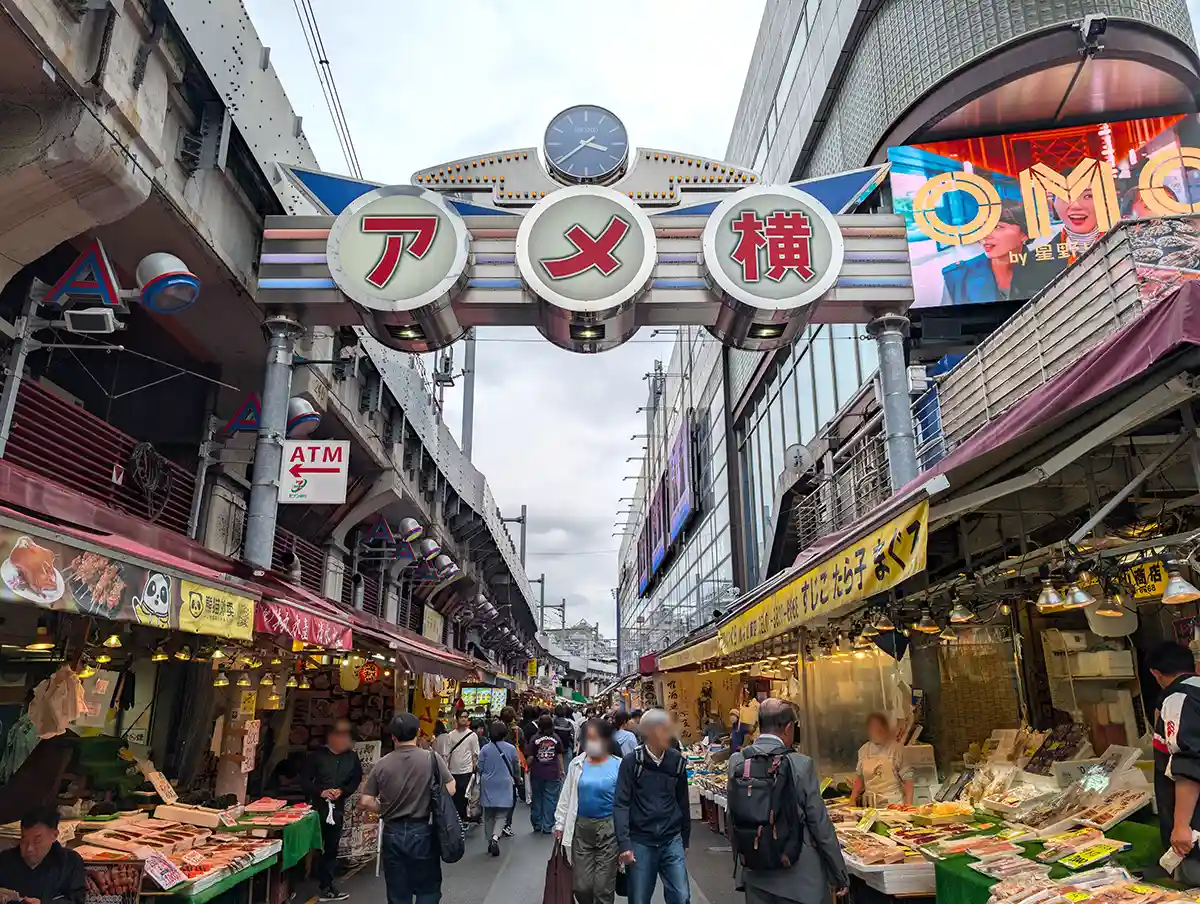
Ameyoko is an open-air market area running along the elevated JR tracks between Ueno and Okachimachi stations, with easy access from nearby station exits.
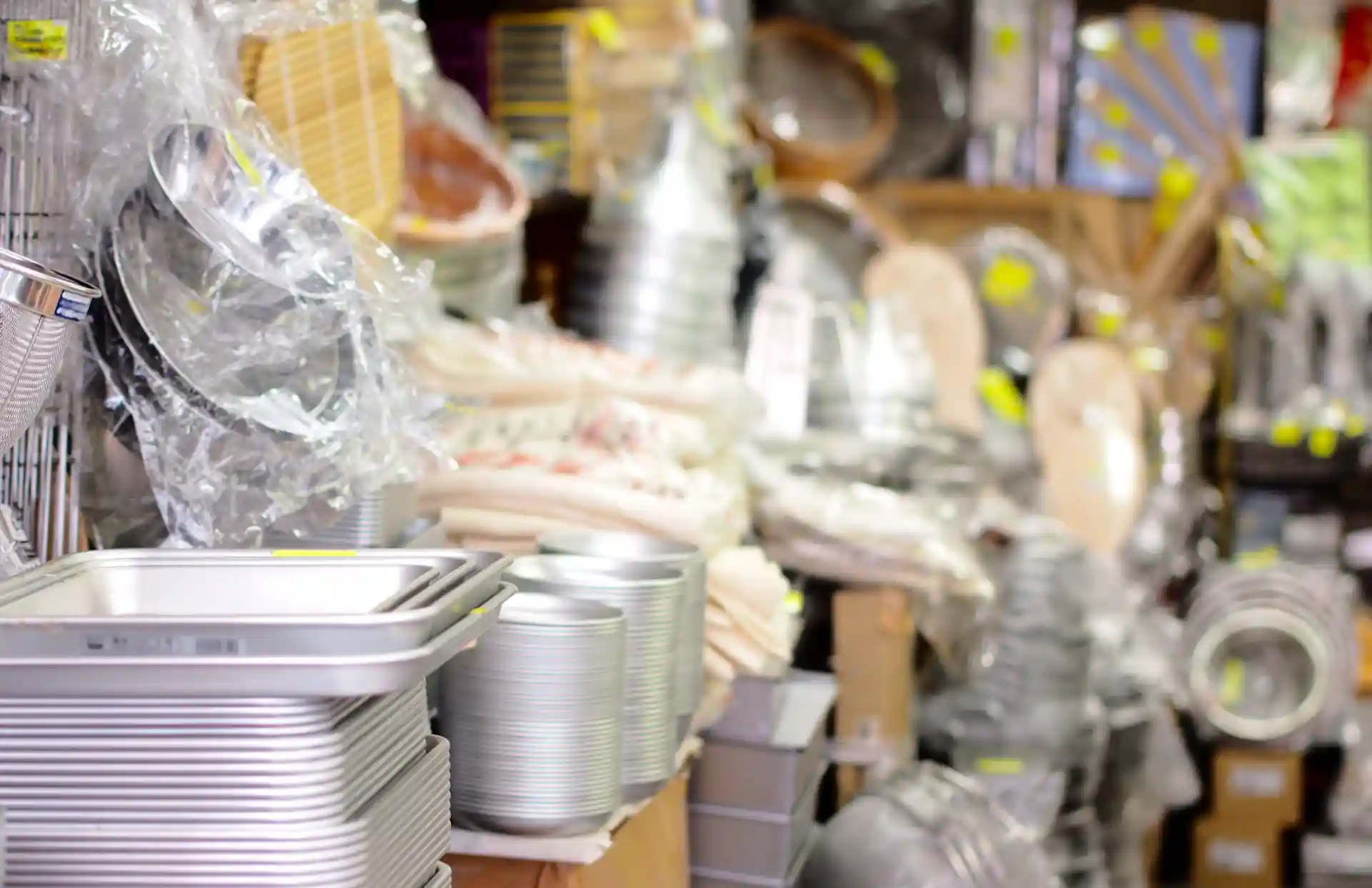
Kappabashi, known as Kitchen Town, is a street of shops selling cookware, tableware, and the plastic food display models used by Japanese restaurants. It is about a 15-minute walk from Ueno Station.
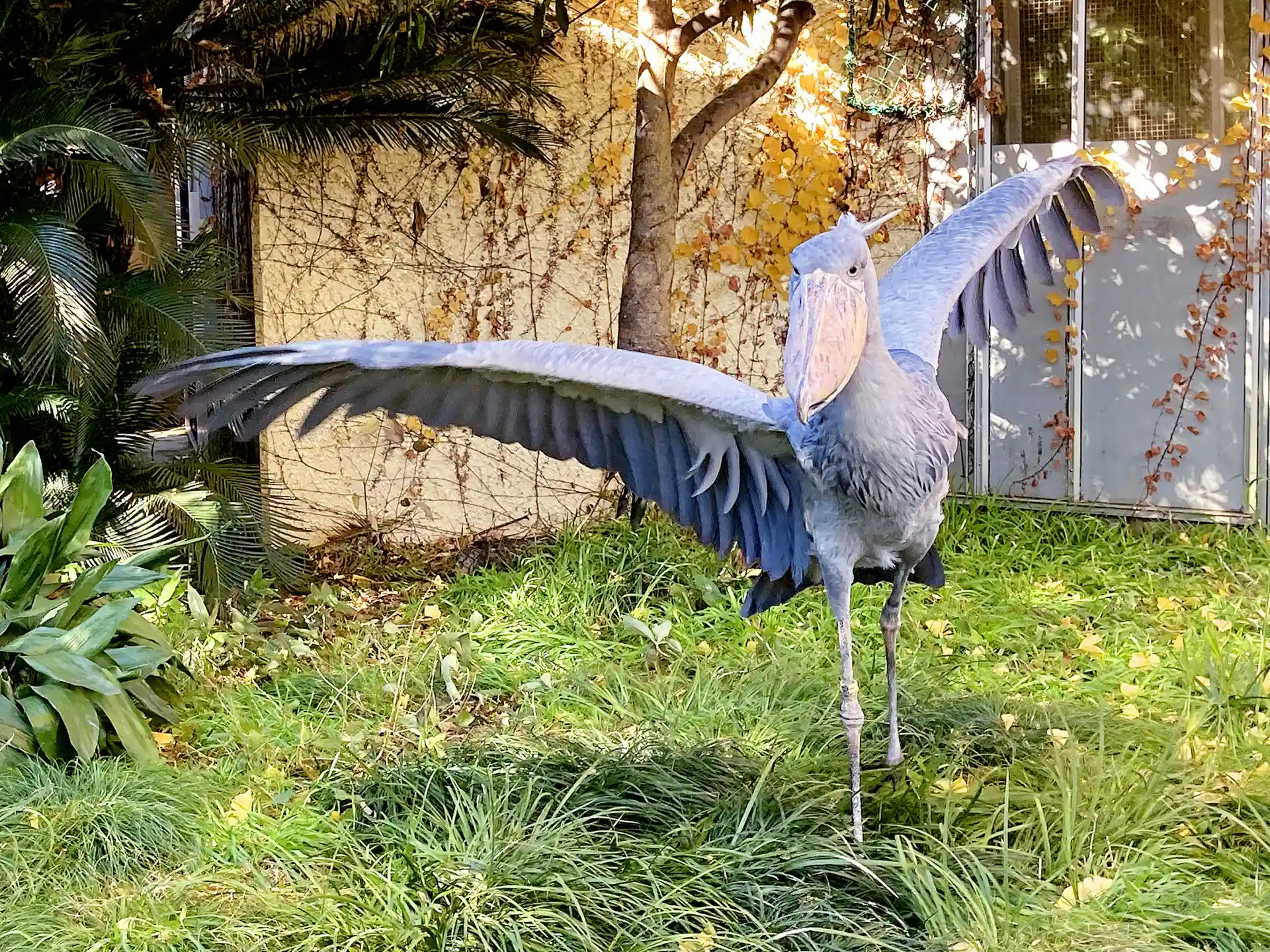
Ueno Zoo is Japan’s oldest zoo, located inside Ueno Park and easily accessible from the park side of Ueno Station. It is home to about 300 animal species, including animals native to Japan and rare species from around the world.
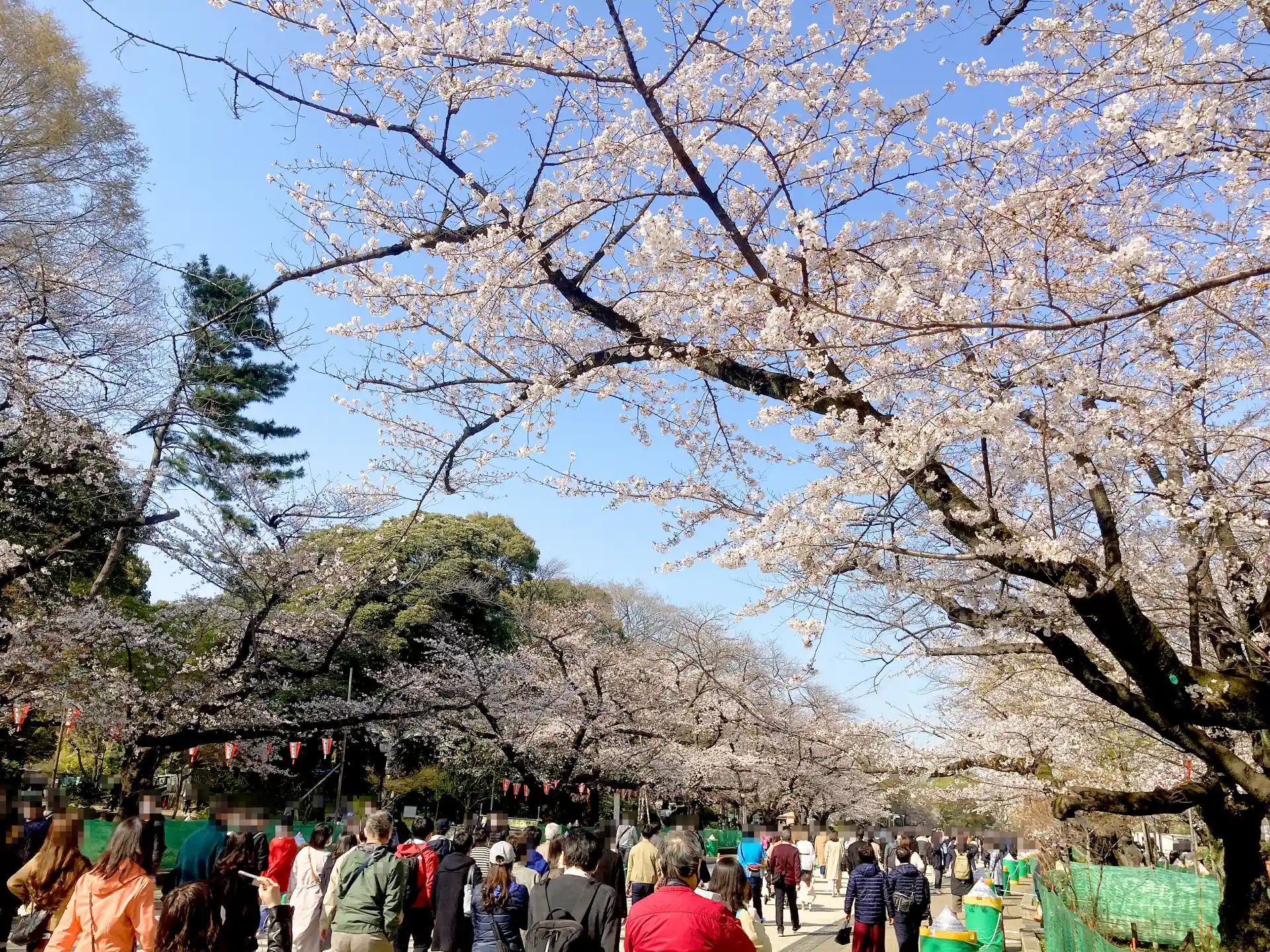
Ueno Park is one of Tokyo's most visited public spaces, with museums, temples, and Shinobazu Pond. The Park Exit of Ueno Station leads directly to the park entrance.
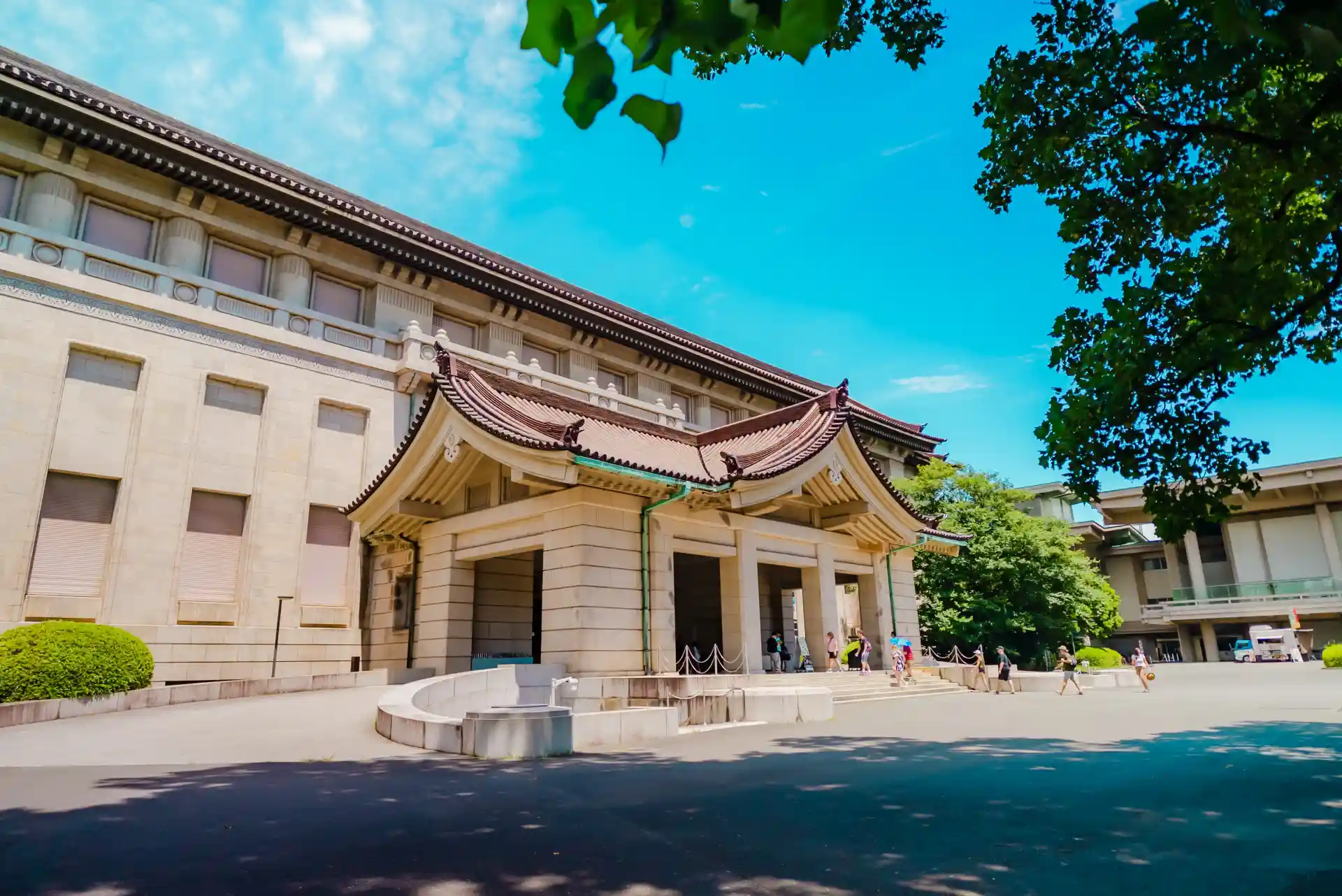
Located inside Ueno Park, this museum is within walking distance of Ueno Station and holds one of Japan’s most important collections of art and historical artifacts.
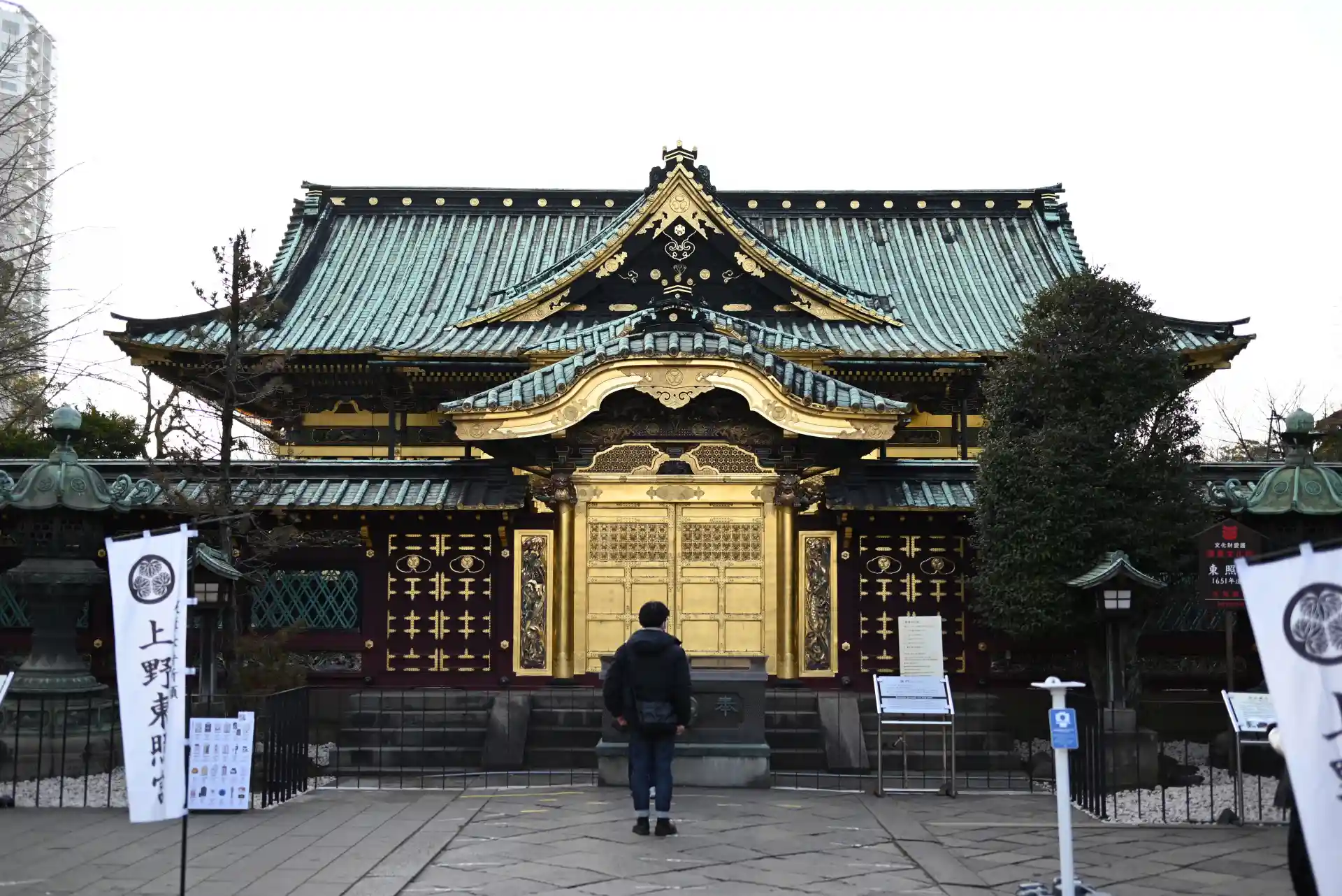
Ueno Toshogu is a gold-decorated Shinto shrine inside Ueno Park, built in the 17th century and dedicated to Tokugawa Ieyasu. It is open to visitors throughout the year.
Yes. JR Ueno Station is served by the Tohoku/Hokkaido, Akita, Yamagata, Joetsu, and Hokuriku Shinkansen lines, which travel to northern and eastern Japan.
No. JR Ueno Station and Keisei Ueno Station are separate but close to each other. Use JR Ueno for Shinkansen trains, and Keisei Ueno for the Skyliner to Narita Airport.
Ueno Station is smaller and has a more direct layout than Tokyo Station, though the Shinkansen platforms are on the fourth underground level.
Use the Park Exit, which is the closest exit to the Ueno Park entrance and the museums inside it.
Yes. Coin lockers in several sizes are available inside JR Ueno Station.
No. The Tokaido Shinkansen, which serves Kyoto and Osaka, does not stop at Ueno. Travel to Tokyo Station or Shinagawa Station for those routes.
A little preparation can make your Shinkansen trip from Ueno much easier. Ueno Station has many train lines, gates, and exits, so checking the layout before you travel can save time on the day. If you plan to visit Ueno Park or Ameyoko before boarding, allow extra time for walking and exploring.
Booking Shinkansen tickets in advance is recommended, especially during busy periods such as Golden Week, Obon, and New Year. It helps you secure your ticket early and avoid long lines at ticket counters.
For a simpler process, use Japan Bullet Train. You can book online in your own language, receive a QR code, and exchange it for a paper ticket at Ueno Station.